
Bali Travel Guide: Where to Stay, What to Do, and How to Get Around
Introduction
Planning a first trip to Bali can feel overwhelming. With so many areas to choose from, activities to book, and traffic to navigate, it’s easy to get lost in the research. This bali travel guide itinerary is built from real-world trips and local knowledge, not promotional fluff. I’ve broken down where to stay, what’s genuinely worth doing, how to get around without losing your mind, and what a balanced week looks like. Whether you have five days or three weeks, this guide gives you a practical framework to plan a trip that actually matches your expectations. No hype. Just useful advice.

When to Visit Bali: Weather, Crowds, and Tradeoffs
Bali has two main seasons: dry (April to October) and wet (November to March). If you want guaranteed sun and calm seas for beach days or diving, the dry season is your best bet. July and August are peak season, so expect higher prices and more crowds at popular spots like Ubud and Seminyak. May, June, and September offer a sweet spot with good weather and fewer tourists.
The wet season has its advantages. Flights and accommodation drop significantly, and the island feels quieter. The rain doesn’t usually last all dayâoften a heavy downpour in the afternoon then clearing up. The tradeoff is that outdoor plans like sunrise treks at Mount Batur or snorkeling trips can get cancelled last minute. For divers, the best visibility is from April to October. For festivals, Nyepi (the Day of Silence) is a unique cultural experience but falls in March or April. For budget travelers, the wet season is the best time to score deals on villas and private drivers.
How Many Days Do You Really Need in Bali?
A common mistake is underestimating how long it takes to move between areas. Traffic on the main roads can be brutal. For a quick taste, 7 days is the minimum if you stick to one regionâlike the south coast or Ubud. For a balanced trip covering beaches, culture, and some island hopping, aim for 10 to 14 days. That gives you enough time to settle in without rushing between check-ins. If you have 21 days or more, you can explore deeper: the north coast, the east, or even a few days in the Gili Islands. Even 5 days can work if you base yourself in one area like Canggu or Seminyak and take day trips. Just don’t try to see everything in a weekâyou’ll spend more time in a car than enjoying yourself.
Where to Stay in Bali: A Breakdown by Area
Choosing where to stay defines your entire trip. Here’s a blunt breakdown of the main areas:
- Seminyak: Upscale dining, high-end boutiques, and a lively nightlife scene. Best for couples and groups who want a polished experience. Expect higher prices. Not for pure beach time or backpackers.
- Ubud: The cultural heart. Rice terraces, yoga studios, temples, and markets. Best for wellness travelers, solo travelers, and couples looking for tranquility. Traffic can be terrible in the center. Avoid if you want beach access or loud nightlife.
- Canggu: Surf beaches, hip cafes, and a young digital nomad crowd. Best for surfers, remote workers, and those who want a social atmosphere without the chaos of Kuta. It’s spread out, so a scooter is almost necessary.
- Nusa Dua: Large resort complexes, manicured beaches, and calm waters. Best for families, luxury seekers, and anyone who wants a resort bubble. It feels isolated from ‘real’ Bali.
- Sanur: Laid-back, family-friendly, with a long beachfront path for walking and cycling. Best for older travelers, families with young kids, and anyone who wants a slower pace. Good for sunrise views.
- Kuta/Legian: Loud, crowded, and budget-focused. Best for first-time backpackers and party crowds. Beaches are busy and water quality can be poor. Avoid if you want peace or local culture.
A practical tip: book accommodation close to your planned activities. If you’re spending most days on the beach, don’t stay in Ubud and drive down every day. That 1.5-hour drive each way will kill your energy.
Best Hotels and Villas for Your Budget
Bali offers amazing value at every price point. Here are some experience-based recommendations:
- Budget (under $30/night): Look for family-run homestays in Ubud or Sanur. They’re clean, central, and often include breakfast. Private rooms in guesthouses in Canggu or Kuta also fall in this range.
- Mid-range ($50-$100/night): Boutique hotels in Seminyak or Legian offer comfortable rooms, pools, and good locations. In Ubud, bungalows set among rice fields can be found at this price. Agoda and Booking.com are your best tools here.
- Luxury ($150+/night): Resorts in Nusa Dua, Uluwatu, or Seminyak offer top-tier service. Villas with private pools become very affordable off-peakâa three-bedroom villa in Canggu can drop to $120 a night in the rainy season.
Always check cancellation policies and read recent reviews. Photos can be misleading.
Top Things to Do in Bali: The Must-Sees and the Overrated
Not every famous spot is worth your time. Here’s the honest breakdown:
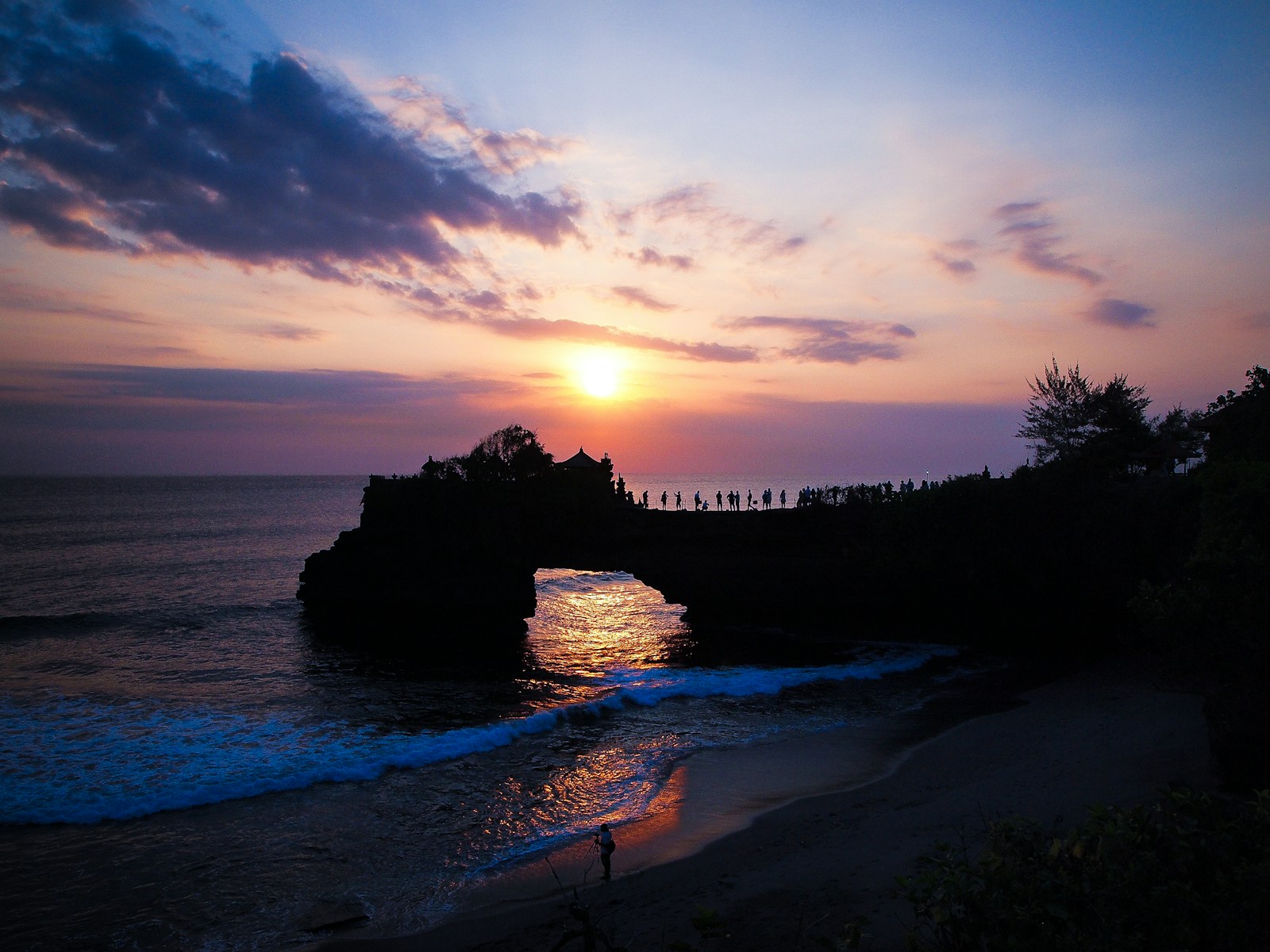
- Tanah Lot: Tourist overload, but the sunset view over the temple on the rock is genuinely impressive. Go late afternoon to avoid the worst crowds. Worth it once.
- Uluwatu Temple: Stunning clifftop location and the Kecak dance performance at sunset is memorable. Combine it with a trip to nearby beaches like Padang Padang. Worth the hype.
- Tegallalang Rice Terraces: Very busy, but still beautiful. Go early morning or late afternoon. Skip the swing if you don’t want to queue.
- Ubud Monkey Forest: Fun for an hour. Keep your belongings secure and don’t eat near the monkeys. Not essential, but a good break.
- Mount Batur Sunrise Trek: Hard work but rewarding. Book a guide for safety. The view at sunrise is incredible. Worth it if you’re fit and don’t mind an early start.
- Waterfalls (Tegenungan, Kanto Lampo): Many are overcrowded. For a quieter experience, drive to the less-visited ones in the north like Sekumpul. That’s where you’ll find the real beauty.
- Hidden beaches: Green Bowl or Gunung Payung offer calm, clean water and few people. Much better than the main beaches in Kuta.
For day trips, hiring a driver is the easiest way to cover ground. It saves negotiating taxis and lets you stop wherever you want.
How to Get Around Bali: Transportation Options Compared
Getting around is the biggest practical challenge for visitors. Here’s what works:
- Private driver: The most recommended option for groups or couples. Expect $35-$50 per day for a full day (8-10 hours). Drivers are reliable, know the roads, and can double as a guide. Use a pre-booked service or your hotel to find a trusted driver.
- Scooter rental: Cheap ($5-$8/day) but risky if you’re not experienced with chaotic traffic, narrow roads, and unpredictable drivers. Accidents are common. Only rent if you have a valid international driving permit and feel confident.
- Taxis/ride-hailing: Grab and Gojek work well in towns and near tourist areas. They’re cheaper than street taxis. But for longer trips or rural areas, availability drops and surge pricing kicks in.
- Self-drive car rental: Not recommended. Traffic is dense, local driving culture is aggressive, and parking is scarce. The stress outweighs the freedom.
- Shuttle buses: Limited routes and schedules. Works for direct transfers between main areas (e.g., Seminyak to Ubud) but not for daily exploring.
For multi-day trips, booking a driver for the entire time is often cheaper and much less hassle than arranging separate rides. Negotiate the rate upfront.
Bali Travel Guide Itinerary: 7-Day Sample Route
This itinerary balances culture, beach time, and relaxation. It avoids excessive driving and focuses on practical logistics.
Day 1: Arrive in Seminyak/Canggu
Check into your accommodation. If you arrive early, spend the afternoon at the beach or explore a local cafe. Have dinner at a casual seafood restaurant in Seminyak. Skip any major sightseeing todayâyou’ll be tired.
Day 2: Beach Day + Sunset at Tanah Lot
Morning at Canggu beach (surf if you want). Lunch at a warung. Afternoon rest. Late afternoon, drive to Tanah Lot for sunset (30-40 minutes drive). Dinner near the temple or back in Seminyak.
Day 3: Transfer to Ubud (1-1.5 hours)
Check out after breakfast and head to Ubud. Drop luggage. Spend the afternoon exploring Ubud Market (for souvenirs) and the Monkey Forest. Evening: dinner at a restaurant overlooking the rice fields.
Day 4: Ubud Culture Day
Early morning visit to Tegallalang Rice Terraces (20 minutes from Ubud). Then visit Tirta Empul Temple (water temple). Lunch in Ubud. Afternoon: a massage or a yoga class. Evening: catch a traditional dance performance at Ubud Palace.
Day 5: Transfer to Uluwatu (1.5-2 hours)
Check out and drive south to Uluwatu. Check into your hotel. Spend the afternoon at Padang Padang or Bingin beach. Sunset: visit Uluwatu Temple for the view and the Kecak dance.
Day 6: Snorkeling or Beach Day
Option A: Book a snorkeling trip to Nusa Penida or just to the nearby reef at Blue Lagoon. Option B: Relax at a beach club in Uluwatu or Seminyak. Evening: dinner at a clifftop restaurant.
Day 7: Departure
Enjoy a final breakfast. If your flight is later, fit in a last swim or a quick surf session. Head to the airport (allow 1-1.5 hours from Uluwatu, more from Seminyak).
Cost estimate: For one person, budget $800-$1200 for 7 days including mid-range accommodation, food, transport, and activities. Luxury travelers will spend $1500+.
Bali Travel Costs: How Much Should You Budget?
Here’s a realistic daily breakdown for one person:
- Budget traveler ($30-$50/day): Hostel dorm or budget homestay, warung meals, local transport, and free activities.
- Mid-range ($70-$120/day): Private room in a nice guesthouse, a few sit-down restaurant meals, a massage, and a private driver for day trips.
- Luxury ($150+/day): Boutique hotel or villa, fine dining, spa treatments, and all private transport.
Real examples: a meal at a local warung costs $2-$4, a mid-range restaurant dinner $8-$15, a 1-hour massage $6-$12, a 1-day private driver $35-$50. Currency is Indonesian Rupiah (IDR). ATMs are common, but carry some cash for small shops and warungs. Credit cards are accepted in major hotels and restaurants, but not everywhere.
Common Mistakes First-Time Bali Travelers Make
Save yourself the hassle by avoiding these:
- Trying to see too much â traffic can turn a 20km drive into two hours. Stick to one area per day plus one highlight. Don’t plan a full day of hopping between three temples.
- Only staying in one area â Bali is diverse. Splitting your stay between two or three bases gives a better experience.
- Not booking airport pickup â taxis at the airport overcharge. Pre-book a transfer through your hotel or a service like Klook. It’s cheaper and less stressful.
- Forgetting cash â many warungs, markets, and small shops don’t accept cards. Carry enough IDR for the day.
- Ignoring mosquito repellent and sunscreen â mosquito-borne illnesses are real, and the sun is intense. Travelers dealing with these conditions may find a reliable insect repellent for travel and a high-SPF reef-safe sunscreen helpful. Reapply often.
Packing Essentials for Bali
Pack light, but bring these key items:
- Lightweight clothing â natural fabrics like cotton. A thin long-sleeve shirt for temple visits or evenings.
- Rain jacket or compact umbrella â essential if visiting in the wet season.
- Reef-safe sunscreen â many local sunscreens are harsh on corals.
- Mosquito repellent â 30% DEET for best protection.
- Power bank â long drives and power outages are common. A portable power bank for travel can help keep devices charged on busy days.
- Universal adapter â Bali uses the two-round-pin plug (Type C/F), same as most of Europe.
- Travel scarf or sarong â required for temple visits.
Optional but useful: a GoPro for waterfalls and snorkeling, a dry bag for island trips, and a small daypack for hikes.

Final Practical Tips for a Stress-Free Bali Trip
Get a local SIM card at the airport. Telkomsel has the best coverage. Download offline maps on Google Maps before you arriveâdata can be spotty in rural areas. Use ride-hailing apps (Grab or Gojek) in towns for short trips. Never drink tap water. Carry small bills ($1-5 equivalent) for tips and market stalls. And if you want personalized help booking accommodation, tours, or transfersâjust ask. Ready to go? Book your trip with confidence, knowing you have a solid plan in place.