Thailand Travel Guide: Islands, Temples, and Street Food
Introduction
This Thailand travel guide is designed to help you plan a trip that actually works. Not a highlight reel, and not a list of every possible activity. Instead, itâs a practical breakdown of the best islands, the temples worth your time, and the street food you should prioritize. Whether it’s your first time in Southeast Asia or you’ve been a few times before, the aim is the same: help you avoid common mistakes, save money where it counts, and spend your time on what’s genuinely worth it.
Thailand is a destination where the difference between an average trip and an excellent one often comes down to logistics. The islands each have their own character, temples vary wildly in significance, and the street food scene rewards those who know what to look for. This guide draws from real experience across multiple regions, offering straightforward advice on what works and what doesn’t. No filler, just practical planning.

When to Visit Thailand: A Season-by-Season Breakdown
Thailand has three seasons, but they don’t affect every region the same way. Understanding this early in your planning can save you from arriving on an island that’s essentially closed for the season.
Cool Season (November to February)
This is the most popular time to visit. Temperatures are comfortable, humidity is lower, and rainfall is minimal across most of the country. Itâs the prime window for northern destinations like Chiang Mai and Chiang Rai, as well as the Andaman coast islands (Phuket, Koh Phi Phi, Koh Lanta). The downside is obvious: higher prices and bigger crowds. If you’re flexible, traveling just before or after peak months offers similar weather with fewer people.
Hot Season (March to May)
Temperatures climb, especially in the north and central regions. Bangkok and Chiang Mai can feel oppressive during midday. This period also includes Songkran (Thai New Year) in April, so if you want to experience the world’s biggest water fight, this is when to go. The Gulf of Thailand islands (Koh Samui, Koh Phangan, Koh Tao) tend to have decent weather during this season, even as the Andaman side starts to get rougher.
Rainy Season (June to October)
“Rainy season” sounds worse than it is. It usually means a few hours of heavy rain in the afternoon, not constant downpours. The Gulf islands actually see their best weather from June to August. The Andaman coast gets hit harder, with Koh Phi Phi and Koh Lanta experiencing rougher seas and more closures. If you’re on a budget, this is the time for dealsâjust be strategic about which coast you pick.
Getting Around Thailand: Transportation Options and What to Expect
Thailand has a surprisingly robust transportation network, but knowing which option fits your route makes a big difference.
Domestic Flights
For covering long distances, flying is the way to go. Routes like Bangkok to Chiang Mai, Bangkok to Phuket, or Chiang Mai to Krabi are well-served by budget carriers such as Air Asia, Nok Air, and Thai Lion Air. Booking two to three weeks ahead gets you the best prices, as last-minute domestic flights can cost three times as much. Regional airports in places like Krabi, Surat Thani, and Udon Thani are small and easy to navigate.
Trains
The State Railway of Thailand isn’t fast, but it offers a genuinely good experience on certain routes. The overnight sleeper train from Bangkok to Chiang Mai is a classic: you get a bed, a meal, and you arrive in the morning without wasting a day. Second-class air-conditioned sleepers are comfortable enough for most. Just book earlyâthese sell out fast during tourist season.
Buses and Minivans
Buses are the budget backbone of Thailand. Government-run buses are reliable and cheap. Private minivans are faster but more cramped and sometimes driven recklessly. For travel between major cities, stick with the official bus terminals. Avoid booking bus tickets through random travel agencies on Khao San Road in Bangkokâthey tend to overcharge and may switch your service without notice.
Ferries
Ferry connections between islands are frequent but weather-dependent. During the rainy season, some routes get canceled or delayed, so always check the marine forecast if you’re traveling between June and October. The Seatran and Lomprayah ferry companies are the most reliable for the Gulf islands. For the Andaman coast, book through your hotel or a reputable tour operator to avoid the touts at the pier.
Tuk-Tuks and Taxis
Tuk-tuks are iconic but not always the best value. For short trips in Bangkok, the BTS Skytrain is faster and cheaper. If you do take a taxi, insist on the meter. For tuk-tuks, agree on a price before getting in. In Chiang Mai, the red songthaews act like shared taxisâjust wave one down, tell them where you’re going, and pay the standard fare rather than the inflated tourist price.
Top Islands in Thailand: Choosing the Right One for Your Trip
Every island in Thailand has its own personality. Picking the wrong one for your travel style can turn a good trip into a frustrating one.
Phuket
Best for: First-timers who want infrastructure, nightlife, and easy access to other islands.
Phuket is the biggest and most developed island. You have a full international airport, hundreds of hotels, and endless tour options. However, it’s also crowded, commercialized, and traffic on the main road can be brutal. If you want nightlife and don’t mind the chaos, Patong Beach delivers. If you prefer quieter beaches, stay on the southern end near Kata or Karon.
Koh Samui
Best for: Couples, families, and those seeking a resort experience with good food.
Koh Samui offers a bit of everythingânice beaches, solid nightlife in Chaweng, and enough activities to keep you busy for a week. It’s also the easiest Gulf island to reach, with direct flights from Bangkok and several international cities. Prices are higher than other Gulf islands, but the convenience is worth it for shorter trips.
Koh Phi Phi
Best for: Party travelers and those who want stunning scenery, but not peace and quiet.
Koh Phi Phi is the poster child for Thai island beauty, with incredible limestone cliffs and turquoise water. However, the main village is packed, loud, and expensive. If you’re looking for a quiet escape, this isn’t it. If you want to party and don’t mind crowds, you’ll love it.
Koh Lanta
Best for: Families, slow travelers, and those who want to decompress.
Koh Lanta is laid-back. The beaches are long, the water is calm, and there’s no real nightlife. It’s a good base for exploring the Andaman coast at a slower pace. Renting a scooter is the best way to get around. The island is long and narrow, so you can find affordable accommodation on the southern end without sacrificing beach access.
Koh Tao
Best for: Divers and budget travelers.
Koh Tao is the dive capital of Thailand. The island is small, the beaches are decent, and the cost of living is lower than on the bigger islands. If you’re getting PADI certified, this is the most affordable place in Thailand to do it. Non-divers might find it limited after a few days, but the snorkeling is excellent.
Koh Phangan
Best for: Full Moon Party attendees and those who want a mix of wild nights and quiet coves.
Everyone knows about the Full Moon Party, but the rest of the island is surprisingly quiet. The Srithanu area on the north coast has a strong yoga and wellness scene, while the west coast beaches like Haad Yao are calm and beautiful. Just avoid the main party beach during the full moon if you want to sleep.
Must-See Temples in Thailand: A Practical Guide
Temple visits are a must on a Thailand trip, but some deserve more time than others. Knowing how to visit makes the experience better. Travelers who want to stay comfortable while exploring temple grounds may find a lightweight travel sarong useful for easily covering up when needed.
Bangkok
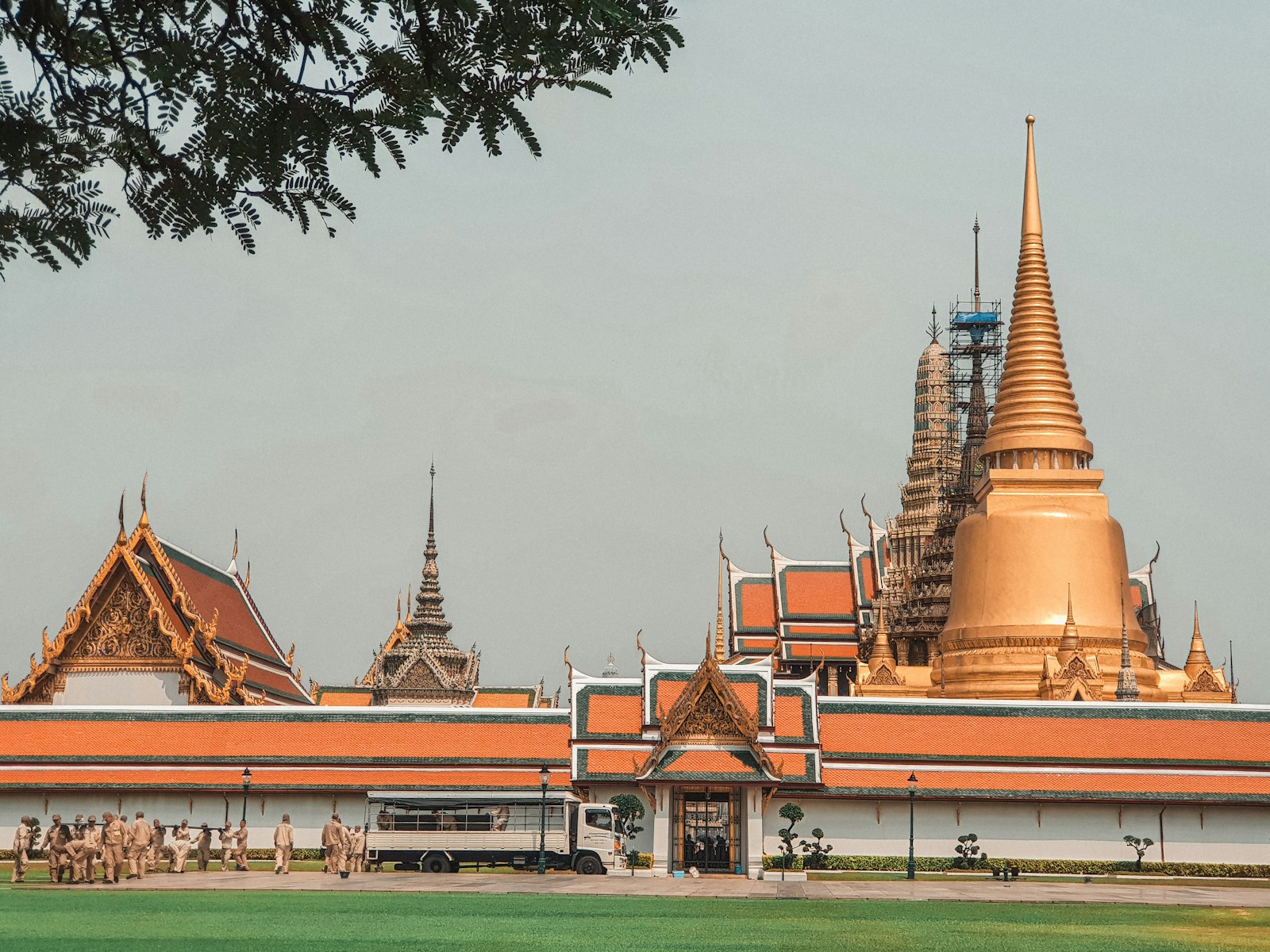
Wat Phra Kaew and the Grand Palace are the most famous, but they’re also the most crowded. Go earlyâbefore 9 AMâto avoid the tour bus waves. The dress code is strictly enforced: covered shoulders and knees, so women should carry a scarf to cover up. The entrance fee is 500 baht, steep compared to other temples, but the craftsmanship is unmatched.
Wat Pho is right next door and often more interesting for most people. The reclining Buddha is massive, and the temple complex is full of detail. Entrance is 300 baht, and it’s generally less crowded than the Grand Palace. Wat Arun is across the river and best visited in the late afternoon for the light.
Chiang Mai
Wat Phra Singh is the most revered temple in Chiang Mai. It’s located in the old city and easy to combine with a walk around the moat. Entrance is free for foreigners visiting the main temple building. Wat Chedi Luang is partially ruined but imposing. It’s one of the oldest temples in the city and worth a visit just to see the scale of the original structure. Wat Doi Suthep sits on a mountain and requires a songthaew ride or a strenuous hike up the 306 stepsâthe viewpoint from the top is excellent.
Chiang Rai
The White Temple (Wat Rong Khun) isn’t a historical temple. It was built in the late 1990s by a Thai artist and is more of an art installation than a religious site, but it’s undeniably impressive. Go early to beat the crowds. The Blue Temple (Wat Rong Suea Ten) is newer, smaller, and often overlooked, but it’s worth a quick stop if you’re already in Chiang Rai.
A note on temple fatigue
You will get tired of temples. It happens. Don’t try to visit more than two or three in a single day. Pick the ones that genuinely interest you and skip the rest. No one leaves Thailand feeling like they missed out by not seeing every single wat.
Street Food in Thailand: Essential Dishes and Where to Find Them
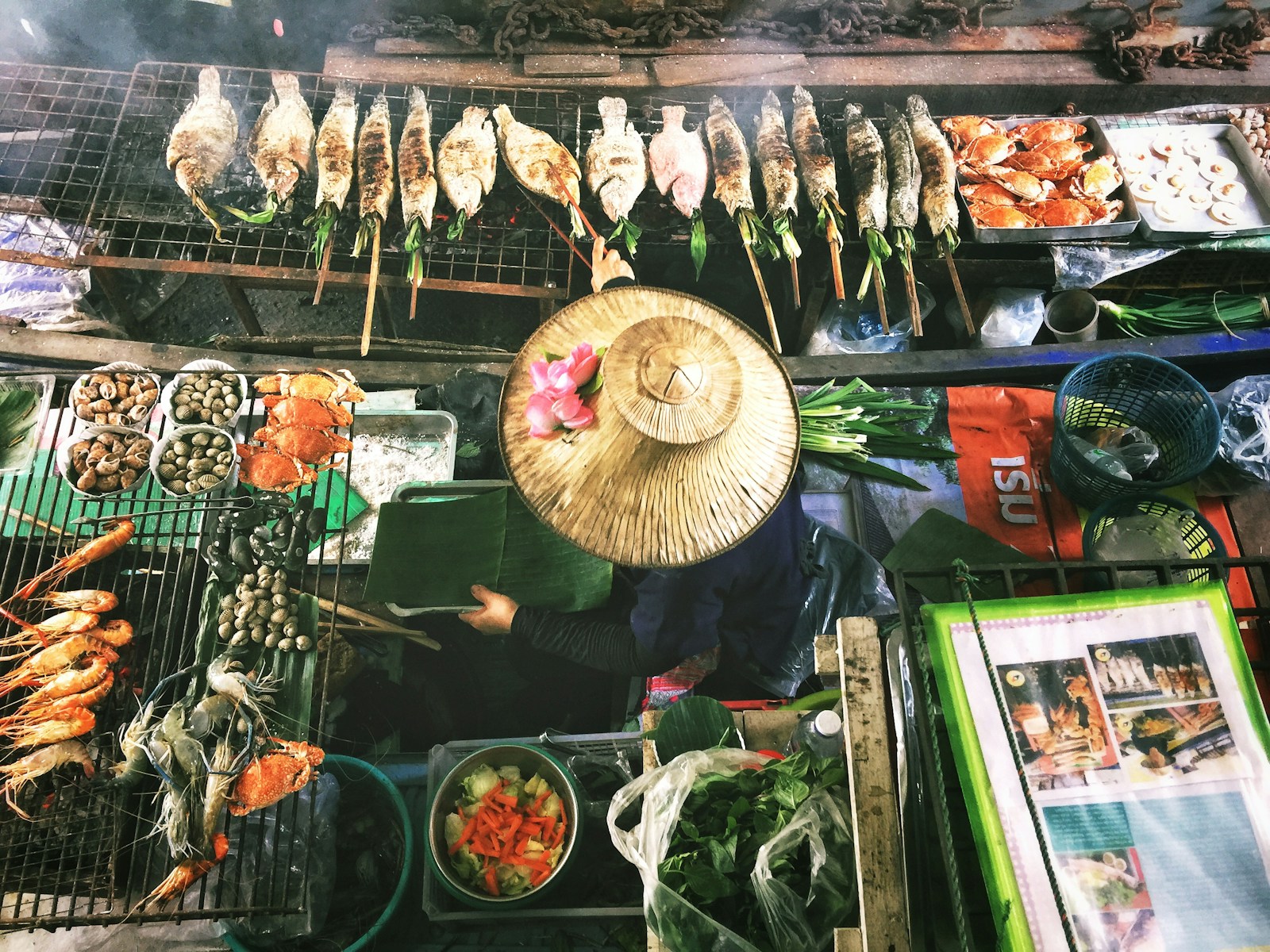
Thai street food isn’t a noveltyâit’s how most locals eat. The quality is often better than what you get in sit-down restaurants, especially if you know what to look for.
Essential Dishes by Region
Pad Thai is a standard for a reason, but it’s rarely the best thing on a menu. Look for vendors who make it fresh with tamarind sauce, not ketchup. Tom Yum Goong is the hot and sour soup that sets the baseline for Thai cookingâthe broth should be clear, the shrimp fresh, and the heat from fresh chilies. Som Tum (green papaya salad) is a northern and northeastern specialty; get it with salted crab if you’re adventurous, or just the basic version with peanuts. Khao Soi is a northern curry noodle soup that’s rich, creamy, and addictiveâChiang Mai is the best place to find it. Mango Sticky Rice is the classic dessert; look for stalls that use fresh coconut cream and ripe mangoes.
Choosing a Good Vendor
The golden rule: follow the locals. A busy stall with a line of Thai customers is almost always a safe bet, as high turnover means fresh ingredients. If a stall looks empty, keep walking. Food sitting under heat lamps is rarely worth it. Night markets in Chiang Mai, the Yaowarat Road area in Bangkok’s Chinatown, and the street food lanes around Khao San Road are solid starting points.
Safety Tips
Thai street food is generally safe. The real risk comes from water and ice, so stick to bottled water and avoid ice from unknown sources. A simple way to reduce plastic waste is to carry a reusable insulated water bottle and refill it at filtered stations. Raw items like papaya salad can be spicy but are usually fine. If you have a sensitive stomach, start with cooked dishes and work your way up, and consider taking probiotics before and during your trip.
Tourist Traps
Avoid “street food” tours that charge fifty dollars for a walk through a marketâyou can do the same yourself for a fraction of the cost. Also skip the banana pancake stalls on Khao San Road. They’re not Thai food; they’re designed for tourists who want something familiar. For real Thai food, just walk one block away from the main tourist drags.
Common Mistakes First-Time Visitors Make (and How to Avoid Them)
These mistakes come up time and again with first-timers. Avoiding them saves you time, money, and frustration.
1. Overpacking
Thailand is hot. You don’t need multiple pairs of jeans or heavy jackets. Bring lightweight shirts, a couple of shorts, swimwear, and one modest outfit for temples. Laundry is cheap and available everywhere. Pack light and buy what you need locally.
2. Not booking internal flights early
Domestic flights fill up quickly, especially during high season. Waiting until the last week can triple your cost. Book at least two weeks out.
3. Skipping travel insurance
Medical costs in Thailand are reasonable, but an accident or serious illness can still run up a significant bill without insurance. A basic policy costs less than a decent meal in Bangkok. Don’t skip it.
4. Trying to see too much
Thailand is bigger than it looks on a map. Trying to hit Bangkok, Chiang Mai, Phuket, Koh Samui, and Krabi in ten days is a recipe for burnout. Pick two or three places and stay long enough to actually experience them.
5. Overpacking itineraries
You don’t need to schedule every hour. Leave room for spontaneous street food discoveries, lazy beach afternoons, and the inevitable delays. A flexible itinerary beats a rigid one every time.
6. Ignoring visa rules
Most nationalities get a 30-day visa exemption when arriving by air and 15 days by land. If you’re staying longer, apply for a visa in advance. Check the rules for your country before you leave.
7. Falling for common scams
The gem scam, the tuk-tuk tour scam, the “this temple is closed” scamâthey’re all variations of the same trick. Don’t trust strangers who approach you offering unsolicited help. Use official taxi stands and avoid anyone who claims a popular attraction is closed.
Accommodation Strategies: Where to Stay and How to Save
Where you stay shapes your trip more than almost any other decision. The right choice depends on your priorities, not just your budget.
Types of Accommodation
Hostels in Thailand are good. Dorm beds in places like Chiang Mai or Bangkok cost as little as 300 baht a night and often include breakfast and Wi-Fi. Guesthouses offer a middle groundâprivate rooms with shared bathrooms, usually between 500 and 1,000 baht. Mid-range hotels range from 1,500 to 3,000 baht and often include pools, breakfast, and air conditioning. Luxury resorts start at 4,000 baht and go up from there. For most travelers, a mid-range hotel or a well-rated guesthouse offers the best value.
Location Matters
In Bangkok, staying near a BTS or MRT station saves you time and taxi fares. The Sukhumvit area is convenient but expensive, while Khao San Road is cheap but chaotic. Choose based on your tolerance for noise and crowds. On islands, beachfront properties are more expensive but worth it if you plan to spend time on the sand. Inland rooms are cheaper but require a scooter or taxi to reach the beach.
Booking Tips
Booking in advance during high season is a must, as prices rise sharply as availability drops. For low season, you can often walk in and negotiate a better rate than what you see online. Agoda and Booking.com are the most reliable platforms for Thailand. Use the map view to confirm proximity to what you want to do. Look for properties with recent reviews that mention cleanliness, Wi-Fi reliability, and air conditioning performanceâthese details matter more than the overall rating.
Amenities to Look For
In-room safes are standard at mid-range hotels and aboveâuse them. Laundry services are cheap and fast, with most places quoting 24 hours but often delivering in 12. Wi-Fi is generally reliable in cities but spotty on some islands; check recent reviews for connectivity if you need consistent internet.
Packing Essentials for Thailand: What to Bring and What to Leave Behind
The goal of packing for Thailand is to be comfortable without overloading your bag. Here’s what actually matters.
Clothing
Lightweight cotton or linen shirts and pants. Shorts for daytime. One pair of long pants for temples and nicer dinners. Swimwear. A light jacket or hoodie for air-conditioned buses and planes. Comfortable walking sandals or sneakers. Flip-flops for the beach. A wide-brimmed hat for sun protection.
What to bring
Reusable water bottleâtap water isn’t safe to drink, but you can refill at filtered stations and hotels. Insect repellent with DEET. High-SPF sunscreen. Power bank for charging devices on the go. Modest attire for templesâa long skirt or sarong and a scarf or shawl to cover your shoulders. Small backpack for day trips. Travel adaptor for Thailand’s two-pin flat plugs (Type A and B). A compact travel power strip with USB ports is handy for charging multiple devices at once.
What to leave behind
Heavy jeans. More than two pairs of shoes. Bulky toiletries (you can buy everything locally). Expensive jewelry. A big suitcase if you can help itâa backpack is easier for navigating trains and ferries.
How to Budget for a Trip to Thailand: Daily Costs and Money-Saving Tips
Thailand is affordable by Western standards, but costs vary significantly based on your travel style.
Budget Travelers
Expect to spend 800 to 1,500 baht per day. This covers a dorm bed or basic guesthouse room, street food meals, local transport, and one paid activity. You’ll sleep modestly but eat well.
Mid-Range Travelers
Expect to spend 2,500 to 4,000 baht per day. This covers a private hotel room with air conditioning, a mix of street food and sit-down restaurants, domestic flights between cities, and a few paid activities or tours.
Luxury Travelers
Expect to spend 6,000 to 12,000 baht per day. This covers upscale resorts, fine dining, private transfers, and exclusive experiences.
Money-Saving Tips
Eat at local markets and street stalls for most mealsâyou’ll get better food and pay a fraction of restaurant prices. Use public transport in Bangkok and Chiang Mai rather than taxis. Avoid overpriced tourist zones near beaches and main attractions. Withdraw cash in larger amounts to minimize ATM fees (220 baht per transaction is standard). Notify your bank before you travel to avoid card blocks. Most establishments accept credit cards at larger places, but street food and small vendors are cash-only.
Final Tips for a Smooth Thailand Trip
The best Thailand trips come down to a few practical decisions. Book your internal flights and key accommodations in advance, especially during high season. Stay flexible on the restâweather changes, ferry schedules shift, and spontaneous opportunities emerge. Respect local customs, especially around temples and the monarchy. And prioritize quality over quantity: spending three days in one place is always better than rushing through five.
If you want personalized help planning your route, booking accommodations, or finding the right tours, reach out to Bob’s Travel Service. We handle the logistics so you can focus on actually enjoying your trip. That’s what good travel agents do.