The Ultimate Barcelona Neighborhood Guide: Where to Stay, Eat, and Explore
Introduction
Choosing the right neighborhood in Barcelona really does make or break your trip. Iâve seen too many travelers end up in a noisy, overpriced area that leaves them exhausted instead of enchanted. This barcelona travel guide neighborhoods comes from my own visits and local connections, not tourist brochures. Iâll walk you through each district honestlyâcovering vibe, noise, budget, and hidden spotsâso you can pick a base that actually works. Youâll get practical decision-making help, not fluff. After reading, youâll know which area suits your travel style, whether youâre after nightlife, culture, or quiet family time.
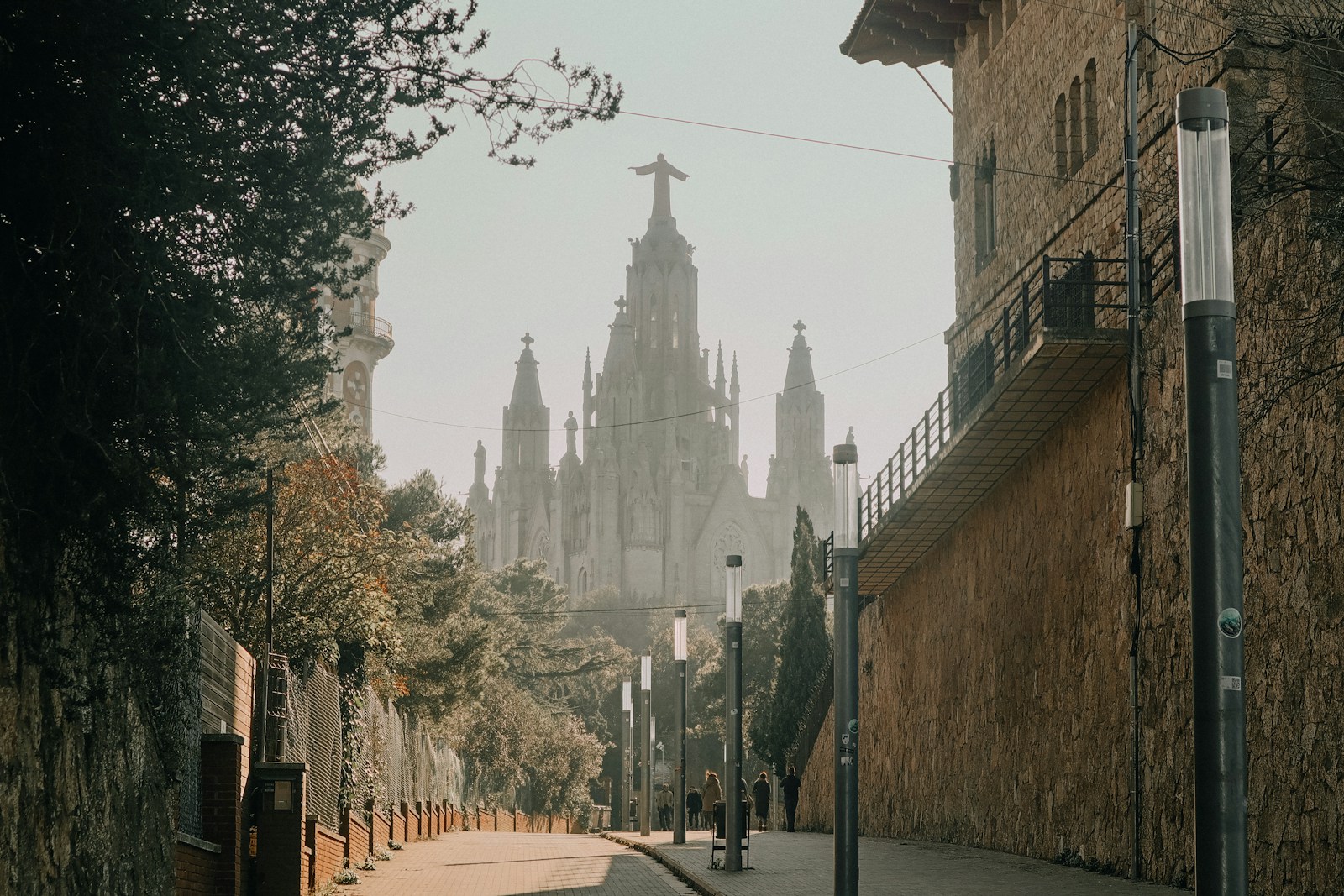
How Barcelonaâs Neighborhoods Work (And Why It Matters For Your Trip)
Barcelona is divided into distinct districts: Ciutat Vella (the old city including Gothic Quarter, El Born, El Raval), Eixample (the grid-planned expansion), Grà cia (its own former village), and further-out areas like Sants or Sarrià -Sant Gervasi. Each has a radically different feel. The metro is efficient and connects everything, so you can stay outside the tourist core and still reach the sights in 15â20 minutes. The key is understanding that your ideal neighborhood depends on your priorities. Nightlife lovers need something different from families with young kids. Budget matters tooâstaying in the heart of the Gothic Quarter costs more and offers less sleep. Letâs break down each area so you can match it to your trip.
The Gothic Quarter (Barri Gòtic): History, Hustle, and Hidden Plazas
The Gothic Quarter is Barcelonaâs historic heart, with narrow medieval streets, the Barcelona Cathedral, and Plaça Reial. You walk everywhere, stumble into history, and feel the pulse of the city. But thereâs a significant tradeoff: itâs noisy, crowded, and easy to get lost. If youâre a light sleeper, staying here can be a punishment. The streets are packed with bars, clubs, and people until 3 AM. On the positive side, youâre steps from Las Ramblas, the Boqueria Market, and most major sights. A hidden gem to seek out is Plaça de Sant Felip Neri, a quiet square with a tragic historyâyou can still see shrapnel marks from the Spanish Civil War. My recommendation: this area is best for first-time visitors who want to be in the middle of the action and donât mind noise. If you do stay, invest in comfortable walking shoes because youâll be on your feet all day. Travelers who spend a lot of time walking on cobblestones may want to consider a pair of supportive walking shoes for better comfort. A guided walking tour is also well worth the cost to understand the layers of history in the buildings and plazasâotherwise, itâs just pretty streets.
El Born: Trendy, Artsy, and More Relaxed
El Born is essentially the Gothic Quarterâs cooler, less chaotic cousin. It still has narrow streets and historic charm, but the vibe is more boutique and artistic. The main attraction here is Santa Maria del Mar, a stunning Catalan Gothic church. The Picasso Museum is also here. Avoid the main thoroughfares like Carrer de l’Argenteria, which can feel crowded with tourist-trap shops. Instead, explore the side streets like Carrer dels Flassaders for tiny cafes and wine bars. El Born is excellent for couples and culture seekers. A food tour focused on pintxos and local wines is a smart investmentâyouâll learn where locals actually eat. Youâll also appreciate a quality city map because the streets are a maze, though not as intense as in the Gothic Quarter. Staying here gives you the history but with better sleep options and more relaxed mornings.
Grà cia: The Village Vibe Youâre Actually Looking For
Grà cia is the neighborhood that makes you feel like youâve discovered a secret. It was once an independent village, and it still has that small-town feel. The main squaresâPlaça del Sol and Plaça de la Vila de Grà ciaâare filled with locals chatting and kids playing. The restaurants serve authentic Catalan food without the tourist markup. Itâs a short metro ride from the center (about 20 minutes to the Gothic Quarter), but it feels worlds away. One mistake travelers make is expecting early openingsâGrà cia wakes up late, so donât plan on a 9 AM breakfast. The area has a bohemian spirit and is perfect for digital nomads, couples, and repeat visitors. I strongly recommend Grà cia for anyone seeking an authentic, non-touristy experience. You might need a daypack for exploring the hilly streets and a local guidebook to navigate the numerous independent shops and hidden plazas.
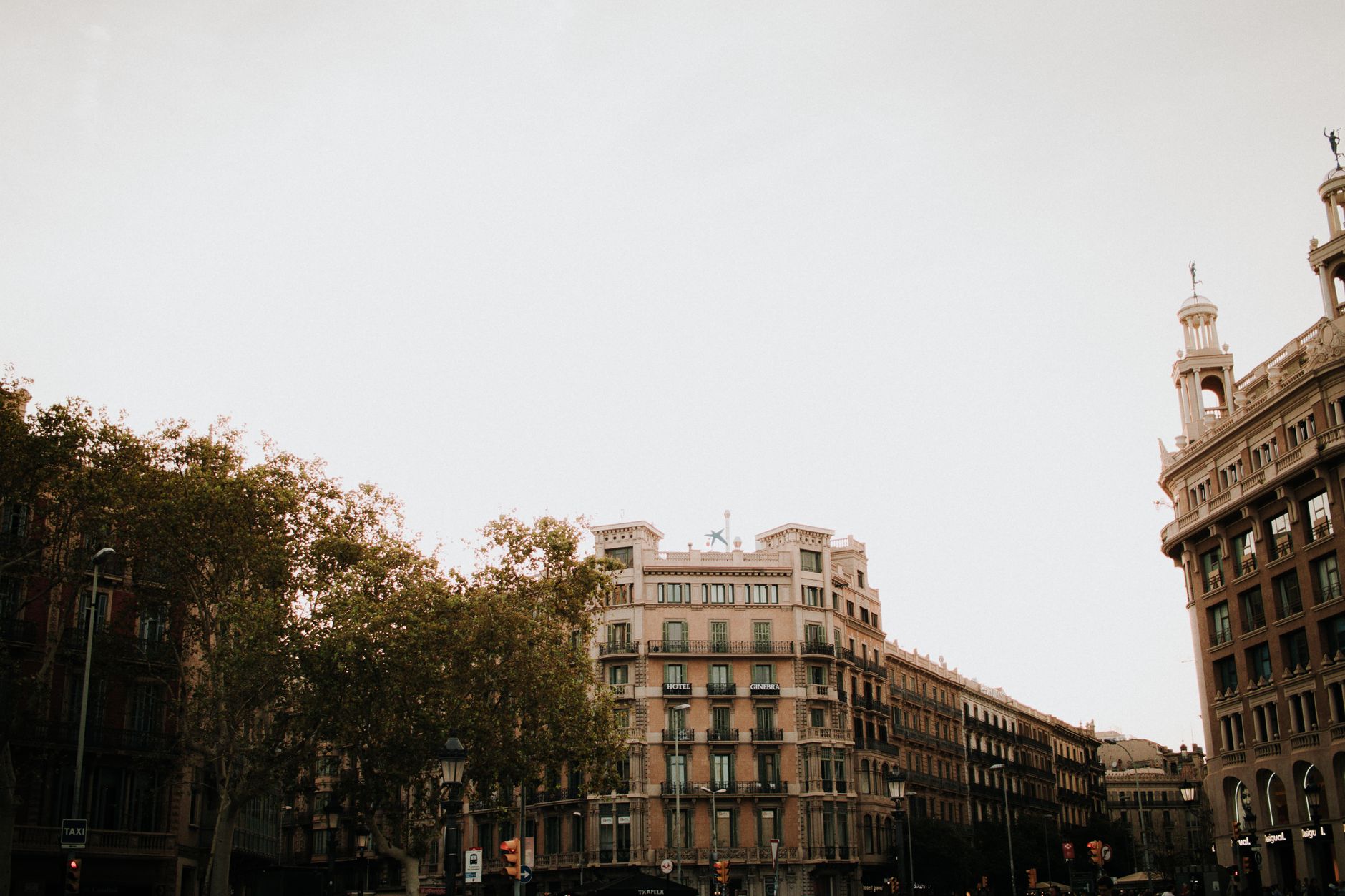
Eixample: Wide Boulevards, Modernista Gems, and Smart Logistics
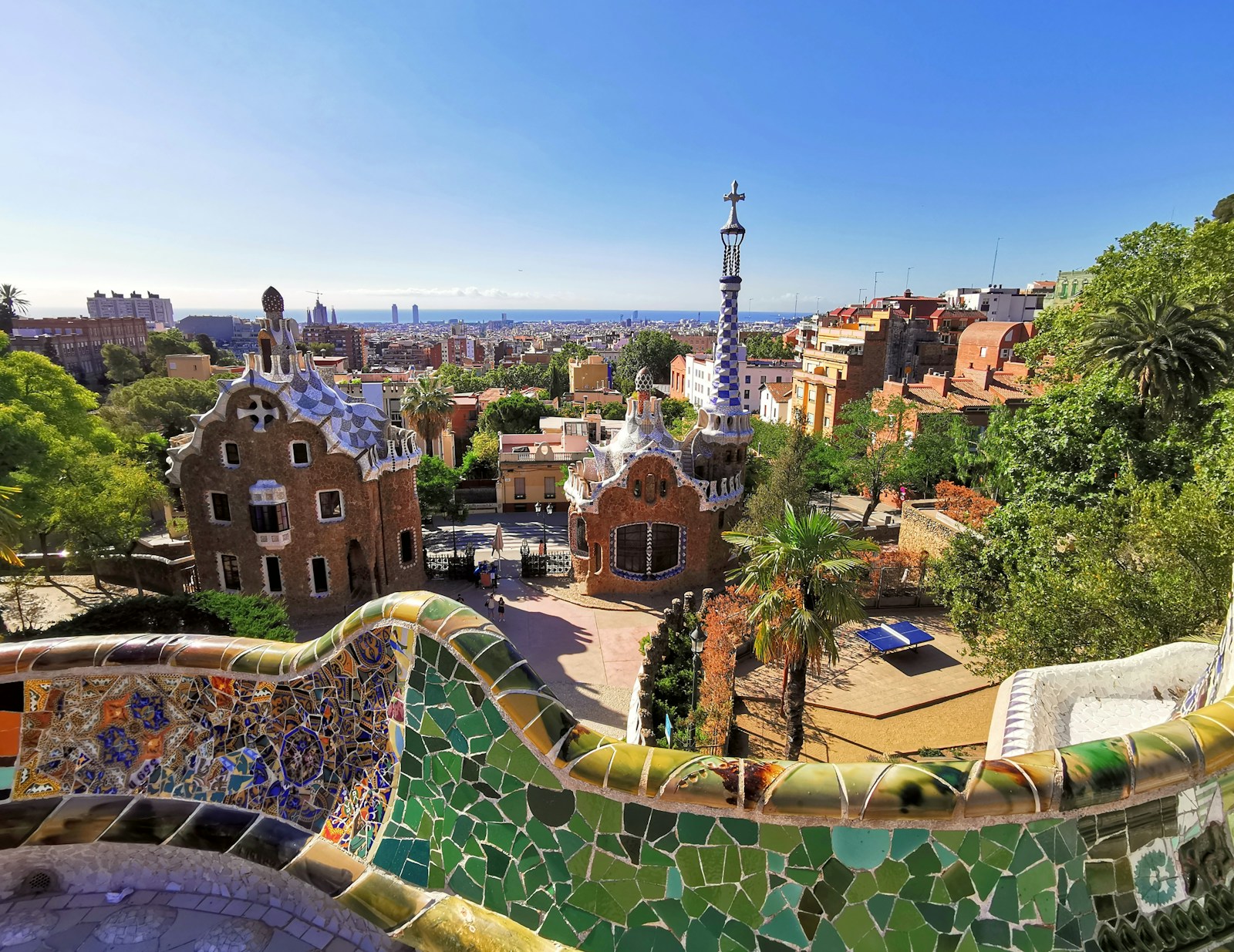
Eixample is the grid-planned district where youâll find GaudÃâs masterpieces: Sagrada FamÃlia, Casa Batlló, and La Pedrera. Itâs practical for a reasonâthe wide streets are clean, walkable, and well-lit. You can push a stroller easily, and there are playgrounds in the blocks. The metro connectivity is excellent, with multiple lines crossing the area. The tradeoff is that itâs less charming than the old city. You wonât get the same medieval atmosphere, but you get convenience. This is the best choice for families, first-timers who want easy access to the top sights, and those willing to pay a bit more for quieter hotels. I highly recommend buying skip-the-line tickets for Sagrada FamÃlia or a walking tour of Modernista architectureâotherwise, youâll waste hours queuing. Eixample is less about hidden gems and more about efficiency and comfort.
Barceloneta: Beach Life or Tourist Trap?
Barceloneta is famous for its beach and boardwalk, but itâs a mixed bag. The beach is great for lounging, and the boardwalk has a lively energy. But the restaurants on the main strip are overpriced and serve mediocre paella. The big drawback is that it gets swamped with tourists, especially on weekends. For families with young kids, the noise can be too much. If you still plan to stay or eat here, walk to the back streets near the Mercat de la Barcelonetaâthere are genuine seafood spots that locals frequent. My honest advice: Barceloneta is best for beach bums on short stays (1â2 nights). For longer trips or families, choose Eixample or Grà cia. A simple way to reduce hassle on the sand is to bring a portable beach towel and a waterproof phone pouchâboth small comforts that make a big difference.
El Raval: The Underrated, Gritty, and Culturally Rich Choice
El Raval is often misunderstood. Yes, it has a reputation for pickpocketing and seedy side streets. But it also has incredible diversity, the MACBA museum, and the Boqueria Market on its border (though the market itself is technically in the Gothic Quarter). A hidden gem here is the peaceful Sant Pau del Camp monastery, a quiet oasis away from the chaos. El Raval is best for experienced travelers who want cheap eats, street art, and a raw cultural experience. Itâs not for first-timers or safety-conscious visitors. If you choose El Raval, invest in a theft-proof backpack or a money belt. The tradeoff is that you get some of the best and most affordable food in Barcelona, alongside authentic cultural interactions.
Best Neighborhoods Compared: At a Glance
- Gothic Quarter: Vibe â Historic and vibrant. Noise â High. Walkability â Excellent. Price â High. Family-friendly â No. Best for: Party travelers, first-timers.
- El Born: Vibe â Artsy and trendy. Noise â Medium. Walkability â Excellent. Price â Medium-high. Family-friendly â Moderate. Best for: Couples, culture seekers.
- Grà cia: Vibe â Village-like and local. Noise â Low. Walkability â Medium (hilly). Price â Low-medium. Family-friendly â Yes. Best for: Digital nomads, repeat visitors.
- Eixample: Vibe â Modern and practical. Noise â Low. Walkability â Good. Price â Medium-high. Family-friendly â Yes. Best for: Families, first-timers.
- Barceloneta: Vibe â Beachy and touristy. Noise â High (summer). Walkability â Good but isolated. Price â High (for what you get). Family-friendly â No. Best for: Beach lovers on short stays.
- El Raval: Vibe â Gritty and diverse. Noise â Medium. Walkability â Excellent. Price â Low. Family-friendly â No. Best for: Budget travelers, culture enthusiasts.
This comparison should help you quickly rule out areas that donât fit your needs. Grà cia beats El Born for quiet evenings, but El Born has better nightlife. Eixample is more family-friendly than the Gothic Quarter.
Common Mistakes Tourists Make Picking a Barcelona Neighborhood
Iâve made some of these myself. First: staying in the Gothic Quarter without checking noise levels. Iâve had friends who booked a beautiful interior room, only to realize the hallway echoed nightclub music until 4 AM. Always ask about soundproofing. Second: booking a hotel on Las Ramblas because it looks central. Itâs overpriced, crowded, and often full of pickpockets. Youâre better off a block or two away. Third: choosing Barceloneta for a family trip. There are few playgrounds, and the beach is packed with loud tourists. Families should head to Eixample or Grà cia. Fourth: assuming all neighborhoods are equally safe. El Raval and some parts of the Gothic Quarter have higher crime rates. A theft-proof bag is a smart investment anywhere, but especially if you stick to the busiest areas.
Hidden Gems You Shouldnât Skip (By Neighborhood)
Let me point you to spots most tourists miss. In Grà cia, the Bunkers of Carmel (Turó de la Rovira) offer the best sunset view over the cityâitâs a hike, but worth it. In El Raval, the Palau Güell roof terrace is a hidden masterpiece of tile work. In Barceloneta, the no-frills bar Can Paixano serves the best cava and seafood tapas in the area. In El Born, head to the Hospital de la Santa Creu gardenâitâs a peaceful medieval courtyard thatâs free to enter. In the Gothic Quarter, Plaça de Sant Felip Neri is a quiet spot with a tragic story. For the Eixample area, look for the Casa de les Punxes, a lesser-known Modernista building thatâs beautiful without the crowds. Many of these require a small entry fee, so look into the Barcelona Card for discounts on combined attractions.
Where to Stay: Quick Recommendations for Every Budget
Here are specific recommendations Iâve seen work well. For couples wanting luxury in the Gothic Quarter, the Hotel Neri is beautiful but expensive. Avoid it if you are a light sleeperâthe streets are still loud at night. For solo backpackers on a budget, Hostel One Paralelo in El Raval is excellent for social atmosphere and price. For families, Hotel Sofia in Eixample is well-located with a pool and playground. For digital nomads in Grà cia, Hotel BestWestern Plus Alfa Aeropuerto is good for the area but more affordable. For beach lovers, Hotel Arts Barcelona is high-end but worth the splurge. If you want personalized help, contact Bobâs Travel Service for a custom itinerary and the best rates on hotels, tours, and flights.
Final Tips for Planning Your Barcelona Trip
Before you go, book skip-the-line tickets for Sagrada FamÃlia, Park Güell, and the Picasso Museumâyouâll save hours. Learn a few basic Catalan phrases like âbon diaâ and âgrà ciesââit will be appreciated. Try the local market for breakfast; the Boqueria is famous but there are smaller ones like Mercat de Santa Caterina that are less crowded. And never eat on Las Ramblasâwalk a block or two for better quality and price. For first-time visitors, Eixample is the safest bet: easy access, family-friendly, and close to everything. Ready to book your Barcelona adventure? Contact Bobâs Travel Service for a custom itinerary and the best rates on hotels, tours, and flights.