Buenos Aires Travel Guide: Tango, Steaks, and Street Art
Introduction
If you are planning a trip and looking for a Buenos Aires travel guide that helps you get things done, you are in the right place. Buenos Aires is massive, overwhelming, and full of hidden traps if you don’t know what you’re doing. I have visited the city multiple times and helped dozens of clients book their trips. This guide is simple: it will help you figure out where to stay, what to eat, where to watch tango, and how to see the best street art without wasting time or money. I am skipping the fluff.
Why Most Travel Guides Miss the Mark on Buenos Aires
A lot of guides romanticize Buenos Aires. They talk about the ‘passion’ of tango and the ‘soul’ of the city without covering the practical realities. You read them and think you are heading into a movie, then you arrive and realize you have no idea how to get pesos, where to eat without getting ripped off, or which neighborhoods are safe at night. Other guides hype up tourist traps: certain steak houses that are overpriced and underwhelming, tango shows that feel like production lines. They ignore logistics like cash requirements and the two-tier exchange rate system. This guide does the opposite. I will tell you what is worth your time, what is not, and how to avoid the common mistakes that frustrate first-time visitors. You will get specific neighborhood breakdowns, honest steak house reviews, tango show recommendations, and street art routes.
How to Choose the Best Neighborhood for Your Stay
Your choice of neighborhood shapes your entire trip. Buenos Aires is not a city you can casually walk across. Here are the main areas and who they are best for.
| Neighborhood | Best For | Vibe | Safety | Tango/Steaks/Street Art | Price Range (per night) |
|---|---|---|---|---|---|
| Palermo | First-timers, foodies, nightlife | Trendy, green, busy | Very safe | Excellent for steaks and street art; tango nearby | $80â$200 |
| Recoleta | Culture, architecture, quiet | Elegant, upscale | Safe | Good for tango; steaks and street art limited | $100â$250 |
| San Telmo | Street art, antiques, authentic vibe | Bohemian, gritty | Moderate (watch at night) | Best for street art; some good parrillas; tango milongas | $60â$150 |
| Puerto Madero | Modern luxury, waterfront | Polished, corporate | Very safe | Limited for street art; good steaks; tango nearby | $120â$300 |
| Monserrat | Budget travelers, history | Central, busy, older | Lower (stick to main streets) | Some street art; basic steaks; tango options | $40â$100 |
For most first-time visitors, Palermo is the best bet. It is safe, full of excellent restaurants, and has easy access to parks and street art. If you want to be near the street art scene and don’t mind a grittier feel, San Telmo is fantastic. Recoleta is great if you prefer quiet elegance and museums. For a cheap option, Monserrat puts you in the center but requires more caution. I usually book clients into Palermo or San Telmo depending on their priorities. Travelers packing for Buenos Aires might find a lightweight travel backpack useful for moving between neighborhoods and for day trips. Good places fill up fast, especially during high season, so booking early is a smart move.
Where to Eat Steak: The Good, the Bad, and the Touristy
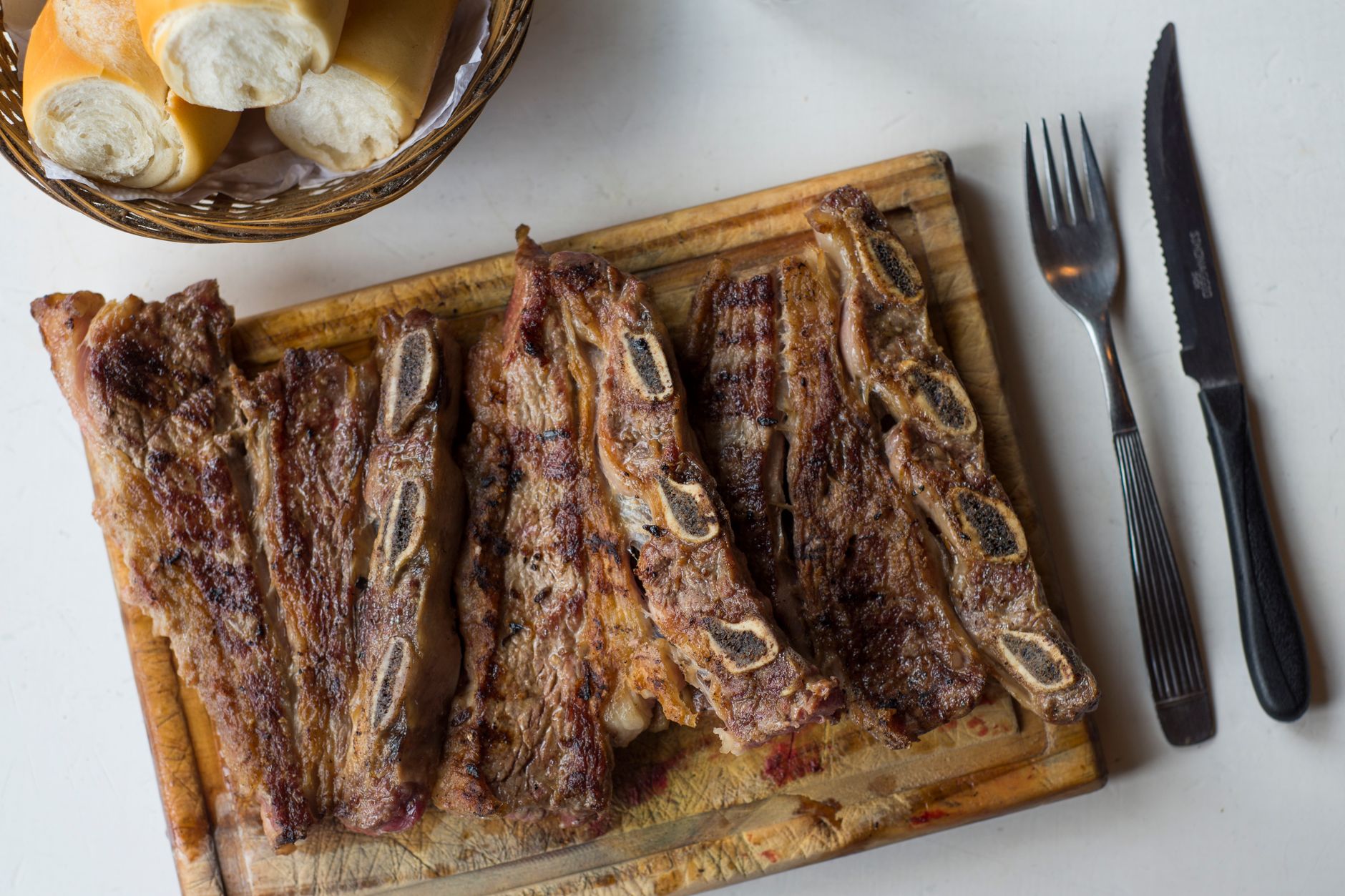
Steak in Buenos Aires is a religion, but not every parrilla deserves your money. Here is a breakdown of what to expect.
Classic High-End: Don Julio in Palermo is the gold standard. It has a Michelin star, but it is not stuffy. You need a reservation at least a month in advance. Expect to pay around $50â$70 per person with wine. Order the bife de chorizo and the provoleta. It is worth every peso.
Solid Mid-Range: La Cabrera in Palermo is a solid choice. It is touristy but the portions are huge and the quality is good. Expect a wait without a reservation. Pricing is around $30â$40 per person. Another option is El Pobre Luis in San Telmo â less famous but excellent value at $20â$30 per person.
Overhyped Spots to Skip: Some places like Cabaña Las Lilas in Puerto Madero are overpriced and cater almost exclusively to tourists. The meat is fine but you can get better for half the price elsewhere. Avoid any parrilla that has someone out front aggressively beckoning you in.
Practical tips: Argentines eat steak late, often after 9 PM. If you go at 7 PM, you will have the place to yourself but the vibe is different. Order your steak ‘jugoso’ (rare) or ‘a punto’ (medium). Pair it with a Malbec from Mendoza. If you want to bring something home, a good steak knife set or a spice blend from a local market makes a great gift.
Tango Shows: What to Expect and Which Ones Are Worth It
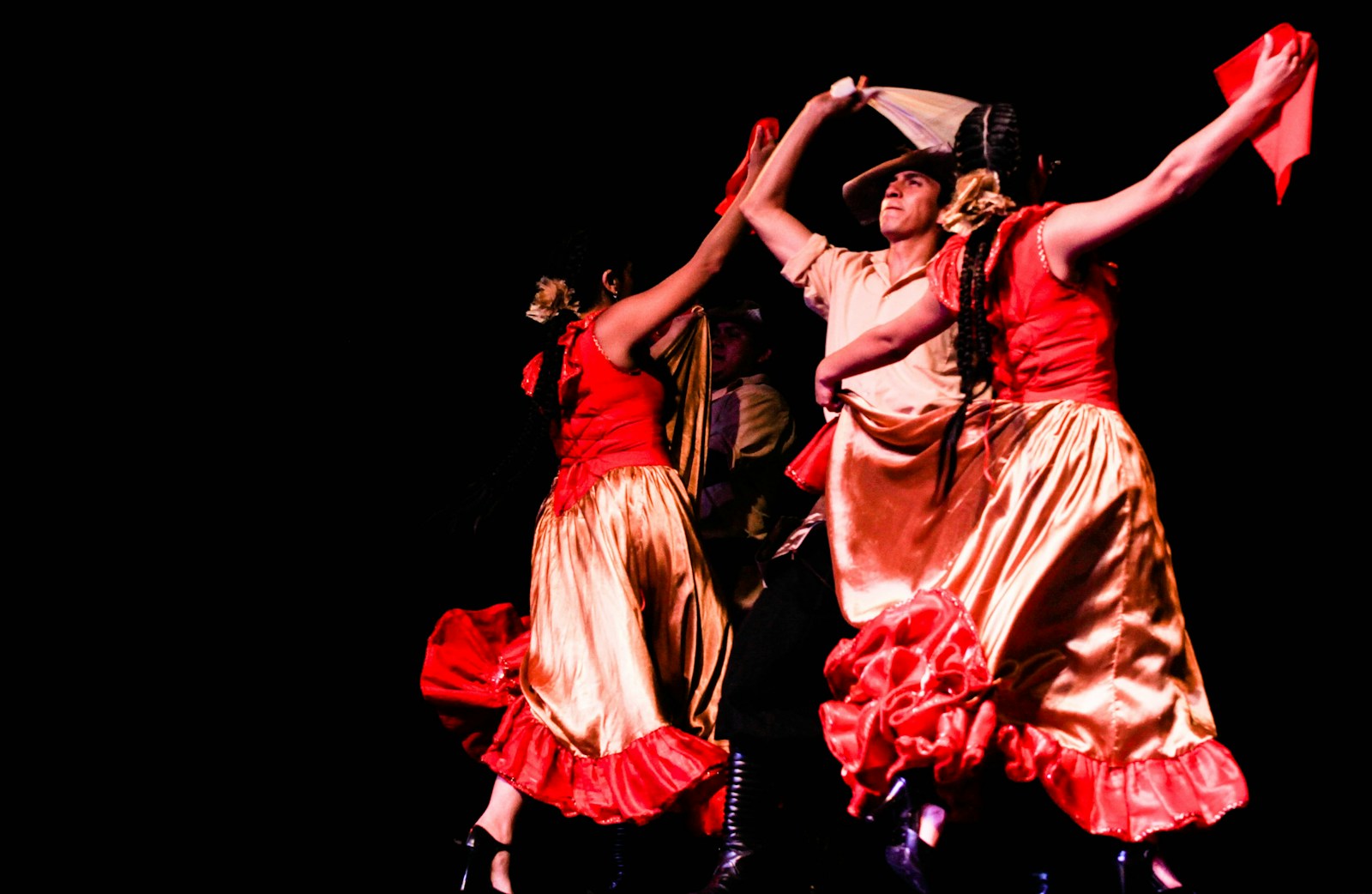
Tango shows come in two flavors: formal dinner shows and casual milongas. Both have their place depending on what you want.
Formal Dinner Shows: These are polished productions with dinner, drinks, and a performance. They are touristy but convenient. Café Tortoni is a classic choice â it is small, historic, and reasonably priced at around $40â$50 including a drink. La Ventana is bigger and flashier with a full dinner and show for $70â$90. They usually include hotel pickup and drop-off. If you plan to attend multiple shows, a lightweight daypack is handy for carrying a camera or jacket. Booking in advance helps secure a good seat and avoids last-minute upselling.
Casual Milongas: For a more authentic experience, head to a milonga where locals dance. Salon Canning in Palermo is a famous one. Entry is cheap (around $5â$10) and you watch real dancers, not performers. You can also take a beginner class beforehand at many milongas. This is not for everyone, but if you want to see tango as a living tradition rather than a show, it is the way to go.
Warning: avoid shows that promise ‘VIP’ treatment or charge exorbitant prices for a basic experience. Stick to well-reviewed venues and check recent feedback. Most dinner shows include transport, so you don’t need to worry about getting home.
Street Art in Buenos Aires: Where to Find the Best Murals
Buenos Aires is a street art capital. The two main areas to focus on are San Telmo and La Boca.
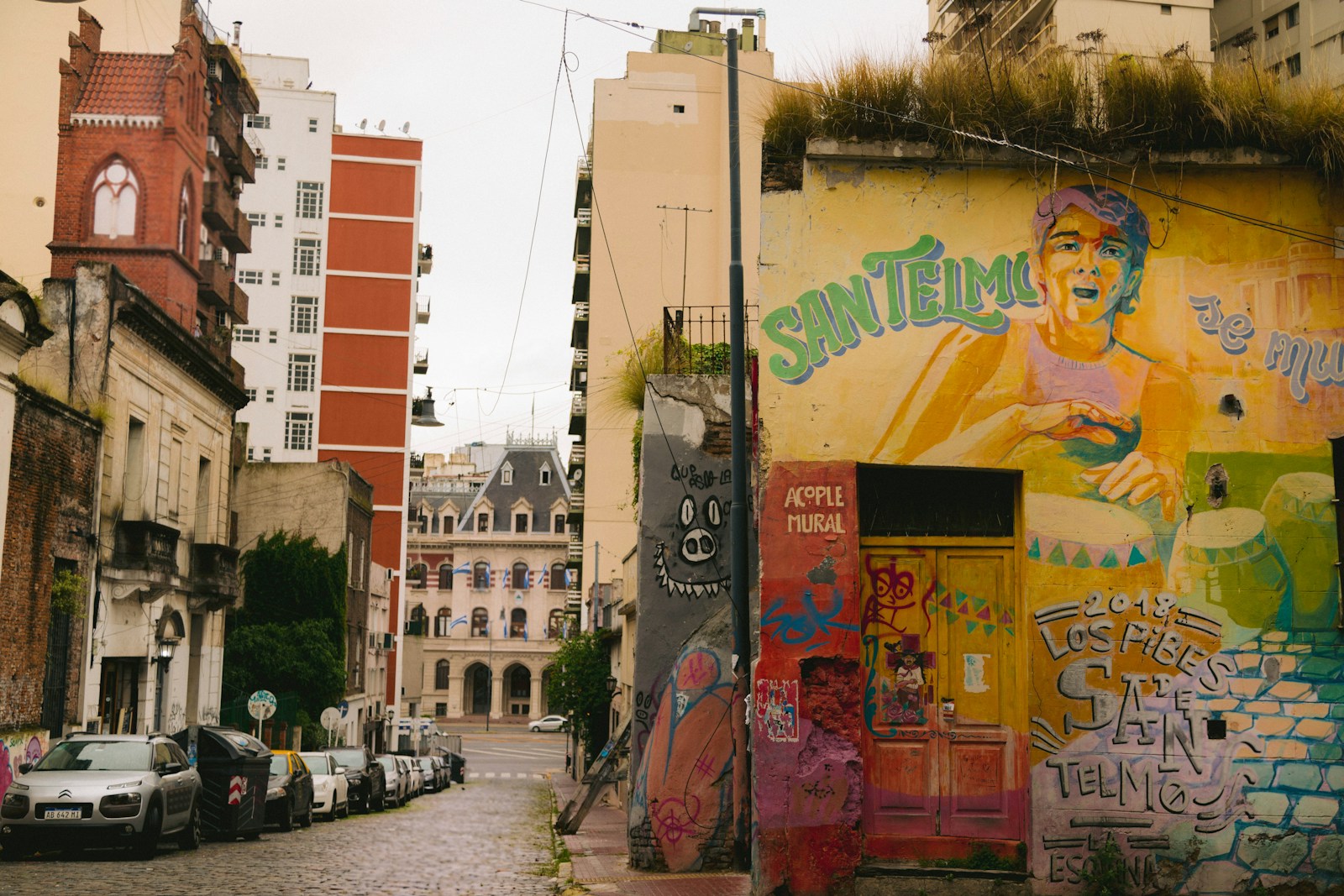
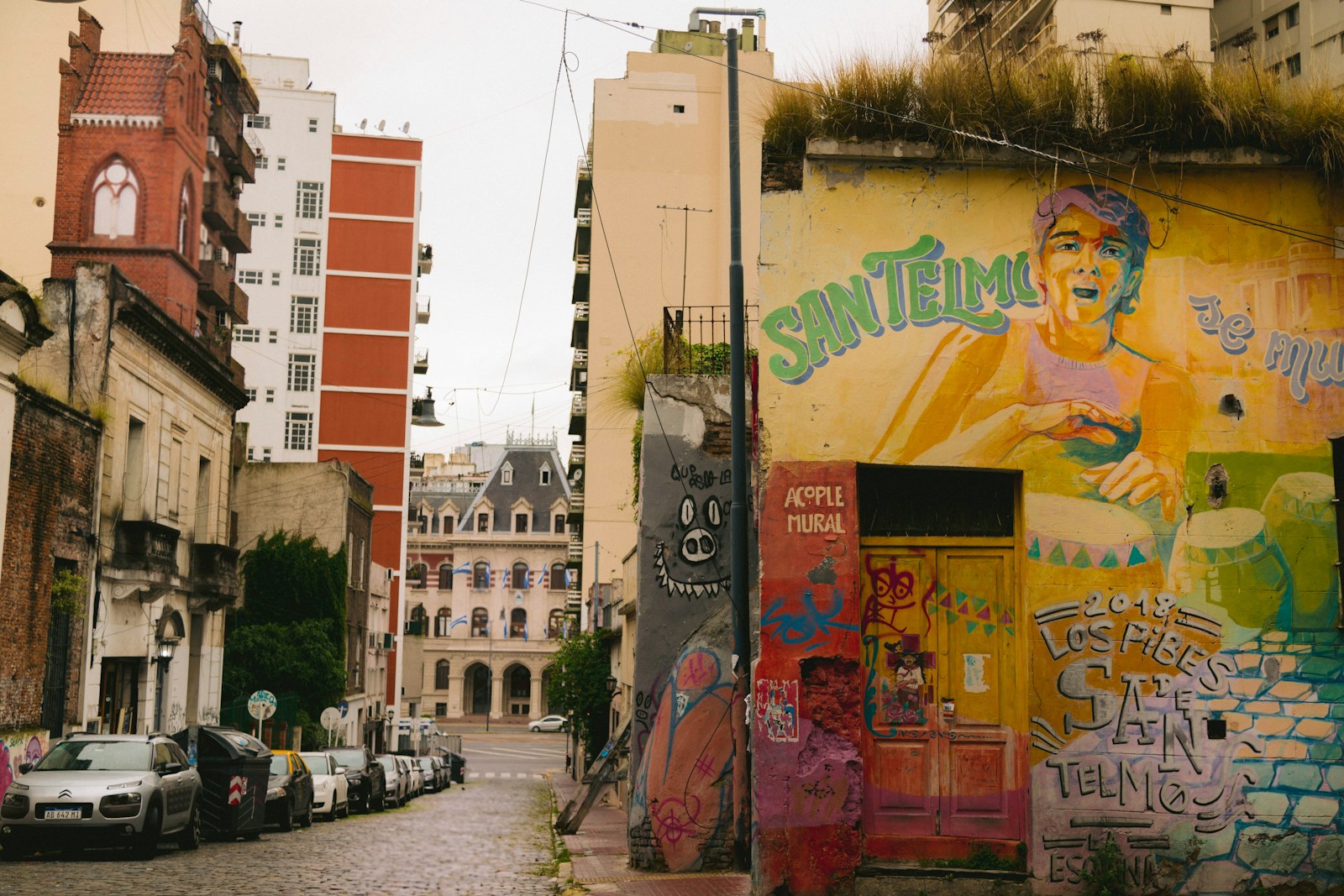
San Telmo: This is the best area for a street art walk. Start at Plaza Dorrego and head south along Defensa Street. You will see murals on almost every corner. The art here is curated through the Buenos Aires Street Art tour program, so the quality is high. Allow about an hour for a walk. It is safe during the day, but stick to main streets.
La Boca: Caminito is the famous colorful street, but it is small and very touristy. The real street art is on the side streets around it. Be cautious here â La Boca is not safe at night and even during the day, stay within the tourist zone. Do not wander into side streets alone. A graffiti tour can help you see the best murals safely. Travelers who enjoy photography might find a compact travel camera useful for capturing the murals.
Recommended route: Start at Plaza Dorrego in San Telmo, walk down Defensa, then take a bus or taxi to La Boca for the Caminito area. Total time: about 2â3 hours including travel.
Key Logistics You Cannot Afford to Overlook
These are the things that trip up first-time visitors.
- Getting Pesos: Do not exchange at the airport. The official rate is bad. Use the ‘blue dollar’ rate by exchanging cash USD at cuevas (exchange houses) or using Western Union. You will get roughly double the official rate. I recommend using Western Union online and picking up pesos at a local branch.
- SIM Cards and eSIMs: Get an eSIM before you arrive so you have data immediately. Alternatively, buy a local SIM at a Claro or Movistar store in the city. If you prefer a physical SIM, checking out an Argentina SIM card option before departure can save time.
- Getting Around: The Subte (subway) is cheap and efficient for central areas. Uber is available but sometimes unreliable with payment. Taxis are fine but use official ones. Walking is safe in Palermo and Recoleta during the day.
- Safety: Phone snatching is real. Do not walk with your phone out in crowded areas like the Subte or San Telmo market. Keep your wallet in a front pocket. Pickpocketing is common in tourist spots.
Buenos Aires in 3 Days: A Realistic Itinerary
Here is a plan that hits the major themes without rushing.
Day 1: Palermo and Steak
Spend the morning exploring Palermo Soho â walk around the boutiques and street art on Gorriti and Honduras streets. Have lunch at a parrilla like Don Julio if you booked ahead, or La Cabrera as a backup. In the afternoon, visit the Japanese Garden or the Botanical Garden. Dinner at a casual spot in Palermo Hollywood. Stay in Palermo.
Day 2: Street Art and Tango
Start in San Telmo with a street art walk from Plaza Dorrego down Defensa. Visit the San Telmo market if it is Sunday (antiques and crafts). Grab an empanada for lunch. In the evening, attend a tango show at Café Tortoni or a milonga at Salon Canning. Have dinner nearby.
Day 3: Recoleta and a Different Experience
Visit Recoleta Cemetery in the morning (it is free and fascinating). Then head to a parrilla in a different neighborhood like La Boca for a more traditional experience, or try a non-steak dinner in Palermo. Spend the afternoon at MALBA art museum or just relax in a café.
Transport: Use the Subte or Uber between neighborhoods. Most are within 20â30 minutes of each other.
Common Mistakes Travelers Make and How to Avoid Them
Here are the most frequent errors I see.
- Exchanging money at the airport: You lose a huge amount. Exchange only what you need for a taxi and do the rest via Western Union or a cueva.
- Eating only in tourist areas: Puerto Madero and Caminito have overpriced, mediocre food. Head to Palermo or San Telmo for better options.
- Booking tango shows without checking quality: Read recent reviews. Some shows charge premium prices for average performances.
- Staying in one neighborhood the whole trip: You miss the city’s variety. Stay in two different areas if possible, or at least plan day trips.
- Not carrying small bills: Many places do not have change for large notes. Keep 50 and 100 peso bills handy.
- Ignoring Sunday markets: San Telmo market on Sunday is a highlight. Plan your schedule around it.
When to Visit: Tradeoffs of Each Season
Spring (October to November) and autumn (March to May) are the best times for weather â mild and pleasant. Crowds are moderate, but prices are higher in spring due to tourism. Summer (December to February) is hot and humid, with outdoor events like the Buenos Aires Jazz Festival. Winter (June to August) is cool and quieter, with lower prices. If you are on a budget, winter is a good option, but expect some indoor activities. For tango and steak, any season works. Just avoid major holidays when everything shuts down.
Final Checklist Before You Book
- Book accommodations in advance â good places go fast.
- Purchase travel insurance â it is cheap and covers cancellations or medical issues.
- Download offline maps and a translation app â useful for navigating and basic Spanish.
- Notify your bank â avoid card blocks when using ATMs.
If this all sounds like a lot to coordinate, I can help. Contact Bob’s Travel Service at +1 (234) 567-890 or [email protected] for personalized booking assistance. I handle flights, hotels, tours, and logistics so you can focus on enjoying Buenos Aires.