Dubai Travel Guide: Luxury on a Budget in 2025
Why Dubai Doesn’t Have to Cost a Fortune
Let’s get one thing straight: you can experience the glitz, the glamour, and those sky-high views of Dubai without blowing your entire year’s vacation budget. I’ve booked trips to this city for years, and I’ve seen travelers walk away with the same five-star photos and memories as those paying triple the price. The difference? Planning. That’s exactly where this dubai travel guide budget comes in.
The idea that Dubai is only for millionaires? Not really. Sure, you’ll find gold-leaf cappuccinos and private yacht rentals, but you’ll also find world-class pool days, Michelin-starred tasting menus, and spectacular desert views at prices that hold their own against any major European capital. The trick is knowing when to go, where to book, and what the locals actually do to get good value.
This isn’t a list of cheap hostels and street food stands. Think of it more as a guide to experiencing Dubai’s luxury on a budgetâthe smart way. We’re talking hotel brunches that cost less than a casual dinner back home, suites that feel like private villas but don’t carry the price tag, and attractions that deliver genuine wow-factor for a fraction of the advertised rate. Whether you’re a first-timer or a repeat visitor, these strategies should give you a fresh take on Dubai.

Why Dubai Doesn’t Have to Cost a Fortune
I know what you’re thinking. Every Instagram post shows infinity pools, supercars, and champagne towers. It looks expensive because it can be. Here’s the reality though: Dubai’s hospitality industry is built on competition. Dozens of five-star properties sit within walking distance of each other. When occupancy drops, prices drop. That’s where the savvy traveler steps in.
Here’s a concrete example. A room at a top-tier beach resort in July might run $150 a night. The same room in December? Around $600. The hotel didn’t change. Same staff, same pool. The difference is timing. Off-peak doesn’t mean off-qualityâit just means you’re not paying peak-season surcharges.
Another angle: many luxury hotels offer all-inclusive packages that bundle meals, drinks, and activities. When you add up individual costsâsteak dinner, a few cocktails, a spa sessionâthe package usually comes out ahead. You’re not downgrading your experience; you’re upgrading your value.
Also worth knowing: resort credits. Some mid-range properties, especially in places like Jumeirah Village Circle or Dubai Silicon Oasis, offer daily credits worth $50 to $100 that you can use on food, drinks, or tours. That effectively lowers your room rate by a noticeable margin.
The takeaway? Dubai isn’t a discount destination, but it’s a deal destination if you know where to look. The luxury is realâyou just have to be deliberate about how you access it.
When to Visit Dubai for the Best Deals
If you’re flexible with travel dates, you can save a lot without giving up comfort. The key is understanding Dubai’s seasons.
Peak Season (November â March)
This is Dubai’s sweet spot for weather: clear skies, temperatures in the mid-70s, perfect beach conditions. It’s also when hotel rates are highest. Expect to pay 30% to 50% more than shoulder season. If you can’t avoid this window, book at least 60 days out and consider properties a 10-minute drive from main attractions to save noticeably.
Shoulder Season (April â May, September â October)
This is the sweet spot for value. Weather is still goodâplenty of sun, maybe a few hotter daysâbut prices drop sharply. You’ll often find luxury hotels offering 50% off rack rates. Many attractions also offer off-peak pricing during these months. Plus, you avoid the big crowds, meaning shorter lines and quieter pools.
Summer (June â August)
This is the budget traveler’s secret. Temperatures regularly hit 110°F, so outdoor activities are limited. But if you’re okay with malls, waterparks, and indoor attractions, this is where you’ll find the best deals. Five-star hotels often price rooms under $100 a night. Some even throw in breakfast and dinner credits. You’ll need to stay indoors during the midday heat, but the value is hard to beat.
One more thing: avoid Dubai during major events like the Dubai Shopping Festival (December to January) and New Year’s Eve unless you’re ready for sky-high prices. These are prime tourist periods when hotels push rates to their ceiling.
Where to Stay: Affordable Luxury Hotels in Dubai
Location matters more in Dubai than in most cities because taxi fares add up fast. But you don’t need to stay at the Burj Al Arab to feel like royalty. Here are several areas and property types that deliver high-end experiences without the high-end price tag.
Al Seef
This waterfront district along Dubai Creek blends modern glass architecture with traditional Arabian design. The hotels here are mostly four-star, but they offer stylish rooms, creek views, and a cultural atmosphere you won’t find in skyscraper zones. You can walk to the Al Fahidi Historical District and the Dubai Museum. Rates in shoulder season often fall under $100 a night.
Jumeirah Village Circle (JVC)
This residential area has seen a wave of new hotels in the past few years. Many are sleek, contemporary properties with infinity pools, modern lobbies, and on-site restaurants. They’re about a 15-minute drive from Dubai Marina and the Palm Jumeirah, but the trade-off is a room rate often 40% less than similar hotels in more central areas. You’ll need a taxi or metro for most activities, but the savings justify the commute.
Dubai Silicon Oasis
Another up-and-coming area with good value hotels. Think minimalist design, rooftop pools, and solid breakfasts. It’s a bit farther out, but there’s a metro station nearby that connects you to the city center. If you’re on a budget but still want a clean, modern room with decent amenities, this is your zone.
Four-Star Hotels with Five-Star Amenities
Don’t overlook the four-star category. Many properties in Dubai’s four-star segment offer pools, gyms, multiple restaurants, and even free shuttle services to the beach or malls. The difference between a four-star and a five-star is often just the brand name and the material finish. The experience can feel almost identical for half the price.
One pro tip: check if your hotel offers a resort credit. Some properties give you $50 to $100 per day to spend on meals, drinks, or spa treatments. That can effectively lower your nightly cost by that amount, especially if you’d eat there anyway.
How to Eat Like a Sheikh Without the Bill
Dubai’s food scene is incredible, but it’s easy to spend a fortune on meals if you’re not careful. Here’s how to eat well without the bill matching your hotel room.
Hotel Brunch Deals
Friday brunch is a Dubai institution, but it’s notoriously expensive at high-end hotels. The workaround? Look for lunch brunches or weekday brunch deals. Many hotels offer a three-course lunch with free-flowing soft drinks or even house beverages for $40 to $60 per person. In a five-star setting, that’s a steal. Check sites like EatApp or Bookatable for current deals.
Mall Food Courts
I know this sounds like a downgrade, but hear me out. The Dubai Mall food court is massive and offers everything from Lebanese shawarma to Japanese ramen to Italian pasta. You can eat for under $15 per person. The setting isn’t romanticâyou’re indoors, air-conditioned, watching the Dubai Fountain show from the mall’s windowsâbut it’s practical.
Local Cafes in Al Fahidi
The Al Fahidi Historical District is packed with tiny cafes serving Arabic coffee, fresh juices, and traditional pastries. Prices are often half of what you’d pay in a hotel lobby. The atmosphere is authentic, and you’re supporting small businesses. It’s also a nice escape from the polished glamour of the main tourist zones.
Happy Hours
Dubai’s bar scene can get pricey because alcohol taxes are high. But many chic bars offer Happy Hour deals where cocktails drop to $10 or less. Look for places in the DIFC district or at mid-tier hotels. You can enjoy a sunset cocktail with Burj Khalifa views for a reasonable price if you time it right.
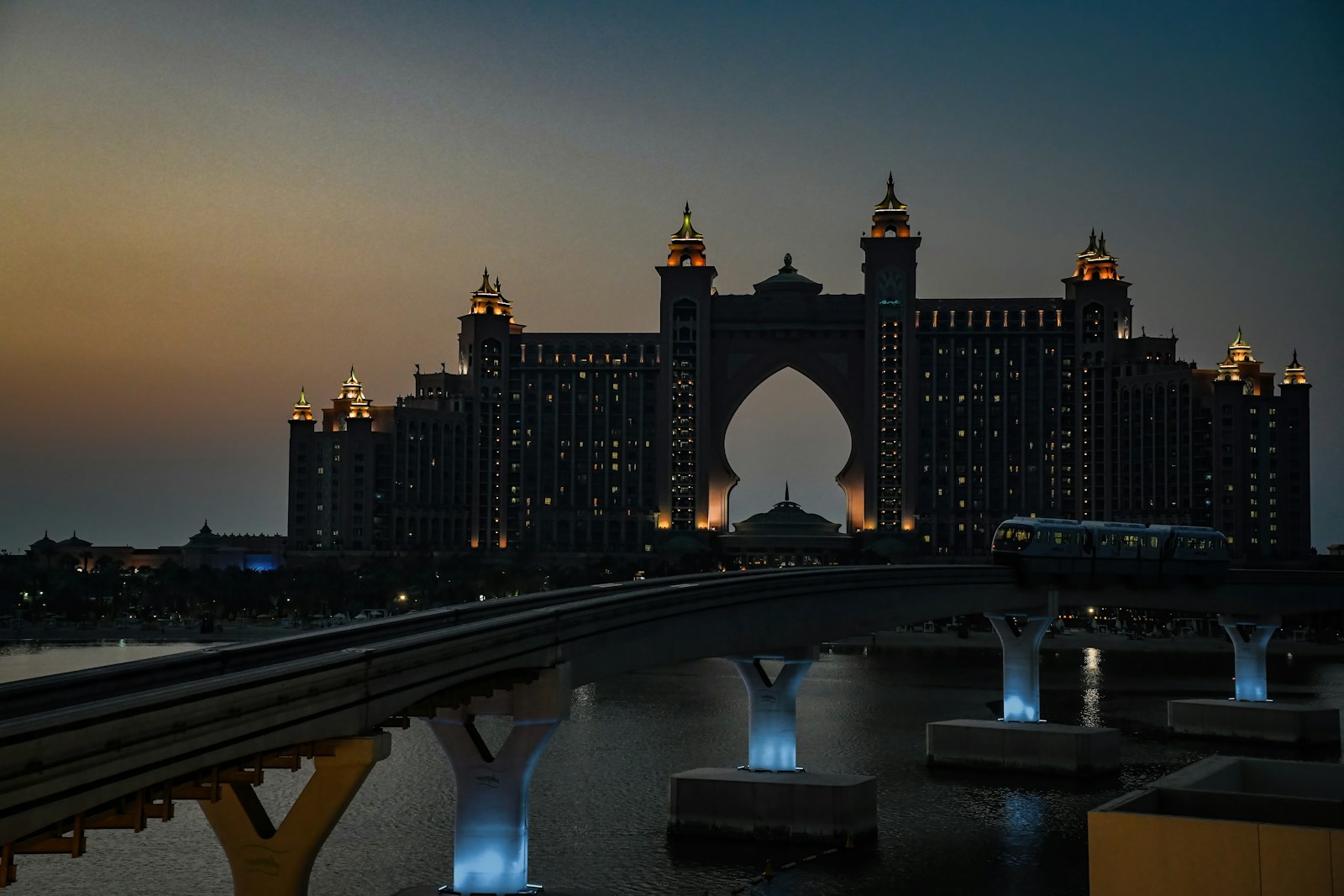
Buffets at Atlantis The Palm
The Atlantis is known for its extravagant buffets, but off-peak lunch sessions can be surprisingly affordable. Check for weekday lunch specials or evening dining packages. It’s not cheap by any means, but compared to a la carte options at the same property, the buffet usually offers better value.
Free and Almost-Free Luxury Experiences
Dubai has some genuinely world-class attractions that won’t cost you a dirham. It’s worth structuring your itinerary around these free experiences, then using the money you save to upgrade your meals or hotel.
Dubai Marina Walk
This 3-kilometer promenade is excellent for an evening stroll. You’ll see yachts, bridges, and city lights. The atmosphere is vibrant but not crowded. It’s also a great photo spot. Free.
JBR Beach
The public beach at Jumeirah Beach Residence (JBR) is clean, well-maintained, and offers views of the palm. There are showers, changing rooms, and nearby cafes. You can swim, sunbathe, or watch the kitesurfers. Free.
The Dubai Fountain
This is the world’s largest choreographed fountain system. Shows run every 30 minutes from evening to late night, set to music. The best viewing spot is the promenade near the Dubai Mallâcompletely free. To get an elevated view, you can have coffee at the Armani Hotel lobby (which connects to Burj Khalifa) without buying an observatory ticket.
Al Fahidi Historical District
Wander through narrow alleyways lined with wind-tower architecture, art galleries, and small museums. Entry to the district is free, and some museums offer free days. It’s a calm contrast to the city’s skyscrapers.
Museums with Free Days
Many of Dubai’s museums offer free admission on certain days. The Dubai Museum (not currently operating at full capacity due to renovations) and the Etihad Museum sometimes run promotions. Check their websites before you go.
Book a Free Walking Tour
Some hotels offer free walking tours of their surrounding areas. Ask your concierge. You’ll get local insights and see parts of the city you’d otherwise miss. Tips are optional but appreciated.
Budget-Friendly Transportation: Navigating Dubai Smartly
Taxi costs in Dubai can eat into your budget fast. A 20-minute ride can easily cost $20 to $30. Over a week, that adds up. Here’s a better approach.
Metro
The Dubai Metro is clean, safe, air-conditioned, and covers most tourist areas: Dubai Marina, Burj Khalifa/Dubai Mall, Mall of the Emirates, and the airport. The Red Line is your main artery. A one-way ticket from the airport to the city center runs under $3. A week-long pass with unlimited rides is around $25. That makes it your best bet for getting around.
Nol Card
You need a Nol Card to use the metro and buses. Buy one at the airport or any metro station. Load it with credit. It works on all public transport, and you can even use it to pay for parking in some areas. Small upfront cost that saves you from buying individual tickets.
Buses
Dubai’s bus network is underused by tourists, but it’s reliable. Buses connect metro stations to neighborhoods not served by rail. They’re cheapâaround $1 per rideâand frequent. Download the RTA Dubai app for real-time schedules.
Taxis
Taxis are necessary for late-night trips or when you’re carrying bags. Use the Careem or Uber app for fixed pricingâthis avoids surge charges during peak hours. Avoid hailing a taxi on the street during rush hour (8-10 AM and 5-8 PM) because you’ll hit traffic and higher meter rates.
Walking
Most neighborhoods are walkable within their own boundaries. Al Bastakiya, Al Seef, the Marina, and JBR are all best explored on foot. Walk between metro stations and your hotelâit often saves time and helps you get familiar with the area.
Saving on Attractions: Dubai City Pass vs. DIY
Dubai’s paid attractions are expensive individually: Burj Khalifa observation deck runs around $80, a day at a waterpark is $100, and desert safaris go for $50 to $80. Buy three of these separately, and you’ve spent $230. That’s where a city pass can start to make sense.
The Dubai City Pass (available from various providers) bundles entry to multiple attractions for a flat fee. Prices vary depending on how many attractions you choose. A 3-attraction pass typically costs $120, saving you about $50 compared to buying those same tickets individually. A 5-attraction pass runs around $150, which can save you over $100.
Pros of the city pass:
- Significant savings if you plan to visit several paid attractions
- Skip-the-line access at some venues
- Includes digital guidebook with maps and tips
- Some passes include a free Burj Khalifa visit at off-peak times
Cons of the city pass:
- You’re locked into a pre-set list of attractions
- Some passes expire after a few days
- You might end up visiting attractions you wouldn’t have chosen otherwise just to “get your money’s worth”
When to use a city pass: first-time visitors planning to visit 3+ paid attractions in a short trip.
When to buy individual tickets: if you only want one or two specific attractions, or if you’re returning to Dubai and know exactly what you want to do.
One final tip: always check the attraction’s own website for online deals. Many offer 10-15% discounts for advance booking. That might save you enough to skip the pass entirely.
5 Common Budget Mistakes Travelers Make in Dubai
Even experienced travelers slip up. Here are five errors I see again and again that eat into budgets unnecessarily.
1. Not Pre-Booking a Phone Plan
Buying a physical SIM at the airport can cost $30 to $50. Instead, get an eSIM from providers like Airalo before you travel. Plans start at $5 for a few days of data. You’ll have internet for Google Maps, ride apps, and restaurant menus without the surcharge.
2. Ignoring Metro Operating Hours
The metro runs from around 5 AM to midnight (longer on weekends). If you plan a late night out, you’ll need a taxi. Budget for that. A 20-minute taxi ride home from a bar could run $30, which wipes out any savings from a metro pass.
3. Paying for Bottled Water at Hotels
Dubai’s tap water is safe to drink, though not everyone likes the taste. The smart move is to buy large bottles of water at a supermarket like Carrefour (often located in malls) for under $1. Mini-bar markup can be 10x that. Reusable bottles are a must.
4. Taking Taxis from the Airport Without Checking Surcharges
Airport taxis include an extra surcharge of around $5 on top of the meter. Use the metro or a pre-booked ride service to avoid this. If you must take a taxi, negotiate a flat rate before you get in.
5. Paying Full Price for Attractions Like Ski Dubai
Always check online deals before buying at the gate. Ski Dubai, for example, often has discounted tickets for off-peak hours or student rates. Same goes for waterparks, VR experiences, and indoor skydiving centers. A quick search on the attraction’s own site or a discount ticket platform can save 20-30%.
Packing Smart: Essentials for a Luxurious Yet Budget Trip
What you pack directly affects your daily costs. Here’s what to bring to save money and avoid discomfort.
Reusable Water Bottle
Fill it up at your hotel’s filtered water station (most have one). You’ll save $5 to $10 a day on bottled water. That’s $35 to $70 over a week. A collapsible bottle is ideal for hot weather.
Portable Fan (Summer)
If you’re visiting during the hot months, a small portable fan is a lifesaver. Use it while walking between metro stations or waiting for a bus. Cheap insurance against heat fatigue.
Light Jacket or Sweater
Dubai’s malls, hotels, and restaurants blast air conditioning. You’ll be grateful for a light layer, especially in malls where the temperature drops noticeably. It also covers your shoulders if you visit a mosque.
Small Daypack
A small backpack is better than a handbag for walking around. Leaves your hands free for phone navigation, water, and snacks. Also helps you avoid buying overpriced items on the go.
Respectful Resort Wear
Dubai is generally relaxed, but it’s not a beach town everywhere. Avoid overly revealing clothing when walking through malls or residential areas. A smart casual dress or collared shirt and trousers will get you into most restaurants without issue. That saves you from buying last-minute outfits.
One more thing: many luxury hotels provide free slippers, robes, and even basic toiletries. Check your room before you unpack. You can leave these extra items behind and avoid paying baggage fees on budget airlines.
Final Checklist: Your Dubai Budget Trip at a Glance
Here’s your actionable list to make this trip work:
- Book during shoulder season (AprilâMay or SeptemberâOctober)
- Choose a 4-star hotel in Al Seef or Jumeirah Village Circle
- Use the metro and a Nol Card for most travel
- Eat at hotel lunch buffets and mall food courts
- Take advantage of free attractions like the Dubai Fountain and Marina Walk
- Consider a city pass if you want 3+ paid attractions
- Avoid the 5 common mistakes listed above
- Pack smart to save on incidentals
Dubai is a city that rewards preparation. The luxury is real, but so are the deals if you know where to look. You don’t need to compromise your experienceâjust your timing and choices.
If you’d like a custom itinerary tailored to your specific travel dates and preferences, I’d be happy to help. I specialize in building high-value itineraries that balance cost and luxury.
Tell us your travel dates and we’ll help you build a custom Dubai itinerary that fits your budget. Just reach out through our contact page or call us directly. We’ve been doing this for years, and we know how to make your Dubai trip feel like a million bucks without costing it.