Mexico City Travel Guide: Food, Art, and History
Introduction
If you’re looking for a city that delivers on food, art, and history without the hypeâMexico City is it. This Mexico City travel guide is for people who want real, experience-based advice for planning a trip. I’ve spent more time than I care to admit navigating the city’s neighborhoods, dodging tourist traps, and figuring out what’s actually worth your time. The goal here is simple: give you the logistics, the tradeoffs, and the practical details you need to make smart decisions. No fluff, no cinematic descriptionsâjust what works.
Why Mexico City Deserves a Spot on Your Travel List
Let’s get this straightâMexico City isn’t a place you visit once and check off. It’s a city with layers. You’ve got street food that rivals anything in the world, museums that can take days to explore, and ancient ruins within the city limits. The value is hard to beat. A meal at a top restaurant costs a fraction of what you’d pay in New York or London. Walkable districts like Condesa and Roma make it easy to cover ground without a car. The diversity of experiencesâfrom Lucha libre matches to quiet afternoons in Chapultepec Parkâmeans you can tailor your trip to your interests. It’s not perfect (traffic is real, and some areas need caution), but it’s one of the few cities that genuinely delivers on its reputation.
Best Time to Visit Mexico City: Weather, Crowds, and Festivals
The dry season runs from November to April. This is when you’ll get sunny days and cool eveningsâideal for walking and outdoor sites. Crowds peak in December and during major festivals like DÃa de Muertos (late October/early November). If you want fewer people, aim for late January or February. The rainy season (May to October) brings afternoon downpours, but mornings are often clear. You save money on accommodation, but bring a rain jacket. A pro tip: book hotels months in advance if you’re coming for DÃa de Muertos. Prices spike and rooms vanish fast. For most travelers, the sweet spot is March or Aprilâgood weather, manageable crowds, and no holiday markup.
How to Get to Mexico City and Get Around Once You Arrive
You’ll fly into Benito Juárez International Airport (MEX). It’s close to the city centerâabout 20 to 40 minutes by car depending on traffic. Skip the official airport taxis unless you enjoy paying double. Use Uber or Didi from the airport; they’re cheaper and more reliable. Once you’re in the city, the Metro is your best friend for getting around quickly. It costs about 5 pesos per ride. Buy a rechargeable card at any station. For areas the Metro doesn’t cover (like Polanco or Coyoacán), Uber is your next best option. Renting a car is generally a bad idea unless you’re planning day trips to remote sites. Traffic is brutal, parking is scarce, and street signs aren’t always clear. Stick to public transit and ride-sharing. Travelers who want to keep their essentials organized and secure may appreciate a good travel backpack or a secure metro card holder.
Where to Stay in Mexico City: Best Neighborhoods for Food, Art, and History Lovers
Choosing the right neighborhood makes or breaks your trip. Here’s the breakdown:
- Condesa: Best for food lovers and casual walkers. Tree-lined streets, great cafes, and a relaxed vibe. Quieter at night but still lively. Ideal for couples or solo travelers who want easy access to restaurants.
- Roma: More bohemian. Lots of street art, independent boutiques, and excellent food markets. It’s close to Condesa but feels edgier. Good for art lovers and people who enjoy nightlife.
- Centro Histórico: Where the history is. Walking distance to the Zócalo, Templo Mayor, and major museums. It’s busy during the day but quieter after dark. Not as safe at nightâstick to main streets. Best for history buffs on a budget.
- Polanco: Upscale. High-end restaurants, luxury hotels, and the Museo Soumaya. Safe and polished but lacks character. Good for families or travelers who prioritize comfort and convenience.
- Coyoacán: South of the center. Home to Frida Kahlo’s house and a lovely central square. It feels more like a small town. Worth a visit, but staying here means longer commutes to main attractions.
For most first-timers, Condesa or Roma offer the best balance of walkability, food, and safety. Book your accommodation earlyâespecially if you’re coming during a festival. Hotels in these neighborhoods fill up fast.
What to Eat in Mexico City: A Practical Food Guide
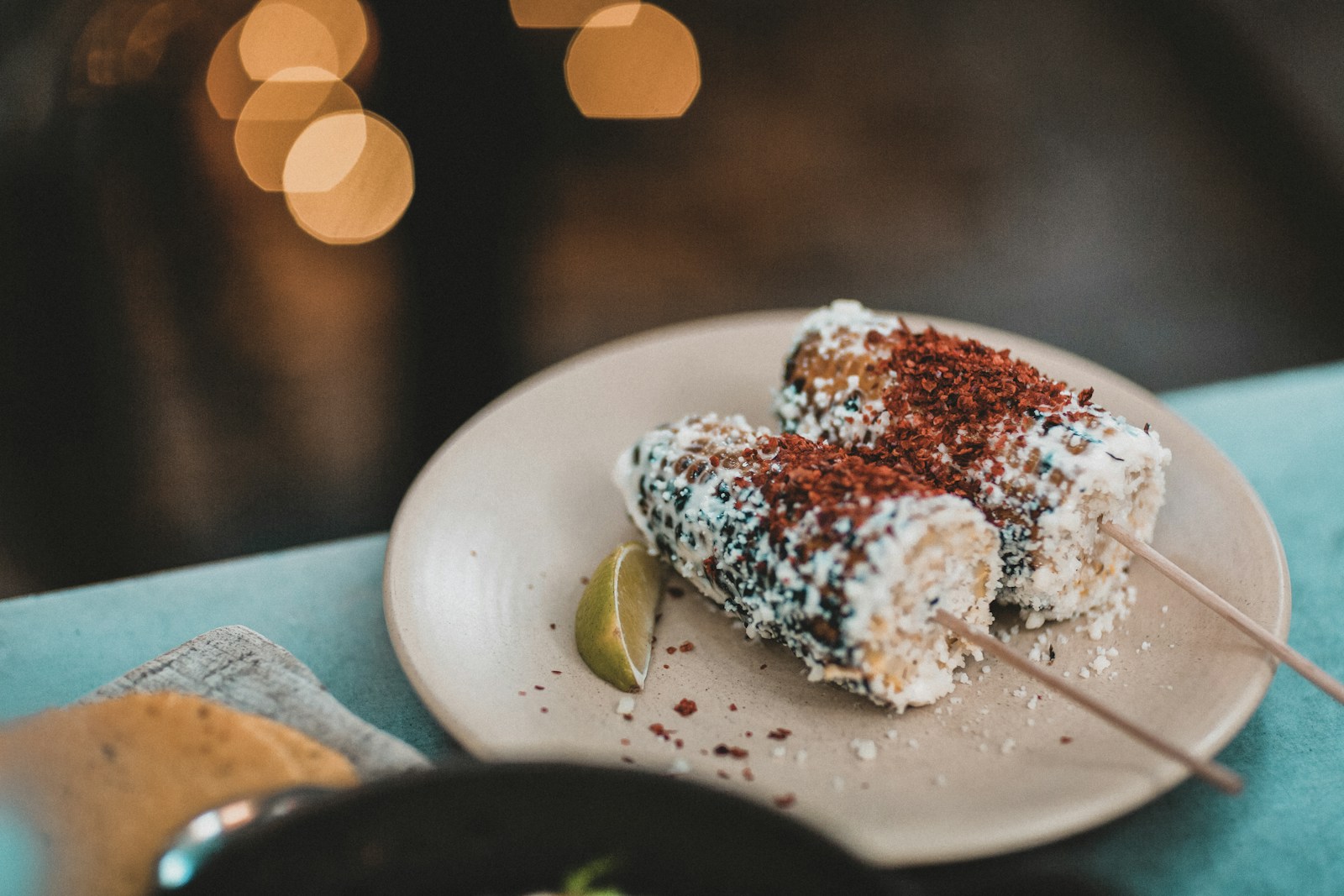
You can’t leave without trying tacos al pastor. Hit up El Huequito or TaquerÃa Orinoco for a solid version. Tlacoyos are a less obvious but excellent choiceâstuffed masa cakes topped with nopales or cheese. Churros at El Moro are a must, but go early to avoid the line. For a market experience, Mercado San Juan is great for adventurous eaters (crickets, exotic meats). Mercado Roma is more curated but good for a wide variety of stalls. Street food is generally safe if you follow two rules: eat where there’s a line of locals, and watch for high turnover. Vendors who cook fresh batches all day are safer than places where food sits out. If you’re concerned about tap water, a portable water filter can offer peace of mind.
Art and Culture: Museums, Galleries, and Street Art
The Museo Nacional de AntropologÃa is non-negotiable. Plan for at least half a day. It’s massive and covers pre-Hispanic civilizations with incredible detail. Go on a weekday to avoid crowds. The Frida Kahlo Museum (La Casa Azul) in Coyoacán is popular but often overcrowded. Book tickets a week in advanceâsame-day availability is rare. Skip it if you’re short on time; the Museo Anahuacalli (Diego Rivera’s studio) is less crowded and equally interesting. For street art, head to Roma. You can find great murals around Calle Ãlvaro Obregón. A guided street art tour is worth it if you want context behind the pieces. Most museums are closed on Mondays, so plan your itinerary accordingly. Travelers looking to save time can consider booking skip-the-line tickets for major museums.
Historical Sites You Shouldn’t Skip (and a Few You Can)
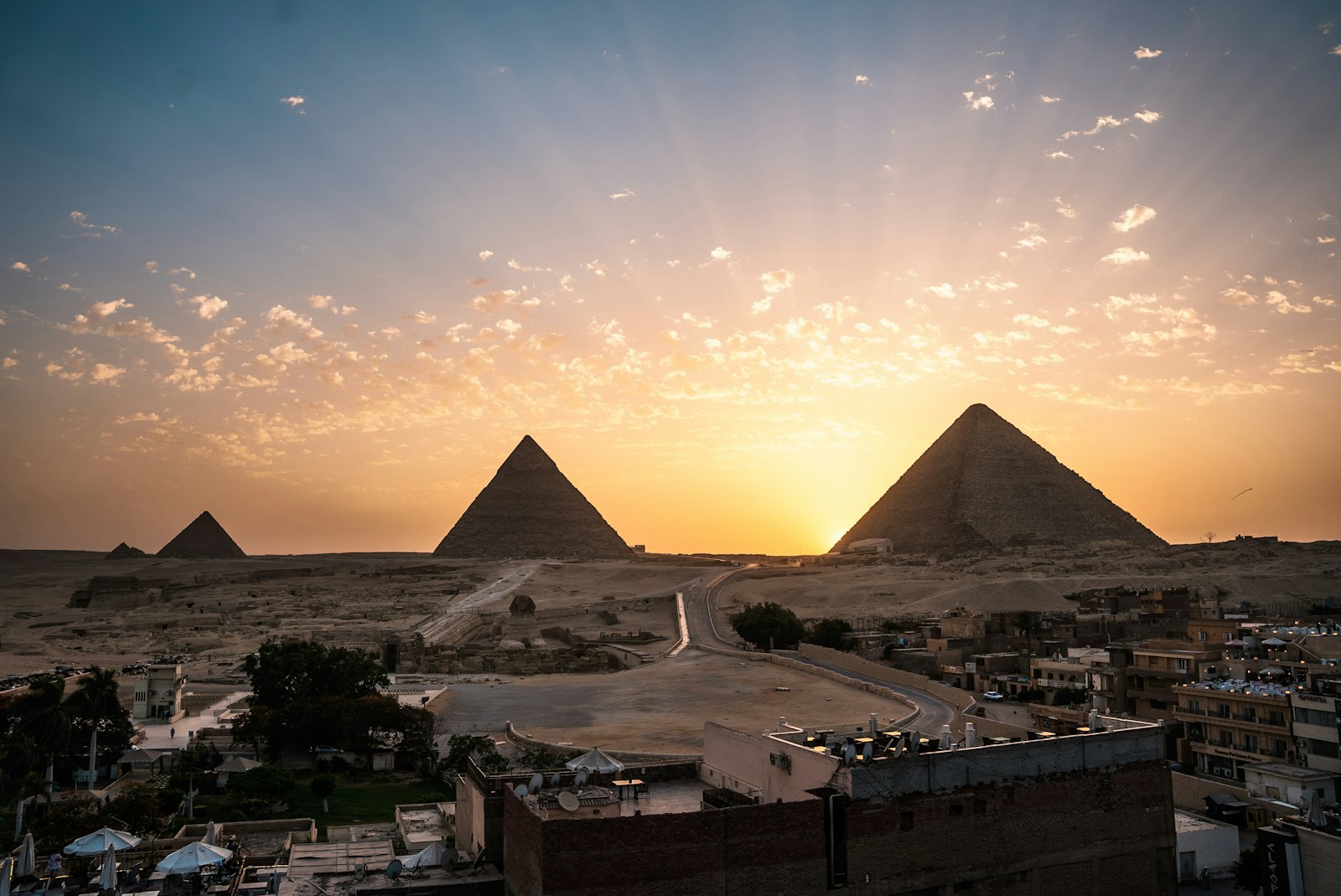
Teotihuacán is the headline attraction. It’s about an hour northeast of the city. Go earlyâarrive before 9 AM to beat the heat and the crowds. Bring water, sunscreen, and a hat. The climb up the Pyramid of the Sun is steep but manageable. Entry is around 80 pesos. A guided tour adds about 300 pesos but gives you better context. If history isn’t your thing, you can skip itâjust know that it’s one of the most impressive archaeological sites in the world. Templo Mayor in Centro Histórico is smaller but fascinating. It’s right in the middle of the city, so it’s easy to fit into a morning. Chapultepec Castle offers great views and a decent museum, but it’s not a must for everyone. If you have time, it’s worth a visit for the gardens and the view. Comfortable walking shoes are essential for any of these sites.
Common Mistakes First-Time Visitors Make
Let’s keep this short and useful:
- Not booking museum tickets in advance: This is the biggest mistake. Popular museums sell out days ahead. Book online before you arrive.
- Underestimating the altitude: Mexico City sits at 7,350 feet. You’ll get winded walking uphill. Take it easy the first day and stay hydrated.
- Eating only in tourist zones: The best food is in neighborhoods like Condesa, Roma, and local markets. The area around the Zócalo is overpriced and mediocre.
- Falling for taxi scams: Never take an unmarked taxi. Stick to Uber or official airport taxis.
- Not getting pesos before arrival: Some places don’t take cards. Withdraw pesos from an ATM at the airport or in the city.
Day Trips from Mexico City: Worth It or Waste of Time?
Not all day trips are created equal. Teotihuacán is absolutely worth it. It’s close, cheap, and impressive. Go with a guided tour for the best experience. Xochimilco is more of a mixed bag. The floating gardens are colorful and fun for groups, but it’s touristy and can feel like a party scene. If you want a quiet boat ride, skip it. Puebla is a solid option for food and architecture. It’s about two hours by bus, and the city center is beautiful. The time investment is worth it if you have an extra day. For most visitors, stick with one day tripâTeotihuacánâand spend the rest of your time exploring the city. Book a guided tour online to secure your spot.
Packing Checklist for Mexico City: What You Actually Need
Keep it simple:
- Layers: Daytime temps reach 75°F, evenings drop to 50°F. A light jacket or sweater works.
- Comfortable walking shoes: You’ll walk 8-10 miles a day on average.
- Sunscreen: The sun is strong at this altitude.
- Reusable water bottle: Stay hydrated without buying plastic.
- Rain gear: A compact travel umbrella or light rain jacket for the rainy season.
- Day pack: For carrying snacks, water, and essentials during the day.
Sample 5-Day Itinerary: Balancing Food, Art, and History
This plan works for first-time visitors who want a solid mix without rushing.
Day 1: Arrive and Settle In
Check into your hotel in Condesa or Roma. Spend the afternoon walking through Condesa’s parks and grabbing lunch at a local mercado. Dinner at a casual taco spot. Ease into the altitude.
Day 2: History Day
Start at Templo Mayor in Centro Histórico. Walk to the Zócalo and grab a bite at a nearby cafe. In the afternoon, visit the Museo Nacional de AntropologÃa in Chapultepec. Finish with sunset views from Chapultepec Castle.
Day 3: Teotihuacán Day Trip
Leave by 8 AM. Arrive before 9 to beat crowds. Climb the Pyramid of the Sun, then explore the Avenue of the Dead. Have lunch near the site. Return by mid-afternoon. Rest upâyou’ll be tired.
Day 4: Art and Food
Morning at the Frida Kahlo Museum in Coyoacán (book ahead). Explore the Coyoacán market for lunch. Afternoon in Roma for street art and casual bar hopping. Dinner at a Roma restaurant.
Day 5: Final Morning and Departure
Visit Mercado San Juan for a last food run. Grab souvenirs from a local shop. Head to the airport by 1 PM to allow for traffic. It’s a packed itinerary, but it covers the essentials without burnout.
Final Tips and How to Book Your Trip
Mexico City rewards preparation. Book museum tickets early, choose your neighborhood wisely, and pack for temperature swings. The city is bigger and more complex than most travelers expect, but that’s what makes it so rewarding. Stick to the logistics, trust your instincts, and enjoy the chaos. Ready to plan your trip? Book your accommodation and tours through our site for exclusive rates. Your trip, our expertise.