Paris Travel Guide: What to See, Eat, and Avoid (Practical Tips)
Introduction
Paris is one of those places nearly everyone wants to see at some point. And it lives up to the hype, mostly. But it can be a lot to handle, especially if you’re arriving for the first time and trying to juggle the big sights, decent meals, and a reasonable budget. That’s what this is for. It’s a collection of practical Paris travel guide tipsâthe kind of things that make a trip go smoothly without the usual tourist headaches. Over the years, I’ve noticed that what separates a great trip from a frustrating one often comes down to a handful of decisions made before you even leave. This guide is for first-timers who want real, usable advice. We’ll go over what’s worth seeing, what’s worth eating, and what to steer clear of so you can actually enjoy the city instead of dealing with problems.

Before You Go: Key Planning Mistakes to Avoid
The biggest mistake people make is not booking ahead for the major attractions. You can’t just show up at the Eiffel Tower or the Louvre and expect to waltz in, especially during busy season. You need timed-entry tickets, and you should book them at least three to four weeks in advance. It’s not a suggestion; it’s pretty much required.
Another thing that trips people up is not taking pickpocketing seriously. Paris has a reputation, and it’s earned. Leave the flashy jewelry and backpacks at home. A crossbody bag with zippers worn to the front makes a huge difference. This isn’t about scaring youâit’s just a practical step that keeps you from being an easy target.
And don’t overpack. I’ve watched people drag giant suitcases over cobblestones and up narrow apartment stairs. You’ll walk more than you expect in Paris. Pack light, bring comfortable shoes, and you’ll thank yourself after the first few kilometers on hard pavement.
What to See: The Best Sights for First-Timers
If time is tight, focus on the Eiffel Tower, the Louvre, and Notre Dame (from the outside for now, since it’s still being repaired). For the Eiffel Tower, book summit tickets ahead of time to skip the long elevator lines. The Louvre is best visited first thing in the morning or on a Wednesday or Friday evening when it’s open late and less crowded. You won’t see everything, so pick a few key pieces beforehand.
For a more local feel, skip the packed Arc de Triomphe and head to the rooftop of Galeries Lafayette. It’s free, and the view is great without the crowds. The Musée d’Orsay is usually less busy than the Louvre and has an excellent Impressionist collection. Plus, it’s in a converted train station, which makes the visit itself memorable.
If you’re planning to visit more than three major attractions, the Paris Museum Pass is worth it. It saves money and lets you skip ticket lines at many museums. I usually recommend it for stays of five days or more. For shorter trips, a two-day pass can still pay off if you move at a fast pace.
What to Eat: Must-Try Foods and Where to Find Them
You haven’t really been to Paris until you’ve had a proper croissant, a good baguette, and a cheese platter. But where you eat matters. Avoid the little restaurants with picture menus in multiple languages and someone urging you to come in from the doorway. Those are tourist traps.
Instead, find a boulangerie for your morning croissantâone with a line of locals is a good sign. The Saint-Michel area has several solid options. For a sit-down meal, look for a classic bistro on a side street, not a main square. Steak frites, duck confit, and a simple goat cheese salad are affordable and reliable choices.
A less common but great option is to visit a local market, like Marché Bastille or Marché d’Aligre, and put together your own lunch. Grab a baguette, cheese, fruit, and some cured meat for a picnic in a park. It’s authentic, cheap, and much better than a rushed sandwich from a tourist spot. If you want a deeper look, a guided food tour focused on one neighborhood is a solid way to try several things without guessing.

What to Avoid: Tourist Traps and Common Scams
Tourist traps are everywhere, but some are worse than others. The restaurants around big squares like Place de la Bastille or Place de la Concorde are overpriced and often serve mediocre food. Walk half a block away, and the difference in quality and price is noticeable.
Souvenir shops near the Eiffel Tower are another trap. Tiny metal replicas and keychains are marked up a lot. Buy your souvenirs from a grocery store or local market instead. Same items, much lower cost.
On the scam side, watch out for the “petition” scam where someone asks you to sign, then demands money. The “friendship bracelet” trick is common near Sacré-Coeurâsomeone ties a bracelet on your wrist and insists you pay. Just keep walking and say “non merci” firmly. Don’t stop, don’t make eye contact. Pickpockets also work the metro near tourist-heavy stations like Trocadéro and Opéra. Keep your valuables in front of you, especially during rush hour.
Getting Around: Metro vs. Walking vs. Rideshare
Paris is walkable, and I’d recommend walking as much as you can. You’ll see more, find hidden squares, and avoid metro delays. For longer trips, the metro is efficient. Buy a carnet of ten tickets at any stationâit’s cheaper than buying singles and works on buses and trams too.
Uber is handy if you have a lot of luggage or are out late, but be ready for surge pricing and traffic. Avoid taxis if possible; they’re often more expensive and drivers don’t always speak English. If you must use one, agree on a fare or use the meter.
Good walking shoes are non-negotiable. A lightweight, waterproof backpack is useful for rain or carrying snacks. A crossbody bag with RFID protection is smart for your tickets and cards.
Where to Stay: Neighborhood Guide for Practically Any Budget
Your neighborhood can really shape the trip. Here’s a quick overview:
- Le Marais (3rd and 4th): Best for nightlife and foodies. Lots of bars, boutiques, and galleries. Mid-range to expensive.
- Latin Quarter (5th): Best for budget travelers and students. Affordable hotels, cheap eats, close to major sights.
- Saint-Germain (6th): Best for luxury. High-end shops, famous cafés, and elegant streets. Pricey.
- Montmartre (18th): Best for authentic village vibes and incredible views. Be ready for hills and more casual lodging.
- Near Opéra (2nd and 9th): Best for convenience to train stations, shopping, and museums. Good mid-range options.
For first-timers, avoid staying too far from the Seine or in outer arrondissements. The metro works, but you’ll spend extra time commuting. Book apartments through trusted sites or hotels with recent reviews about cleanliness, noise, and nighttime safety.
Packing Essentials: What You Actually Need
Packing light is key, but a few specific items help. Here’s my shortlist:
- Comfortable walking shoes: No new shoes. Break them in first. You’ll walk 10-15 km a day.
- Crossbody bag with zippers: Essential for anti-theft. Duffle bags and backpacks are easier targets.
- Reusable water bottle: Tap water is free at most parks and fountains. Saves money and plastic.
- Universal power adapter: French outlets use two-pin European style (Type E). Get one with USB ports.
- Travel umbrella: Rain is common and unpredictable.
- Eye mask and earplugs: Street noise can be an issue, and mornings start early.
Unless you’re a serious photographer, leave the dedicated camera at home. Your phone handles 90% of shots and is easier to keep safe. Leave room in your luggage for souvenirsâyou’ll likely buy more than you expect.
Day Trip Options: Versailles or the Loire Valley?
Many first-timers want to see more than just Paris, but day trips require planning. Two popular choices are Versailles and the Loire Valley.
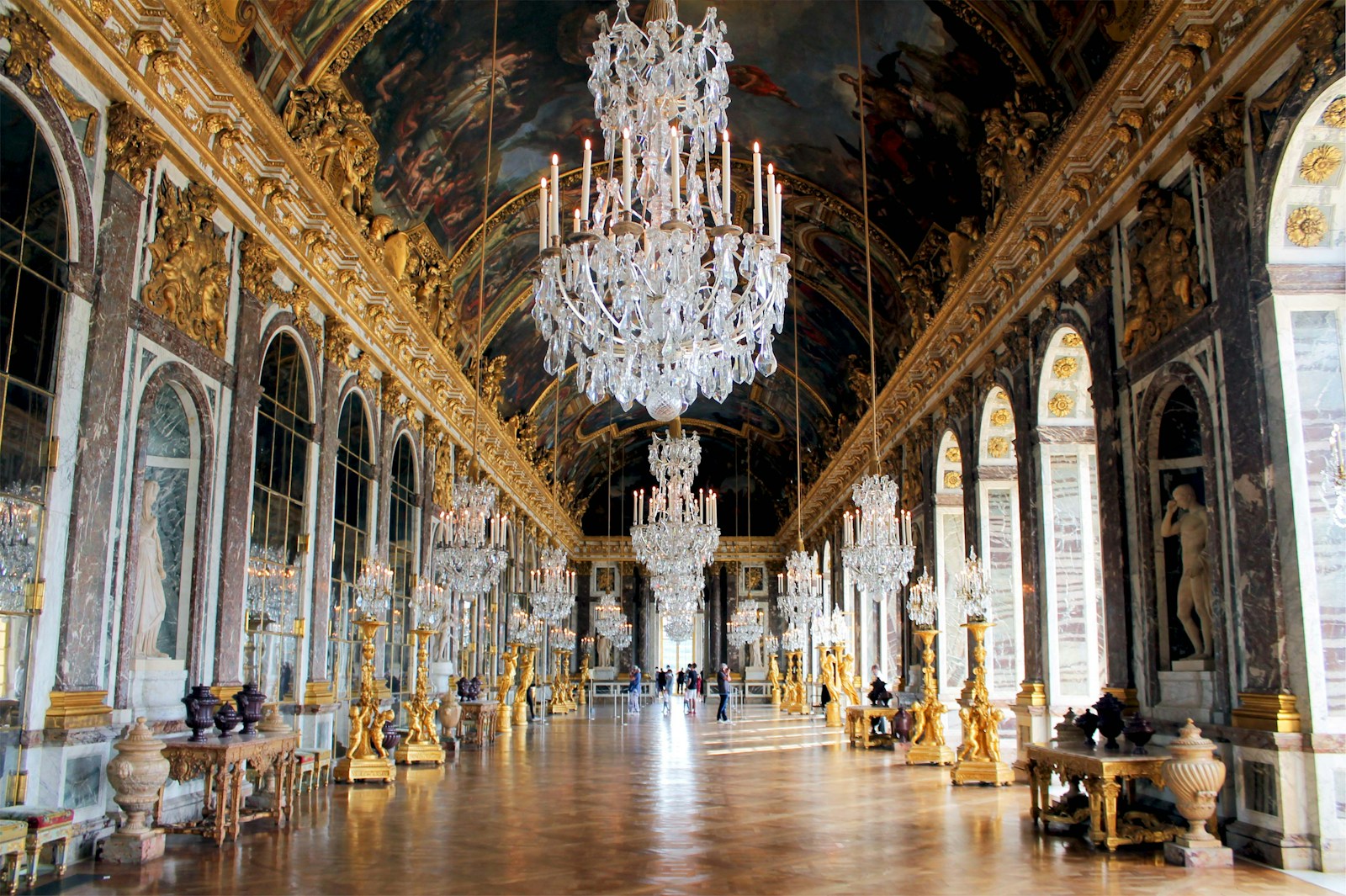
Versailles is a half-day trip. The palace is impressive, but the crowds inside the Hall of Mirrors can be intense. Go early on a weekday and pre-book your timed entry. If you hate crowds, skip the palace and explore the gardens insteadâthey’re free on non-Fountain-show days. It’s close to Paris, about 30-40 minutes by RER C, and costs around â¬18 for the palace.
The Loire Valley needs a full day or overnight. It’s known for grand châteaux like Chambord and Chenonceau. You need a car or a tour to see more than one castle. It’s about two hours by train from Paris, but the countryside is beautiful. I’d recommend it for a more relaxed experience focusing on history and wine. For most first-timers, Versailles is the easier choice, especially if you’re short on time. But if you have a full day and don’t mind the logistics, the Loire Valley is a better experience in my opinion.
Money-Saving Tips Without Sacrificing Experience
Visiting Paris on a budget doesn’t mean missing out. Here are some ways to save:
- Buy a Paris Museum Pass: If you visit even three major attractions, it pays for itself and skips lines.
- Eat a late lunch: Many bistros offer a “formule” (fixed-price menu) at lunch that’s much cheaper than dinner for similar food.
- Picnics at parks: Grab a baguette, cheese, and fruit from a market for a picnic by the Seine or in Luxembourg Gardens. Feels luxurious on a budget.
- Free walking tours: Look for tip-based walking tours in the Latin Quarter or Montmartre. Good overview without the cost of a private guide.
- Use the metro for short distances: A single ticket is cheaper than a short Uber, and the system is fast off-peak.
- Visit museums on the first Sunday of the month: Many national museums offer free admission, but it’s also the busiest day. Plan accordingly.
Your Paris Trip Checklist
Before you leave, run through this list:
- Pre-trip: Book flights, hotel, and major attraction tickets. Buy a Museum Pass if needed. Get travel insurance. Pack comfortable shoes and an anti-theft bag.
- At the airport: Download offline maps of Paris. Pack a universal adapter in your carry-on. Charge your devices.
- In Paris: Buy a carnet of metro tickets at the station. Confirm check-in details. Find the nearest market for food. Keep your belongings zipped and in front.
- During the trip: Make dinner reservations at popular spots at least a day in advance. Stay hydrated. Walk as much as possible. Ignore scammers.
- Before returning: Leave space in your luggage for souvenirs. Double-check your flight time. Confirm your bank cards will still work.
And if you’d like a truly hassle-free trip, Bob’s Travel Service can build a custom itinerary based on your interests and budget. We handle the tricky parts like booking timed tickets, finding the right neighborhood, and mapping out your days so you can focus on enjoying Paris. Get in touch for a personalized quoteâit’s a solid way to guarantee a smooth first trip.