How to Travel Cheap in the US Without Staying in Motels
Introduction
If youâre trying to keep costs down on a trip across the United States, the first thing you think of is probably a budget motel. A bed, a shower, and a TV for under a hundred bucks a night sounds reasonable. Except hotel margins have gotten tight, and even basic motels are pushing $120 to $150 a night in many areas now. That adds up fast, especially for longer trips. This article covers practical ways to travel cheap in the USA without relying on motels. Whether youâre a solo traveler, a couple, or a family, you have better options. From camping to house sitting to sleeping on a bus, these cheap travel USA tips will help you stretch your dollar further without sacrificing the experience. No fluff, just real solutions that work.
Why Skipping Motels Makes Sense for Budget Travelers
Motels used to be the standard for cheap lodging, but thatâs not really true anymore. Average motel rates now hover around $100â$150 per night depending on the region. A week in motels can easily run $700â$1,000 just for a place to sleep. Thatâs more than some people spend on their entire food budget for a trip.
The biggest mistake budget travelers make is assuming motels are always the cheapest option. They arenât. When you add in taxes, booking fees, and the fact that you still need to eat out more often because youâre in a motel room with limited cooking, the costs climb higher than you might expect. And letâs not forget hidden fees like parking charges in cities and early check-in fees.
The alternativesâhostels, camping, house sitting, van life, couchsurfing, and overnight transportationâcan bring your nightly cost down to zero or near-zero. Even the options that cost money still beat motel pricing by a wide margin. A night at a hostel dorm runs $30â$60. Camping at a national forest site costs $10â$20. Couchsurfing charges nothing. The financial advantage is obvious once you do the math.
Of course, not every alternative suits every trip. If youâre driving cross-country with a family of five, van life might not be realistic. But if youâre a solo traveler or part of a group willing to share space, you can cut your lodging costs by 70â90% without much effort. The tradeoff is usually less privacy or more planning, but the savings are worth it.
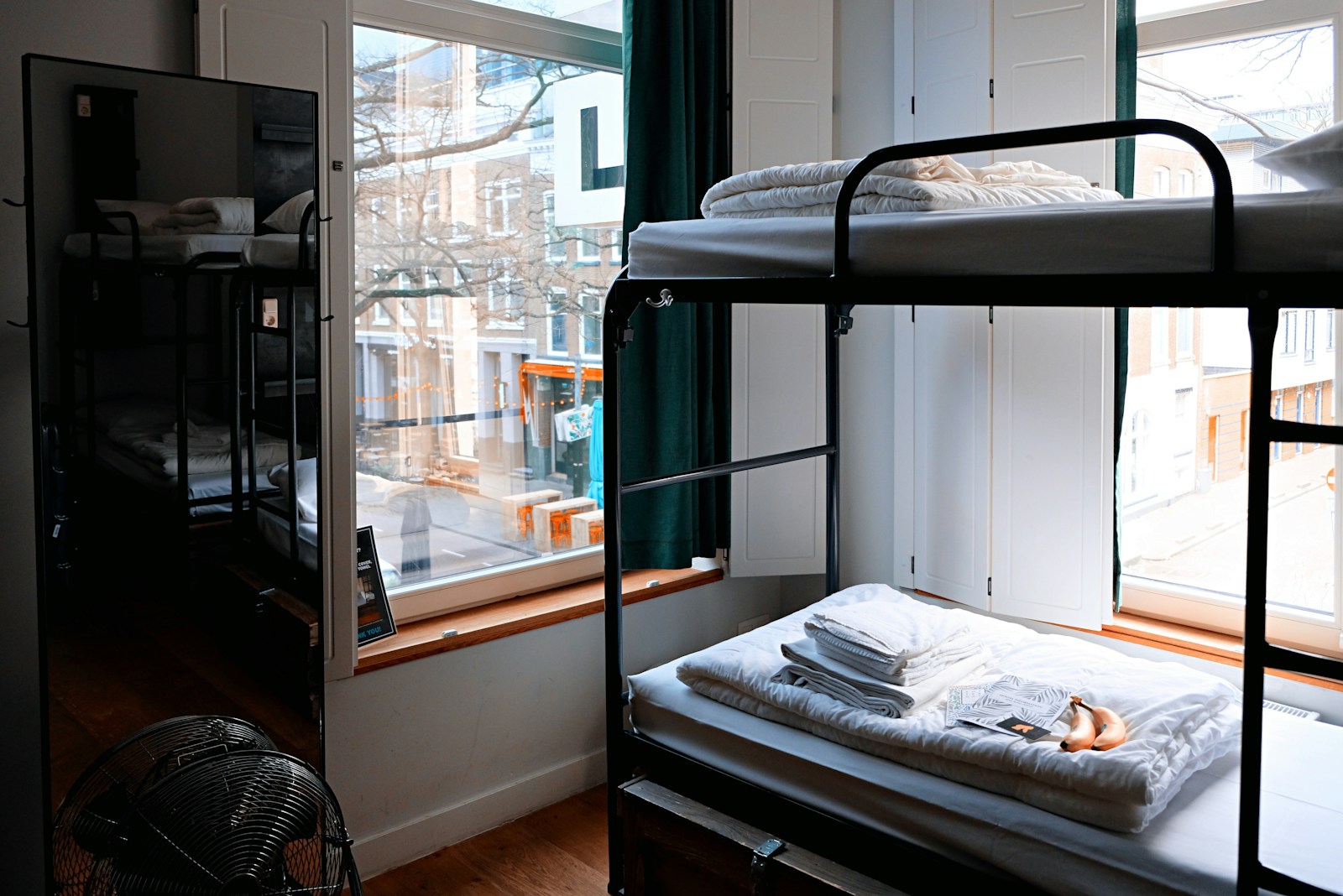
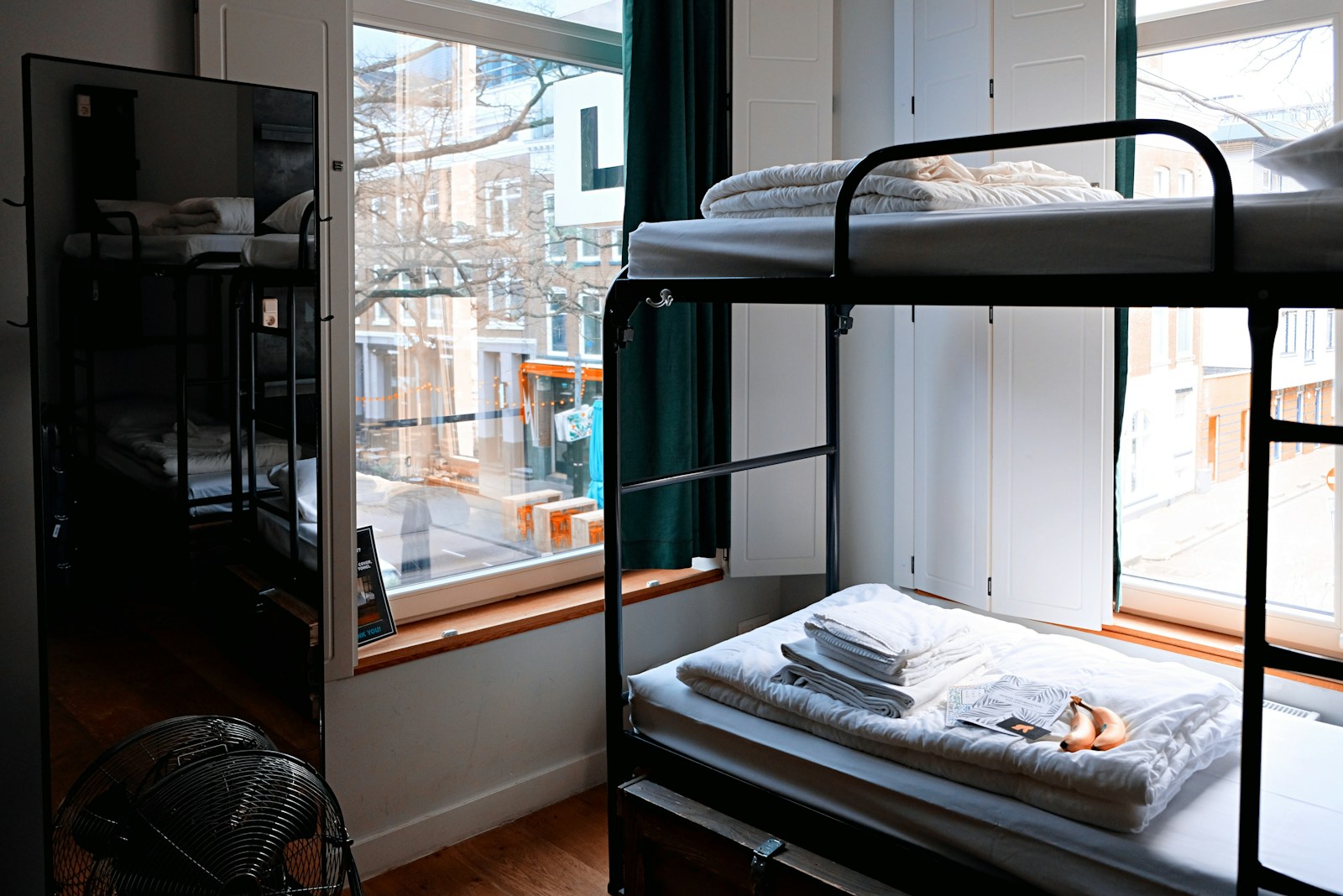
Hostels: Not Just for Backpackers Any More
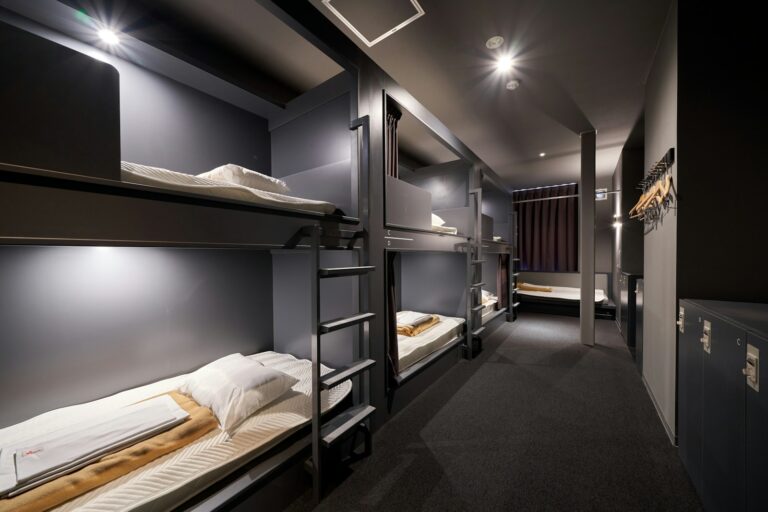
Hostels in the US used to be the domain of 18-to-25-year-olds with a backpack and a Eurail pass. Thatâs changed. Many hostels now offer private rooms with en-suite bathrooms, free Wi-Fi, shared kitchens, and common areas that beat most budget motels for comfort. You can still find a dorm bed for $30â$60 a night in major cities, but the private rooms are usually $70â$100, still cheaper than motels in most cases.
Hostels are ideal for solo travelers or small groups who want to save money and meet people. The shared kitchen is a big deal because you can cook your own meals, saving even more on food costs. Some hostels also organize free walking tours, pub crawls, and other activities, so you get built-in entertainment without extra charges.
When booking a hostel, look for ones with high cleanliness ratings and good security features like lockers, keycard access, and staff presence. Websites like Hostelworld and Booking.com make it easy to filter by price and rating. If youâre nervous about shared dorms, start with a private roomâit still costs less than a motel in most cities.
A few things to watch for: Noise can be an issue in dorms, especially on weekends. Ear plugs and a sleep mask help. Some hostels also charge extra for towels or linens, so check whatâs included. But honestly, compared to a motel, you get more social value and better amenities for less money. Itâs a no-brainer for budget travelers who are light packers.
Camping and Glamping on a Shoestring
Camping is hands-down the cheapest way to sleep in the US when you donât want a motel. National forest campsites often cost $10â$20 per night, and some National Forest Service sites are completely free if youâre okay with primitive campsitesâno water, no electricity, just a spot to pitch your tent. Bureau of Land Management land also offers free dispersed camping in many western states.
The upfront gear cost is your biggest hurdle. A decent tent runs $50â$150. A sleeping bag and pad add another $60â$100. But once you have the gear, a week of camping costs less than one night at a cheap motel. If youâre not sure about spending on gear, look for used equipment on Facebook Marketplace or at REIâs used gear section. Most beginners buy too much stuff, so start minimalâtent, bag, pad, and a basic cook stove.
Glamping is a middle ground for those who want the outdoors without roughing it. You can rent a furnished canvas tent or yurt at private campgrounds for $80â$120 per night. Thatâs still cheaper than a motel, and you get a bed, electricity, and sometimes even a mini-fridge. Glamping works well for families or travelers who want comfort without the motel price tag.
Weather and safety matter. Check the forecast and plan accordingly. A two-day rainstorm can ruin a trip if youâre in a cheap tent. Also, campfires arenât allowed everywhere due to fire risk, so bring a camp stove for cooking. Reserve campsites in advance during peak seasonâpopular spots fill up months ahead. Camping is a great cheap travel USA tip if you have a vehicle and a bit of flexibility.
House Sitting and Pet Sitting: Stay Free with Responsibilities
House sitting is one of the most underused strategies for free accommodation. Through platforms like TrustedHousesitters, you connect with homeowners who need someone to watch their house, water plants, and care for pets while theyâre away. In exchange, you get a free place to stayâoften a full apartment or house with a kitchen, washer, dryer, and privacy.
The catch is you do have responsibilities. You need to feed dogs, walk them, and keep the place tidy. Some sits involve cats, birds, or even farm animals. The commitment varies from a weekend to several months. If youâre flexible with dates and willing to follow instructions, itâs a fantastic way to live like a local for free.
TrustedHousesitters charges an annual membership fee (around $100â$150), but one sit usually pays for itself compared to motel costs. You also need to apply for sits and build a profile with references. Experienced sitters often get repeat gigs because homeowners appreciate reliable people. If youâre new, start with short local sits to build credibility before traveling farther.
This option is best for travelers who want a home base and donât mind pet care. If you travel with allergies to animals, itâs not ideal. Also, be realistic about time commitmentsâa high-energy dog needs multiple walks per day, which cuts into sightseeing. But the cost savings are massive, and you get a real home experience versus a sterile motel room.
Van Life and Car Camping: The Ultimate Money Saver
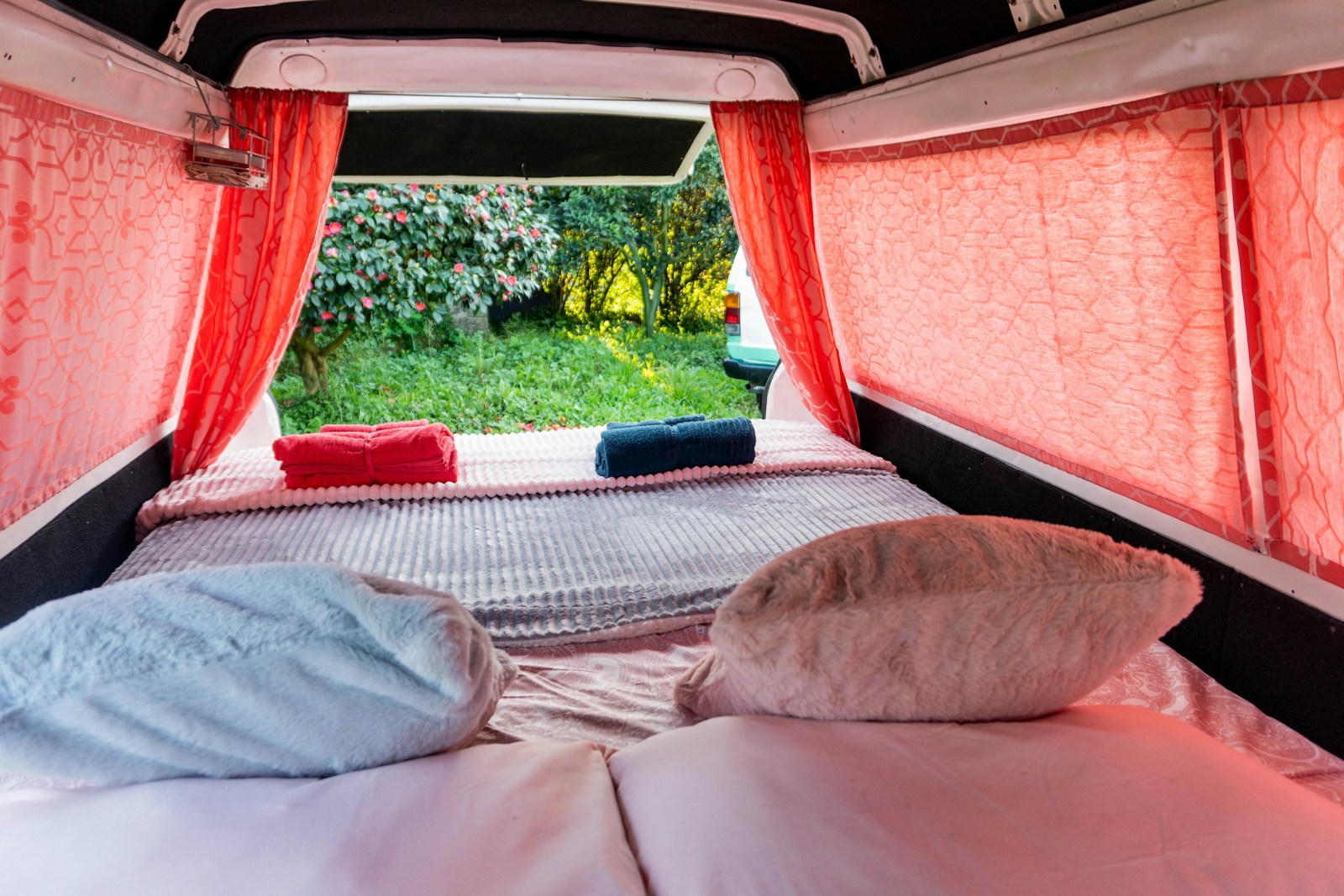
Sleeping in your vehicleâwhether itâs a minivan, SUV, station wagon, or full-size vanâis the fastest way to reduce lodging costs to zero. Even if you rent a car, adding $30 per night for camping gear is still cheaper than motels. The concept is simple: fold down the seats, lay out a sleeping pad, and crash where you can park legally overnight.
The biggest challenge is finding safe, legal overnight parking. Options include Wal-Mart parking lots (most allow overnight stays, but check local signs), rest stops (some allow sleeping, but noise and light can be issues), national forest and BLM land (free dispersed camping), and designated campgrounds. Thereâs also a network of Bureau of Land Management land in western states where you can park anywhere for two weeks at a time.
Gear-wise, you need a sleeping pad, sleeping bag, window covers for privacy (cheap reflective insulation works), and a portable power bank for charging devices. A portable camping toilet or a designated container is smart for remote areas. Costco sells a basic sleeping pad for $20, and a decent bag runs $40â$80. Total startup gear cost: $100â$200.
Van life offers incredible freedomâyou can change plans on a whim without worrying about check-in times or availability. But it also means sacrificing space, comfort, and sometimes hygiene. Youâll need to find public showers (truck stops, gyms, or rec centers) and manage waste carefully. If youâre okay with that tradeoff, car camping saves you hundreds per night and gives you a real sense of adventure. Itâs one of the most effective cheap travel USA tips for independent travelers.
Couchsurfing: Traveling on Trust and Community
Couchsurfing connects travelers with locals who offer a free place to stay, usually a spare couch, futon, or guest room. The platform is built on genuine hospitality and cultural exchange. Itâs not a hotelâyour host expects you to be a good guest, help with basic chores sometimes, and join them for meals or conversations.
The key to success on Couchsurfing is a complete profile with clear photos, references from other travelers, and a thoughtful request that shows youâve read the hostâs profile. Donât send generic copy-paste messages. Mention why youâre interested in their city and what youâd like to learn from them. For hosts, many appreciate travelers who are open to socializing, not just looking for a free bed.
Safety is a legitimate concern. Always check references and reviews before accepting a stay. Use the platformâs verification system and communicate through the app. Hosts are also vetted by the community. If a situation feels uncomfortable, you can always leaveâhave a backup plan like a hostel nearby.
Couchsurfing is best for solo travelers or couples who are outgoing and curious about local culture. Itâs less ideal for shy travelers or those needing absolute privacy. The cost is zero, but the currency is social interaction. If youâre looking to save money and make friends, this is one of the genuine cheap travel USA tips that also enriches your trip with personal connections.
Overnight Buses and Trains: Sleep While You Travel
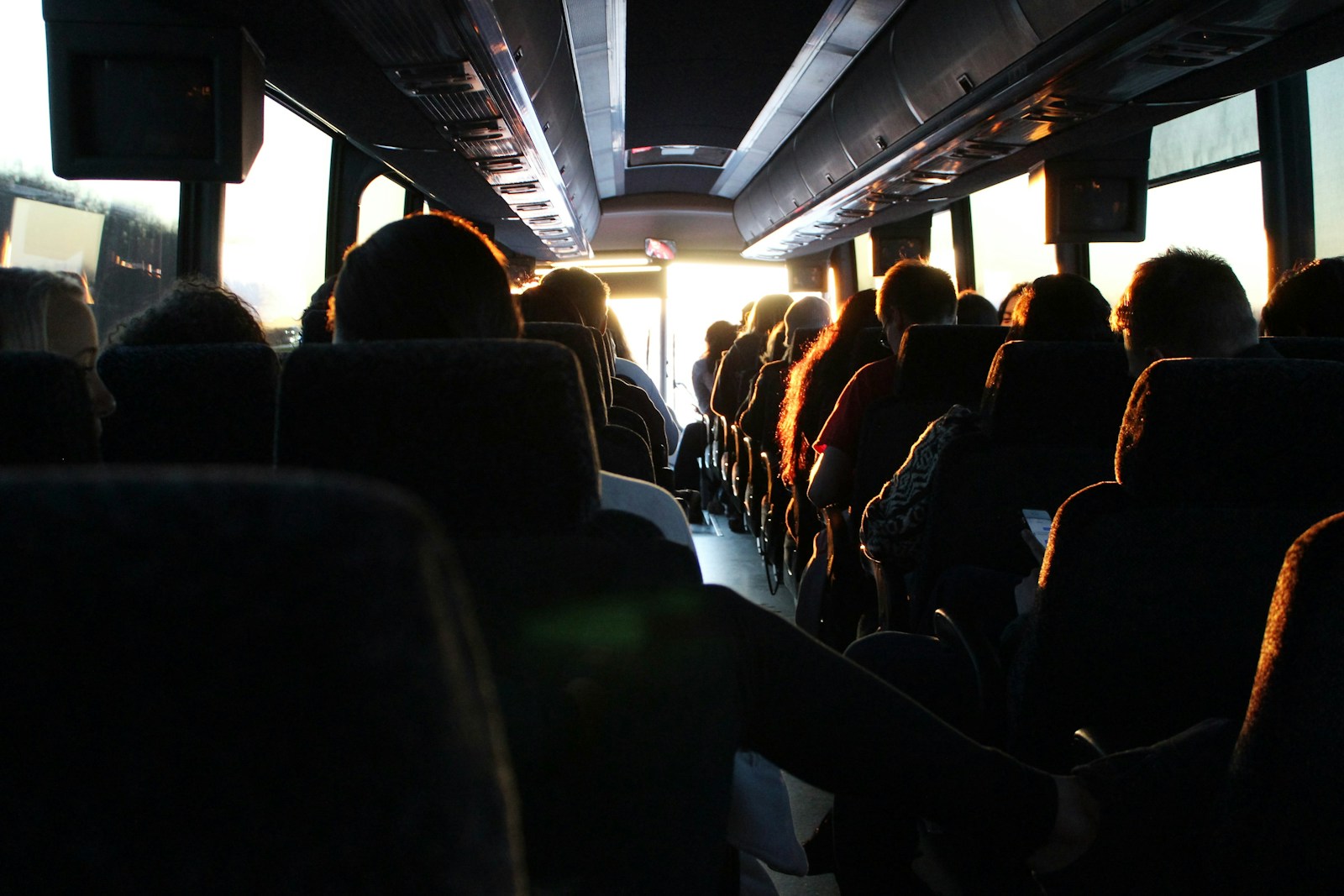
If youâre moving between distant citiesâsay New York to Chicago or LA to San Franciscoâovernight transportation can eliminate a nightâs lodging cost completely. You sleep while the vehicle moves, wake up in a new city, and save money youâd otherwise spend on a bed. Itâs efficient, budget-friendly, and works well for long-distance travelers.
Greyhound is the most well-known bus option, with overnight routes across the country. FlixBus offers similar routes with newer buses and sometimes cheaper tickets. Amtrakâs long-distance trains have reclining seats and observation cars, plus sleeper rooms for an upgrade cost. A standard Amtrak seat can be as cheap as $50â$100 for overnight rides if booked in advance.
Comfort is the main issue. Bus seats recline but not as much as youâd like, and train seats are roomier but not always peaceful. Travel pillows, eye masks, noise-canceling earbuds, and a blanket are must-haves. Some travelers bring a sleep aid like melatonin or earplugs. Expect a mediocre sleep at bestâbut you still saved $100+ on lodging.
Safety-wise, stations can be a bit rough after dark. Stay alert, keep valuables close, and use airport-style security. Some buses make rest stops in remote areas. Overall, if you can handle short sleep, overnight buses and trains are an excellent cheap travel USA tip for covering ground without paying for a bed.
Shared Rentals and Host Homes for Groups
If youâre traveling with a group, sharing a vacation rental or staying with friends or family can crush lodging costs. A two-bedroom Airbnb split among four people can cost $25â$40 per person per night, which is far less than four separate motel rooms. Plus, you get a full kitchen, living room, and often a washer and dryer.
For groups, consider sites like VRBO, Airbnb, or even HomeExchange if you have a home to trade. The key is to book in advance and communicate with the host about your group size. Some hosts charge extra for more guests, so read the fine print. If you have contacts in the destinationâfriends, distant relatives, or former colleaguesâask if you can crash for a night or two. Most people are happy to help if youâre respectful and offer to pitch in for food or utilities.
Staying with friends or family not only saves money but also gives you local insight. They know the best cheap eats, free attractions, and hidden gems. The tradeoff is you lose some privacy and flexibility, but for short visits, itâs a win-win. If youâre comfortable asking, this is one of the simplest cheap travel USA tips for groups or families on a budget.
Budget Travel Mistakes to Avoid When Ditching Motels
Even with great alternatives, travelers make predictable mistakes. Here are the most common ones to watch for.
Mistake 1: Underestimating camping setup costs. Beginners buy too much gear. Reality: a $40 tent and a $20 sleeping pad works fine for fair-weather camping. Skip the $200 camp kitchen setup.
Mistake 2: Ignoring safety in hostels. Always use lockers for valuables. Donât assume every hostel is safeâread recent reviews. If a hostel has repeated theft reports, move on.
Mistake 3: Failing to plan parking for van life. You canât sleep anywhere you want. Always check city ordinances and public land rules. Getting a ticket or tow can cost more than a motel.
Mistake 4: Expecting Couchsurfing to be easy. Many new users send vague requests and get rejected. Invest time in your profile. Hosts want to see youâre a real person, not just looking for a free room.
Mistake 5: Overpacking for hostels or buses. If youâre staying in dorm beds or sleeping on a bus, you need to carry everything with you. Pack lightâbackpack only. Heavy suitcases ruin these experiences. A lightweight travel backpack makes a big difference here.
Mistake 6: Not checking weather for camping. Rain, extreme heat, or cold can make camping miserable or dangerous. Check the 10-day forecast and have a backup plan like a motel nearby.
How to Choose the Right Alternative for Your Trip
Choosing the best alternative depends on your trip type, budget, comfort level, and travel style. Hereâs a quick comparison to help you decide.
| Option | Best For | Pros | Cons |
|---|---|---|---|
| Hostels | Solo/light-pack travelers | Cheap, social, private rooms available | Noise, limited privacy in dorms |
| Camping | Outdoorsy travelers with vehicles | Very low cost, nature connection | Gear cost upfront, weather-dependent |
| House Sitting | Pet lovers, home-base seekers | Free full house, privacy | Commitment, responsibilities |
| Van Life/Car Camping | Road trippers, adventurous travelers | Zero cost, full flexibility | Space, hygiene, parking challenges |
| Couchsurfing | Social solo travelers | Free, cultural exchange | Little privacy, vetting needed |
| Overnight Buses/Trains | Long-distance movers | Saves lodging time and money | Poor sleep quality |
If youâre not sure, start with a quick question: Do you prioritize saving money above comfort? Then go with car camping or hostels. Do you want a home base and donât mind pets? Look at house sitting. Are you moving between cities fast? Overnight buses are your friend. For complex itineraries, consider mixing two optionsâsay, camping for a few nights and a hostel for laundry.
If you need personalized help putting together an itinerary that avoids motels entirely, I can help. Bobâs Travel Service specializes in budget-friendly travel planning that saves you money and headaches. Reach out for a free consultation.
Final Thoughts: Your No-Motel Itinerary Starts Here
Skipping motels isnât about roughing it. Itâs about spending your travel budget on experiences, not just a place to sleep. The alternativesâhostels, camping, house sitting, van life, couchsurfing, and overnight transportationâlet you cut lodging costs by half or more, while often adding to the uniqueness of your trip. You wonât miss the generic motel room with the plastic cups and thin walls. Youâll get more local interaction, more flexibility, and more money for what really matters.
The key is choosing the right option for your trip, and that comes down to planning. Spend an hour researching your destinations, checking availability, and reading reviews. A little upfront work saves you hundreds of dollars and avoids frustration later. If you want a head start, browse our other budget travel guides on this site, or contact Bobâs Travel Service for tailored advice that fits your budget and preferences. Your no-motel adventure is waiting.