Best Budget Airlines Ranked: A Practical Comparison for Smart Travelers
Introduction
Finding a genuinely good deal on airfare is one of the more satisfying parts of travel planning. But not every cheap ticket delivers real value. Over the years, Iâve booked flights on just about every major budget carrier out there, and learned that the lowest advertised fare rarely tells the whole story. This article ranks the best budget airlines based on what actually matters: total cost, reliability, route coverage, and the fine print that catches most travelers off guard. Whether youâre a weekend warrior or planning a longer trip, this breakdown will help you make a smarter choice.
How We Ranked These Airlines: What Actually Matters
Any airline can advertise a $29 fare. The real test is what you end up paying after fees and how the experience holds up. For this ranking, I focused on a few key factors that matter most in the real world.
Base Fare vs. Total Cost: The headline price is just the starting point. I considered typical add-on costs for baggage, seat selection, and priority boarding to get a clearer picture of value. An airline with a slightly higher base fare but fewer surprise fees often wins in the end.
Baggage Policies: This is where budget airlines make their money. I looked at both checked bag fees and the strictness of carry-on size limits. Some airlines are notoriously rigid, while others are more lenient. Travelers who need to pack light should consider a lightweight travel backpack that easily meets carry-on requirements.
On-Time Performance and Route Network: A cheap flight isnât helpful if it consistently departs late or doesnât fly where you need to go. I considered typical punctuality data and the breadth of each airlineâs route map, both domestic and international.
Customer Service Responsiveness: When something goes wrong, budget airlines vary wildly in their willingness to help. I factored in how easy it is to reach support and how they handle cancellations or rebookings.
Hidden Costs and Fine Print: This includes things like booking fees, payment processing fees, and penalties for printing boarding passes at the airport. These are often the budget traps that inflate your final bill. For longer trips, a travel organizer cube set can help maximize space and avoid overweight luggage fees.
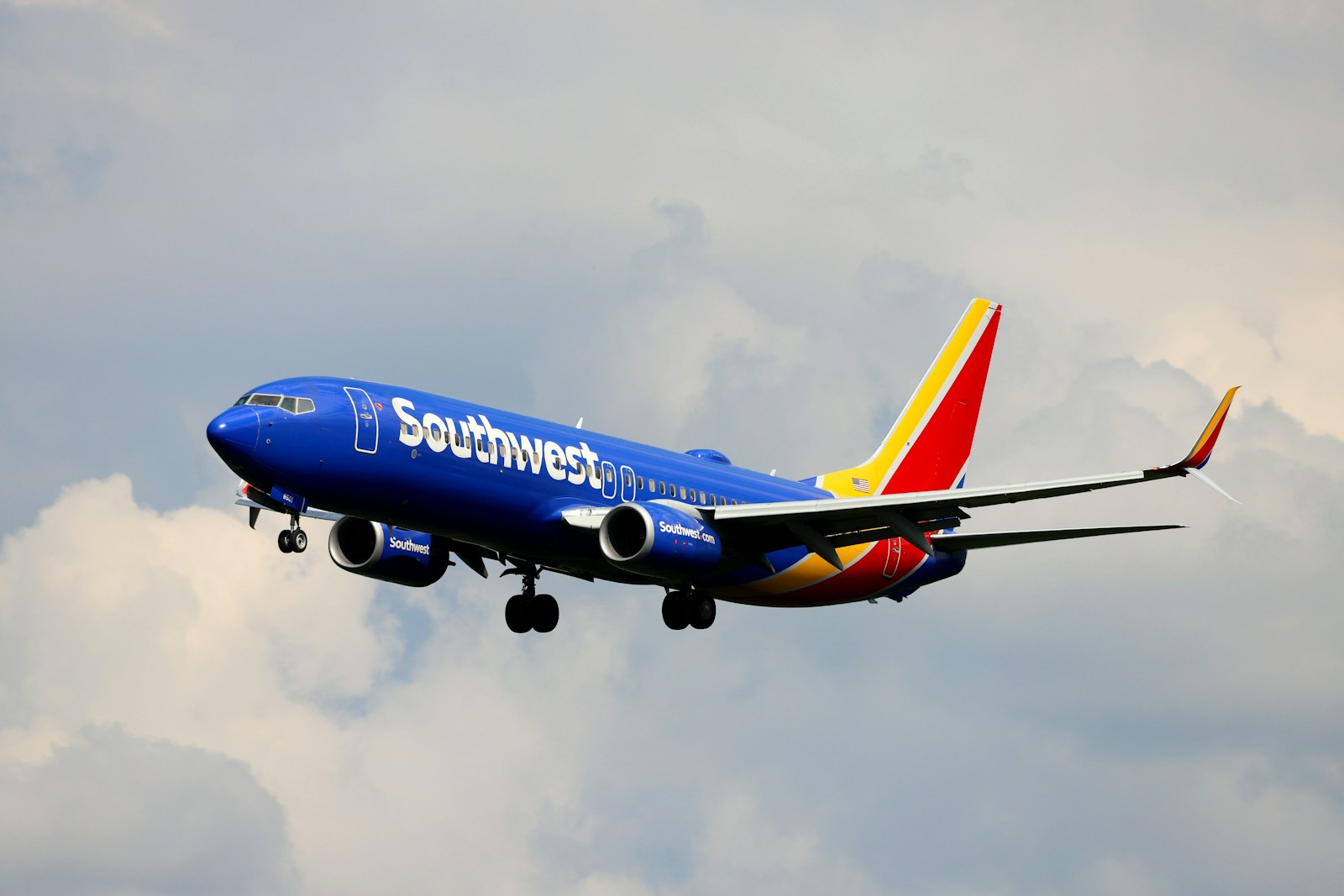
1. Southwest Airlines â Best for Flexible Travel and Free Bags
Southwest sits at the top of this list for a reason. Their policy of two free checked bags is a real differentiator, especially for longer trips or families. No other major budget carrier in the US matches this. On top of that, they donât charge change fees, which gives you real flexibility if your plans shift.
The tradeoff is a limited international network. They serve the Caribbean and Mexico well, but you wonât find them flying to Europe or Asia. You also get open seating, which means no assigned seat unless you pay for EarlyBird check-in. For some travelers, thatâs a minor annoyance. For others, itâs a dealbreaker.
Southwest is best for domestic US travel where you want simplicity and no surprises. Their boarding process is straightforward, their staff is generally helpful, and the points program is one of the more rewarding in the industry. If youâre flying within the US with luggage, this is almost always the smartest pick.
2. Ryanair â Best for Ultra-Low Fares in Europe (With a Catch)
Ryanair is the king of European budget travel for a simple reason: their base fares can be shockingly low. Iâve seen flights between major cities for under â¬20. But the catch is that every extra service costs money, and they enforce their rules strictly. If you show up at the gate with a bag thatâs an inch too big, youâll pay a steep fee.
The smartest way to fly Ryanair is to pack everything into a single personal item (their strict size limit is smaller than many competitors) and check in online before you arrive at the airport. Forgetting to print your boarding pass or check in ahead of time can cost you more than the flight itself. Their customer service is notoriously difficult to reach, so itâs best to avoid needing any assistance. Travelers dealing with Ryanairâs strict size limits often benefit from a personal item travel bag designed to fit their sizer.
Ryanair works well for short hops where you can travel light and youâre willing to follow every rule to the letter. Itâs not the most comfortable experience, but for the price, itâs hard to beat if you know what youâre doing.
3. Frontier Airlines â Lowest Base Fares, But Watch the Extras
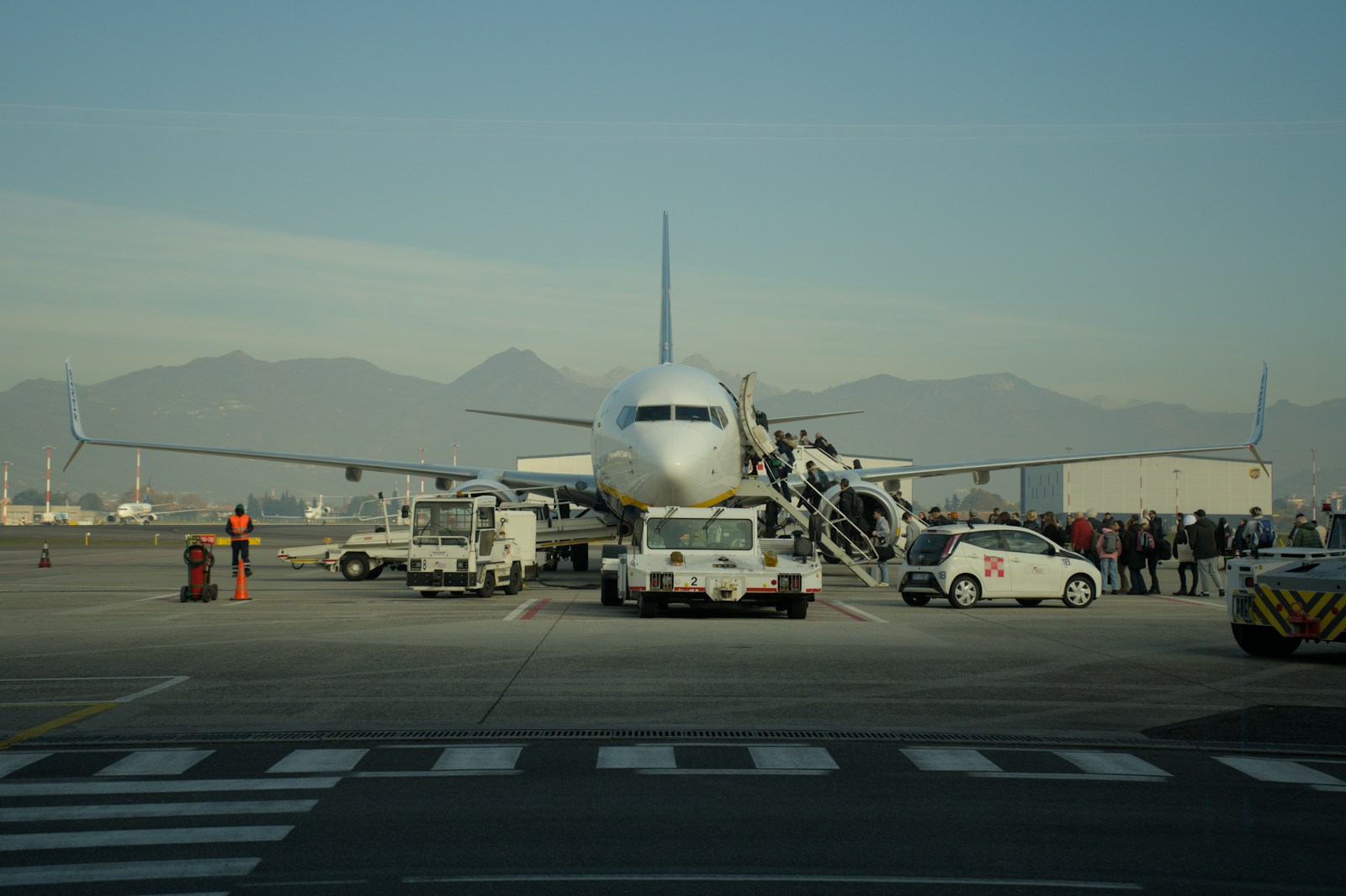
Frontier competes directly with Spirit Airlines for the title of Americaâs most bare-bones carrier. Their base fares are often the lowest youâll see for domestic routes, especially for shorter hauls. But you pay for absolutely everything else: carry-on bags, checked bags, seat selection, and even a bottle of water.
The key to flying Frontier is to treat it like a bus ride. Pack only what fits under the seat in front of you (think a small backpack or duffel) and skip every add-on. If you need a carry-on, the cost can easily bump your total fare up to what a legacy carrier like Delta or United charges. Their seat pitch is tight, so taller passengers may find it uncomfortable for anything over two hours.
Frontier is best for solo travelers on short domestic routes who can pack light and donât mind a no-frills experience. If youâre flying with a family or need to check bags, a full-service airline or Southwest will almost always be a better value in practice.
4. AirAsia â Dominates Southeast Asia on Price and Reach
AirAsia is the dominant budget carrier in Southeast Asia, and for good reason. Their route network is extensive, connecting cities like Bangkok, Kuala Lumpur, Singapore, and Bali with fares that often feel impossibly low. They run frequent flash sales where you can book flights for under $30, and their app makes managing bookings straightforward.
Like other budget airlines, add-ons add up quickly. Meals, luggage, and seat selection are all paid extras. Their baggage policy is clear, but they weigh carry-on bags at the gate, so donât push the limit. Booking during promos and adding bags during the initial purchase (rather than later) saves you money. Frequent flyers may find a digital luggage scale useful to avoid overweight baggage fees at the gate.
AirAsiaâs hub at Kuala Lumpur International Airport is surprisingly functional, with good connection options. For travelers exploring Southeast Asia on a budget, this airline is basically essential. Just be prepared for a tight seat and minimal service on board.
5. JetBlue â Budget Pricing, Premium Feel (Domestic US)
JetBlue blurs the line between budget and full-service. Their base fares are competitive with Spirit and Frontier, but the experience is noticeably better. Legroom on JetBlue is among the best in the US domestic market, and they offer free high-speed Wi-Fi on most flights. You also get complimentary snacks and drinks.
Their route network is strong along the East Coast and into Florida, the Caribbean, and parts of the West Coast. Theyâve also started flying to London from New York and Boston, which is a rare premium touch from a budget carrier. The main downside is that they donât fly to as many cities as Southwest or American, so you may not be able to use them everywhere.
JetBlue is ideal for travelers who want a comfortable economy experience without paying full-service prices. If youâre flying between major US cities and value legroom and free Wi-Fi, this is a solid choice.
Budget Airline Fees: The Hidden Costs That Change the True Price
This is where budget airlines separate themselves from full-service carriers. Understanding the fee structure is essential for comparing true prices. Hereâs a breakdown of common fees youâll encounter across the carriers listed above.
- Checked Bags: Southwest offers two free checked bags. Most others charge $35 to $60 per bag each way. Ryanair and Frontier often charge more for heavier or oversized bags.
- Carry-On Bags: Frontier and Spirit charge for carry-on bags above a personal item. Ryanair is strict about size. Southwest and JetBlue include one carry-on and one personal item in the base fare.
- Seat Selection: Most budget airlines charge for advanced seat selection. Southwest uses open seating, so you can avoid this fee if you check in on time. Ryanair charges for reserved seats.
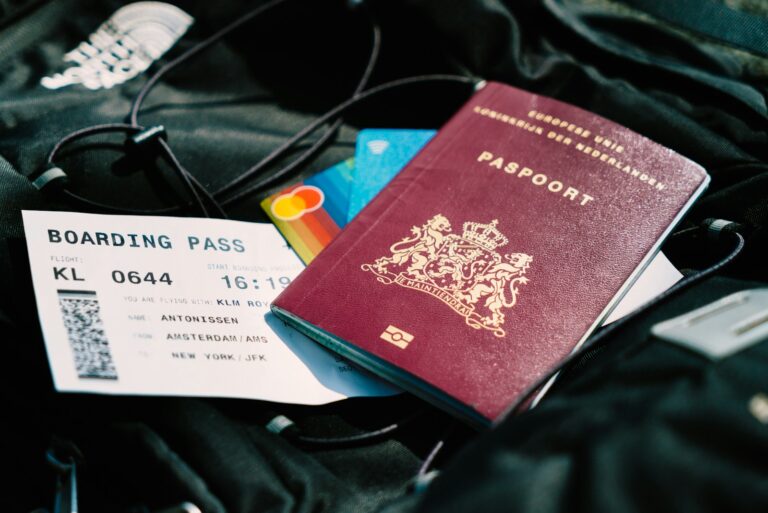
- Printing Boarding Passes: Ryanair charges a fee if you need to print your boarding pass at the airport. Always check in online and print or save the pass beforehand.
- Priority Boarding: This is a common add-on that ranges from $10 to $40 depending on the airline. Itâs usually unnecessary if you travel light and check in on time.
- Refreshments: Forget free peanuts. Most budget airlines charge for drinks and snacks. JetBlue is the outlier with free snacks and drinks.
To calculate the true cost of a budget flight, add all the fees youâll actually need (bags, seat selection, etc.) to the base fare. Then compare that total to a full-service airline for the same route. Often, the difference is smaller than you expect.
Budget Airlines vs. Full-Service: When to Choose Which
Thereâs no universal answer to whether budget or full-service is better. It depends entirely on your trip. Let me give you a few practical rules.
Choose budget when: Youâre flying a short route (under three hours), you can pack light (one personal item or a small carry-on), and youâre flexible with flight times. Short hops are where budget airlines shine because the lack of frills doesnât matter much.
Choose full-service when: Youâre flying long haul, youâre connecting through a hub, or youâre checking luggage. On long flights, the extra legroom, included meals, and better service make a real difference. Also, if you miss a connection on a budget airline, youâre often on your own. Full-service carriers have more robust rebooking networks.
Watch for fare bundling: Sometimes a full-service airlineâs basic economy fare, once you add bags and seat selection, ends up costing more than a budget airlineâs total. But also watch for budget airlines that inflate their price with mandatory add-ons. Always do the math for your specific trip.
Common Mistakes to Avoid When Booking Budget Airlines
Over the years, Iâve seen travelers make the same errors repeatedly. Here are the ones that cost the most money and stress.
Skipping add-on fees during booking: Adding a checked bag or seat selection during the initial purchase is almost always cheaper than adding them later. Book everything you need upfront.
Ignoring carry-on size limits: Ryanair, Frontier, and Spirit are famously strict. They have sizers at the gate, and if your bag doesnât fit, youâll pay a premium fee. Measure your bag before you leave home.
Forgetting to check in online: Many budget airlines charge a fee for airport check-in or printing a boarding pass. Set a reminder to check in online 24 hours before departure.
Not booking directly with the airline: Third-party sites might show a cheaper fare, but if something goes wrong, youâre stuck dealing with a middleman. Book directly on the airlineâs website for easier customer service.
Overpacking for a personal item only: If youâre flying Frontier or Ryanair and only bringing a personal item, make sure it fits under the seat. A bag thatâs too big will be flagged as a carry-on and cost you additional money.
How to Book Budget Flights Without Losing Your Mind
Booking a budget flight doesnât have to be stressful. A little planning goes a long way. Hereâs my process.
Use incognito mode or clear your cookies: Airline websites track your searches and may increase fares if they see repeated interest. Searching in private mode avoids this.
Compare on Skyscanner or Google Flights: These tools show you which airlines fly a given route and what prices look like. Theyâre great for initial research. But once you decide, book directly on the airlineâs site.
Check alternate nearby airports: Flying into a smaller airport near your destination can save significant money. For example, flying into London Stansted instead of Heathrow, or into Chicago Midway instead of OâHare.
Add bags during booking: This is the single biggest money saver. Adding a checked bag or carry-on during the initial purchase costs half what it does at the airport.
Consider travel insurance: Budget airline tickets are often non-refundable. A basic travel insurance policy can protect your investment if plans change. Itâs optional but worth considering for pricier bookings.
Best Budget Airlines for Specific Routes or Regions
Hereâs a quick regional breakdown to help you decide faster.
Europe: Ryanair and EasyJet dominate. Ryanair has the lowest base fares but stricter rules. EasyJet is slightly more forgiving and often flies from more central airports. For longer European routes, consider Wizz Air.
Asia: AirAsia is the clear leader for Southeast Asia. Scoot covers Singapore and Australia well. For domestic Indian routes, IndiGo is reliable and affordable.
Americas: Southwest leads for domestic US with free bags. JetBlue offers a better comfort-to-price ratio. In South America, consider JetSmart or Volaris for Mexico and Central America.
Oceania: Jetstar is the main budget player for domestic Australian routes and flights to New Zealand, Bali, and parts of Asia. Itâs owned by Qantas, which means decent reliability.
Final Verdict: Which Budget Airline Should You Book?
Thereâs no single âbestâ airline for everyone. It depends on your route, your luggage, and your tolerance for rules. But hereâs my final recommendation by traveler type.
For flexibility and free bags: Southwest Airlines is your best bet for domestic US travel. The two checked bags and no change fees are unmatched.
For the absolute lowest fare: Ryanair delivers unbeatable base prices for short European hops, provided you pack light and follow every rule.
For domestic US on a shoestring: Frontier works if you travel solo with only a personal item. Just watch the add-on costs.
For Southeast Asia: AirAsia is the backbone of affordable regional travel. Use their promos and plan ahead.
For a bit more comfort: JetBlue offers a premium budget experience with free Wi-Fi and decent legroom.
Use the booking links provided throughout this article to compare fares and book your next trip. A little research upfront saves you both money and headaches at the airport.