Best Free Things to Do in Major Cities Around the World
Why Free Things Matter for City Travelers
Over the years, I’ve booked a lot of city trips for clients. The thing that eats into a travel budget more than anything else isn’t flights or hotelsâit’s the cost of daily activities. You arrive in a major city, look at a list of attractions, and suddenly you’re dropping $50 to $100 per person just to see what everyone says you need to see. That adds up fast, especially for families or solo travelers stretching a limited fund.
Seeking out free things to do in cities isn’t about being cheap. It’s about being smart with your money so you can spend on what genuinely matters to youâwhether that’s a memorable meal, a nicer hotel room, or an extra day of travel. Free attractions also tend to be where locals actually spend their time. A park, a public market, a walking path along the riverâthese are the spaces where you get a real sense of a place, not just the curated version sold by a ticket counter.
That said, not all free attractions are equal. Some require advance reservations. Others depend on specific days of the week or seasonal hours. A few are simply too crowded and not worth the hassle. The trick is knowing which ones deliver a genuine experience and which ones are just “free” in name only. I’ve seen travelers show up to a “free museum” only to find the main galleries are paid and the free section is a tiny lobby with three postcards. Do your research before you go, and you’ll avoid these traps.

How to Find Free Things in Any City
You don’t need to be a travel agent to find solid free activities. Here’s the method I teach my clients, and it works in pretty much any major city.
Start with the official tourism website. Most city tourism boards keep updated lists of free attractions, free museum days, and seasonal events. This is far more reliable than a random blog post from 2019. Look under sections like “budget travel” or “free things to do.”
Search social media specifically. Facebook groups for expats or budget travelers in your destination city are gold mines. Search “free [city name] [day of week]” and you’ll often find posts about free gallery openings, free walking tours, or free cultural events that never make it to the big travel sites. Reddit is also usefulâsubreddits like r/solotravel or city-specific subs often have current threads.
Ask at your accommodation. Hostel front desks and hotel concierges usually know what’s free that week. They deal with budget-conscious travelers every day. Just be specific: “Are there any free events happening this weekend?” rather than a vague “What’s free around here?”
Don’t rely on outdated blog lists. This is a common mistake I see. Someone writes a list of “10 Free Things in Rome” in 2018, and by 2025, half those things have changedâhours shifted, free days cancelled, or venues closed. Always verify dates and times on the official source before you plan your day around it.
One practical item I always recommend for this kind of on-the-go research is a rechargeable phone power bank. You’ll be checking maps, opening websites, and confirming details constantly. A dead phone halfway through a free walking tour is a disaster. A small, lightweight power bank keeps you going all day without hunting for cafes with outlets.
London: Free Museums, Parks, and Markets
London is one of the best cities in the world for free attractionsâif you know where to look. Major museums like the British Museum and the Natural History Museum are completely free to enter. Not “free on certain days.” Free always. That alone can save you £50 or more compared to a day at paid attractions like the London Eye or Madame Tussauds.
The British Museum is enormous and overwhelming if you try to see it all in one go. I recommend going earlyâopening time on a weekdayâand focusing on a few key galleries like the Rosetta Stone and the Egyptian mummies. The paid temporary exhibitions are skippable unless you have a specific interest. The permanent collection is world-class and free.
Hyde Park is a no-brainer for a free afternoon. It’s massive, it’s beautiful, and it pairs well with a walk through Kensington Gardens. Pack a sandwich and sit by the Serpentine. You’ll see locals jogging, reading, and relaxingâit isn’t a tourist trap; it’s real London daily life.
Borough Market has free entry, though the food inside isn’t free. Still, just walking through and soaking up the atmosphere is worth it. Go early on a Saturday to avoid the worst crowds. The South Bank walk from the London Eye along the Thames to Tower Bridge is also free and offers fantastic city views. I tell clients to do this stretch instead of paying for a river cruiseâyou get the same scenery at your own pace.
One insider tip: several museums offer free guided tours of their permanent collections. Check the museum’s website when you arriveâsometimes these tours are first-come, first-served and fill up fast. They’re run by knowledgeable volunteers and add real depth to your visit.
For getting around, a London travel card or Oyster card is essential. Tapping in and out with a contactless card works too, but a pre-loaded Oyster card is simpler for visitors. You’ll move between free attractions efficiently without overspending on taxis.
New York City: Free Art, Views, and Walks
New York is expensive, no question. But genuine free experiences rival anything you’d pay for.
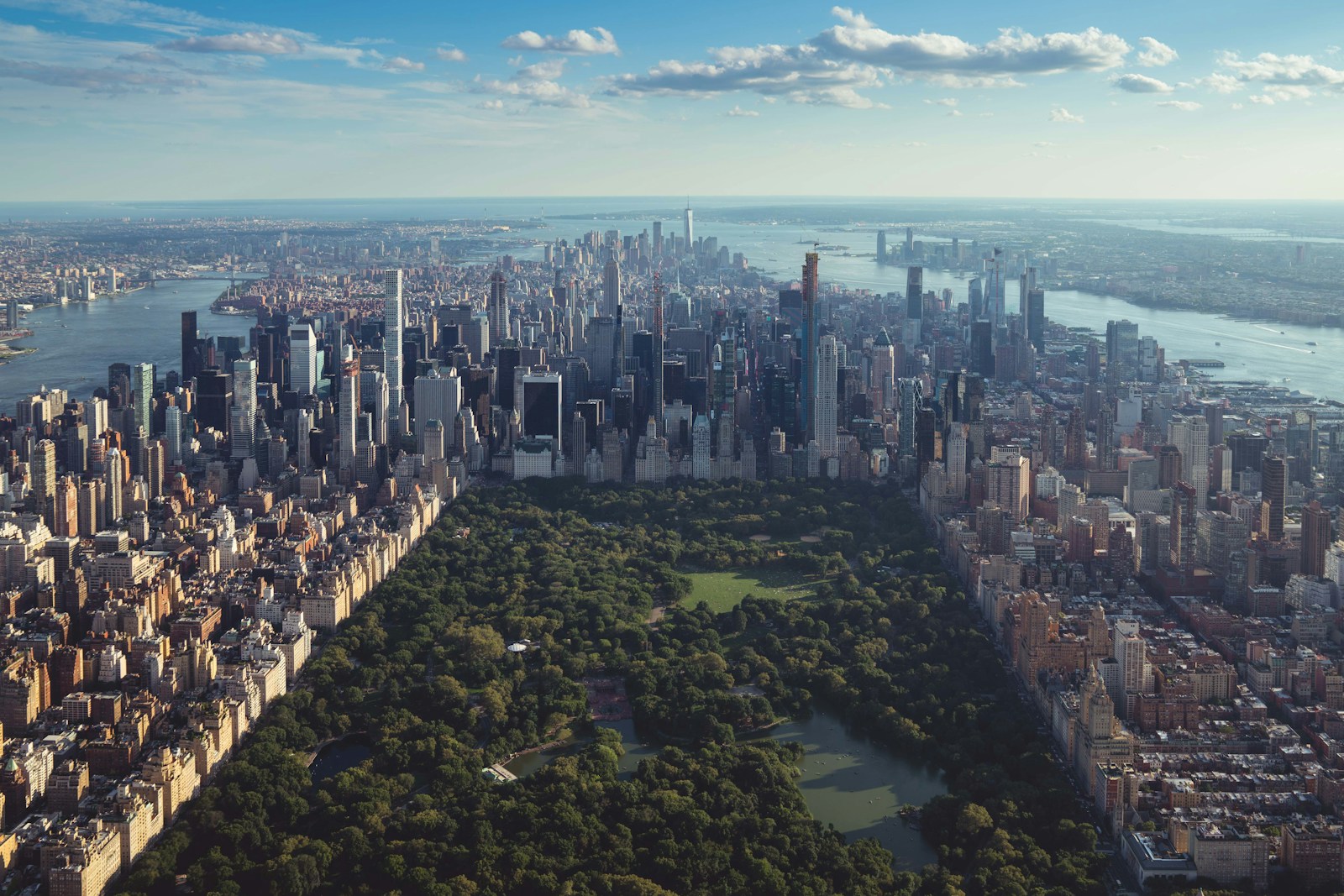
Central Park is obvious but worth stating. You can spend an entire day just walking its paths, watching street performers, and exploring hidden spots like the Conservatory Garden or Belvedere Castle. It’s free, it’s massive, and it’s a genuine escape from the city noise.
The Staten Island Ferry is one of the best free views in NYC. It runs 24/7 and gives you an up-close look at the Statue of Liberty and Ellis Island from the water. The round trip takes about an hour, and there’s no charge. Most tourists don’t get off on Staten Islandâthey just ride backâbut you can if you want. Best time to go is late afternoon for sunset views over the harbor.
Museums with free hours include MoMA on Friday evenings (check their current scheduleâit’s usually 4â8 PM). The Met and the American Museum of Natural History have pay-what-you-wish admission for New York State residents, but for out-of-state visitors, they’re paid. Some smaller museums like the Neue Galerie have free hours on certain days. Always verify before you go.
The High Line is a free elevated park built on old railroad tracks. It runs from the Meatpacking District to Hudson Yards and is fantastic for people-watching and photo opportunities. Go on a weekday morning to avoid the worst crowds.
The tradeoff with free attractions in NYC is crowds. MoMA’s free hours are packedâyou’ll be shoulder to shoulder. But for art lovers, it’s still worth it. I suggest arriving 30 minutes before the free period starts to queue early.
A compact, lightweight daypack is useful here. You’ll be walking a lotâbetween 8 to 12 miles some daysâand you need to carry water, snacks, a jacket, and maybe a guidebook. Something with comfortable straps and a water bottle pocket makes a real difference.
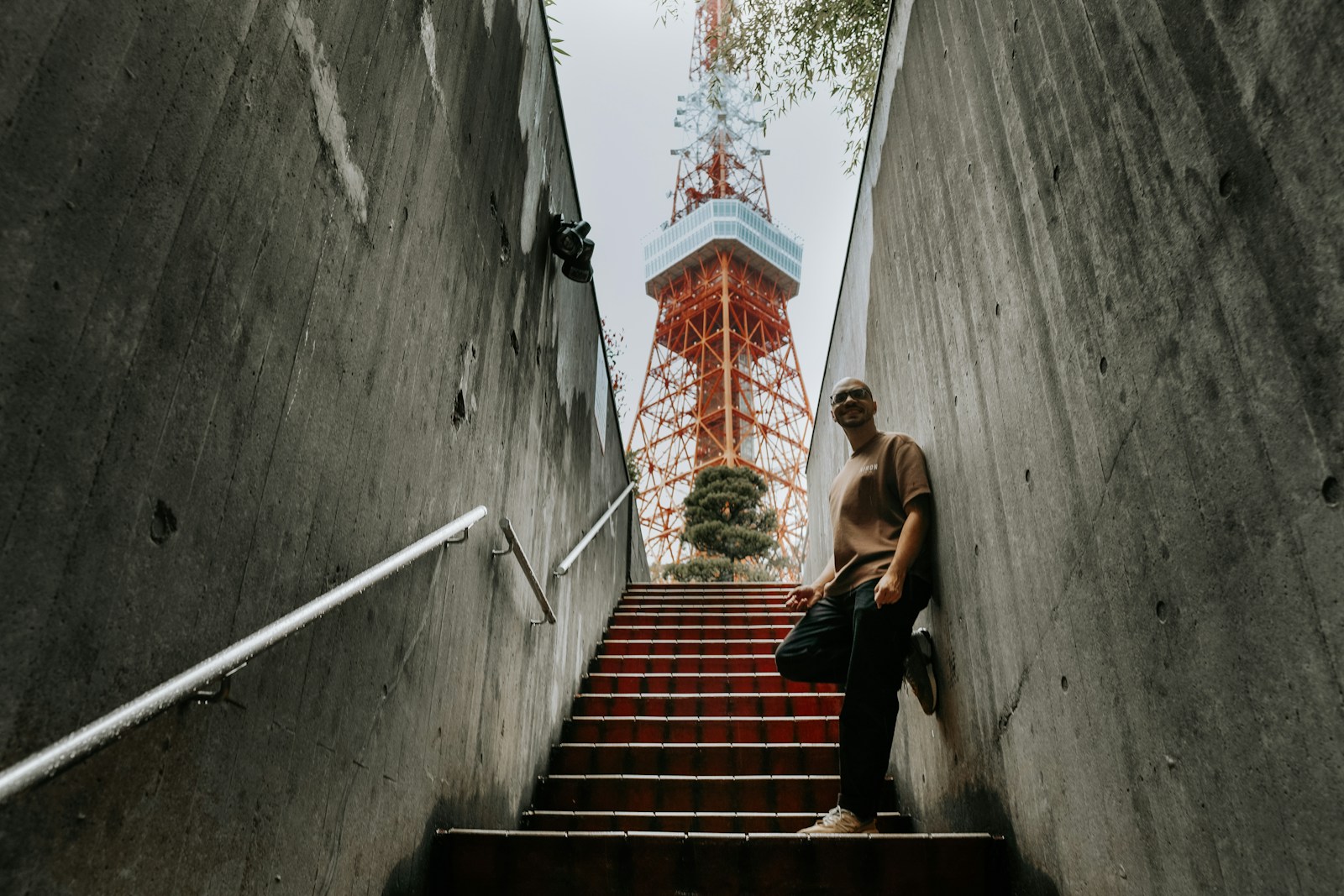
Tokyo: Free Temples, Gardens, and Districts
Tokyo is surprisingly generous with free attractions. You can spend several days without spending a yen on entry fees.
Meiji Shrine in Shibuya is free to enter. The shrine grounds are massive and peacefulâa quiet forest in the middle of the city. It’s a short walk from Harajuku Station, and you can easily combine it with a walk through Yoyogi Park, which is also free.
Senso-ji Temple in Asakusa is Tokyo’s oldest temple and completely free. The approach via Nakamise-dori is lined with shops selling souvenirs and snacks, though browsing is free. Go early in the morning to avoid the crowdsâby 10 AM it’s packed with tourists and school groups.
Free observation decks are rare in Tokyo, but the Tokyo Metropolitan Government Building in Shinjuku has one on the 45th floor that’s completely free. The view is excellent, especially at sunset. Another option is the free deck at the Bunkyo Civic Center, which offers a great view of Mount Fuji on clear days.
Some gardens in Tokyo have free days. Shinjuku Gyoen, for example, is usually paid but offers free entry on certain days like Greenery Day (May 4) and sometimes on the first Sunday of the month. Check the official garden website for the current schedule before planning your visit.
For getting around, a Suica card is essential. It’s a rechargeable IC card that works on Tokyo’s metro, buses, and even at convenience stores. Buy one at the airport or any major station. It makes moving between free attractions quick and easy without dealing with paper tickets.
A good travel wallet is worth investing in for Tokyo. You’ll be carrying cash (many places still don’t take cards), your Suica card, and various tickets and passes. Something with clear compartments keeps everything organized and accessible.
Paris: Free Attractions and Hidden Gems
Paris is famous for being expensive, but free experiences are everywhere if you know where to look.
Notre-Dame Cathedral is currently closed for restoration (expected to reopen in 2024 or later), but the exterior is still worth visiting, and the adjacent square and garden behind it are free and lovely. Sacré-Coeur Basilica in Montmartre is free to enter. The view from the steps is spectacular, and the surrounding neighborhood is full of free street art and winding streets to explore.
Luxembourg Gardens is my favorite free spot in Paris. It’s beautiful, well-maintained, and perfect for a picnic or just sitting with a book. The main entrance is free, and there are free tennis courts and playgrounds for kids.
Many museums in Paris offer free first Sunday of the month entry, including the Louvre, Musée d’Orsay, and Centre Pompidou. This is a great deal, but be prepared for massive crowds. I recommend going to a smaller museum on a free Sunday rather than the big onesâthe Musée Rodin or the Musée de l’Orangerie often have short lines and equally impressive collections.
Saint-Ouen flea market is free to browse, though the prices inside are not. It’s one of the largest markets in Europe and fascinating even if you don’t buy anything. Go early in the morning on a Saturday or Sunday to avoid the worst crowds.
One thing to be aware of: pickpockets target crowded free attractions in Parisâespecially Sacré-Coeur, the Metro, and street markets. Keep your phone and wallet in front pockets or a secure bag. A money belt worn under your clothes is a simple solution that gives peace of mind, especially in crowded areas. You can carry your cash, cards, and passport safely without worrying about pickpockets.
Comparing Free Offerings Across Other Major Cities
Beyond the big five, several other major cities offer excellent free attractions worth mentioning.
Sydney has the Royal Botanic Garden, which is free and stunning, plus the Bondi to Coogee coastal walkâabout 6 kilometers of incredible ocean views, completely free. The Art Gallery of New South Wales has free general admission and a solid collection of Australian and Aboriginal art.
Rome is trickier. The Pantheon switched to paid entry in 2023âit’s now â¬5. But you can still visit free sights like the Trevi Fountain (always crowded but free), Spanish Steps, and the Pantheon’s exterior. The free first Sunday of the month applies to many state museums like the Colosseum and Borghese Gallery, but these are extremely popularâbook if possible.
Barcelona offers free walking tours (tip-based) that cover the Gothic Quarter and Born neighborhoods. The beaches are free, and Parc de la Ciutadella is a large free park with a lake and zoo. Some markets like La Boqueria are free to enter, though the food inside is paid.
In terms of variety, London and New York offer the most diverse free experiencesâmuseums, parks, walks, and cultural events. Paris and Tokyo are close behind but require more careful timing due to free days and seasonal changes. For families, London and Sydney are the most family-friendly. For solo travelers, Tokyo and Barcelona are easy to navigate alone.
Policies change. I’ve seen free attractions become paid and vice versa. Always check the official website just before your tripânot a month before, but the night before if possible. A quick “free things in [city] [current month]” search saves you from disappointment.
Common Mistakes When Seeking Free Things in Cities
I’ve made these mistakes myself, and I’ve seen clients make them too. Here’s what to watch out for.
Not checking hours or closures. Free attractions close on certain days. Many museums in Paris and Rome close on Mondays or Tuesdays. National holidays can shut down entire cities. I once had a client show up for a free museum day in Barcelona only to find the museum was closed for a local holiday. A quick Google search beforehand would have saved the trip.
Ignoring hidden costs. “Free entry” sometimes means everything else costs. The Sistine Chapel is included in Vatican Museums entryâthat’s paid. But a “free museum” might charge for a coat check, a mandatory bag storage fee, or a separate fee for the special exhibition you actually want to see. Read the fine print.
Forgetting weather. Free walking tours, outdoor festivals, and park visits depend on good weather. In London or New York, rain can ruin a free walking tour. Always have a backup plan: a free indoor museum or a covered market. Check the forecast and pack accordingly.
Assuming free equals easy. Free attractions are popular. They often have long lines, especially on weekends and holidays. For the Staten Island Ferry or museum free hours, plan to wait. Go early, or go on a weekday if you can.
The simple fix for all these mistakes is preparation. Check hours, read the official website, look at recent reviews for crowd levels, and always have a backup plan. A flexible attitude is your best tool.
How to Balance Free and Paid Activities on a City Trip
You don’t have to go all-free or all-paid. A balanced trip is more enjoyable and often more memorable.
Think of your day in terms of peaks and valleys. A free museum in the morning gives you cultural depth without spending money. A paid lunch at a local bistro gives you a real taste of the city. A free park or walk in the afternoon lets you decompress. The paid parts feel more special when they’re not the whole day.
Free attractions tend to be more time-consuming due to crowds and queues. A paid museum with a timed ticket gets you in within minutes, while a free museum might have you waiting 30 to 45 minutes. Consider this when planning your day. If you only have one day in a city, paying for a fast-track ticket might be worth it to save time. If you have several days, free attractions are fine.
Another tradeoff: free things are often less curated. You might visit a free park that’s beautiful but lacking amenities like clean restrooms or nearby food. Paid attractions usually have better facilities. Plan accordingly.
To keep everything organized, I recommend a travel planning notebook or a simple note-taking app. Jot down your free attractions, their hours, and nearby cafes or restrooms. A little structure goes a long way in preventing wasted time.
Final Tips for Making the Most of Free City Experiences
To wrap this up, here’s a quick summary.
Research ahead. Use official tourism sites, current social media posts, and your accommodation’s recommendations. Verify dates and times the night before. Be flexibleâif one free attraction is closed, have a backup ready. Carry essentials like a power bank, water bottle, snack, and comfortable shoes. Pack light but smartâa small daypack covers most needs.
Free city experiences are genuinely rewarding when you approach them with good planning and realistic expectations. They save you money, give you local depth, and let you see a city on its own terms rather than through a ticket window.
If you want help planning a trip that maximizes free activities without missing the paid gems, Bob’s Travel Service can put together a personalized itinerary for you. We know the free days, the hidden parks, and the best walking routes in major cities worldwide. Just reach out, and we’ll make your travel budget stretch further while keeping your experience rich.
One final practical note: always double-check free offers just before you go. Hours, policies, and free days change without much notice. A quick check the morning of will save time, frustration, and disappointment.