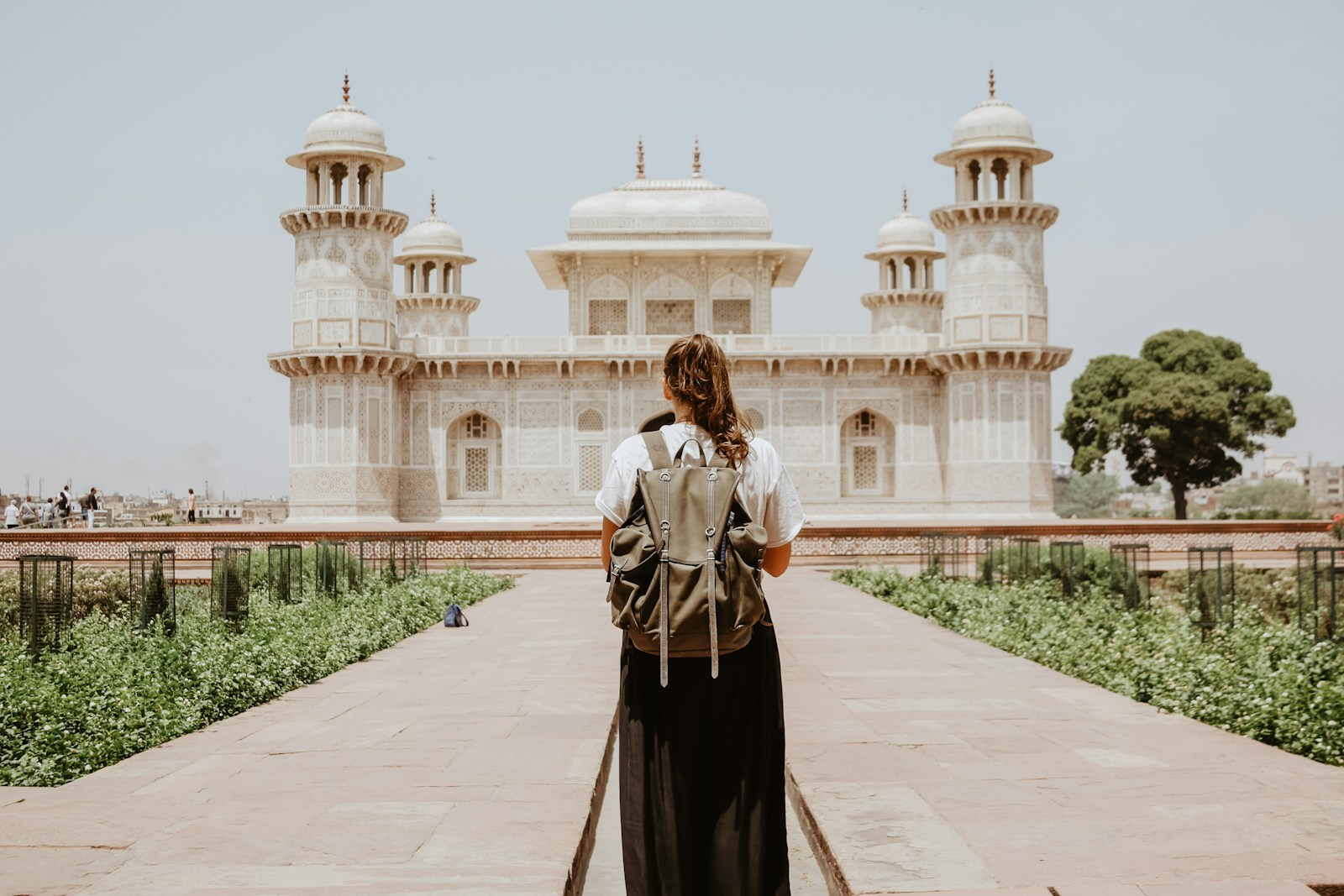
Solo Female Budget Travel Tips: How to See More for Less Without Sacrificing Safety
Why Budgeting Is Different for Solo Female Travelers
When you travel alone, every cost lands on you. There is no one to split a taxi fare, share a meal, or divide a hotel room bill. That reality makes solo female budget travel tips more than just advice on finding cheap flights. It is about making smart trade-offs between cost, safety, and comfort.
Over the years, I have booked trips for dozens of women heading out on their own. The single biggest financial surprise for most of them is the solo supplement. Many tours and hotels charge you extra simply because you are not sharing a room. That $50 per person double occupancy room becomes $85 for one person. It adds up fast.
Then there are the safety-related costs that men rarely think about. A private room in a safe neighborhood costs more than a bunk in a mixed dorm. Taking an Uber instead of a late-night bus adds $10 or $15 to your daily budget. These are not luxuries. They are sensible decisions that protect you.
But here is the thing. You can still travel well on a modest budget if you plan for these realities. The key is knowing where to spend and where to cut. That is what this guide covers. Not generic penny-pinching advice. Practical, experience-based strategies that work for women traveling alone.
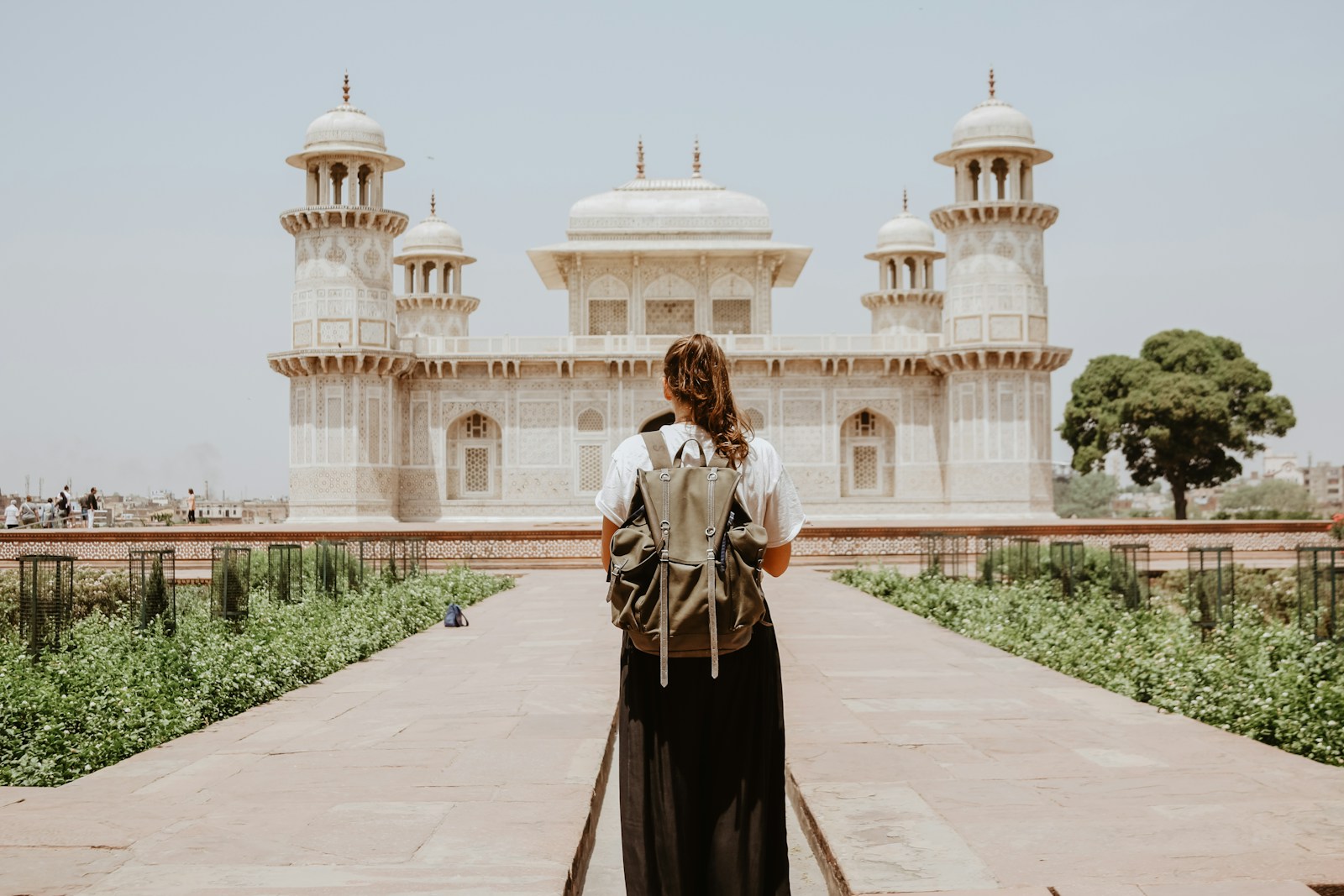
1. Book Smart: Flights, Accommodation, and Timing
The biggest savings start before you leave home. Booking flights at the right time and choosing accommodation strategically can free up hundreds of dollars for experiences.
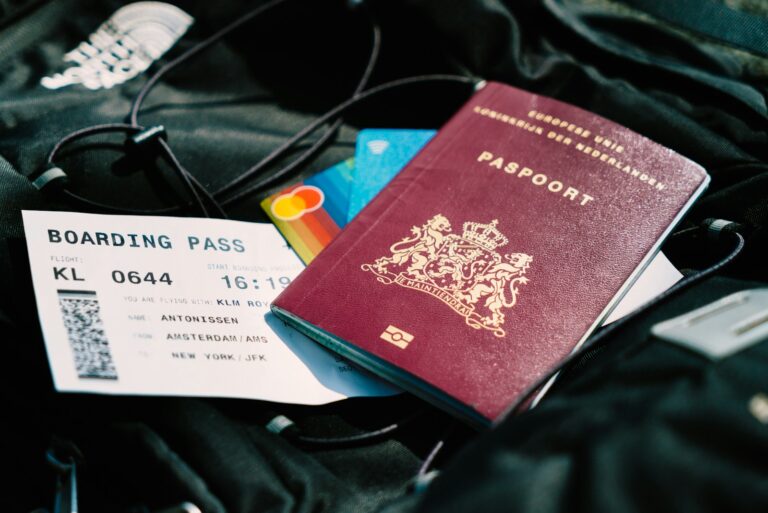
For flights, Tuesday mid-day is often the sweet spot for deals. Airlines frequently release new fares on Monday evenings, and competitors match them by Tuesday. Set fare alerts on Skyscanner and Google Flights. Do not book the first price you see. Wait a day and compare. Use incognito mode when searching because some sites track your visits and nudge prices up.
Budget airlines can save you money, but read the fine print. A $29 flight to Europe might cost $100 after baggage fees and seat selection. Compare the total price, not the base fare. Sometimes a full-service carrier with included baggage works out cheaper.
For accommodation, book with free cancellation whenever possible. Your plans might change, especially if you meet other travelers and decide to move on together. Hostelworld and Booking.com both offer flexible booking options. Sort by price but filter for female-only dorms if you want extra comfort without paying for a private room.
Timing matters too. Off-peak seasons are your friend. Traveling to Europe in October instead of July cuts flight and hotel costs by 30 to 50 percent. Shoulder seasons like May and September offer good weather and low crowds without peak prices.
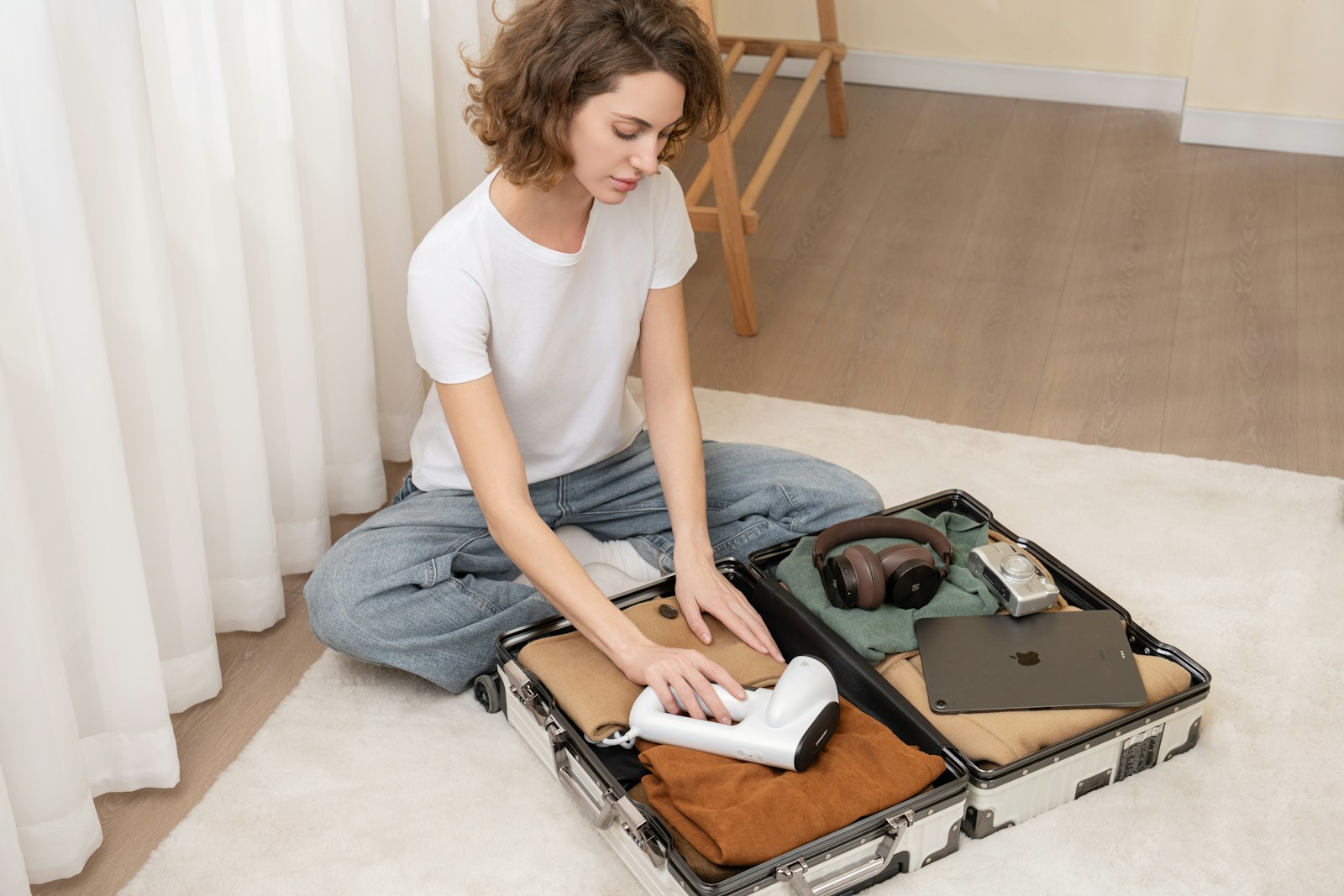
A good travel backpack can save you baggage fees and hassle. Look for one with a detachable daypack so you do not need to buy a separate bag. A luggage scale is another smart investment. Overweight baggage fees eat into your budget fast. A small digital scale costs around $10 and pays for itself on the first trip. If you are shopping for options, a compact digital luggage scale is worth considering.
2. Free and Low-Cost Accommodation Options Beyond Hostels
Hostels are the default budget option, but they are not the only one. Depending on where you are going and what you value, several alternatives can save you money while offering a different experience.
Female-only dorms are a good middle ground. They cost slightly more than mixed dorms but less than private rooms. Many women find them more comfortable and quieter. Some hostels even offer female-only floors with added security measures like key card access.
Guesthouses and family-run B&Bs are often cheaper than hotels and give you a more local experience. In Southeast Asia and Latin America, you can find private rooms in guesthouses for the same price as a hostel dorm. Breakfast is often included, which saves you one meal per day.
Couchsurfing is free but requires careful vetting. Read multiple reviews from other women. Message female hosts or couples if you are unsure. Never stay with someone who has no references or makes you uncomfortable. I have used Couchsurfing safely in about a dozen countries, but I always have a backup plan. Carry enough cash for a last-minute hostel.
House sitting is another option for longer trips. Websites like TrustedHousesitters connect you with homeowners who need someone to watch their pets and plants. In exchange, you stay for free. It is not a quick fix for a weekend trip, but for a month-long stay, it can eliminate accommodation costs entirely.
Whatever option you choose, be wary of fake listings. Scammers post photos of beautiful apartments that do not exist. They ask for a deposit to hold the booking and then disappear. Only book through reputable platforms that verify listings. If a deal looks too good to be true, it probably is.
A portable door lock adds security to any room. It costs about $15 and works on most hotel and hostel doors. For those who prefer an extra layer of safety, a portable door lock for travel is a practical choice. A small travel safety alarm is another affordable item that can deter unwanted attention. Both are worth the small investment for peace of mind, especially in budget accommodation.
3. Eating Well on a Shoestring: Street Food, Markets, and Self-Catering
Food is one of the easiest places to save money without sacrificing quality. In many countries, the best meals come from street stalls and local markets, not restaurants.
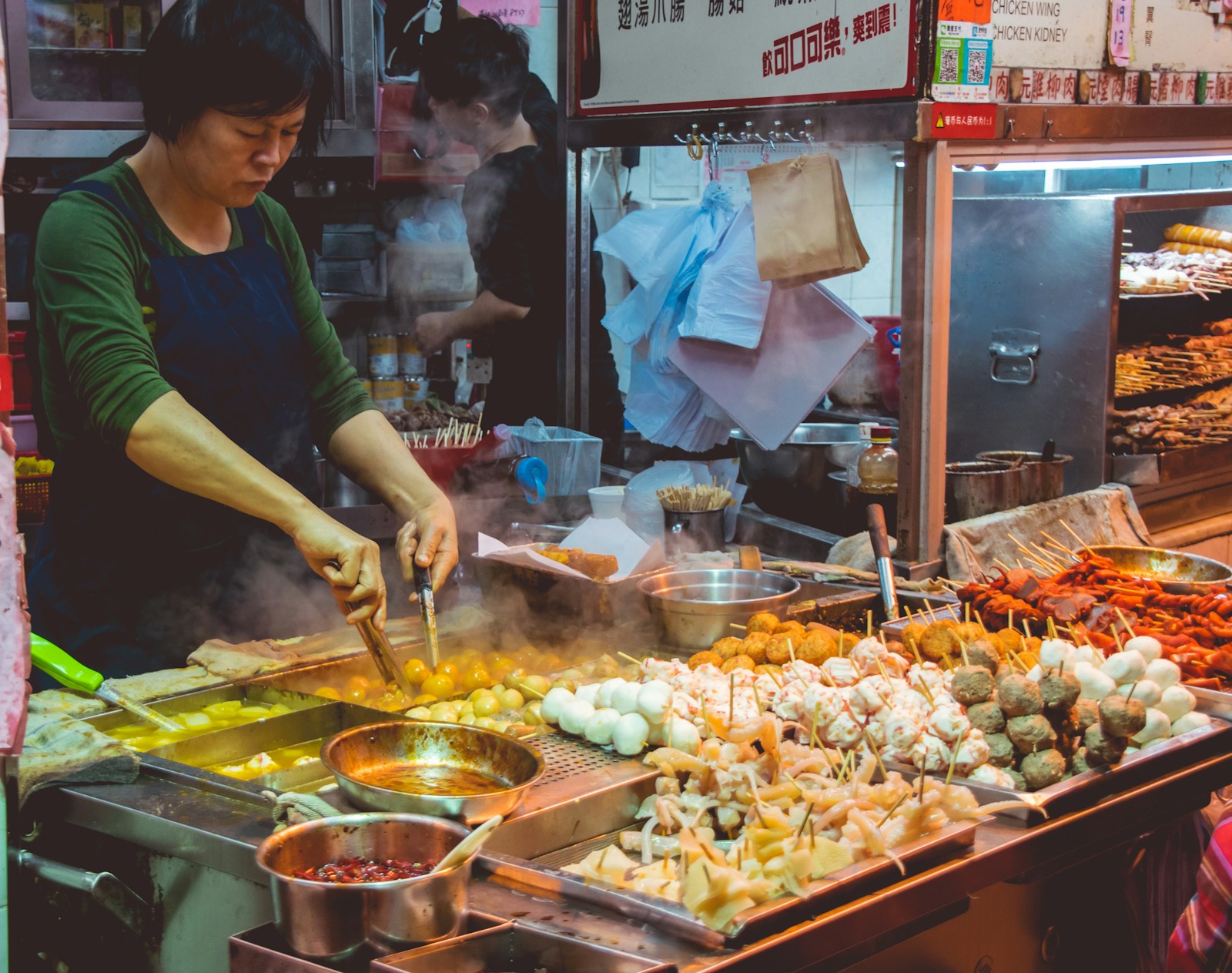
Eat where locals eat. If you see a queue of people waiting for a food stall, join it. The food is usually fresh, cheap, and safe because the vendor has a high turnover. In Thailand, a bowl of pad thai from a street vendor costs about $1.50. The same dish in a tourist restaurant costs $8.
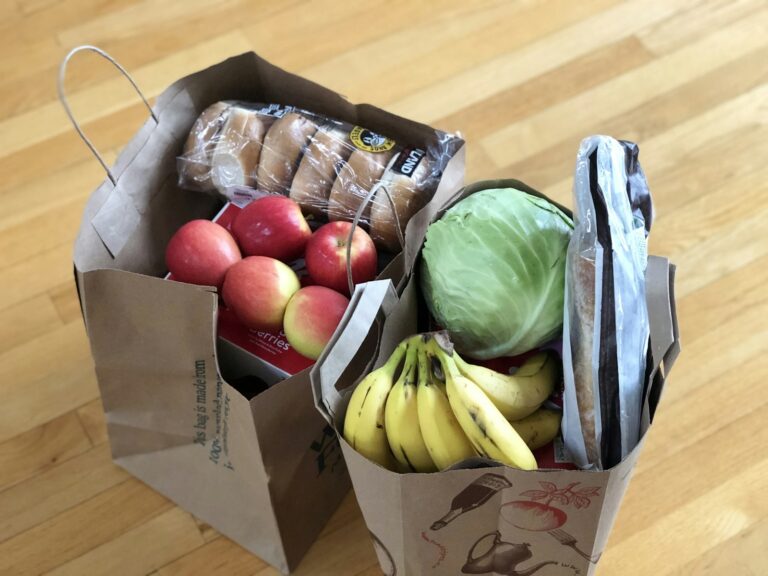
Markets are another great option. You can buy fresh fruit, bread, cheese, and prepared foods for a fraction of restaurant prices. Pack a picnic and eat in a park. It is cheaper and often more enjoyable than sitting in a crowded cafe.
If your accommodation has a kitchen, use it. Cooking one or two meals per day saves a lot. Buy ingredients from local grocery stores rather than tourist-oriented shops. A simple pasta dinner with vegetables costs maybe $2. Eating out for every meal adds up fast.
Street food is generally safe in most popular travel destinations, but use common sense. Avoid stalls that look unclean or have food sitting out for hours. Watch how the vendor handles money and food. If they handle cash and then touch your food without washing hands, skip it.
A reusable water bottle with a built-in filter saves money and reduces plastic waste. In countries where tap water is not safe to drink, you can fill it from any tap and the filter makes it safe. No need to buy bottled water multiple times per day. A good filter bottle costs around $30 and lasts for months. A reusable filter water bottle is a smart buy for longer trips.
4. Getting Around: Cheap Transport That Keeps You Safe
Transport can eat up a big chunk of your budget if you are not careful. The cheapest option is not always the safest, especially for women traveling alone. You need to balance cost with personal security.
Public buses are usually the cheapest way to get between cities. In Europe, FlixBus and similar companies offer fares as low as $5 if you book ahead. In Southeast Asia, local buses cost pennies. The trade-off is time. Buses take longer than trains or flights. If you have a flexible schedule, overnight buses save both money and accommodation costs.
Ridesharing apps like BlaBlaCar are popular in Europe and parts of Latin America. You pay a small fee to ride with someone going the same direction. It is cheaper than a train and often faster than a bus. Check the driver ratings and only ride with verified profiles. Let someone at home know your route and estimated arrival time.
Overnight trains are a classic solo travel hack. You pay for transport and accommodation in one ticket. A sleeper cabin costs more than a seat but is still cheaper than a hotel room plus a daytime train ticket. Book the women-only compartment if available. Many train companies offer this option now.
For getting around cities, walking is free and safe during the day. Join a free walking tour to orient yourself and get local tips. These tours run on tips, so pay what you think the tour was worth. Usually $5 to $10 is fine.
Ride-hailing apps like Uber and Grab are safer than hailing taxis off the street. The price is set upfront, so there is no negotiating. You also have the driver details and trip tracking. In countries where Uber is not available, use a local equivalent like Gojek in Indonesia or Careem in the Middle East.
A cashback travel card helps you manage transport expenses without worrying about exchange rates. Cards like Revolut or Wise offer real exchange rates and no foreign transaction fees. Load it with local currency before you travel and use it for buses, trains, and ride-hailing apps. A travel wallet with RFID blocking keeps your cards safe from digital pickpockets.
5. Free and Cheap Activities That Tourists Miss
You do not need to spend a lot to have meaningful experiences. Some of the best moments on the road cost nothing at all.
Free walking tours are available in almost every major city. They cover history, culture, and hidden spots. Guides work for tips, so you decide what it is worth. These tours are also a good way to meet other travelers if you are feeling lonely.
Many museums have free entry days. In Paris, the Louvre is free on the first Saturday of each month. In London, many museums are always free. Check the museum website before you go. A little planning can save you $20 or more per visit.
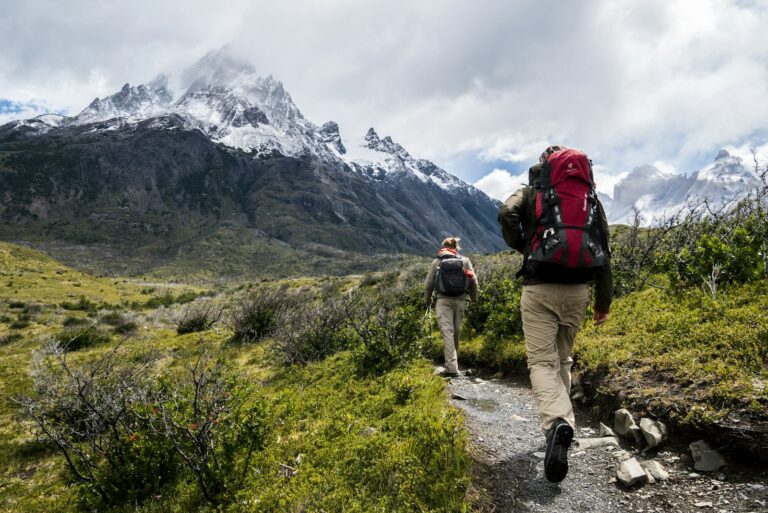
Hiking is free and gets you out of the city. National parks often have well-marked trails. Download offline maps before you go in case there is no signal. A portable power bank keeps your phone charged for navigation and emergencies. It is a small investment that prevents getting lost or stranded.
Local festivals are another free activity that tourists often miss. Check the tourism board website or ask at your hostel. Many festivals involve music, food, and street performances. They offer a genuine cultural experience without a ticket price.
Here is a realistic example of a budget-friendly day. Free walking tour in the morning. Lunch from a market. Afternoon at a free museum or park walk. Dinner from a street stall. Evening at a free concert or festival. Total cost for activities and food? Maybe $15 to $20. You will remember that day more than one spent on expensive tours.
6. Avoiding Single Supplements on Group Tours and Activities
Single supplements are frustrating. You pay more for the same tour or room just because you are alone. But there are ways around them.
Group tour companies like G Adventures and Intrepid offer some tours without single supplements. You share a room with another traveler of the same gender. If you are flexible about roommates, you save a lot. Check the tour details carefully. Some companies charge a supplement unless you request to share.
Booking through Hostelworld can also help. Many hostels offer tours and activities at a discount for guests. You can join a group tour without paying a solo premium. The social aspect is a bonus.
GetYourGuide and Viator list tours with transparent pricing. Filter by group size. Small group tours often cost less per person and feel safer for solo travelers. Read reviews specifically from solo women to see if they felt comfortable.
Facebook groups for solo female travelers are a goldmine. Search for groups dedicated to your destination. Women post about looking for tour mates, splitting costs, and sharing recommendations. Joining a few tours with someone you meet online can eliminate the single supplement entirely.
Plan ahead. Last-minute tour bookings often come with higher prices and fewer roommate options. Book popular tours at least a few weeks in advance. You will have more choices and better prices.
7. Budget-Friendly Safety Must-Haves That Double as Money Savers
Safety gear is not just about protection. Many items actually save you money by preventing losses or eliminating recurring costs.
A crossbody anti-theft bag is the best example. It keeps your valuables secure and within sight. If you do not lose your wallet or phone, you save hundreds of dollars in replacement costs. Look for one with slash-resistant straps and RFID blocking. A good one costs around $40 and lasts for years. A crossbody anti-theft travel bag is a worthwhile investment for any solo trip.
A portable safe lock allows you to use hostel lockers without paying a deposit. Many hostels charge $2 or $3 for a locker key deposit. If you have your own lock, you skip that fee. Over a long trip, those small fees add up. A combination lock is better than a key lock because you cannot lose the key.
A whistle or personal alarm serves two purposes. It deters potential threats, and it helps you feel confident walking home instead of taking an expensive taxi. If you are comfortable walking in a safe neighborhood, you save $10 or $15 per trip. That adds up over a month.
Situational awareness is more important than any gadget. Know where you are going and have a backup plan. Share your location with someone at home. Trust your instincts. If a street feels unsafe, even if it saves money, take the taxi.
The key is to spend on items that protect your money and your person. A cheap lock that breaks or a bag that tears is false economy. Buy quality once and it pays for itself.
8. Common Budget Mistakes Solo Female Travelers Make (And How to Avoid Them)
I have made most of these mistakes myself. They are easy to make and easy to fix once you know better.
Mistake 1: Booking accommodation too far from attractions. A cheap hotel on the outskirts looks like a deal until you spend $10 per day on transport to get anywhere. Sometimes paying a bit more for a central location actually saves money. Calculate the total cost before booking.
Mistake 2: Paying full price for last-minute flights. I once paid $400 for a flight that was $200 the week before. Setting fare alerts and booking at least three weeks in advance usually gets you a fair price. Last-minute deals are rare for popular routes.
Mistake 3: Buying overpriced travel insurance from the first site you see. Travel insurance is essential. But prices vary wildly. Use comparison sites like Squaremouth or Covermore to compare policies. Look for one that covers solo traveler-specific issues like trip interruption if you get sick alone. Do not skimp on coverage, but do not overpay either.
Mistake 4: Not using student or age discounts. Many museums, tours, and transport options offer discounts for students and young travelers. If you are under 26 or have a student ID, always ask. Some apps like ISIC offer digital cards that prove your status. A $5 discount here and there adds up.
These mistakes are normal. The important thing is to learn from them. Budget travel is a skill. You get better with practice.
9. Making Your Money Go Further: Budgeting Apps and Credit Card Hacks
Tracking your spending is the single most effective way to stay on budget. You do not need a spreadsheet. A good app does the work for you.
Trail Wallet is designed specifically for travelers. You set a daily budget and log expenses as you go. It shows you how much you have left for the day and the trip. The interface is simple and fast. I have used it for years and it keeps me honest.
Mint is another option if you want a more comprehensive view of your finances. It syncs with your bank accounts and credit cards. You can set spending limits per category. It works well for long trips where you want to monitor your overall financial health.
Credit cards with no foreign transaction fees are essential. Cards like the Chase Sapphire Preferred or Capital One Venture charge nothing for purchases abroad. Some even offer travel rewards that cover flights or accommodation. Just pay off the balance each month to avoid interest.
Cash is still king in many countries. In markets, street stalls, and small towns, credit cards are not accepted. Always carry a mix of cash and card. Notify your bank before you travel so they do not block your card. Having your card frozen abroad is a hassle that costs time and money.
A budgeting app subscription is a small price to pay for financial control. Some apps offer a free version with limited features. Try a few and pick the one that feels natural. The goal is to catch overspending before it becomes a problem.
10. When to Splurge and When to Save: A Practical Framework
Not all savings are worth it. The goal is to spend your money where it improves your trip and save where it does not. Here is a simple framework that works for most solo female travelers.
Splurge on safety. Accommodation in a safe neighborhood, a private room if you feel uncomfortable in a dorm, and reliable transport at night. These are non-negotiable. Saving $10 on a hostel in a sketchy area is not worth the risk.
Splurge on sleep. A good night sleep affects everything else. If a hostel dorm is noisy or the bed is uncomfortable, you will be tired and cranky. Paying a bit more for a well-reviewed hostel or a quiet guesthouse pays off in energy and enjoyment.
Save on meals. Street food, markets, and self-catering are cheap and often more interesting than restaurant meals. You do not need to eat out every meal to have a good trip.
Save on souvenirs. Most souvenirs end up in a drawer at home. Instead, spend money on experiences like a cooking class, a guided hike, or a cultural performance. Those memories last longer.
The framework changes depending on the trip. For a short city break, you might splurge on a central hotel to save transport time. For a long beach trip, cheaper accommodation is fine because you spend most of your time outdoors. For a hiking trip, invest in good gear that keeps you safe and comfortable.
The point is to think about trade-offs consciously. A few smart splurges can save you money in the long run. A well-reviewed hostel with good security reduces the chance of theft. A comfortable bed prevents health problems from poor sleep. Spend where it matters and cut where it does not.
Putting It All Together: Your Budget Travel Checklist
Here is a quick checklist to keep you on track as you plan your solo trip.
- Book flights in advance using fare alerts and incognito mode.
- Choose accommodation with free cancellation and consider female-only dorms or guesthouses.
- Pack a reusable water filter bottle to save on bottled water.
- Use a cashback travel card with no foreign fees.
- Join free walking tours and visit museums on free entry days.
- Avoid single supplements by sharing rooms or booking group tours.
- Carry an anti-theft bag and a portable lock for security and savings.
- Track your spending with a budgeting app like Trail Wallet.
- Splurge on safe accommodation and sleep; save on meals and souvenirs.
Budget travel is about making intentional choices. You do not need to sacrifice comfort or safety. You just need to know where your money goes and plan accordingly.
Ready to plan your trip? Start by comparing flight prices and booking your first night stay. You will thank yourself later.