How to Travel on $50 a Day Without Hostels and Couchsurfing
“`html
How to Travel on $50 a Day Without Hostels and Couchsurfing
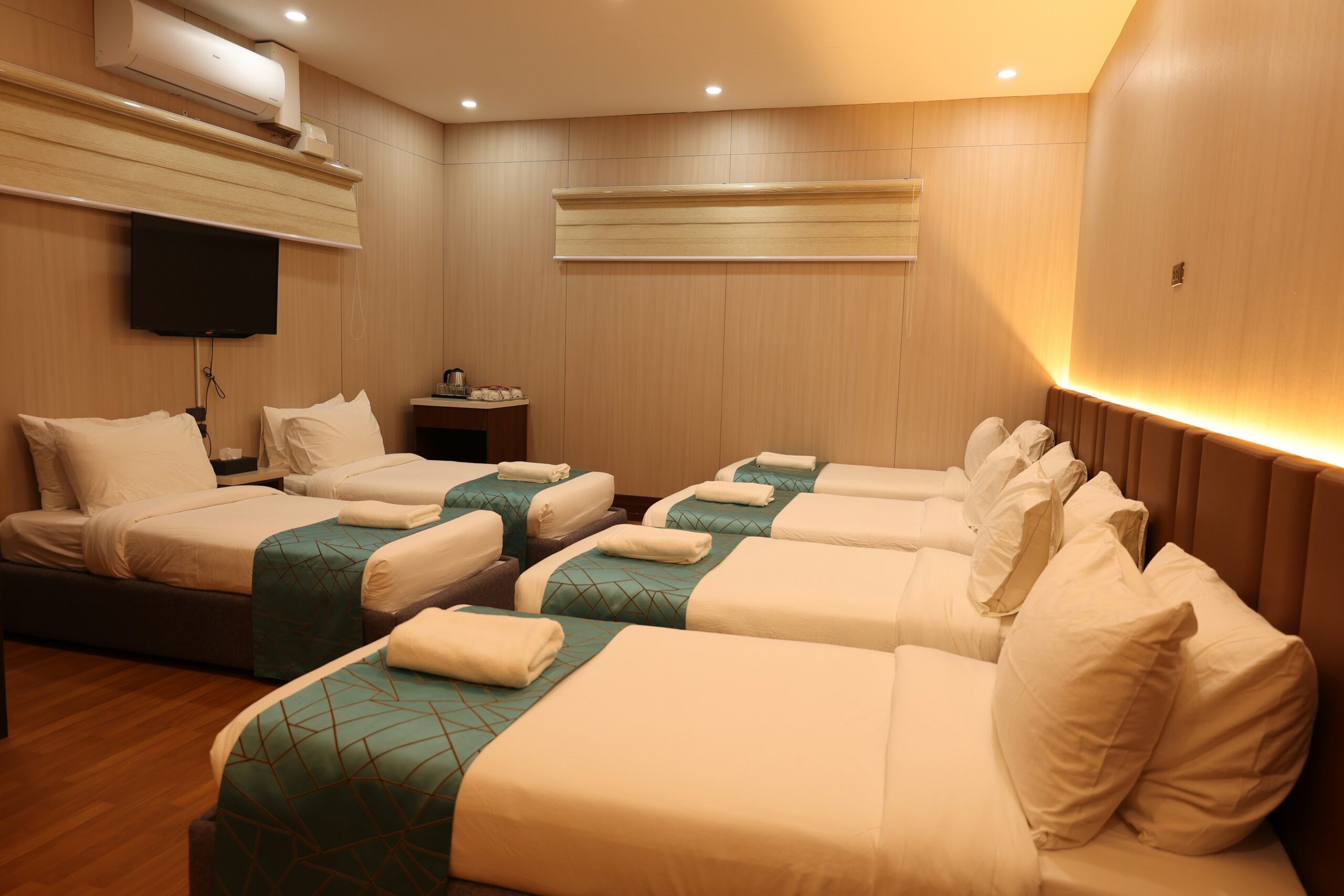
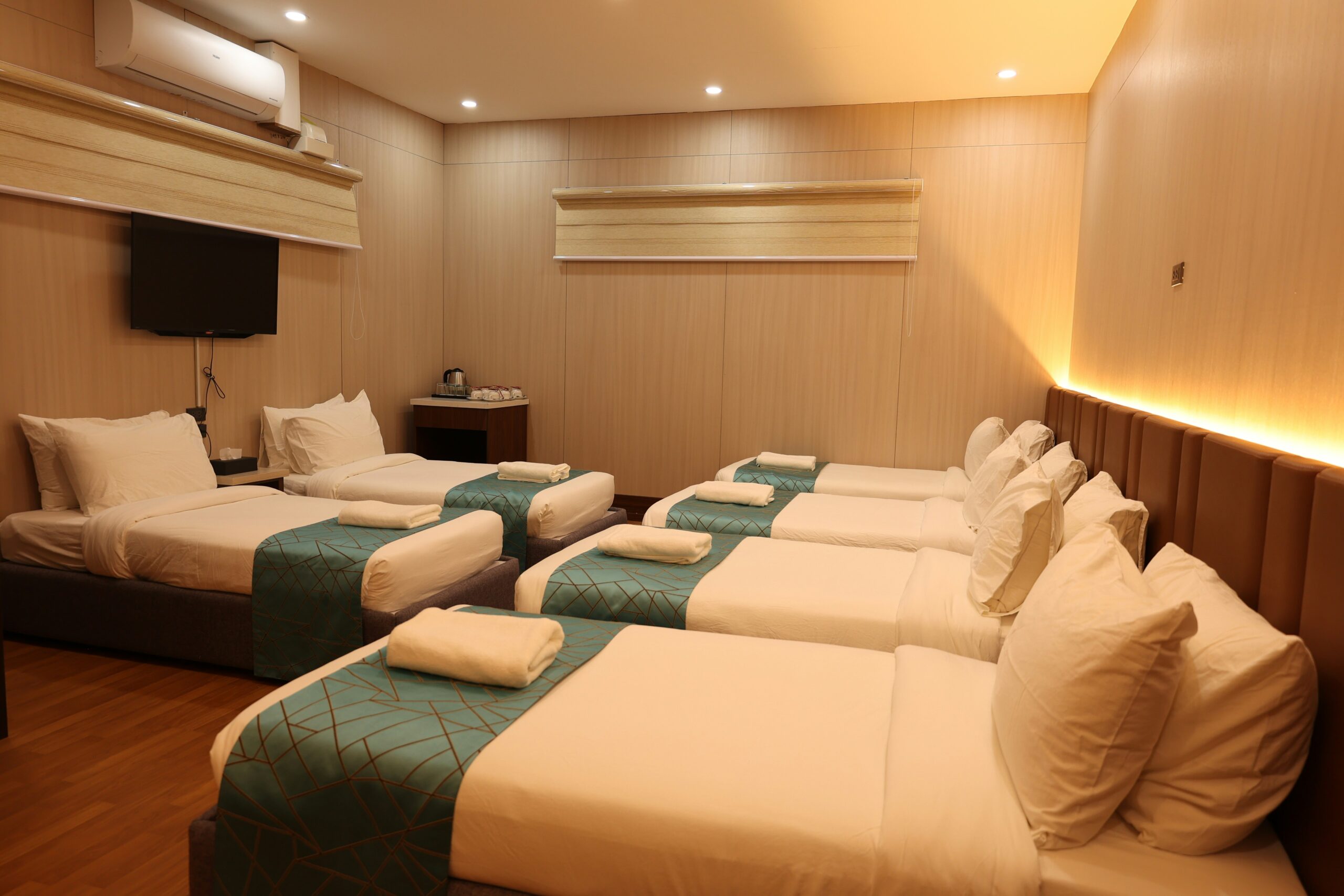
Let’s get one thing straight. You don’t have to sleep in a dorm or crash on a stranger’s couch to travel on $50 a day. This isn’t about backpacking through Europe in your twenties with a sleeping bag and a vague itinerary. It’s for the budget traveler who still values their own space. Maybe you’re a couple, a family, or just someone who’s outgrown the hostel scene. Perhaps you value a quiet night’s sleep and the security of a locked door. I get it. Traveling on a tight budget doesn’t mean sacrificing basic comfort. This guide is built on real, practical strategies for keeping your daily spend around $50 while booking private accommodation every night. No hostels, no couchsurfing. Just smart planning and tradeoffs you can live with.
Why Skip Hostels and Couchsurfing?
Hostels have their place. They’re social, cheap, and convenient in city centers. But they also come with snoring roommates, early-morning packers, and the occasional person who thinks 2 AM is a great time to Facetime their mom. If you value sleep or privacy, the shared dorm experience can ruin a trip. Couchsurfing is a different beast entirely. It’s not a cheap hotel alternativeâit’s a cultural exchange. You’re expected to spend time with your host, adapt to their schedule, and deal with whatever living situation they have. Some hosts are amazing. Others are unreliable or, frankly, a bit strange. For many travelersâespecially women traveling solo or couplesâthe variability and expectation of socializing make couchsurfing more hassle than it’s worth. This article is for people who want a reliable, quiet, private room at the end of the day without spending a fortune. It’s for travelers who understand that privacy costs money, but believe it doesn’t have to cost as much as a chain hotel.
The Biggest Challenge: Finding Affordable Private Accommodation
Let’s be honest. The single biggest hurdle to traveling on $50 a day without hostels is accommodation. Food is cheap everywhere if you know where to look. Transport can be minimized. But a private roomâthat’s where your budget can vanish in a single night. In many Western cities, a basic private room in a guesthouse can easily cost $60 to $100. That blows your entire daily budget on one thing. So how do you solve this? You get strategic. First, use the right booking tools. Websites like Booking.com and Agoda have filters that let you sort by price, but you have to dig deeper. Filter for guesthouses, bed and breakfasts, and small hotels in residential neighborhoods, not tourist centers. A 20-minute walk from the main square can cut your accommodation cost in half. Second, look for hostels that offer private rooms. This is your secret weapon. Many hostels have separate, quiet private rooms with their own bathroom that cost far less than a budget hotel. In cities like Bangkok, Lisbon, or MedellÃn, you can often find a private room in a hostel for $20 to $25 a night. The common areas are still shared, but you have your own door. It’s a fantastic middle ground. Third, consider small family-run guesthouses or pensiones. These are abundant in Europe and Southeast Asia and often don’t show up on the major booking platforms. You can find them by searching Google Maps for ‘guesthouse’ or ‘pensione’ in the area you want.
How to Keep Your Nightly Costs Under $30
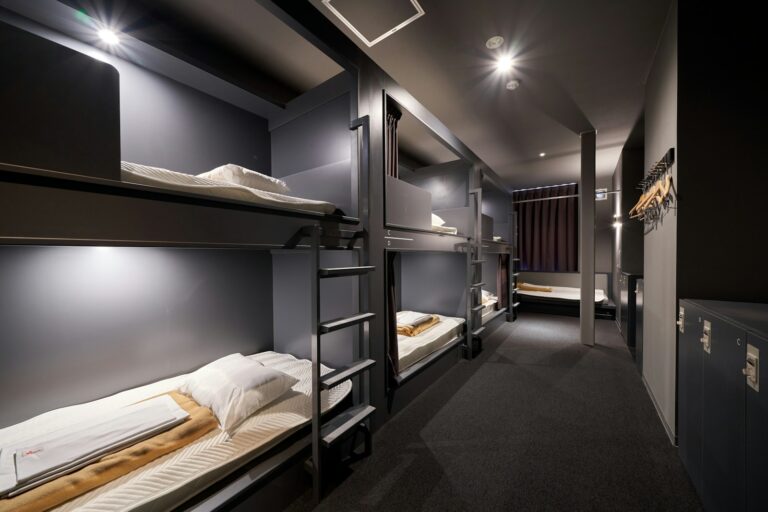
The math is simple: if you want to travel on $50 a day, your accommodation needs to be around $25 to $30 per night. That leaves you $20 to $25 for food, transport, and activities. Here’s how you actually find rooms at that price point. First, be flexible with your location. Staying a 10-minute bus ride outside the city center can save you $15 to $20 a night. In most cities, the bus or metro will cost you less than a dollar each way. The tradeoff is time, but if you have a few extra minutes, the savings are massive. Second, book midweek. Tuesday, Wednesday, and Thursday are often cheaper than weekends. Many budget hotels and guesthouses adjust their prices based on demand. Third, if you’re traveling with a partner or friend, share a private room. Two people splitting a $35 private room is $17.50 each. That’s barely more than a hostel dorm bed in many places, and you get privacy. Fourth, negotiate directly with small hotels or guesthouses for longer stays. If you plan to stay three nights or more, email the property directly and ask if they can offer a discount. Many will give you 10 to 20 percent off the listed price just to avoid paying the booking platform commission. Finally, consider ‘capsule hotels’ in Asia or ‘hostel-style private rooms’ in Europe. These are not the same as dorms. They are small, private, lockable spaces that cost a fraction of a hotel room.
Cheap Eats: Stretching Your Food Budget to $10 a Day
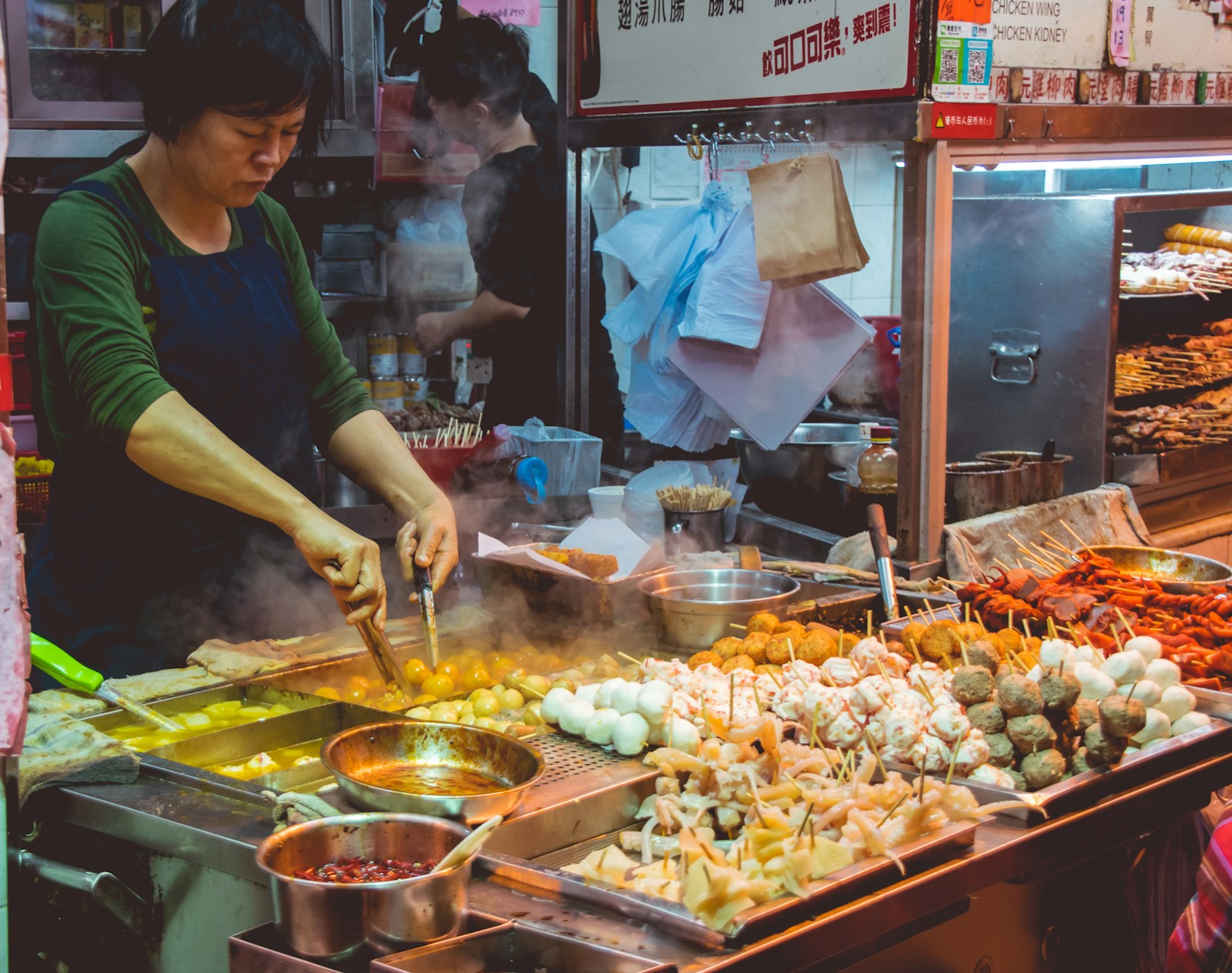
Food is where you can control costs the most without sacrificing quality. The trick is to eat like a local. Street food is your best friend. In Bangkok, a plate of pad thai from a street vendor costs about $1.50. In Mexico City, tacos al pastor are $1 each. In Istanbul, a simit and some cheese is less than $2 for a filling breakfast. You can eat well for $10 a day if you avoid restaurants aimed at tourists. The second strategy is using grocery stores. Buy a loaf of bread, some cheese, fruit, and yogurt for breakfast. Make a sandwich for lunch. That’s $4 for two meals. Then use your remaining $6 for dinner at a local market or a small eatery where the locals eat. A reusable water bottle is essential. Fill it up at your accommodation or at public fountains. You’ll save $2 to $3 a day just on water. If you want to get serious about saving, a small portable cooler or an insulated lunch bag allows you to keep yogurt, cheese, or cold drinks for a few hours without needing a refrigerator. Travelers who spend long days sightseeing might appreciate a lightweight insulated lunch bag to avoid buying overpriced food at tourist spots.
Getting Around: $5 to $10 a Day on Transportation
Transportation is the easiest category to slash. Walk as much as you can. Most European and Asian cities are incredibly walkable. You’ll discover more by walking than by taking a taxi. For longer distances within a city, use public buses, trains, or metro. Avoid taxis and rideshares like Uber or Grab. They are convenient but expensive. In many cities, a single metro ride costs $0.50 to $1.50. A daily transit pass often costs $3 to $5. For inter-city travel, overnight buses and trains can save you a night of accommodation. This is a legitimate strategy for long-distance budget travel. An overnight bus from Bangkok to Chiang Mai costs around $15 to $20 and includes a reclining seat or even a bed. You arrive in the morning, rested, and you just saved $25 on a hotel. However, this is not ideal for everyone. If you’re a light sleeper or have back problems, you might prefer to pay for accommodation. In that case, stick to daytime buses or trains, which are still very cheap in most regions.
Free and Low-Cost Activities to Fill Your Day
The best experiences often don’t cost a dime. Free walking tours are available in almost every city. They are tip-based, so you pay what you think they were worth. Usually $5 to $10 per person is standard. These tours give you a solid overview of the city and are led by knowledgeable local guides. Parks, public squares, and riversides are free. Many museums have free entry daysâoften the first Sunday of the month or late afternoon on weekdays. Check websites before you go. Hiking trails are free and offer some of the best views. In cities like Lisbon, Rio de Janeiro, or Hong Kong, a hike up a hill gives you a spectacular panorama without paying for a viewpoint. Exploring different neighborhoods is a free activity in itself. Walk through the old town, the market district, and the residential areas. You’ll understand the city’s character much better than if you just visit paid attractions. Avoid tourist traps like overpriced ‘hop-on hop-off’ buses, expensive river cruises, or restaurants near major landmarks. They are designed to extract money from visitors. Use an offline map app like Maps.me to navigate without data costs and to find free points of interest.
The Daily Budget Breakdown: A Sample Day
Let’s make this real. Here’s a sample day in Lisbon, Portugal, a city where $50 a day is very achievable without hostels. Accommodation: You found a private room in a hostel for $28. It’s small, but it has a real bed, a desk, and a private bathroom. The hostel is a 12-minute walk from the city center. Breakfast: Grocery store croissant and coffee from the local café. Total: $3. Lunch: A bifana sandwich from a small tasca near the waterfront. Total: $5. Dinner: A bowl of cataplana (seafood stew) at a small family-run restaurant away from the tourist strip. Total: $8. Transport: You walked all day, plus one tram ride to get up the hill. Total: $3. Activity: Free walking tour (tip the guide $5). Total: $5. Total daily spend: $28 + $3 + $5 + $8 + $3 + $5 = $52. That’s very close to $50. With a bit of tighter budgeting on dinner or by skipping the tram, you can hit $50 exactly. The key takeaway is that accommodation is the anchor. Keep it under $30, and everything else falls into place.
Mistakes to Avoid When Budgeting for Private Accommodation
Several common mistakes can wreck your budget. First, booking too early. Many hostels and guesthouses release rooms at premium prices months in advance. The sweet spot for budget booking is usually 2 to 4 weeks out. Second, not reading reviews about noise. A cheap private room above a bar will cost you sleep. Read recent reviews that specifically mention noise levels. Third, staying in tourist zones. Accommodation in the very center is always more expensive. A 15-minute walk or a short bus ride can save you 30 to 40 percent. Fourth, relying solely on last-minute booking apps. In high season, rooms get snapped up, and you can end up paying more. Fifth, overlooking the total cost. Some budget hotels charge extra for WiFi, towels, or breakfast. These small fees add up. Always check the fine print. Sixth, assuming you can negotiate everywhere. In many places, especially during peak season, prices are fixed. Don’t waste time haggling with a receptionist who cannot change the rate. Finally, forgetting about location tradeoffs. Sometimes paying $5 more per night for a room closer to public transit saves you $10 in transport costs. Do the math for your specific itinerary.
Is This Realistic? Where $50 a Day Works Best and Where It Doesn’t
I’ll be honest with you. $50 a day is not realistic everywhere. It works beautifully in Southeast Asia, parts of Latin America, Eastern Europe, and the Indian subcontinent. In these regions, you can easily find a clean private room for $15 to $25, eat two full meals for $5 to $8, and use public transport for a few dollars. In places like Thailand, Vietnam, Colombia, or Poland, $50 a day feels comfortable. In Western Europe, Australia, Japan, or the United States, it is much harder. A basic private room in Paris or Sydney can cost $80 a night. In those locations, you have two choices. First, you can increase your budget. That’s the honest reality. Second, you can compromise further. Stay in a hostel’s private room that is further out. Use cooking facilities to save on food. Walk everywhere. Even then, you’ll likely spend $60 to $70 a day in expensive destinations. The compromise I recommend is to use private rooms in hostels in expensive cities. It gives you the privacy you want while keeping costs lower than a hotel. And remember, $50 a day is a target, not a rigid rule. Some days you’ll spend more, some days less. The goal is to average around $50 over the course of your trip.
Essential Gear to Save Money and Stay Comfortable
A small investment in gear can pay for itself quickly. A good sleep mask and earplugs are non-negotiable. Cheaper rooms at the edge of town can have street noise, thin walls, or bright lights from a nearby sign. They cost under $10 and will save your sanity. A reusable water bottle, like a stainless steel one from Hydro Flask or a cheaper plastic version, saves you from buying bottled water every day. A small daypack is useful for carrying groceries, water, and a jacket. Look for one that is lightweight and packable. A portable power bank is essential for long days of walking and using your phone for maps. One with 10,000mAh capacity will charge your phone twice. Finally, a portable travel towel can be useful if you stay in hostels with private rooms that don’t provide towels. These items aren’t about luxury. They’re about removing small frictions that can make budget travel uncomfortable.
Final Tips and Next Steps for Your $50-a-Day Trip
Traveling on $50 a day without hostels or couchsurfing is entirely possible if you plan smartly and accept a few tradeoffs. Be flexible with location, prioritize midweek stays, and use hostels’ private rooms as your secret weapon. Eat street food, walk often, and find free activities. No one said budget travel was easy, but it is rewarding. You’ll see more, learn more, and stretch your money further than you thought possible. If you’re ready to start planning, the next step is to look at private room options in your destination. Use Booking.com or Agoda and apply the budget filter to find guesthouses and hostel private rooms. Start early, read reviews, and don’t be afraid to reach out to properties directly. Your trip is waiting. The only thing standing between you and it is a bit of planning, and now you have the tools to make it work.
“`