15 Best Budget-Friendly Destinations in Europe for 2025
How We Selected These Budget-Friendly Destinations
This list comes from years of planning trips for travelers. We kept it simple: where can you comfortably spend $70â100 per day and still get a real experience? We looked at accommodation, food prices, local transport, and entry fees for the main attractions.
These aren’t the absolute cheapest spots in Europeâyou can survive on less in parts of the Balkans or rural Eastern Europe. But these destinations offer something else: a genuine city trip where you’re not constantly checking the bill. You’ll find real neighborhoods, decent food scenes, and enough history to fill a week.
Here’s the honest tradeoff. Some of these cities don’t have the famous landmarks of Paris or Rome. What they do have is authenticity, fewer crowds, and a pace that lets you actually relax. If you’re after bragging rights about famous monuments, this might not be for you. If you want a trip where your budget stretches further and you come home with stories, read on.
1. Lisbon, Portugal â The Sun-Drenched Bargain
Lisbon is still one of Western Europe’s better values. A pastéis de nata costs about â¬1.30. A full meal with wine in a local restaurant runs â¬15â20. The metro and trams get you around for under â¬2 per ride.
Best for: First-time budget travelers who want sun, seafood, and walkable hills.
The mistake people make: Staying in Baixa or Alfama. They’re beautiful but expensive and packed with tourists. Instead, check out Campo de Ourique or Arroios. Both have excellent local restaurants, markets, and metro access at half the price for accommodation. You’ll get a better feel for real Lisbon and save â¬30â50 per night.
The Lisboa Card is worth thinking about if you plan to hit multiple museums and use public transport a lot. For travelers who prefer a paper map, a waterproof city map can be handy for navigating Lisbon’s hills without draining your phone battery.
2. Kraków, Poland â History on a Shoestring
Kraków is where your money really stretches. A pierogi dinner costs â¬5â7. Hostel beds start around â¬12. A pint of beer averages â¬3. Museum entry for major sites like Wawel Castle or Schindler’s Factory runs â¬5â8.
Compared to Warsaw: Kraków is more compact, more beautiful, and actually slightly cheaper for accommodation. That said, Warsaw has better modern museums and a grittier, more dynamic energy.
Don’t skip: The free walking tours. They run daily and cover the Old Town and Kazimierz district. Guides work for tips, and you’ll get context you’d otherwise miss. The Wieliczka Salt Mine is worth the day tripâallow â¬20 for transport and entry combined.
One tradeoff: Winters are cold, with temperatures often below freezing from December through February. Crowds are thin, and accommodation drops further. If you can handle the cold, you’ll save significantly. A scarf with hand warmer pockets can make winter walking tours more comfortable.
3. Budapest, Hungary â The Thermal Bath City
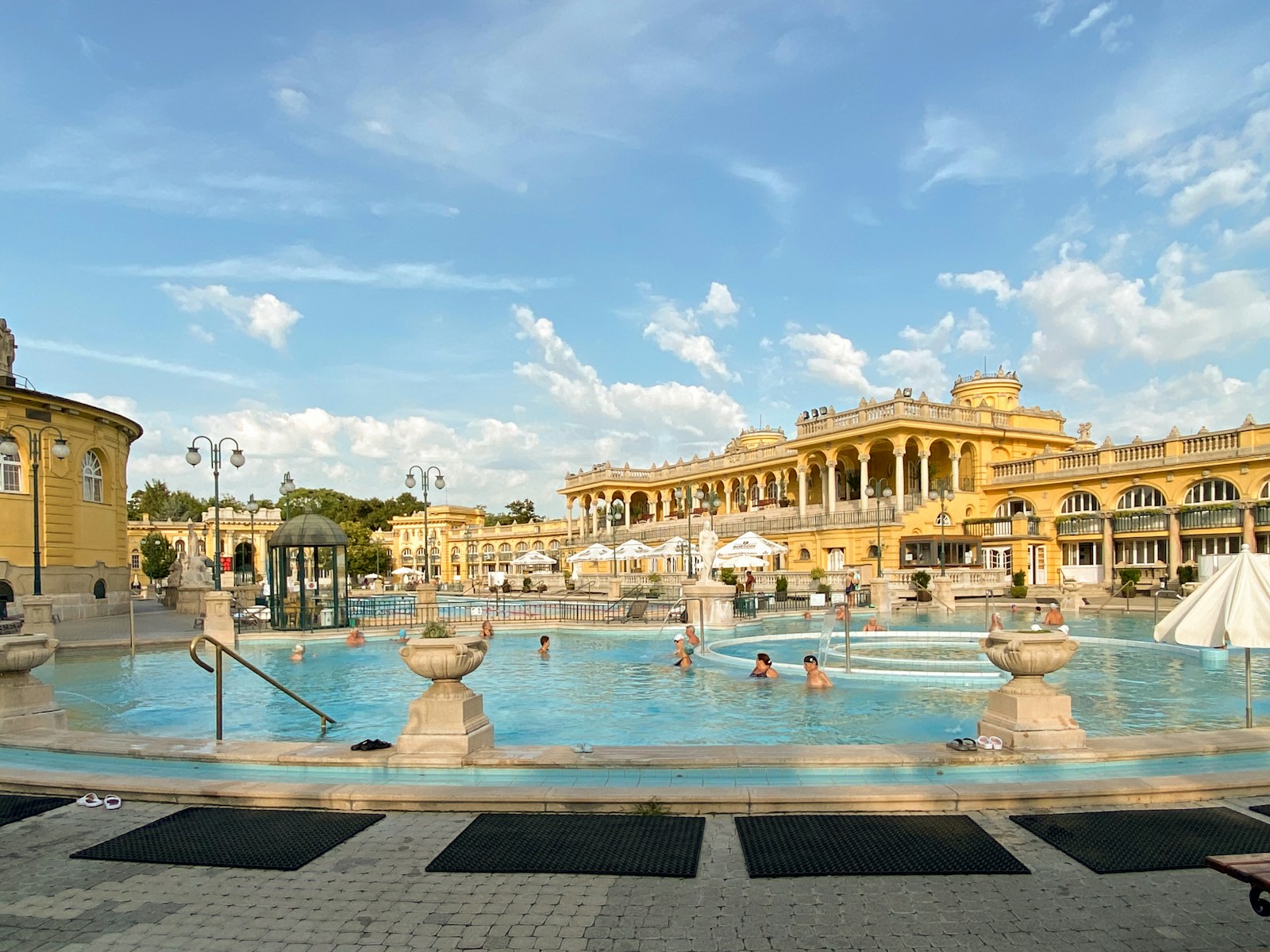
Budapest delivers a lot for not much money. The thermal bathsâSzéchenyi or Gellértâcost â¬20â25 for a full day, a fraction of what you’d pay for a spa treatment in Western Europe. Ruin bars serve cheap drinks in atmospheric courtyards. A good meal runs â¬10â12.
Money-saving tip: For groups of three or more, rent an apartment instead of booking separate hotel rooms. You’ll save 30â40% and get a kitchen for breakfast. Use booking.com or Airbnbâboth work well in Budapest.
Avoid this if: You’re tempted by restaurants right along the Chain Bridge or in Vörösmarty Square. These are priced for tourists and serve mediocre food. Walk two blocks in any direction and you’ll find better, cheaper options.
The Budapest Card covers public transport and free entry to many museums. A 72-hour card costs about â¬35. Do the math on what you’ll actually visit before buyingâsometimes pay-as-you-go works out cheaper.
4. Porto, Portugal â A Quieter, Cheaper Alternative
Porto is Lisbon’s quieter cousin with slightly lower prices across the board. Accommodation runs â¬10â15 less per night. Port wine tastings in Vila Nova de Gaia start around â¬5 for three glasses. A river cruise costs â¬10â15.
Practical tip: Take the train from São Bento station for day trips to the Douro Valley. The journey costs about â¬10 each way and takes two hours through stunning scenery. It’s a full-day trip that costs less than a guided tour.
Porto rewards walking. The city is compact, and most attractions are within a 20-minute walk of each other. Skip the hop-on-hop-off busâit’s expensive and unnecessary.
5. Sofia, Bulgaria â The Real Budget Sleeper
Sofia is the cheapest destination on this list and it’s not close. A meal at a good restaurant costs â¬8â10. Metro rides are â¬0.80. Accommodation for a solid Airbnb runs â¬25â35 per night. The Alexander Nevsky Cathedral is free to enter and genuinely impressive.
Best for: Adventurous budget travelers who want something off the typical tourist track.
The tradeoff: English is less widely spoken than in Western Europe or even Poland. You’ll manage fine with Google Translate, especially in restaurants and shops. Renting a car is affordable but driving in Sofia itself can be chaotic.
Download offline Google Maps before you arrive. Public WiFi is spotty, and mobile data can be expensive without a local SIM. Travelers who need to stay connected may want a universal travel adapter with USB ports to keep devices charged without carrying multiple converters.
Budget Destination Comparison: Value vs. Experience
Not all budget destinations are the same. Here’s how our top picks stack up based on what matters most:
- Lisbon: $15â20 for a filling meal, $50â80/night in good areas, excellent public transport, safe day and night. Best for sun and seafood.
- Kraków: $8â12 for a meal, $12â30/night for hostels or budget hotels, walkable center, very safe. Best for history and nightlife.
- Budapest: $12â15 for a meal, $40â60/night for apartments, cheap thermal baths, safe but watch for pickpockets. Best for culture and relaxation.
- Sofia: $8â10 for a meal, $25â35/night, metro is cheap but limited, safe overall. Best for extreme budget and offbeat experiences.
Your priority matters. If nightlife is key, pick Budapest or Kraków. If you want beach time and good food without breaking the bank, go for Lisbon or Valencia. If you need the absolute cheapest option and don’t mind rough edges, Sofia delivers.
6. Prague, Czech Republic â Still Affordable (If You Know Where to Go)
Prague’s reputation for being expensive is overblownâif you avoid the tourist traps. The Old Town Square and Charles Bridge area charge premium prices for average food and drink. Walk 10 minutes into Žižkov or KarlÃn and prices drop 30â40%.
Free sights: Charles Bridge, Old Town Square, the Lennon Wall, and PetÅÃn Hill are all free. Prague Castle costs about â¬10 and is worth it for the views alone.
The practical mistake: Currency exchange offices in the center. They charge commission rates that eat into your budget. Use ATMs inside banks or withdraw cash at the airport in small amounts. Credit cards are widely accepted, so you don’t need much cash.
Žižkov has excellent beer gardens and a local feel. KarlÃn is more residential with good cafes and restaurants. Both are well-connected by tram and metro.
7. Split, Croatia â Coastal Beauty Without the Price Tag
Split is the budget-friendly answer to Dubrovnik’s inflated prices. The Diocletian’s Palace ruins are free to wander. Seafood at a local restaurant costs â¬12â15. Ferry tickets to islands like BraÄ or Hvar run â¬5â10 each way.
Tip: Visit in May or September. Prices for accommodation drop 40â50% compared to July and August, and the sea is warm enough for swimming. The weather is still excellent, and crowds are manageable.
Avoid this if: You hate summer crowds. Split in August is packed with cruise ship passengers. It’s still enjoyable, but the relaxed vibe disappears.
The city is walkable, but you’ll want good shoes for the marble streets and hills. A day trip to Krka National Park costs about â¬30 if you book independently versus â¬60 on a tour.
8. Riga, Latvia â Underrated and Affordable
Riga is a Baltic bargain that doesn’t get the attention it deserves. The Art Nouveau architecture is among Europe’s best. Food costs average â¬10â15 for a solid meal. Public transport is under â¬2 for a single trip.
Best for: Travelers who want culture without the crowds that come with Prague or Budapest.
Practical tip: Take the free walking tour on your first day. It covers the Old Town, the Central Market, and the Art Nouveau district. The guides are knowledgeable and work on tipsâgive them â¬10â15 if they do a good job.
Riga is safe, walkable, and has excellent beer culture. The Central Market is housed in old Zeppelin hangars and is worth a morning just for the food hall.
9. Valencia, Spain â Beach, Culture, and Value
Valencia offers everything Barcelona hasâbeach, culture, good foodâat lower prices and with fewer crowds. A full paella dinner in a proper restaurant costs â¬12â15. Accommodation in the Ruzafa or El Cabanyal neighborhoods runs â¬40â60 per night.
Tradeoff: Nightlife is quieter than Madrid or Barcelona. The city winds down earlier. But the relaxed vibe means you get better sleep and more daylight for exploring.
Money-saving tip: Rent a bicycle. Valencia is flat, bike-friendly, and has dedicated lanes throughout the city. You can see more in a day on a bike than in three days on foot. Rental costs about â¬10 per day.
The City of Arts and Sciences is impressiveâgo late afternoon for discounted entry to some exhibits, and enjoy the sunset lighting on the buildings for free.
10. Ljubljana, Slovenia â A Hidden Budget Gem
Slovenia’s capital is compact, walkable, and affordable. Tivoli Park is free. Ljubljana Castle costs â¬12 to access but offers panoramic views. Local wine runs â¬3â5 per glass in the riverside bars.
Best for: Nature lovers and travelers who want a relaxed, slow-paced trip.
Practical tip: Day trips to Lake Bled are easy by bus. The journey takes 90 minutes and costs â¬6 each way. You can visit the lake, walk around, and be back in Ljubljana for dinner.
Ljubljana is small enough that you can see the main sights in a weekend, but you’ll want longer if you use it as a base for exploring the rest of Slovenia. Carry a reusable water bottleâthe tap water is excellent and free.
Practical Tips for Stretching Your Budget in Europe
These come from experience, not theory.
- Book flights on Tuesday afternoons. Airlines often release deals Monday night, and competitors match rates by Tuesday. The savings can be 10â20% compared to weekend bookings.
- Eat at markets, not restaurants. Central markets in Lisbon, Barcelona, and Budapest offer fresh, prepared food for half the cost of a sit-down restaurant. You’ll eat better too.
- Use public transport cards. Most cities offer 24- or 72-hour cards that save money and eliminate the hassle of buying individual tickets. Check if the card includes museum entry before buying.
- Stay in hostels or rental apartments. Hostels aren’t what they were 20 years ago. Many offer private rooms with shared bathrooms at half the cost of hotels. Apartments work best for groups or longer stays.
- Avoid peak season. June through August sees prices spike 50â100%. Shoulder seasonâAprilâMay and SeptemberâOctoberâoffers good weather and manageable crowds.
When booking accommodation, prioritize properties with free cancellation. Plans change, and flexibility saves money in the long run.
Common Mistakes to Avoid When Planning a Budget Europe Trip
I’ve seen these mistakes cost travelers hundreds of dollars. Don’t make them.
- Not checking baggage fees for budget airlines. Ryanair, Wizz Air, and easyJet charge â¬25â50 for checked bags. If you can’t carry on, factor that into your ticket priceâa cheap flight with bag fees might be more expensive than a standard airline. A cabin-size backpack designed for budget airline dimensions can help you avoid baggage fees entirely.
- Staying in tourist centers. Hotels near major landmarks charge 50â100% more for the privilege. You’re paying for location, not quality. The best food and atmosphere are always a 10-minute walk away.
- Eating near major landmarks. Restaurants within sight of the Eiffel Tower, Charles Bridge, or St. Mark’s Square are priced for tourists who won’t return. Walk two blocks. The food will be better, and you’ll save 30%.
- Not accounting for hidden costs. City taxes in Europe range from â¬1â5 per person per night. That adds up over a week. Budget airlines charge for seat selection, priority boarding, and checked bags. Know these costs before you book.
Take 15 minutes to read the fine print on your flight and hotel bookings. That 15 minutes can save you â¬50â100.
Conclusion: Start Planning Your Affordable European Adventure
Your dream Europe trip doesn’t have to be expensiveâit just has to be planned well. Lisbon, Kraków, Budapest, and Sofia each offer distinct experiences at prices that won’t keep you awake at night. Pick the one that matches your priorities, whether that’s history, nightlife, food, or simply the best bang for your buck.
The destinations on this list are proven. Thousands of travelers have enjoyed them without breaking the bank. The key is to avoid the common pitfalls we’ve covered and to make informed decisions about where you stay, what you eat, and how you get around.
Now it’s time to research flights and accommodations. Use this guide as your starting point, and trust the process. A well-planned trip to a budget-friendly European city will give you memories that last without the debt that follows.