How to Travel Cheap with a Family of Four: Budget Tips That Actually Work
Why Traveling Cheap as a Family of Four Is Different
Letâs be honest: most budget travel advice out there was written by solo backpackers or couples. Their tips about hostels and street food donât apply to a family of four. When youâre traveling with two adults and two children, the math changes fast. Two hotel rooms. Four meals. Four attraction tickets. The costs multiply, not add.
Iâve been planning family trips for years, and the biggest lesson Iâve learned is that âcheapâ doesnât mean miserable. It means making smart tradeoffs. It means understanding that paying $50 extra for a room with a kitchen can save you $200 in restaurant bills. It means knowing that a 7-day trip to a national park in late May can cost less than a 4-day trip to Disney during spring break.
The real challenge isnât finding the lowest priceâitâs finding the best value for your specific family. Thatâs where most generic budget advice falls short. This guide is different. These cheap family travel tips come from real planning experience, not travel magazine fluff. Weâll cover the mistakes to avoid, the timing tricks that work, and the specific strategies that turn a stressful, expensive trip into one that feels worth every dollar.

The 3 Most Expensive Mistakes Families Make (And How to Avoid Them)
Before we dive into the positive strategies, letâs address the three biggest budget killers I see families make over and over again. Avoiding these alone can cut your trip cost by 30% or more.
Mistake 1: Booking Peak Travel Times Without Flexibility
A family of four booking flights during Christmas week or spring break pays a massive premium. That same flight to Orlando in mid-February might be $200 per ticket, but during March break it jumps to $600. Thatâs a $1,600 difference for the same plane ride. The fix? Be flexible with your dates by even a few days. Use Google Flightsâ calendar view to see the cheapest days. Often, leaving on a Tuesday instead of Friday saves hundreds.
Mistake 2: Assuming One Hotel Room Is Cheaper Than a Suite
Many mid-range hotels charge per room, not per person. A standard room for four might cost $150/night, but a two-room suite at an extended-stay hotel might be $180/nightâonly $30 more. That extra $30 buys you a separate sleeping space for the kids (meaning you get to watch TV after they sleep) and a kitchenette that saves you on breakfast and lunch. The financial impact: a $30 nightly upgrade can save $50-80 per day in food costs. Do the math.
Mistake 3: Buying Food at Tourist Traps
The number one budget killer on any family trip is unplanned restaurant meals near major attractions. A hamburger and fries at a theme park costs $18. At a diner five minutes away, itâs $8. The fix is simple: pack snacks, eat breakfast in your room, and plan one nice meal per trip at a local spot away from the crowds. That one meal feels special instead of feeling like a rip-off.

Strategic Travel Scheduling: When to Go and How Long to Stay
Timing isnât just about finding the cheapest flight. Itâs about understanding the tradeoff between convenience and cost. Most families default to traveling during school breaks, which is exactly when prices spike. But hereâs the thing: a 7-day trip during a less popular window can cost less than a 4-day trip during peak season.
Consider a family trip to Washington D.C. Spring break in April means crowded monuments, expensive hotels, and $400 flights. Drive down in late May insteadâschools are still in session, hotels are half the price, and the weather is better. The cost savings more than justifies pulling kids out for a few days, especially if you frame it as an educational trip.
Also consider weekday vs. weekend travel. Flying out on a Tuesday vs. Friday can save $100 per ticket for a family of four. Thatâs $400 right there. Hotel rates are also lower Sunday through Thursday. A Saturday check-in can cost 30% more than a Monday check-in at the same property. When building your trip, always start with a range of dates and let the pricing guide your final choice.
Booking Flights for Four Without Breaking the Bank
Flights are usually the biggest expense for a family of four, but there are concrete strategies to bring them down without spending hours searching.
First, set fare alerts on Google Flights and Skyscanner for your route. Prices fluctuate wildly, and booking at the right moment matters. For domestic trips, the sweet spot is typically 6-8 weeks out. For international, 3-4 months is better. Avoid booking day-of or last-minute unless you find an incredible deal.
Second, consider budget airlines, but read the fine print. Spirit, Frontier, or Ryanair can offer fares that seem amazing, but they charge for carry-ons, seat selection, and printing boarding passes. If you pack light and skip extras, budget airlines can work. But if you need two checked bags and want to sit together, the savings disappear. Compare the total cost, not just the base fare.
Third, book one-way tickets on different airlines. This is a pro move. A round-trip on Delta might cost $300, but a one-way on Delta out and a one-way on Southwest back might total $220. It takes an extra minute to compare, but it often saves money, especially on less competitive routes.
Lastly, use airline credit cards for sign-up bonuses if you travel a few times a year. The points can cover a free flight for one person, which is huge for a family of four. Just donât overspend to chase pointsâpay off the balance monthly.
Accommodation Alternatives: Hotels, Rentals, and Hostels for Families
Where you sleep is the second biggest expense, and the right choice can make or break your budget. Hereâs how to think about each option for a family of four.
Hotels: When They Make Sense
Choose a hotel if you want predictable amenities: pool, free breakfast, daily housekeeping. Look for hotels that offer free breakfast as a real cost-saver. A $150 hotel with free waffles and cereal can save you $30-40 per day on breakfast alone. Some hotel chains like Homewood Suites or Embassy Suites also offer complimentary evening receptions with drinks and snacksâthatâs dinner for the family if youâre smart about it.
Vacation Rentals (Airbnb, Vrbo): The Kitchen Advantage
Vacation rentals are often the best value for families because you get a full kitchen. Cooking one meal a dayâusually breakfast or lunchâcan save $50-80 per day. The tradeoff: you lose hotel amenities like pools and front desks, and cleaning fees can be steep for short stays. For a 5-night trip, a rental with a kitchen and washer/dryer is hard to beat. For a 2-night stopover, a hotel is often simpler and cheaper.
Hostels with Private Family Rooms: The Underrated Option
Donât dismiss hostels. Many now offer private rooms with ensuite bathrooms that sleep four, often at half the price of hotels. Chains like HI USA have family-friendly properties in city centers. The catch: no private kitchen and shared common areas. But if youâre in a walkable city and plan to eat out anyway, a private hostel room can be a steal. Just check recent reviews for cleanliness and noise.
Eating on a Budget: Smart Meal Strategies for Families
Food costs are sneaky. They add up fast because youâre eating three times a day, and every meal feels like a small expense until you check the total. Hereâs how to keep food spending under control without eating gas station sandwiches for every meal.
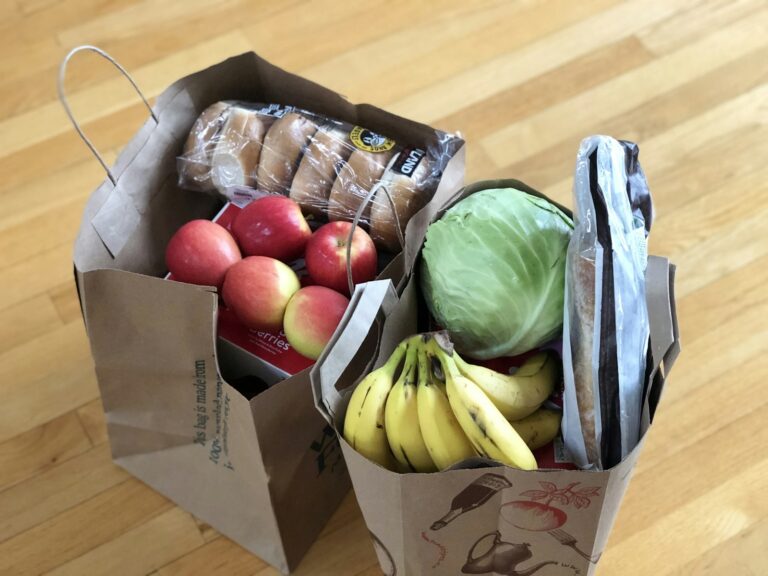
First, always have breakfast in your room. Cereal, oatmeal, or pastries from a grocery store cost $5 total for the family, vs. $25 at a diner. Even better if your accommodation has a kitchenette. Travelers who need a quick way to prepare simple meals on the go might consider a portable food storage set for easy meal prep. Second, pack lunch supplies. Sandwiches, fruit, and chips from a grocery store cost $10, vs. $40 at a restaurant near an attraction. Third, use apps like Yelp or TripAdvisor to find local restaurants with good deals, not tourist traps. Look for places with kids-eat-free promotions or lunch specials.
Follow the âone nice meal per tripâ rule. Pick one restaurant thatâs special and worth the splurge. For the rest, keep it simple. Your kids will remember the park, not the $50 pasta they had at the airport.
Free and Low-Cost Activities That Kids Actually Enjoy
You donât need expensive attractions to fill your days. The best family trips often involve free activities that kids genuinely love.
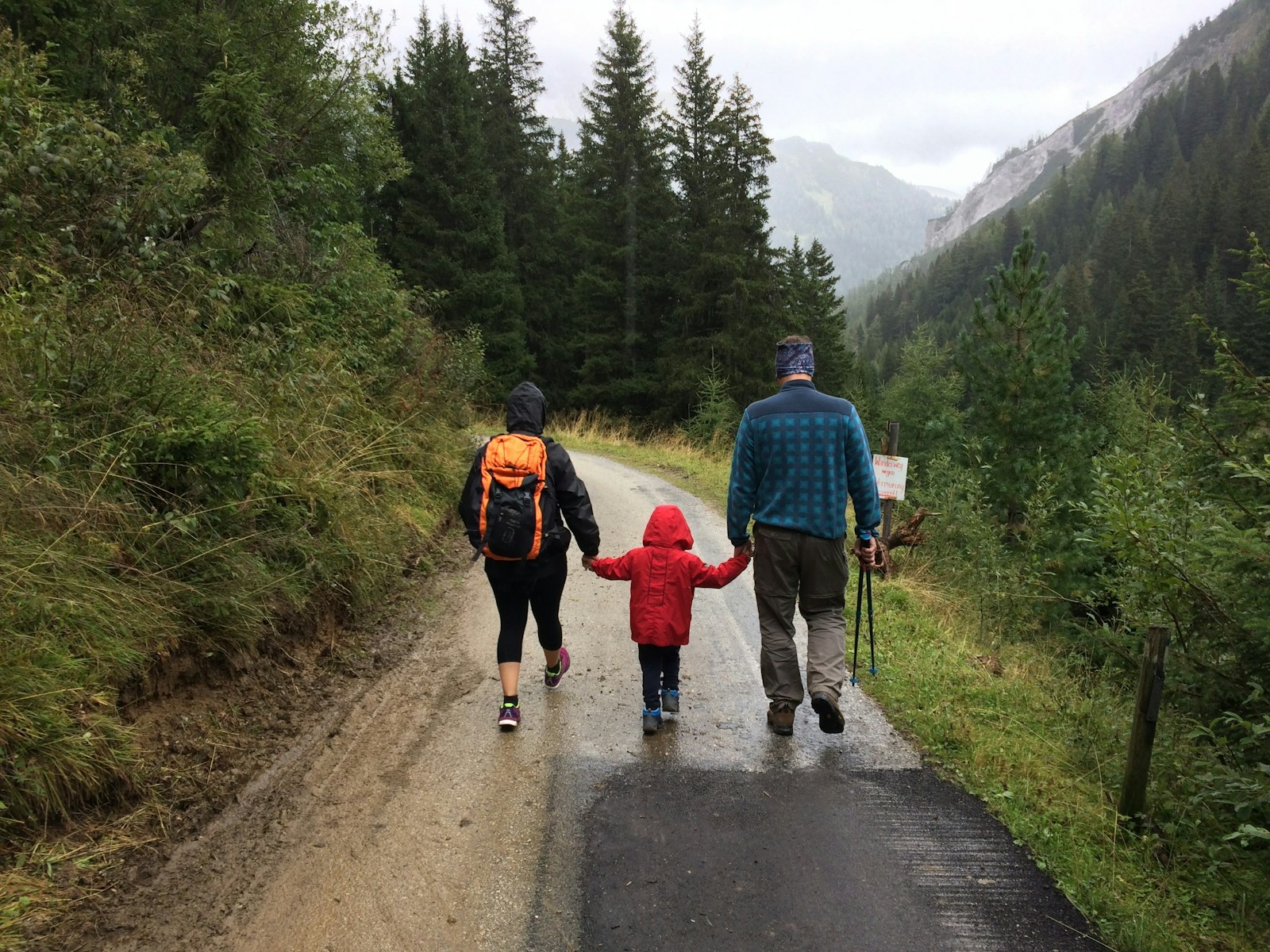
National and state parks are a no-brainer. Buy an America the Beautiful pass for $80âit covers entry to all national parks for a year. Thatâs four visits to parks like Yellowstone or Shenandoah for the same cost as one day at a theme park. Kids love hiking, spotting wildlife, and doing the junior ranger programs. Itâs active, educational, and cheap.
City walking tours are another winner. Many cities have free walking tours (just tip the guide), and kids love scavenger hunts you can find onlineâapps like Geocaching turn any city tour into a treasure hunt. Check free museum days, too. Most major museums offer free admission on certain days or evenings. Plan your itinerary around those to save $30-60 per person.
Donât underestimate simple fun: public playgrounds, beach days, public pools, and library storytimes. These are free, require no planning, and kids donât care about the price tag.
Transportation on the Ground: Getting Around Without Overspending
Once you arrive, getting around can eat your budget if youâre not careful. The right choice depends on your destination.
For road trips or rural areas, a rental car is almost mandatory. Rent from an off-airport location to save on fees and taxes. Use a comparison site like Kayak or Expedia to find the best deal. Consider renting a minivan or SUV for the spaceâyour kids will appreciate not being squished in a compact car.
For dense cities, skip the rental car. Parking fees alone can be $30-60 per night. Instead, use public transit. Most cities offer family passes or day passes that are cheaper than paying per ride. Metro tickets in cities like D.C., New York, or Chicago are affordable and kids under a certain age ride free. Avoid ride-sharing for every tripâa $15 Uber ride three times a day adds up fast.
Walking is the cheapest transportation of all. Book accommodation in a central location, and you can walk to many attractions. That $50 per night premium for a central hotel saves $50 per day on transit. Itâs a tradeoff that pays off.
Packing Light to Save on Fees and Hassle
Checked bag fees on budget airlines can be $60 per bag round trip. For a family of four, thatâs $240 if everyone checks one bag. The solution: pack light and avoid checked bags entirely.
Go with a capsule wardrobe. Each person wears versatile pieces that mix and match. Limit shoes to two pairs per personâone comfortable walking shoe, one sandal or dress shoe. For longer trips, frequent travelers may find a travel laundry kit helpful for washing clothes on the go. Do laundry every few days instead of packing for the entire trip. Many rentals and hotels have laundry facilities or nearby laundromats. Packing cubes help compress clothing and keep everyoneâs stuff organized.
The tradeoff is less variety in outfits, but the savings and convenience of carrying your own bags outweigh that small cost. Your kids wonât care about wearing the same shorts twice.
Should You Buy Travel Insurance for a Budget Trip?
This is a common question, and the answer isnât a simple yes or no. For a cheap trip with refundable bookings, you donât need insuranceâyour cancellation risk is low. But if youâve booked non-refundable flights, hotels, or tours, insurance can protect your investment.
Consider insurance if youâre traveling during storm season (hurricanes, blizzards) or if someone in your family has a chronic health condition. The cost is typically 5-10% of your total trip cost. For a $2,000 trip, thatâs $100-200. Thatâs a small price for peace of mind if you need to cancel due to illness or weather.
Specific providers like World Nomads or Allianz offer family plans. Read the fine print: many policies cover trip cancellation but not medical evacuation. If youâre traveling internationally, medical coverage is important. For domestic trips, your health insurance might already cover you.
The One-Budget-Category Rule: How to Decide Where to Splurge
You canât splurge on everything. But you can splurge on one thing that makes the biggest difference for your family. Thatâs the one-budget-category rule.
Hereâs how it works: list your budget categoriesâflights, lodging, food, activities, transportation. Choose one category to spend more on, and cut costs on the others. For example, if you splurge on a centrally located apartment (lodging), you save on transit costs and have a kitchen to save on food. That frees up money for one nice activity, like a guided tour or a special dinner.
Another example: if you love food, let the other categories be cheapâstay in a budget hotel, eat breakfast in the room, and walk everywhere. Then spend your extra money on one amazing dinner per trip. It feels luxurious without blowing your whole budget.
This framework removes the stress of trying to save everywhere. Pick your priority and build the trip around it.
Putting It All Together: A Sample 5-Day Budget Itinerary for a Family of Four
Letâs apply these strategies to a concrete example: a 5-day trip to a national park like Shenandoah National Park in late May.
Days 1â5: Mid-Atlantic Family Trip
- Flights: Skip them. Drive 4-5 hours from a nearby city instead. Gas cost: ~$60 total.
- Lodging: Airbnb cabin near the park with a kitchen and 2 bedrooms. 5 nights at $120/night = $600.
- Food: Groceries for breakfasts and lunches: $150. One nice dinner: $80. Other meals on the road: $100. Total food: $330.
- Park pass: America the Beautiful pass: $80 (covers multiple parks for a year).
- Activities: Hiking (free), junior ranger programs (free), scenic drives (free), one ranger-led hike (free). Total: $0.
- Transportation on-site: Already have a car. Gas for driving inside park: $40.
- Total trip cost: ~$1,110
Compare that to a 5-day Disney trip: flights ($1,600), hotel ($1,000), park tickets ($2,000), food ($600). Thatâs over $5,000. The national park trip costs less than a quarter of the price and offers a richer experience for many kids.
See how the tradeoffs work? You splurge on a nice cabin with a kitchen, save on food and transit, and spend zero on activities. The result is a memorable, relaxing family trip that doesnât empty your savings.
Final Thoughts: Cheap Family Travel Is About Smart Choices, Not Deprivation
Traveling cheap with a family of four is absolutely achievable. It doesnât mean skipping fun or settling for bad experiences. It means planning ahead, making intentional tradeoffs, and prioritizing what actually matters to your family.
You donât need to be a travel agent or spend hours hunting deals. Apply the cheap family travel tips hereâtiming, accommodation choices, meal planning, free activitiesâand youâll see the difference. Your bank account will thank you, and your kids will still have an amazing time.
Ready to book your next trip? Use our booking tools to compare prices and save. Or reach out with your own familyâs budget travel tipsâweâd love to hear what works for you.