11 Cheapest Countries to Visit in South America (2025 Budget Guide)
Cheapest Countries to Visit in South America
So, you’re thinking about South America but wondering if your budget can handle it. I’ve been a travel agent for over a decade, and I’ve seen plenty of people assume this continent is out of reach. It’s not. In fact, it’s one of the most affordable places to explore if you know where to go. This guide breaks down the cheapest South America countries based on actual daily costsâplaces to sleep, food, getting around, and the experiences that make a trip worthwhile. Whether you’re new to budget travel or you’ve been around the block, I’ll help you figure out where your money will stretch the farthest. Let’s get into it.
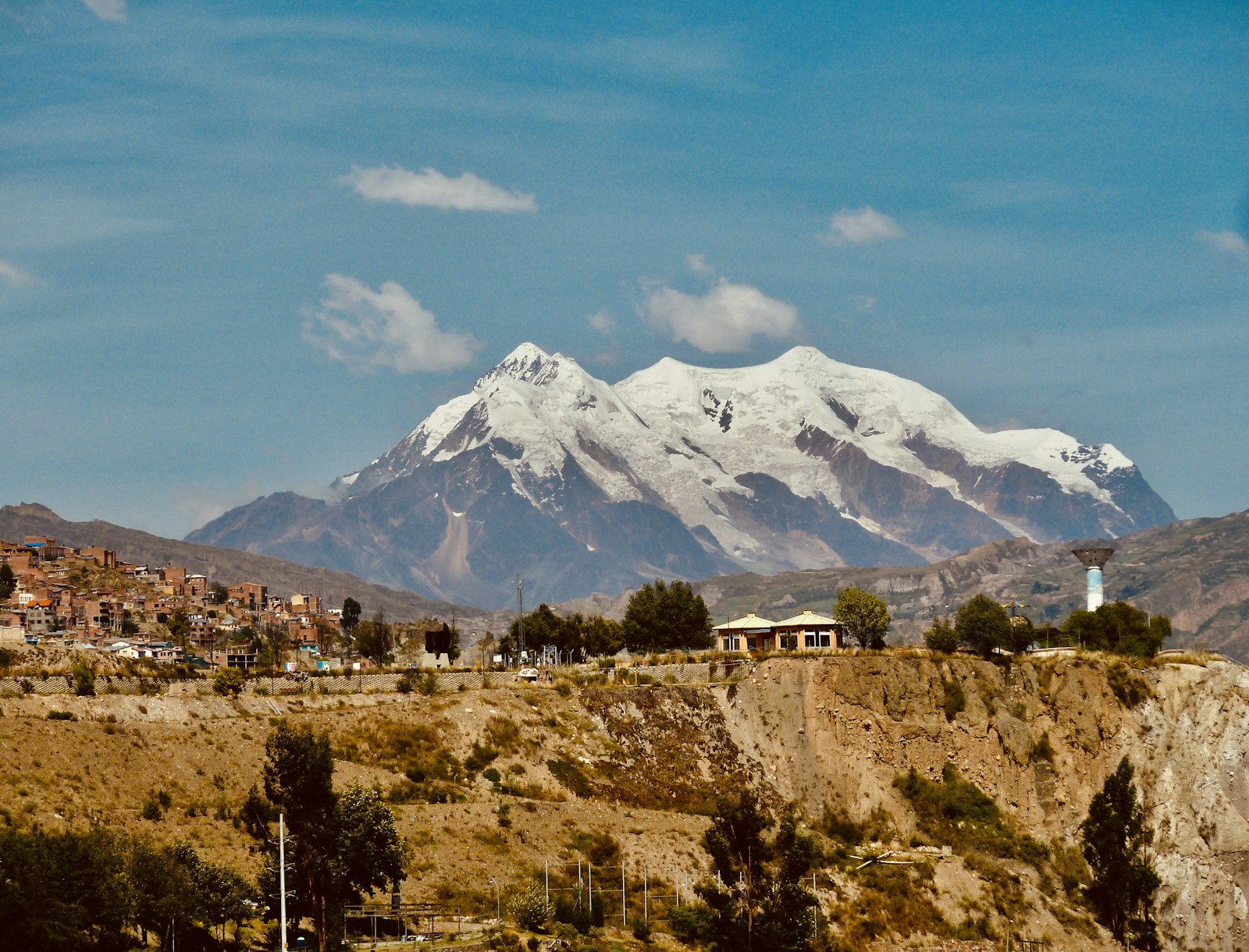
What Makes a Country ‘Cheap’ in South America?
Before we get to the list, let’s be clear about what “cheap” means here. It doesn’t mean low quality. Your money just goes further. A $30-a-night hostel in Bolivia might be more no-frills than one in Chile, but it’ll still be clean and safe. The difference comes down to things like local cost of living, exchange rates, and how developed the tourism infrastructure is.
In places like Bolivia and Paraguay, the local economy is less built up, so everything from a bowl of soup to a bus ticket is priced for locals, not tourists. In Argentina, inflation is wild, so your dollar or euro can buy a surprising amountâif you know how to work the exchange system. In Colombia, a growing tourism scene keeps prices competitive.
The main expenses are always accommodation, meals, transport, and activities. Street food in Peru might cost you $2, while a sit-down dinner in a touristy part of Cartagena could be $15. Long-distance buses in Ecuador are cheap; domestic flights in Chile are not. The trick is knowing when to save and when to splurge. Let’s look country by country.
1. Bolivia â The Undisputed Budget Champion
If you want the absolute cheapest country in South America, this is it. You’re looking at daily costs of $25 to $35, living comfortably. You could push it lower if you’re really pinching pennies, but for most people, that’s the sweet spot.
Where your money goes:
- Hostel dorm bed: $6â$10 per night
- Street food meal (salteñas, anticuchos): $1â$2
- Local bus ride (within a city): $0.30
- Long-distance bus (e.g., La Paz to Uyuni): $10â$15
- Entrance to Salar de Uyuni tour (3 days): $150â$200
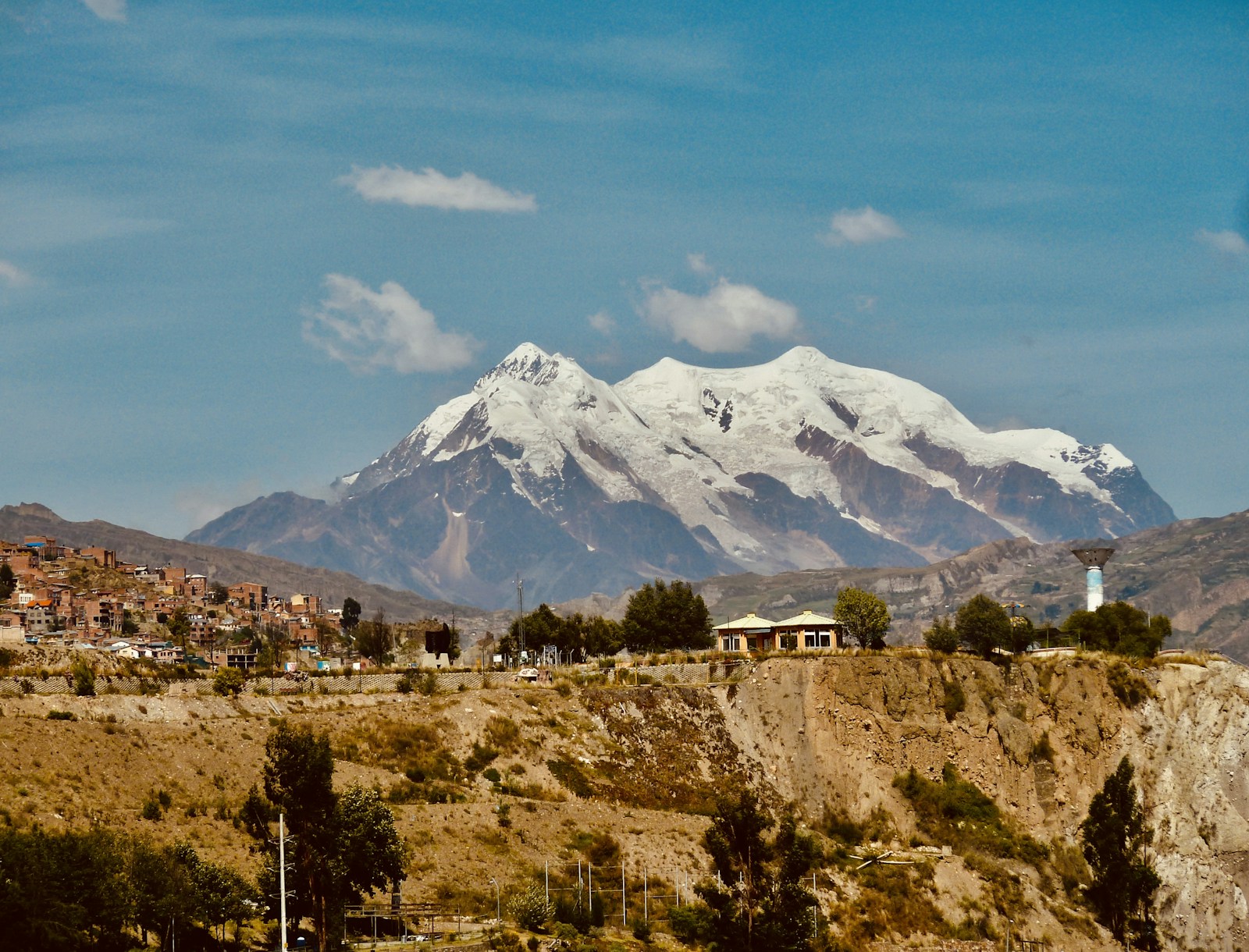
The real appeal of Bolivia is how much variety you get. There are the surreal salt flats of Uyuni, the high-altitude capital of La Paz with cable cars and busy markets, and the pretty colonial city of Sucre. The food is simple but filling, and local transport is unbelievably cheap. Just be ready for a more rugged style of travelâthat’s part of the experience.
One thing I tell my clients: pack a sturdy travel backpack. Bolivia’s roads can be rough, and you’ll want something that can handle some dust and bumpy bus rides. Also, a reusable water bottle with a filter is a good idea here because tap water isn’t always safe, and buying bottled water adds up.
2. Colombia â Affordable Adventures in the Coffee Axis
Colombia is often the first pick for budget travelers, and it makes sense. It’s not the absolute cheapest option, but the value for money is solid. You can have a great time on $35â$50 a day, depending on how you travel.
Budget-friendly highlights:
- MedellÃn: Stay in El Poblado or Laureles for budget hostels ($8â$12 a night) and cheap street food like arepas and empanadas ($1 each). The metro is a steal.
- Bogotá: Free walking tours, affordable museums, and good food in neighborhoods like La Candelaria. A lunch set menu (menu del dÃa) costs around $5.
- Cartagena: It’s pricier overall, but you can find budget spots in GetsemanÃ. Eat at local stalls for $3â$5 meals instead of tourist restaurants.
Long-distance buses in Colombia are a bargain. A 10-hour ride from Bogotá to MedellÃn might cost about $15. Street food is fantastic, and the coffee region (the Coffee Axis) is a must-see for just a few dollars a day at local fincas.
Safety is something to keep in mind. I always remind clients to stay aware, especially in big cities at night. A travel safety kitâlike a basic door stop alarm or a money beltâis a smart buy. And don’t forget a portable charger; you’ll be using your phone a lot for navigation and booking.
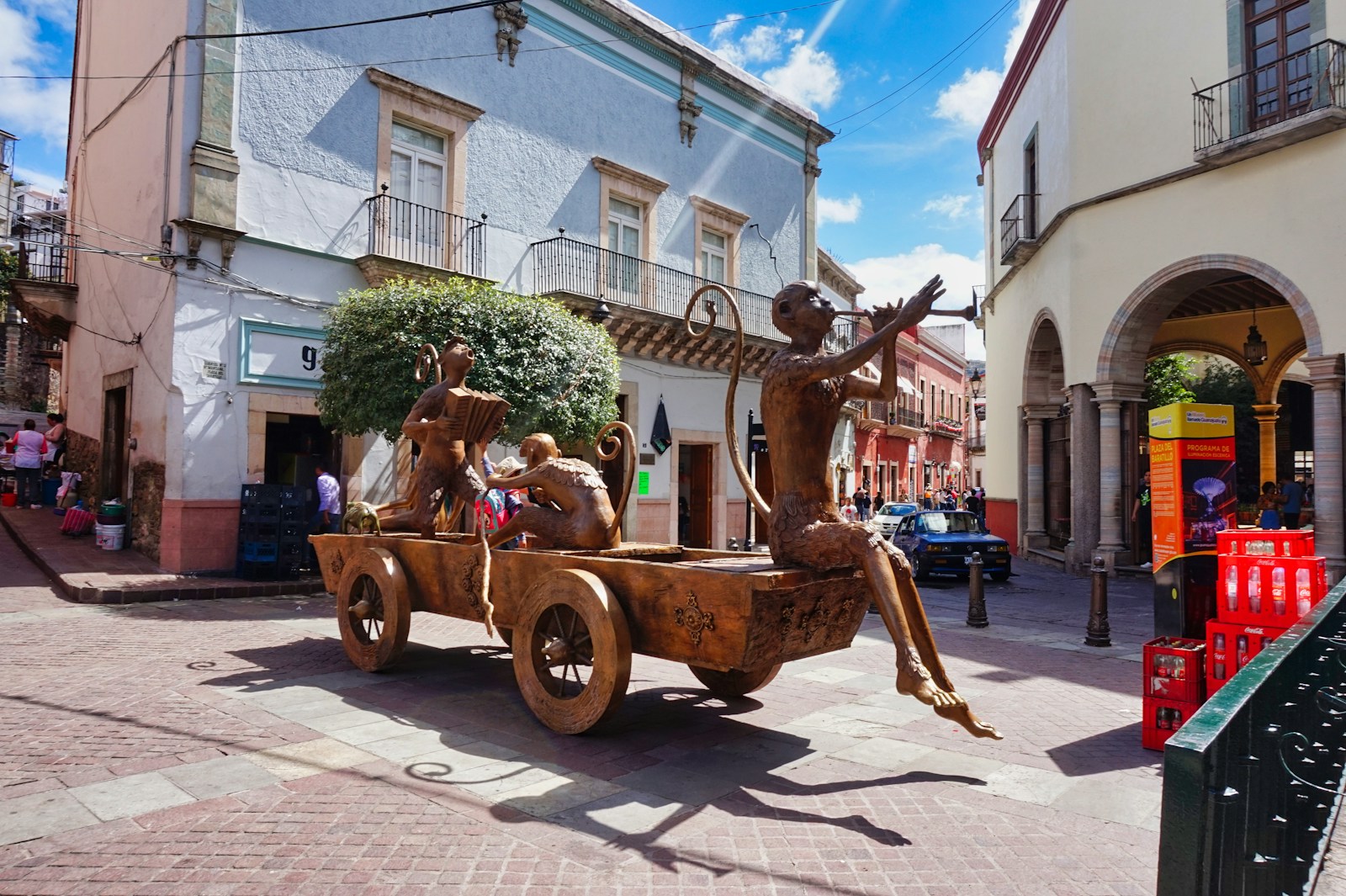
3. Peru â Budget Travel with Machu Picchu
Peru is a bucket-list spot for good reason, and you can do it without spending a fortune. It just takes some smart planning, especially around the big-ticket item: Machu Picchu.
How to save on Machu Picchu:
- The Inca Trail is expensive ($500â$700 for a 4-day trek). Alternatives like the Salkantay Trek or the Lares Trek are cheaper and less crowded.
- Take the train from Ollantaytambo to Aguas Calientes, not from Cusco. It’s about half the price.
- Avoid the tourist-heavy restaurants in Aguas Calientes. Eat at local markets or bring snacks from Cusco.
Beyond Machu Picchu, Peru is very affordable. Cusco has budget hostels for $8â$12 a night, and you can get a full meal at a local market for $3. Lima has a world-class food scene, but you can still grab a good ceviche for $5â$7 at a local spot. Bolivia is cheaper, but Peru has more variety and history, which makes it a strong contender for value. Colombia offers more modern comforts for a similar price, but Peru has the Andes and ancient sites.
A decent pair of hiking sandals (like Chacos or Tevas) is useful for walking around Cusco and the Sacred Valley. Also, a lightweight travel hammock is nice for relaxing in the jungle town of Puerto Maldonado.
4. Ecuador â Small Country, Big Value
Ecuador doesn’t get as much attention, but it’s a great budget option. It uses the US dollar, so there are no exchange rate headaches for Americans or anyone carrying dollars. That stability alone makes it a solid choice.
Cost comparison:
- Quito: Hostels in the historic center for $8â$15 a night, lunch menus for $3â$5, and a bus from the airport to the city for $0.50.
- Baños: Even cheaper. You can get a room for $15â$20, and activities like hiking to waterfalls or biking down the “Route of the Waterfalls” cost almost nothing.
- Galápagos: Not a budget destination, but you can do it cheaper by staying on Isla Isabela (less touristy, more affordable) or taking a day tour from Santa Cruz instead of a multi-day cruise.
Local transport in Ecuador is cheap. Long-distance buses run about $1â$2 per hour of travel. The highlands and coastal towns are easy to reach. If you want a compact country with varied landscapes and low costs, this is it. Peru has more history, but Ecuador is simpler to navigate on a budget.
For the Galápagos, a waterproof phone pouch is a good idea. You’ll be snorkeling with sea lions and turtles, and you don’t want to wreck your phone. It’s a small thing that pays off big.
5. Paraguay â The Overlooked Cheap Destination
Paraguay is about as off-the-beaten-path as it gets, and it’s dirt cheap. Most travelers skip it, which means you get authentic experiences without the crowds.
Where your money goes:
- Hostel in Asunción: $8â$12 per night
- Local meal (chipá, sopa paraguaya, grilled meats): $3â$5
- Bus across the country: $10â$20
- Jesuit ruins entrance: $5â$10
The Jesuit missions are a UNESCO World Heritage site and barely cost anything to visit. You can also access Iguazu Falls from the Paraguayan side, which is less crowded and cheaper than the Brazilian or Argentine sides. Accommodation is consistently low-cost, and local food is hearty and cheap. Paraguay is best for travelers who want to go where few others do. Bolivia is cheaper for adventure, but Paraguay wins for authenticity and simplicity.
Bring a good travel guidebook or a phrase book in Spanish or Guaranà to help with local interactions. English isn’t widely spoken here.
6. Argentina â Navigating Inflation for Budget Travelers
Argentina is a bit tricky. On paper, it’s more expensive than most. But the reality of the “blue dollar” exchange rate can make it surprisingly affordableâif you know how to work it.
The key is currency:
- Exchange your dollars or euros on the unofficial “blue” market (at Western Union or with local cambios) to get a much better rate than the official one. This can effectively cut your costs in half.
- Stick to cash. ATMs give terrible rates and charge high fees.
- Shop at local markets and cook your own food to save money.
Budget-friendly cities:
- Mendoza: Affordable wine tasting ($10â$15 for a tour), free hiking in the Andes, and budget hostels ($12â$18).
- Córdoba: A student city with cheap eats and lively nightlife.
- Buenos Aires: Can be expensive, but free walking tours and cheap street food (empanadas for $1 each) help keep costs down.
Activities like hiking in Patagonia are free, but getting there isn’t. Fly to Ushuaia or El Calafate off-peak to save. Argentina is great for wine lovers, tango fans, and hikers. Bolivia is cheaper for backpacking, but Argentina offers a different kind of valueâcultural richness at a negotiable price.
A money belt for cash is essential here, since you’ll need to carry large amounts of local currency. Also, download a currency converter app to keep track of the blue rate.
7. Chile â The Middle Ground (and How to Save)
Chile is the most expensive country on this list, but it’s still doable if you plan well. It’s a middle ground where you can have a great trip for $50â$70 a day, compared to $25â$35 in Bolivia.
How to save in Chile:
- Focus on the north and south: San Pedro de Atacama and Puerto Natales are budget-friendly gateways to Patagonia and the Atacama Desert.
- Use local buses instead of flights. Buses in Chile are comfortable and relatively cheap ($30â$50 for long distances).
- Cook your own food. Hostels with kitchens are common, and grocery stores are affordable.
- Travel during shoulder season (October-November or March-April). Prices drop and crowds thin out.
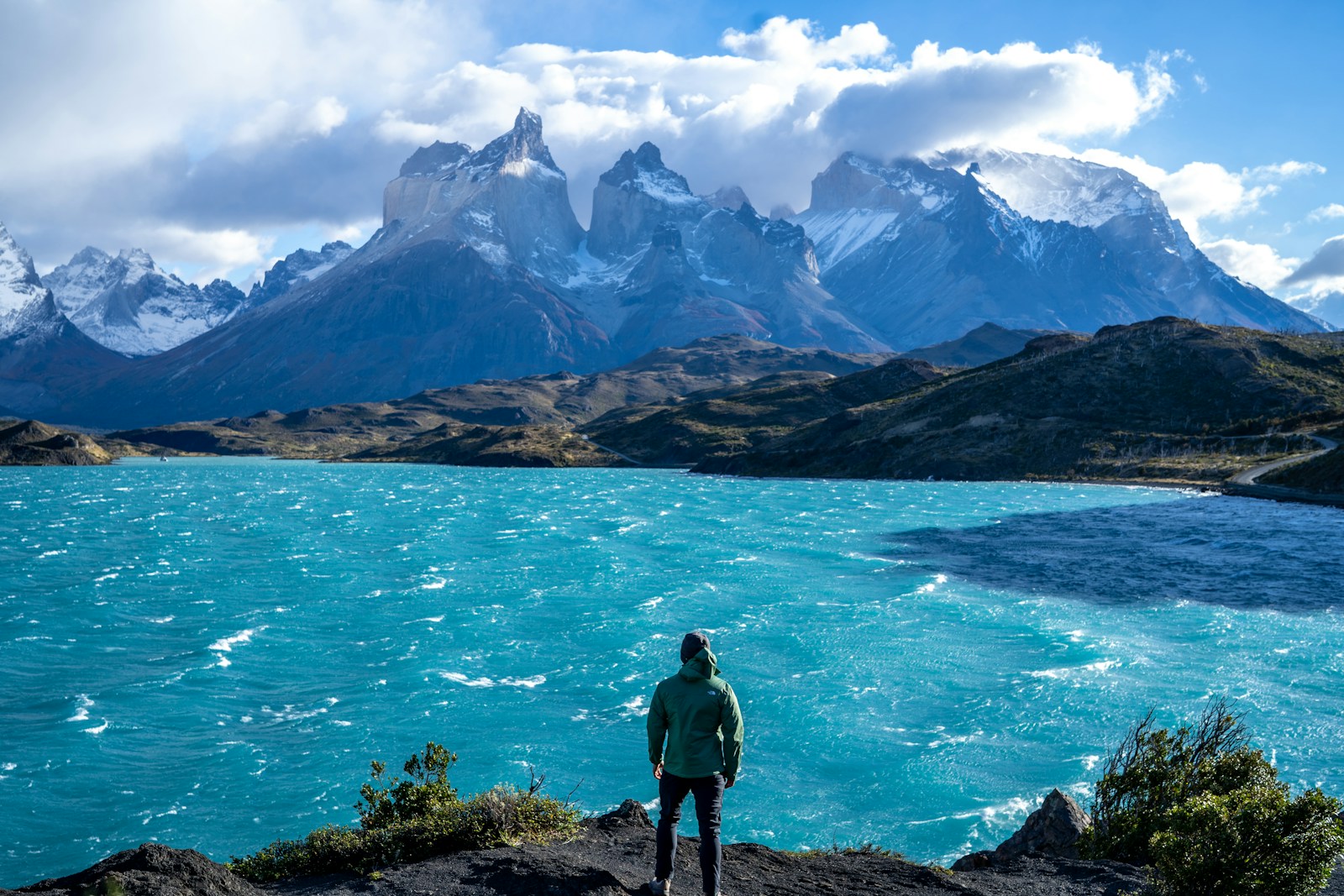
Compared to Peru, Chile is more expensive for food and accommodation. Compared to Bolivia, it’s a different ballgame. But Chile offers world-class hiking in Torres del Paine and the Atacama Desert, which are worth saving for. If you’re on a tight budget, you might skip Chile and spend more time in Bolivia or Peru. But if you can stretch a bit, it’s a great addition.
A camping stove can be useful for cooking in hostels with kitchen access. And thermal clothing layers are essential for Patagonia, even in summer.
Cheapest Countries vs. Best Value: What’s the Difference?
There’s a difference between “cheapest” and “best value.” Here’s how I see it.
- Cheapest (Bolivia, Paraguay): Absolute lowest daily costs. Great for hardcore budget travelers who care more about stretching their money than luxury or variety. You’ll get basic accommodation, simple food, and raw experiences.
- Best value (Colombia, Peru, Ecuador): Slightly higher costs, but a better balance of quality, safety, infrastructure, and experiences. The food is better, hostels are nicer, and there’s more to do without spending a lot.
- High value (Argentina with blue dollar): If you know how to exchange money, you can get a premium experience (wine, steak, culture) for a fraction of what you’d expect.
For first-time budget travelers, I usually point them toward Colombia or Ecuador. For veterans, Bolivia or Paraguay offer raw adventure. For a splurge, Argentina on the blue rate is hard to beat.
Common Budget Travel Mistakes in South America (and How to Avoid Them)
I’ve seen these mistakes blow budgets more times than I can count. Avoid them and your money will go further.
- Overplanning: Don’t book every hostel and bus in advance. Keep flexibility to adjust to local prices and last-minute deals.
- Ignoring local transport: Buses and colectivos (shared vans) are much cheaper than taxis or Ubers. Learn the routes.
- Not bargaining: In markets and with street vendors, haggling is expected. Be polite, but don’t pay the first price.
- Eating at tourist spots: The restaurant with English menus and pictures is 50% more expensive. Walk a block away and eat where locals eat.
- Forgetting ATM fees: In many countries, ATMs charge $5â$7 per withdrawal. Withdraw larger amounts less often.
- Not checking visa requirements: Some countries (like Bolivia for certain nationalities) require a visa that costs $100â$160. Check before you go to avoid surprises.
- Relying on credit cards: Many places in Bolivia, Paraguay, and rural areas are cash-only. Always have enough local currency on hand.
How to Plan a Multi-Country Budget Trip Without Breaking the Bank
Want to visit multiple countries? Here’s how to do it without blowing your budget.
- Choose overland routes: Buses are the cheapest way to cross borders. A common route is Colombia â Ecuador â Peru by bus. It’s safe, scenic, and costs $20â$40 per cross-border jump.
- Use overnight buses: They save you a night’s accommodation. Buses in Peru and Chile are comfortable enough to sleep on.
- Book hostels with kitchens: Cooking your own meals cuts food costs by 50%. You’ll also meet other travelers.
- Eat at markets: Markets in Bolivia, Peru, and Colombia have cheap, delicious meals. The fresh fruit juices alone are worth it.
- Travel during shoulder season: April-May and September-October offer lower prices and fewer tourists. You still get decent weather.
- Use a travel planning app: Apps like Rome2Rio or Maps.me help you find cheap transport routes offline.
- Bring a universal adapter: South America uses different plug types. A universal adapter saves you from buying multiple ones.
Final Tips for Budget Travelers in South America
Here’s the bottom line: South America is one of the most rewarding continents to explore on a budget. Don’t let the price tags scare you off. Pick the country that fits your styleâwhether that’s Bolivia for raw affordability, Colombia for value, or Argentina for a deal on a luxury experience. Stay flexible, embrace local culture, and always carry cash. The best trips aren’t the ones with the biggest budgets; they’re the ones with the smartest planning.
If you’re feeling overwhelmed or just want a second opinion, I’m here to help. At Bob’s Travel Service, we specialize in crafting custom South American itineraries that match your budget and interests. From hostel bookings to group tours, we can take the guesswork out of planning so you can focus on the adventure. Reach out anytime.