Travel Hacking 101: How to Use Credit Card Points for Free Flights
What is Travel Hacking with Credit Card Points?
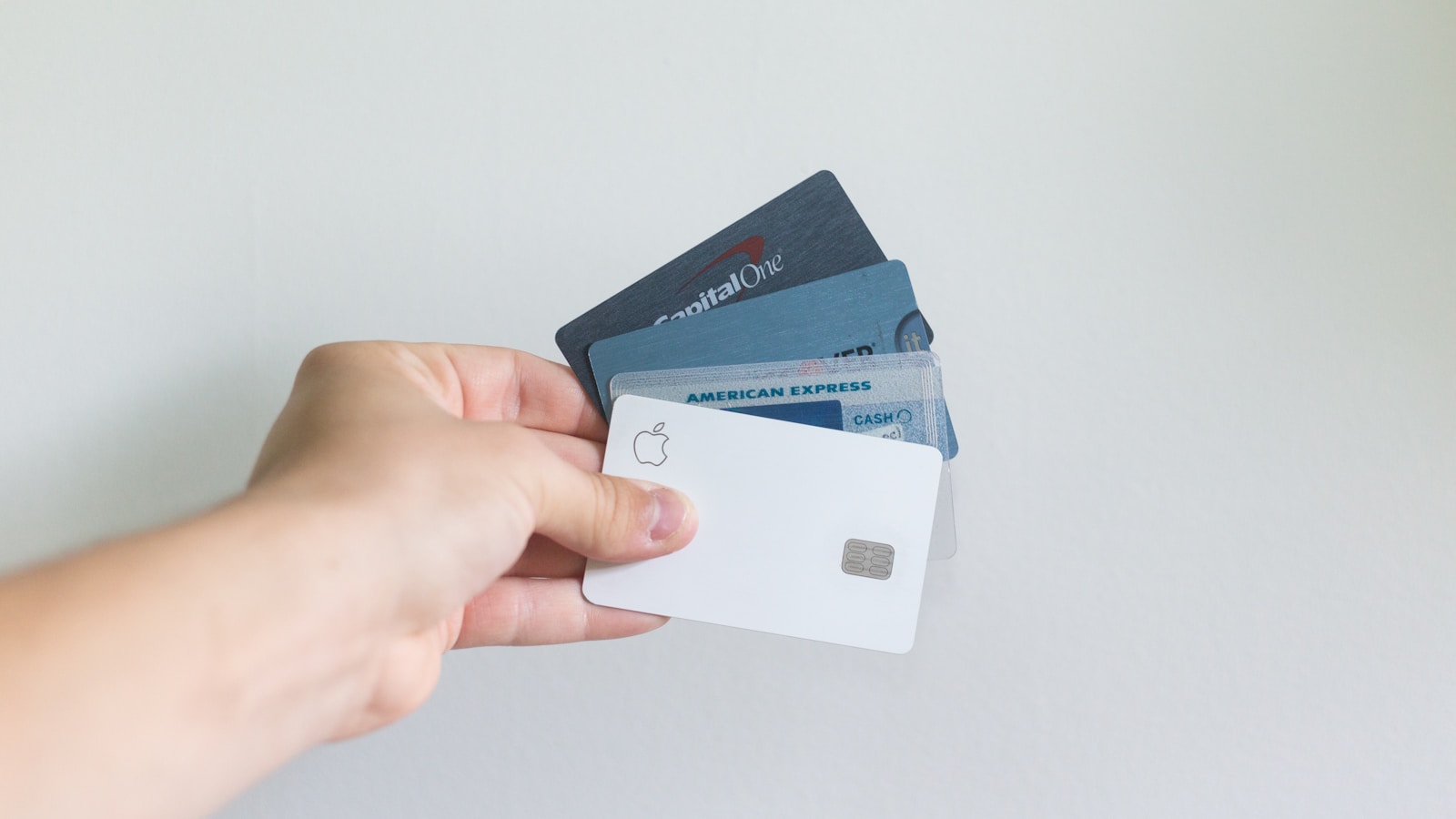
Travel hacking with credit card points isn’t about conning airlines or finding secret loopholes. It’s a straightforward system: you use credit cards that earn points or miles, then you redeem those points for flights. That’s it. No magic tricks, no hidden codes, just a methodical approach to spending money you were already going to spend.
This article is for absolute beginners. You’ve probably heard stories about people flying first class for pennies or taking “free” vacations to Europe. You might think those are exaggerated or require some kind of elite superpower. They aren’t. They come from understanding how credit card reward programs work. I’ve been using this system for yearsâflying my family across the Atlantic, visiting national parks, and taking weekend tripsâall funded by points from everyday purchases. I’m not a points guru who spends 300 days a year on the road. I just figured out the basics and applied them consistently.
That’s what travel hacking with credit card points is really about. Making your money work harder by turning normal spending into future travel. It’s genuinely valuable. Start with realistic expectations. You won’t fly to Tokyo for free next week. But with the right approach, you can book a domestic round-trip flight within a few months, and build from there.
The Two Main Types of Points You Need to Know
Before you apply for a card, you need to understand what you’re actually earning. Not all points are created equal. Broadly speaking, there are two categories: transferable points and co-branded airline miles.
Transferable Points: The Flexible Money
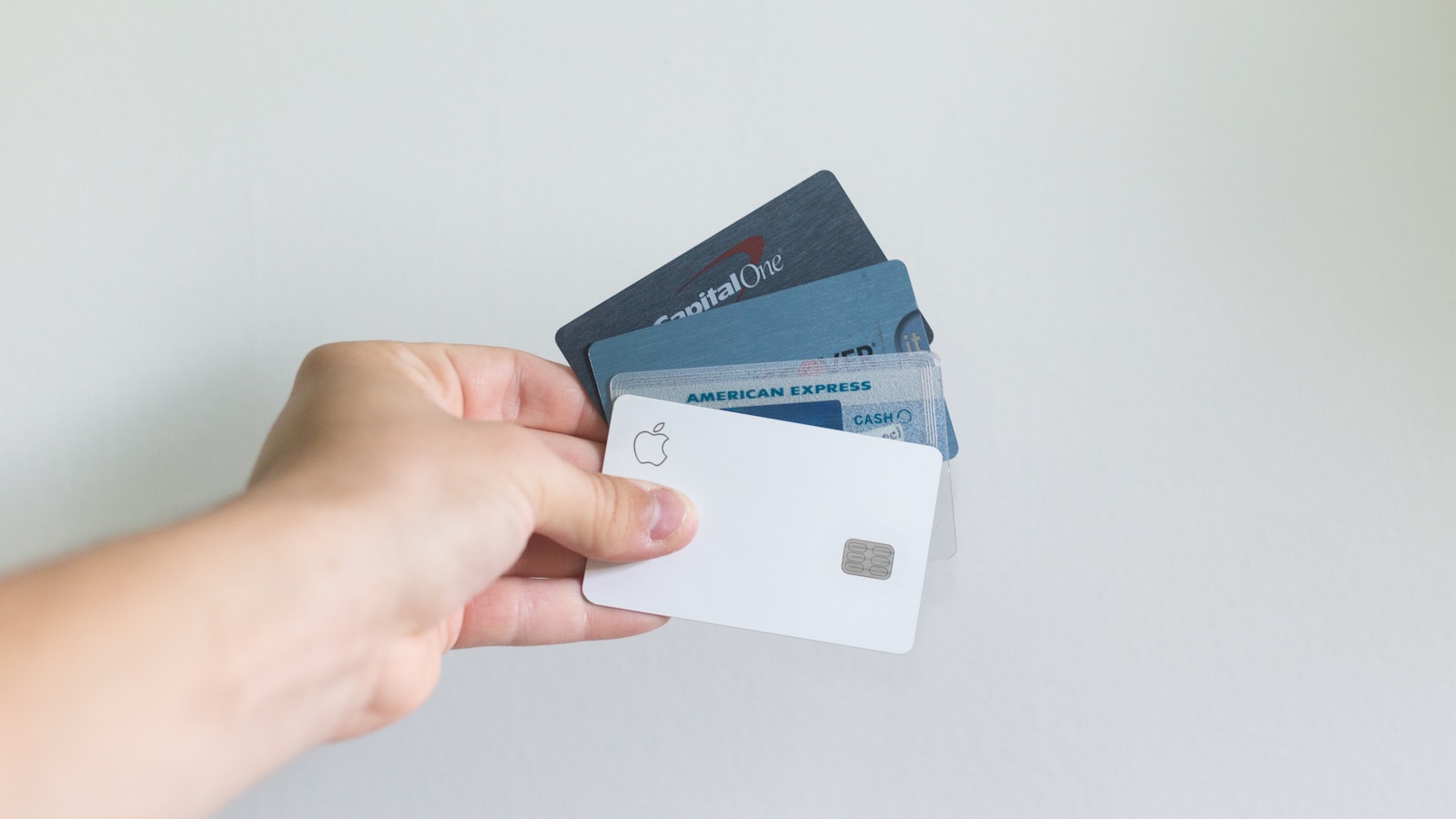
Transferable points are the gold standard for beginners. These are points you earn from banks like Chase (Ultimate Rewards), American Express (Membership Rewards), or Capital One (Venture Miles). Their main advantage is flexibility. You can transfer them to a variety of airline and hotel partners at a 1:1 ratio. So 1,000 Chase points can become 1,000 United miles or 1,000 Hyatt points, depending on what you need.
Why this matters: If you earn Delta SkyMiles directly, you can only use them on Delta or its partners. If you earn Chase points, you can use them on Delta, United, Emirates, or British Airways by transferring. That’s freedom. Most beginners should start with a card that earns transferable points.
Here’s a quick, realistic comparison of the major transferable programs:
- Chase Ultimate Rewards: Best for domestic travel and Hyatt hotels. Partners include United, Southwest, British Airways, and Hyatt. Easy to transfer, good value.
- Amex Membership Rewards: Strong for international travel. Partners include Delta, Air Canada Aeroplan, Avianca, and Emirates. Good for premium cabins.
- Capital One Miles: Gaining ground. Partners include Air Canada, Etihad, and British Airways. No annual fee options available.
Co-Branded Airline Miles: The Specialized Tool
Co-branded miles come from cards branded by a specific airline, like the Delta SkyMiles Platinum card or United Explorer card. They’re less flexible. You earn miles for that specific program and can only use them with that airline and its alliance partners. They don’t transfer to other programs.
When to use them: If you fly Delta all the time for work and status matters, a co-branded card might make sense. But for a beginner looking for travel hacking credit card points, stick with a transferable currency. You get more options, better flexibility, and typically better value per point.
How to Choose the Right Card for Your Travel Goals
Choosing your first card is probably the most important decision. Get this right, and the rest gets easier. Get it wrong, and you’ll sit on a pile of miles you can’t use effectively. If you plan on managing multiple cards, it helps to keep some essential travel organizer items on hand to stay on top of the paperwork.
Here’s a simple decision framework based on what you want to do:
Step 1: Know Your Travel Goal
Are you planning a domestic trip to see family? A weekend getaway to a beach? A big international vacation? Your goal determines which card is best.
- Best for international travel: Look at cards with strong transfer partners for airlines like Emirates, British Airways, or Air Canada. The Chase Sapphire Preferred or Amex Gold are strong contenders.
- Best for domestic flights: Cards with United or Southwest as partners work well. A flexible card is still better than a co-branded one.
- Best for hotels: If you want free hotel nights, consider a card that transfers to Hyatt (like Chase) or a hotel-specific card like the World of Hyatt card.
Step 2: Evaluate the Annual Fee
Don’t be scared of annual fees. Many cards with fees between $95 and $250 offer a travel credit that essentially pays for the fee. For example, the Chase Sapphire Preferred has a $95 fee but includes a $50 hotel credit. The Amex Gold has a $250 fee but includes monthly dining and Uber credits. Do the math. If the credits match your spending, the fee is effectively zero.
Step 3: Look at the Welcome Bonus
The welcome bonus is the fastest way to get a large chunk of points. Look for offers of 60,000 points or more. That’s typically enough for a domestic round-trip flight. But always check if you can meet the minimum spend requirement (usually $4,000 in three months) without overspending. That’s the trap.
Step 4: Check Transfer Partners
If you have a specific airline in mind, make sure your card transfers to it. Chase transfers to United and Southwest. Amex transfers to Delta and British Airways. Don’t assume. Check the transfer partner list before applying.
My recommendation for a beginner: Start with the Chase Sapphire Preferred. It has a manageable annual fee, decent transfer partners, and a solid welcome bonus. You can always expand later.
Earning Points Faster: A Simple Strategy That Works
The fastest way to earn points isn’t by optimizing every single purchase. It’s by hitting sign-up bonuses. Period. A single welcome bonus can give you 60,000 points. That’s worth more than a year of 2x points on groceries.
Here’s a simple strategy that works for normal people:
- Focus on one card at a time: Don’t apply for three cards at once. Pick one, meet the minimum spend, then move on. Trying to do too much leads to missed payments and wasted fees.
- Meet the minimum spend naturally: Use the card for everyday expensesâgroceries, gas, dining, insurance, and utility bills. If you have a big planned purchase (like car insurance or a vacation), time it to align with the bonus window.
- Add an authorized user: If you have a trusted partner, add them as an authorized user. Their spending counts toward the minimum spend too. Just be careful about overspending as a household.
- Use shopping portals: Many card issuers have online shopping portals that give extra points per dollar. Before you buy anything online, check the portal. It’s free money.
- Pay your bills: If your landlord or utility company accepts credit cards without a huge fee, use your points card. Even paying a $1,000 rent bill for a few months helps hit the bonus.
The biggest mistake beginners make is overspending just to hit a bonus. Don’t do this. If you can’t meet the minimum spend without carrying a balance, you’re not ready. Points are worthless if you’re paying 20% APR on them.
Finding Award Availability: The Real Work Begins
You’ve earned your points. Now comes the actual hardest part: finding an award flight you can actually book. Availability is the reality check. Free flights aren’t always available when you want them. This is where many beginners get discouraged.
Here’s what you need to know: Airlines release a limited number of seats per flight for award bookings (the ones you use points for). These seats are often released 330 days in advance. If you want specific dates or popular routes, you need to book early. For domestic flights, you might find availability within a month or two. For international premium cabins, you often need to book 10-11 months out.
How to search effectively:
- Use airline websites: Start with the airline you want to fly. United, Delta, and American all have award search calendars that show availability across dates.
- Use partner tools: Sometimes the best availability is found through a partner. For example, British Airways Avios can book short-haul American Airlines flights with low points. Aeroplan (Air Canada) often shows Star Alliance availability well.
- Be flexible: The more flexible you are with dates, airports, and connection cities, the better your chances. If you can fly on a Tuesday instead of a Saturday, you’ll find seats.
- Consider repositioning: Flying out of a major hub (like New York JFK, Chicago ORD, or Los Angeles LAX) gives you more options. If you live in a smaller city, you might need to drive or take a cheap cash flight to a hub first.
The reality: you won’t always find the flight you want. That’s okay. Patience and flexibility are the currencies here. If you can’t find availability now, come back in a week or check a different airline partner. Don’t give up right away.
Redemption Basics: Points, Taxes, and Fees
That “free” flight you’ve been dreaming of? It’s not entirely free. Every award booking comes with taxes and fees. The amount varies wildly depending on the airline and the route.
Here’s how it breaks down:
- Domestic flights: You’ll pay $5.60 to $12 in government taxes per one-way ticket. A domestic round-trip that costs 25,000 points will have about $12 in fees. That’s practically free.
- International flights: This is where it gets complicated. Many airlines, especially British Airways and other foreign carriers, add fuel surcharges. These can be $200, $500, or even more for a ticket. You end up paying almost as much in fees as you would for a cheap cash ticket.
- How to avoid high fees: Transfer your points to programs that pass on fewer fees. For example, Chase points to United or Air Canada Aeroplan often have very low fees on international routes. Avoid booking British Airways for long-haul flights because of the surcharges. Always check the “taxes and fees” line before you confirm the booking.
A simple example: You want a domestic round-trip from New York to Denver. You transfer 25,000 Chase points to United. The booking shows $11.20 in taxes. You pay $11.20. That’s it. That’s a free flight.
The key lesson: never book a redemption without checking the fees first. If the fees are high, look for a different airline or a better transfer partner.
Making the Most of Transfer Partners
Transfer partners are the engine of travel hacking. They turn flexible credit card points into actual flights. But not all transfers are created equal.
The basic process: You earn points with Chase or Amex, then log into your account, navigate to the transfer section, and move points to an airline program. The transfer is usually instant and irreversible. So you need to be sure you’re transferring to the right place.
Best transfer values right now:
- Chase to United: Excellent for domestic travel. United often has good availability and low fees.
- Chase to Hyatt: One of the best values in the game. Hyatt points can get you luxury hotels for as few as 5,000 points per night.
- Amex to British Airways Avios: Great for short-haul flights within the US on American Airlines. For example, a 650-mile flight costs just 7,500 Avios. That’s a solid deal.
- Amex to Air Canada Aeroplan: Good for international travel on Star Alliance airlines. Aeroplan has a distance-based award chart that can be very valuable for non-stop flights.
What to watch out for: Devaluations happen. Airlines occasionally change their award charts, making flights more expensive. Before you commit to a specific program, check the current transfer ratio. A 1:1 transfer that used to be great might now be mediocre. Always compare the points cost of your desired flight across multiple partners before transferring.
This is an advanced skill, but it’s essential. Once you master transfers, you start getting 2 cents or more per point in value, which is where the real magic happens.
Common Beginner Mistakes and How to Avoid Them
I’ve made almost all of these mistakes, and I’ve seen plenty of others make them too. Here are the most common pitfalls and how to sidestep them.
- Applying for a card without checking availability first. You need to know you can actually book a flight with the points you’ll earn. If your target airline has no award availability on your desired route, the card is useless. Check before you apply.
- Hoarding points. Points aren’t an investment. They devalue over time. Use them within 12-18 months of earning them. Hoarding for a “better day” usually just means they’re worth less later.
- Paying interest. If you carry a balance, the interest will eat your points value alive. Always pay your statement in full. If you can’t, you shouldn’t be using a rewards card.
- Ignoring transfer bonuses. Occasionally, Chase or Amex offer bonus transfers (e.g., 20% more points when transferring to British Airways). Always check if a transfer bonus is active before you move points. It’s free value.
- Booking with the wrong card. Don’t use your points card for the purchase that earns you the most points. Use it for the purchase that earns you the most value. For example, don’t use your Chase card for a foreign transaction when your Capital One card has no fees. For keeping everything straight, a travel journal or planner can help you track your reservations and rewards strategy clearly.
- Not reading the fine print. Some cards have caps on how many points you can earn in a year. Some have restrictions on which categories earn bonus points. Read the terms. It’s boring, but it saves you from disappointment.
- Overcomplicating everything. You don’t need ten cards to get started. One solid card, used correctly, will get you to your first free flight. Don’t let analysis paralysis stop you from starting.
These mistakes are avoidable. Be methodical, read the details, and remember the goal: free travel, not endless optimization.
Tracking Your Points and Staying Organized
You’ll eventually have points in multiple programs. Chase, Amex, United, Delta, maybe even some hotel points. It gets messy fast. Without a system, you’ll lose track of balances, miss expiration dates, and waste value.
A simple system that works:
- Use AwardWallet or Points.com: These are free tools that connect to your accounts and show all your balances in one dashboard. AwardWallet is the most popular. It sends expiration alerts and tracks your total point value. Set it up once, check it monthly.
- Use a spreadsheet: If you prefer manual tracking, make a simple Google Sheet. Columns: Program, Points Balance, Expiration Date, Next Action. Update it once a month. Takes five minutes.
- Keep a calendar: Mark your card’s annual fee renewal date. That’s when you decide if you want to keep the card or cancel it. Also mark the expiration of any sign-up bonuses you’ve earned.
I use AwardWallet and check it bi-weekly. Takes less than a minute. Without it, I would have lost thousands of points by now. Don’t rely on memory. Points expire, cards change, and you’ll forget. A simple tracking system is non-negotiable.
When to Use Cash Back Instead of Points
Travel hacking isn’t always the right answer. Sometimes paying with cash or using a cash-back card is smarter. Here’s when to make that call.
- Low point value: If a flight costs 20,000 points but the cash price is $150, you’re getting 0.75 cents per point. That’s terrible. Pay cash. Good rule of thumb: aim for at least 1.5 cents per point in value. Below that, cash is better.
- Cheap flights: A $50 domestic flight with a low-cost carrier like Spirit or Ryanair is usually not worth booking with points. The fees alone might be $20, and you’re not saving much. Just pay cash.
- When you need flexibility: Points bookings often have strict change and cancellation policies. If your plans are uncertain, a refundable cash ticket might be worth the peace of mind.
- When you have no points left: Sometimes you just need a ticket and your points are low. Don’t hoard points for a “better use” if you need to travel now. Use your cash-back card (which earns a flat 2% back) to soften the blow.
The math is simple: compare the cash price to the points cost plus fees. If the value per point is below 1.5 cents, use cash. If it’s above 2 cents, use points. If it’s in between, use your judgment based on how many points you have and how much you value simplicity.

Final Thoughts: Is Travel Hacking Worth It for You?
Travel hacking with credit card points isn’t a get-rich-quick scheme. It’s a system that requires some upfront effort: reading terms, tracking balances, staying flexible. But the reward is genuine. I’ve flown my family to Europe, visited five national parks in one summer, and taken weekend trips to New Yorkâall on points. It didn’t happen overnight. It happened one card, one bonus, and one booking at a time.
Is it worth it for you? Depends on your discipline. If you can pay your cards in full every month, avoid overspending, and spend 30 minutes a month managing your accounts, yes. The free flights you’ll earn over a few years will more than make up for the initial time investment. But if you’re tempted to overspend, carry balances, or you hate any kind of planning, this might not be for you. And that’s okay. Cash back is a perfectly fine alternative.
My advice: start small. Pick one card from the recommendations above. Use it for everything for three months. Hit the welcome bonus. Then try to book a simple domestic flight with your points. That one experience will teach you more than any guide. Once you’ve done that, you’ll know if travel hacking is something you want to pursue seriously.
The system worksâbut only if you actually take the first step.