How to Travel Cheap in Europe by Train: A Practical Guide
Is Train Travel Really Cheaper in Europe?
Let’s tackle the biggest myth head-on. Many travelers assume trains are the expensive, romantic option compared to budget airlines. The truth is more nuanced. For solo travelers covering short-to-medium distances, trains often end up cheaper than flying when you factor in everything. A flight from Paris to Amsterdam might cost â¬40, but add baggage fees (â¬25), airport transfer (â¬15 each way), and two hours of security time. Suddenly that â¬40 flight costs â¬80 and half a day. A direct train often runs â¬35-70 if booked early, drops you city center to city center, and lets you bring a full-size bag for free.
But it depends. For groups of three or four, certain bus routes can be significantly cheaper per person. For long hauls like London to Edinburgh, flights can beat trains on price even with extras. The key to cheap train travel Europe is knowing which routes work and booking at the right time.
| Route | Train Price (Advance) | Flight Price (All-In) | Winner |
|---|---|---|---|
| Paris to Amsterdam | â¬35ââ¬55 | â¬60ââ¬90 | Train |
| Berlin to Warsaw | â¬25ââ¬40 | â¬30ââ¬50 | Train |
| London to Edinburgh | â¬60ââ¬100 | â¬30ââ¬60 | Flight |
| Rome to Florence | â¬20ââ¬35 | â¬50ââ¬80 | Train |
The Two Big Decisions: Rail Pass vs. Point-to-Point Tickets
This is the most important fork in the road for any budget train traveler. Do you buy a rail pass like Eurail, or do you book individual tickets? The answer depends on your itinerary style.
A rail pass makes sense if you’re covering multiple countries over 2â4 weeks with a flexible schedule. For example, if you’re bouncing between six cities in ten days, a 7-day Eurail Global Pass (~â¬260 for youth) can be cheaper than individual advance tickets that might cost â¬50â80 each. But here’s the catch: you still pay for seat reservations on many high-speed trains (â¬10â30 extra per train).
Point-to-point tickets win for shorter trips. If you’re visiting just three cities, buying advance tickets is almost always cheaper. A real example: a 4-day Eurail pass costs about â¬200. Four advance tickets on a route like Paris to Barcelona could cost â¬120â160 total. Plus you avoid reservation fees and have more flexibility on which trains to take.
The rule of thumb is simple: if you’ll take more than 4 trains in a week, a pass might work. For fewer rides, book individual tickets. And if you’re traveling in a group, almost always go point-to-pointâpasses are per person and rarely beat group booking discounts.
How to Book Cheap Train Tickets in Europe
Booking cheap train tickets in Europe is less about magic tricks and more about timing. Most rail operators release tickets 3â6 months in advance. For popular routes like Paris to Milan or Berlin to Prague, you want to book as soon as they drop. I’ve seen fares jump from â¬29 to â¬89 overnight.
Where to book? You have two options: third-party sites like Trainline and direct rail operators. Trainline is convenientâit compares routes across countries, handles reservations, and stores your tickets in-app. But they add a small booking fee (usually â¬1â3). Booking direct with operators like SNCF (France), DB (Germany), or OBB (Austria) avoids that fee. The catch? Direct sites can be clunkier, especially for international routes.
Key tip for cheap train travel Europe: set up price alerts on routes you’re considering. Trainline has this feature, and some national operators do too. Also, some routes have saver fares that appear only at certain times. For example, France’s Ouigo trains can be as cheap as â¬10â20 if you book early, but they’re strict on luggage.
One more warning: popular routes sell out fast in peak season (JuneâAugust). If you’re traveling during summer, book at least 2â3 months ahead. Last-minute tickets on high-speed trains can cost triple the advance price.
Best Train Passes for Budget Travelers
If a pass fits your trip, here are the main options:
- Eurail Global Pass â Best for multiple countries (up to 33). Covers most trains but not all high-speed ones. Prices start around â¬200 for 4 days in a month. Note that seat reservations cost extra on many routes.
- Eurail Select Pass â Best for 2â4 neighboring countries. Cheaper than the global pass if you’re sticking to, say, France, Italy, and Switzerland. Provides some flexibility without covering everywhere.
- Interrail Pass â Same as Eurail but for European residents. Often slightly cheaper. Requires you to start your trip in your home country.
- Country-Specific Passes â France Rail Pass, German Rail Pass, Swiss Travel Pass. These can be great for deep dives into one country. The German Rail Pass, for example, includes all regional trains and most ICE trains without extra reservation fees.
Best for multi-country flexibility: Eurail Global Pass. Best for a single region: country-specific passes. Best for short trips: point-to-point tickets every time.
Cheap Train Routes You Should Consider
Not all train routes are created equal when it comes to price. Some are famously cheap, especially in Central and Eastern Europe. Here are routes where you can consistently find fares under â¬30 if you book early:
- Prague to Vienna â ~â¬15â30. Travel time: 4 hours. One of the most affordable cross-border routes in Europe. Book 3 months ahead and you’ll see sub-â¬20 fares.
- Berlin to Munich â ~â¬30â50. Travel time: 4.5 hours. Germany has excellent saver fares if you book early. Look for Sparpreis tickets starting at â¬18.
- Budapest to Bucharest â ~â¬30â60. Travel time: 12+ hours. An overnight route where the sleeper car can be as cheap as â¬20â30, saving you accommodation costs.
- Warsaw to Krakow â ~â¬15â25. Travel time: 2.5 hours. Poland’s domestic trains are incredibly affordable. You can comfortably book a week in advance and still get a good price.
- Milan to Verona â ~â¬10â20. Travel time: 1.5 hours. Italy’s regional trains are cheap and reliable. No reservation needed, just buy at the station or app.
Domestic routes in countries like Poland, Czech Republic, Hungary, and Italy are often cheaper than cross-border ones. If you’re looking for cheap train travel Europe, base your itinerary around these countries.
Money-Saving Tips That Actually Work
These aren’t generic suggestionsâthey’re tactics I’ve used to cut costs on multiple trips:
- Book advance tickets at release. Set a calendar reminder for 3 months before your trip. The cheapest fares go first, especially on high-speed routes like Paris to Marseille.
- Travel during off-peak hours. Early morning (before 7 AM) or late evening (after 8 PM) trains are often cheaper. Also look for mid-afternoon departures on less popular days like Tuesday or Wednesday.
- Consider discount cards. Germany’s BahnCard (â¬62 for one year) gives 25% off all tickets. If you’re making multiple trips within Germany, it pays for itself. Other countries have similar cardsâcheck before you go.
- Use city passes that include train discounts. Some city cards (like the Vienna Pass or Paris Museum Pass) include discounts on local trains. Not huge savings, but they add up.
- Avoid seat reservations when optional. On regional trains, you rarely need a reservation. Save â¬3â10 per seat by skipping it. On high-speed trains, reservations are mandatoryâdon’t skip those.
- Look for saver fares. Many operators have special fares like DB’s Sparpreis, SNCF’s Ouigo, or Italo’s low-cost options. These are basic but much cheaper.
Common Mistakes That Cost You Money
I’ve made most of these mistakes myself, so I’ll save you the trouble.
Mistake 1: Buying a pass when point-to-point is cheaper. I once bought a 7-day Eurail pass for a 3-city trip. It cost me â¬280. The individual tickets would have been â¬120. What to do instead: run the numbers before buying. Use a spreadsheet or just add up the advance fares for your route.
Mistake 2: Missing seat reservation deadlines. Some high-speed trains require reservations a day in advance. If you don’t book them, you might get stuck waiting for a later train. What to do instead: when booking your pass, immediately check which trains need reservations and book them.
Mistake 3: Booking last minute. Waiting until the week of travel can triple your costs. What to do instead: book at least 2 weeks ahead for popular routes, 3 months for summer peaks.
Mistake 4: Ignoring regional trains. Many travelers default to high-speed trains because they’re faster. But regional trains (RE, IC, or local equivalents) are often 50â70% cheaper. What to do instead: check if a regional option exists for your route. It might take 1â2 hours longer but could save you â¬40.
Mistake 5: Not checking for discount codes. Some rail operators have student, youth, or senior discounts. Also look for codes on sites like Saveur or through travel forums. What to do instead: before booking, Google ‘[operator name] discount code [month year].’ It takes 30 seconds.
When a Rail Pass Doesn’t Save You Money
Let’s be specific about when passes are overkill:
- Short trips (2â3 cities): A 4-day Eurail pass costs ~â¬200. Three advance tickets might cost â¬60â100. Simple math.
- Group travel: Passes are per person and rarely offer group discounts. Point-to-point tickets often have group saver fares (e.g., 4 tickets for the price of 3).
- Regional train-heavy itineraries: If you’re mostly using regional trains (which are already cheap), a pass makes no sense. Four regional tickets in Eastern Europe might cost â¬30 total vs. â¬200 for a pass.
- Last-minute decisions: Buying a pass last minute and then paying for reservations on every train can cost more than booking advance tickets.
The rule of thumb: if you’re taking fewer than 3 trains in a week, skip the pass. If you’re taking 5+ trains, it might work. But always run the numbers.
Regional Trains: The Hidden Cheap Option
Regional trains are the unsung heroes of cheap train travel Europe. They’re slower, sure, but they’re often 50â70% cheaper than high-speed trains. Take Berlin to Frankfurt: a high-speed ICE ticket can cost â¬100+ if you don’t book early. But regional trains (RE and IC) cover the same route for about â¬40, with a travel time of 6.5 hours instead of 4. No reservation needed, so you can show up and buy a ticket.
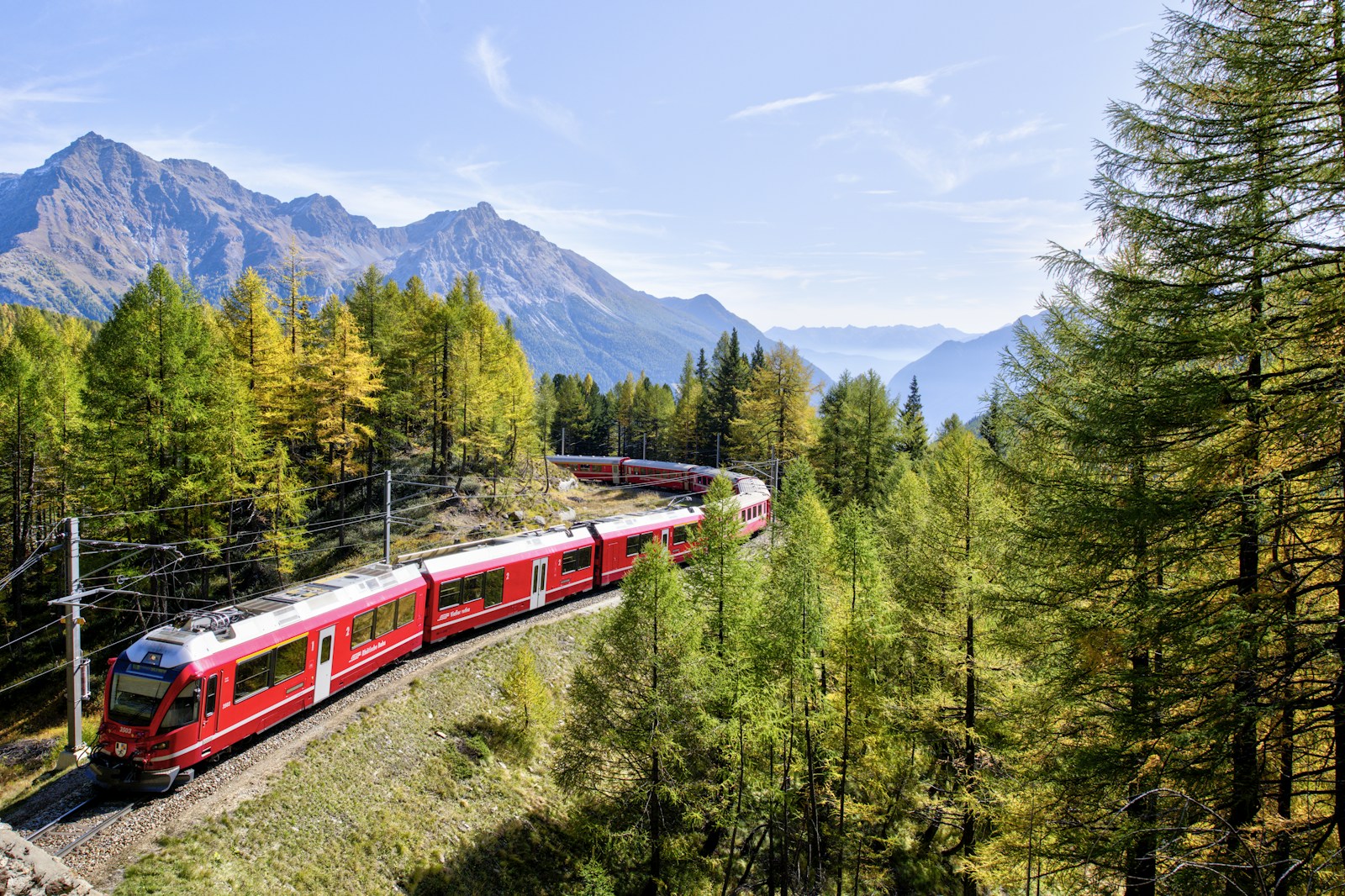
Regional trains also offer scenic routes. The journey from Munich to Salzburg on the regional train costs â¬20 and takes 1.5 hours through the Alps. The high-speed version costs â¬40 and takes 1 hour. You save money and get a better view.
Best for: travelers with flexible time, scenic lovers, and anyone on a tight budget. If you’re going from city to city in the same country, check regional options first. They’re not always slower than high-speed on shorter routes (under 2 hours).
What to Pack for a Budget Train Trip in Europe
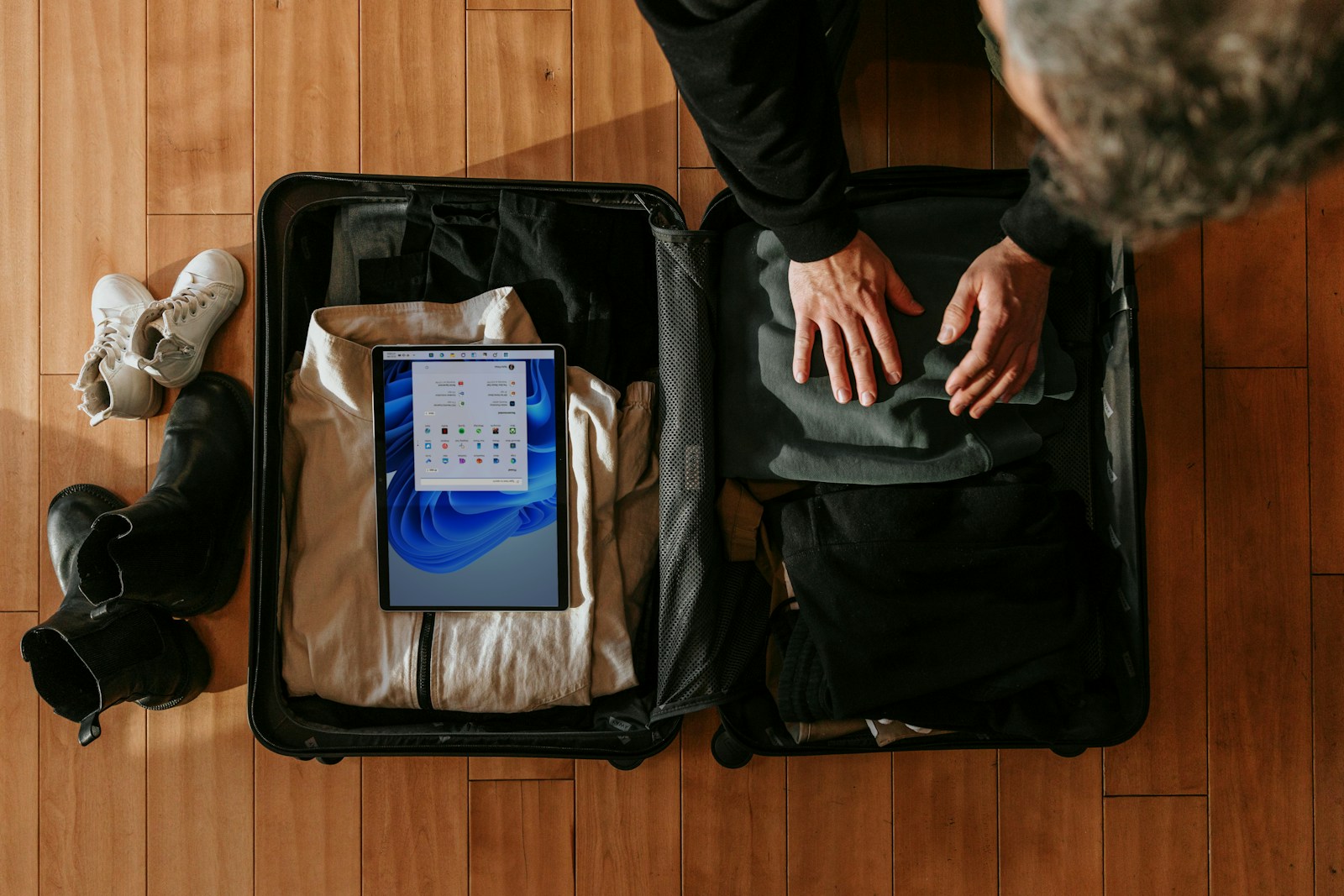
Packing smart saves money by reducing luggage fees and making your trip smoother. Here’s what I’ve learned from years of railway travel:
- A good backpack (35â40 liters). Avoid bulky suitcasesâthey’re hard to store on trains and often require checked baggage on flights if you’re combining transport. Look for one with a padded hip belt and multiple compartments. Travelers who need a durable option for multi-city routes may benefit from a quality travel backpack that fits the overhead rack of most European trains.
- Reusable water bottle. Train station water fountains are common in Europe. Fill up for free instead of buying plastic bottles. For longer journeys, an insulated reusable water bottle keeps your drink cold on summer trains.
- Packing cubes. These sound like a gimmick until you’re unpacking in a tiny train seat. They let you grab a clean shirt without emptying your entire bag. Simple, cheap, effective.
- Travel adapter (universal type). Most European trains have power outlets, but they vary by country. If you are dealing with multiple plug types across borders, a universal travel adapter with USB ports covers all scenarios and charges multiple devices.
- Light, quick-dry clothes. Train seats are small, and bulky sweaters take up space. Merino wool or synthetic fabrics pack down small and dry quickly if you hand-wash in hostels.
None of these are luxury items. They’re practical solutions to real train problemsâlimited space, variable power, and the need to move quickly between platforms.
Where to Sleep to Keep Your Train Budget Low
Connecting cheap train travel with budget accommodation creates real savings. Here’s how to approach it:
- Hostels near central stations. Many European train stations are surrounded by affordable hostels. You save on transport between accommodation and the station. Sites like Hostelworld let you filter by distance to the train station. Expect â¬20â40 per night in Western Europe, â¬10â20 in Eastern Europe.
- Budget hotels near stations. Chains like Ibis Budget or Motel One are reliable and affordable. They’re not charming, but they’re clean, safe, and close to trains.
- Overnight trains. This is a money-saving hack. A sleeper car from Prague to Budapest costs about â¬25â40 and covers accommodation for one night. You arrive in the morning, rested and ready to explore. Just book ahead because sleeper compartments sell out.
Best for solo travelers: hostels with lockers and female-only dorms. Best for couples: budget hotel chains with double rooms. Best for saving money: overnight trainsâone ticket covers transport and a bed.
Final Tips for Planning Your Budget Train Trip
Here’s what to take away from all of this:
Start your planning early. Decide on pass vs. point-to-point tickets within the first week of planning. If you go with tickets, book advance fares 3â6 months out for popular routes. Consider regional trains as a cheaper, scenic alternative. Avoid last-minute bookings unless you have no other option.
If you’re going for cheap train travel Europe, the formula is simple: book early, use regional trains, skip the pass for short trips, and combine with budget accommodation. That combination will get you far more mileage than any single tip.
Start planning your itinerary with a saved search for routes on Trainline. See what’s available for your dates, compare with bus and flight options, and make an informed choice. The key is to decide early so you can lock in the best prices.
Frequently Asked Questions About Cheap Train Travel in Europe
Is it cheaper to buy a Eurail pass or point-to-point tickets?
It depends on your itinerary. For 5+ trains across multiple countries, a pass can be cheaper. For 3â4 trains, point-to-point tickets almost always win. Run the numbers for your specific route before deciding.
How far in advance should I book train tickets in Europe?
3â6 months for popular routes. For less popular domestic routes, 2â4 weeks is often fine. High-speed trains like TGV and ICE have the most price volatilityâbook early to get the best deals.
Are trains cheaper than buses in Europe?
Sometimes. For very short routes (under 2 hours), trains are competitive. For longer routes, buses (like Flixbus) are often â¬5â15 cheaper. The tradeoff is comfort and time. Trains have more legroom, power outlets, and toilets.
Do I need a seat reservation?
For high-speed trains (TGV, ICE, Thalys, AVE), yesâit’s mandatory and costs â¬3â15. For regional trains, no. Check your route before you travel. Missing a reservation on a high-speed train means you can’t board, even with a valid ticket.
Can I get student or youth discounts?
Yes. Many operators offer youth discounts (under 26) and student discounts (with valid ID). Eurail has a youth pass for under-27s. Always check the ‘youth’ or ‘student’ filter when booking online.