Prague Travel Guide: Europe’s Most Affordable Capital
Introduction
If you’re looking for a European city break that doesn’t cost a fortune, Prague should be near the top of your list. This guide covers what you need to plan a practical, budget-friendly trip to the Czech capital. Solo travelers, couples, or familiesâthe goal is getting good value. I’ve spent years helping people figure out this city, and I can tell you that a bit of local know-how makes a real difference. This prague travel guide budget will show you how to stretch your money, from cheap eats to free sights and smart transport choices.
Why Prague Is Europe’s Most Affordable Capital
Let’s be honest: a trip to Paris or London can easily run â¬100-150 a day for a decent hotel and a couple of meals. In Prague, it’s much lower. A realistic daily budget for someone watching their spending is around â¬40-60 per day. That covers a decent hostel or budget hotel, three meals, public transport, and a few paid attractions. Accommodation standards varyâsome older hotels have smaller rooms, but the value is still solid. You just need to know where to look. The average meal in a local restaurant is about â¬8-12, compared to â¬20 in central Paris. A pint of world-famous Czech beer? Around â¬1.50. That’s not a rumorâit’s real. This isn’t just about cheap travel; it’s about getting genuine European culture without the premium price.
Best Times to Visit Prague for Budget Travelers
When you visit makes a big difference to your wallet. High season, June to August, means crowds and higher prices for flights and hotels. Low season, November to February, has the cheapest rates, but you’ll deal with cold weather and shorter days. The sweet spot is the shoulder seasons: April to May and September to October. The weather is pleasant, crowds are thinner, and prices drop noticeably. You’ll find better deals on accommodation and flights. Early May and late September are particularly good. You get decent weather without the peak-season markup. If you’re set on winter, January is the cheapest monthâbut pack for serious cold. The upside is a quieter, more local experience.
Getting to Prague Without Breaking the Bank
Getting there is half the challenge. Your main options are flying, train, or bus. For most long-haul travelers, flying makes the most sense. Budget airlines like Ryanair, Wizz Air, and EasyJet serve Prague Václav Havel Airport from most European hubs. Book at least 6-8 weeks ahead for the best deals. Skip checking a bag if you canâit saves a lot. The airport connects well to the city center by bus and metro. A standard public transport ticket costs about â¬1.40. A pre-booked airport transfer is convenient but always costs more. For shorter distances from neighboring countries like Germany or Austria, a train or bus can be scenic and cheap. FlixBus and RegioJet are reliable and budget-friendly. Whatever you choose, book ahead and read the fine print on baggage fees. For frequent travelers, a lightweight carry-on backpack helps skip bag fees.
Where to Stay: Best Budget Neighborhoods and Accommodations
Don’t stay right in the middle of Old Town. You’ll pay extra for noise and crowds. Instead, try neighborhoods like Vinohrady, Holesovice, or Zizkov. Vinohrady is a leafy residential area with good restaurants and parks, just a short metro ride to the center. Holesovice is more up-and-coming with a local feel and easy access to Letná Park. Zizkov is edgier and very local, with its famous TV tower and cheap pubs. For accommodation, hostels work well for solo travelers. Check out Sir Toby’s Hostel or Miss Sophie’s Hostelâthey’re well-run and social. Budget hotels like Hotel B&B or Iris Hotel Eden offer good value for couples. Apartments on Booking.com or Airbnb are great for families with a kitchen to cook meals. Best for solo travelers? Hostels for the social scene. Best for couples? A quiet hotel in Vinohrady. Best for families? A self-catering apartment in a residential area.
Prague on a Plate: Eating Well for Less
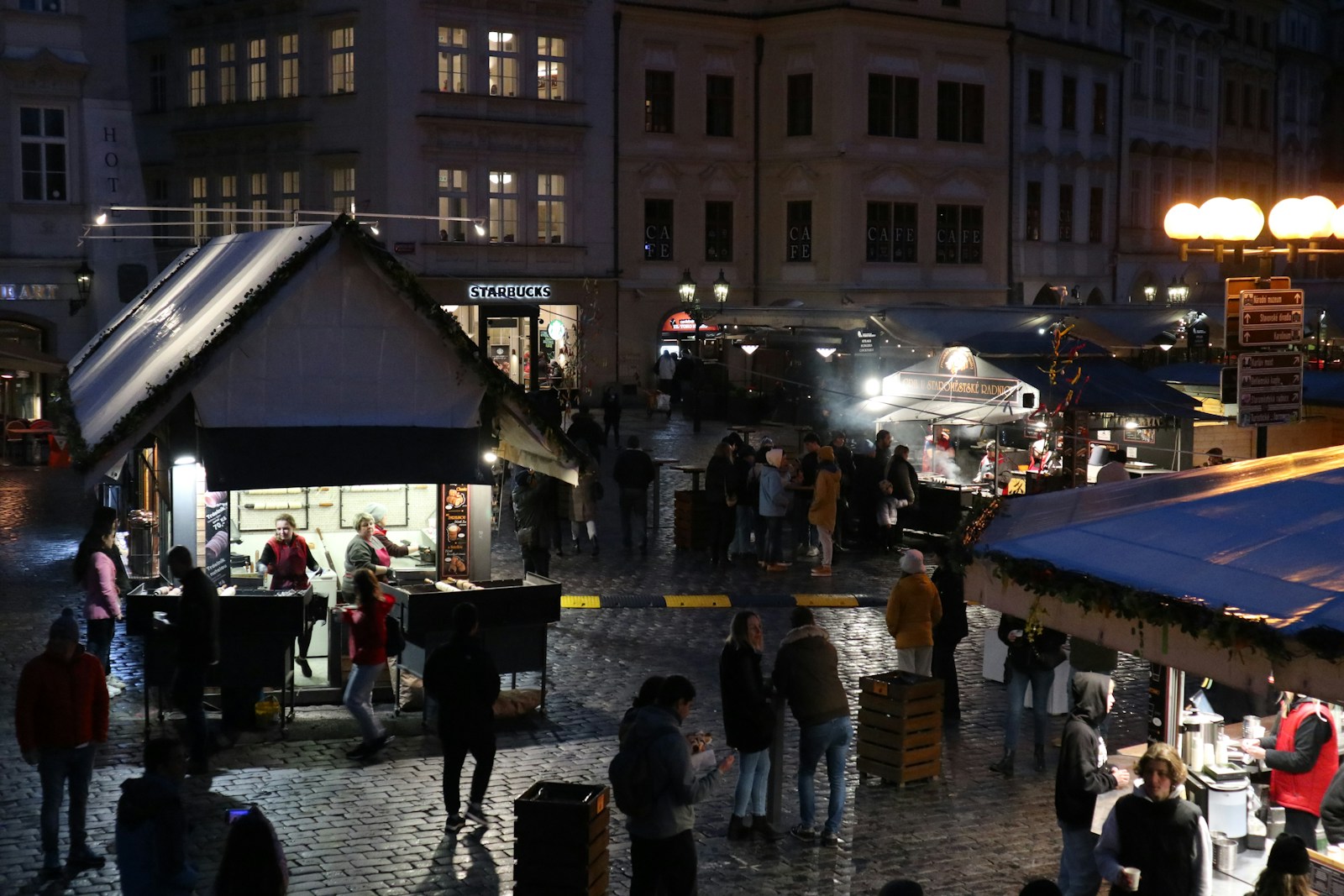
You don’t have to spend much to eat well. The golden rule: avoid the main squares. A restaurant just off Old Town Square might charge â¬12 for the same dish that costs â¬7 a block away. Look for local pubs (hospoda) serving Czech classics like svÃÄková (beef in cream sauce) or vepÅo-knedlo-zelo (pork, dumplings, sauerkraut). A good tip is to check the menu outside. If it’s in multiple languages with pictures, you’re probably paying a premium. As for trdelnÃkâthat sweet pastry you see everywhereâit’s not traditional Czech. It’s a tourist trap. Tasty enough, but you’re paying for the novelty, not quality. For a real meal, try places like Lokál or Pivovarský dům for genuine, affordable food. Food markets like the one at JiÅÃho z PodÄbrad are also good for fresh produce or a quick bite.
Getting Around Prague: Public Transport and Walking Tips
Prague’s public transport is solid. The trams, metro, and buses are clean, efficient, and cheap. You rarely need a taxi. The most common mistake is not validating your ticket. You have to stamp it in the machine when you first board the tram or enter the metro. The fine is around â¬40, and inspectors are common. A 30-minute ticket costs about â¬1. A 72-hour pass is around â¬16. That’s a decent deal. You can buy tickets at machines in metro stations and some newsstands. For getting around, walking is honestly the best way to see the city. The center is compact and walkable. Trams are great for longer distances, especially to neighborhoods like Vinohrady or Holesovice. The metro is fast for crossing town. A practical tip: use the PID LÃtaÄka app for tickets on your phone. For comfort during long walks, a sling bag or crossbody pack keeps valuables secure and accessible.
Top Free and Low-Cost Attractions in Prague
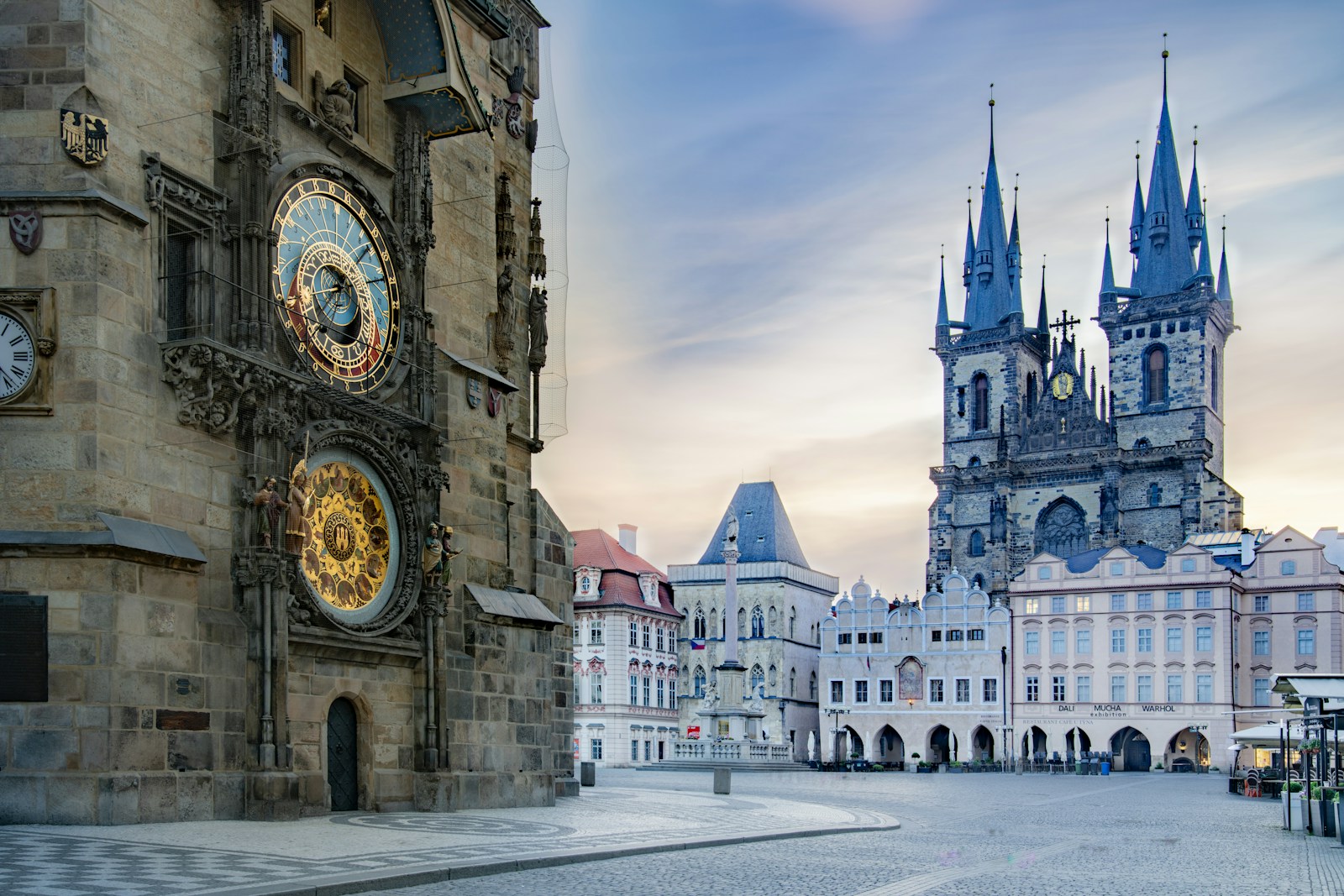
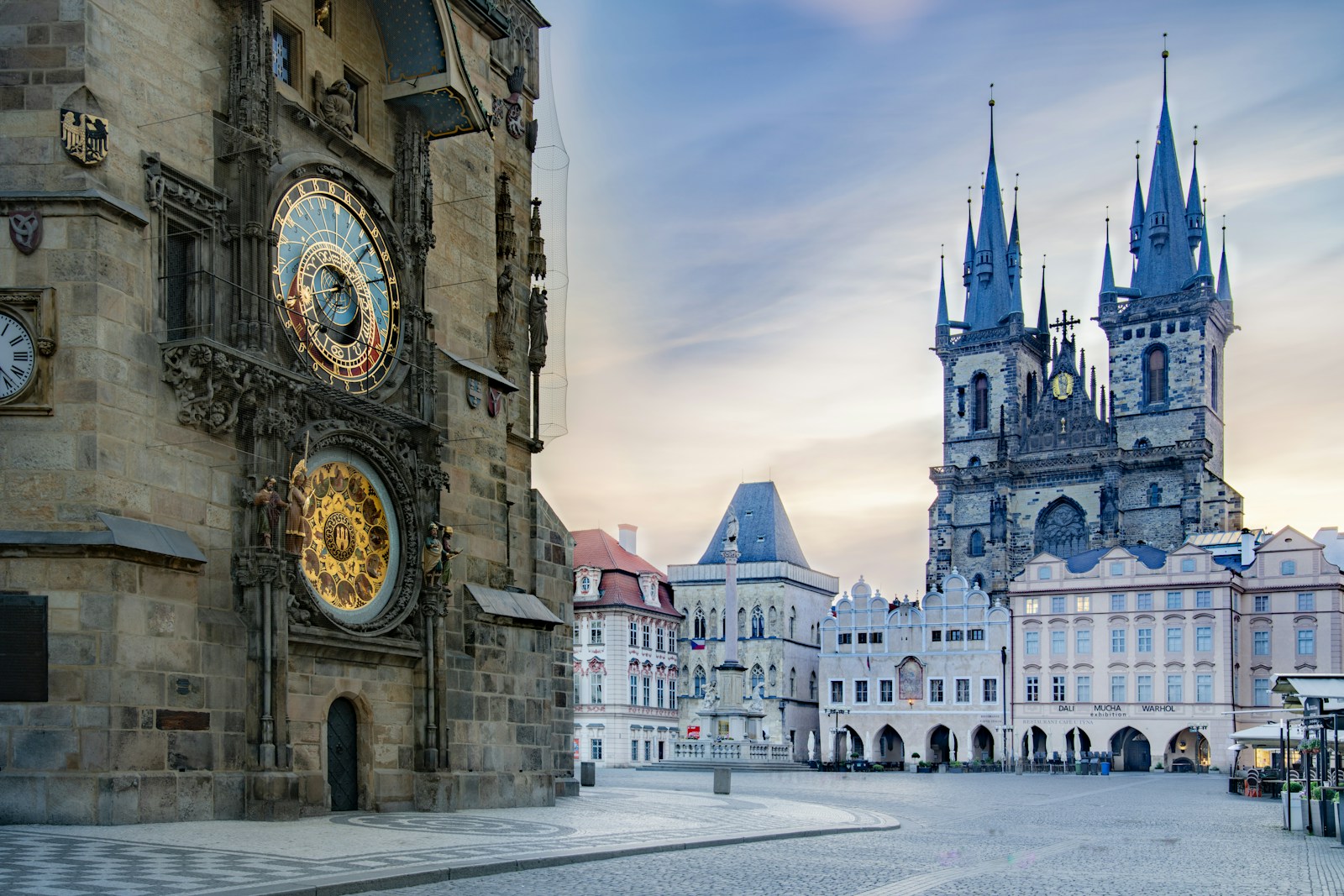
You don’t need to pay for everything. Some of the best sights are completely free. Charles Bridge is iconic and free, but go early (before 8 AM) to avoid the crowds. Old Town Square and the Astronomical Clock are free to view. PetÅÃn Hill is a fantastic free walk with great views. You can take the funicular (covered by your regular transport pass) or just walk up. VyÅ¡ehrad, the historic fort, offers stunning views, a beautiful cemetery, and is usually quietâa good alternative to the busy Prague Castle. The Lennon Wall is colorful and free. Free walking tours are a good idea. They’re tip-based, so you pay what you think it’s worth. Look for ones focusing on the Old Town or Castle. For paid attractions, the Prague Castle grounds are extensive. You can access the cathedral exterior for free, but the full circuit costs about â¬15. The Jewish Quarter is fascinating but costs around â¬15. A smart tip: buy a combined ticket if you plan to visit multiple sights.
Prague Castle vs. Old Town: Which Should You Prioritize?
This is a common question for time-pressed travelers. Both are essential, but you might need to choose. Prague Castle is a sprawling complex. It takes at least 2-3 hours to do properly. It’s an uphill walk, but the views are incredible. The ticket is around â¬15. If you’re serious about history or want that iconic shot, prioritize the Castle. Skip it if you’re short on time or have mobility issues (lots of uphill walking). Old Town is the historic heart. It’s free to wander. The main square, the clock, and the streets are atmospheric. You can easily spend 3-4 hours just soaking it in. The cost is the food and drink you buy. Prioritize Old Town if you want a classic city break without spending much. My advice? Do Old Town in the morning, have lunch, then take the tram to the Castle for the afternoon. It’s doable in a day if you’re energetic. If you only have one day, stick to Old Town.
Common Budget Mistakes Travelers Make in Prague
Knowing the pitfalls saves money. First, exchange rate scams. Avoid currency exchange booths in tourist areas. They often have bad rates or hidden fees. Use ATMs at proper banks. Second, overpriced souvenir shops. Things on the main square are marked up. Walk a block or two away for better deals. Third, taxis. They’re notoriously overpriced in Prague. Use the Liftago app or Uber instead. Fourth, pickpocketing. It’s a problem on the metro, trams, and around popular attractions. Keep your wallet in a front pocket. Don’t leave your bag unattended. Fifth, the “free” walking tours. They’re honest and tip-based, but some are more aggressive. Don’t feel pressured to pay a fortune. A fair tip is â¬10-15 per person for a 2-hour tour. Finally, don’t buy a Prague Card. It’s expensive and rarely pays for itself unless you plan to visit every paid attraction.
Packing for Prague: What to Bring for a Comfortable Trip
Prague’s weather can be unpredictable. The most important thing is comfortable walking shoes. You’ll walk miles on cobblestones, so break them in before you go. Layers are your best friend. A t-shirt, sweater, and light jacket handle most seasons. A rain jacket is essential, even in summer. In winter, you need a warm coat, hat, gloves, and scarf. An umbrella is a good idea, but a compact travel one is better. A power adapter is a mustâthe Czech Republic uses the standard European plug (Type C/E). A small daypack is perfect for carrying water, snacks, and a map. I always recommend a cross-body bag or money belt for valuables. It’s not about being paranoid, just practical. A universal travel adapter is essential for charging devices in Czech outlets.
Final Tips for Your Prague Budget Itinerary
Let’s put it together. Here’s a sample 3-day budget itinerary that works:
- Day 1: Old Town, Charles Bridge, free walking tour. Lunch at a local pub. Evening at a beer garden.
- Day 2: Prague Castle (early morning), PetÅÃn Hill, Vinohrady for dinner.
- Day 3: Vyšehrad, Jewish Quarter (if interested), local market lunch.
The key takeaway? Prague is incredibly affordable if you plan ahead. The local knowledge in this guide is exactly what you need to save money and have a good time. Don’t get caught in tourist traps. Walk everywhere. Eat local. Use public transport. And most importantly, book your trip. The value you get in Prague is hard to beat. Start planning nowâyou won’t regret it.