Kyoto Travel Guide: Temples, Gardens, and Geisha Culture
Kyoto Travel Guide: Temples, Gardens, and Geisha Culture â Your Practical Planning Handbook
This guide is for two kinds of travelers: first-timers who want to hit the big sights without the headache, and return visitors looking to go deeper into temples and geisha districts. I’ve spent a fair bit of time in this city, and the difference between a good trip and a great one usually comes down to timing, logistics, and knowing what’s actually worth your time. This Kyoto travel guide temples section covers how to plan efficiently, dodge the worst crowds, and actually enjoy the beauty without feeling wrecked by the end of the day.
When to Visit Kyoto for Temples and Gardens
If temples and gardens are your main draw, the two big seasons are late March to early April (cherry blossoms) and mid-November to early December (fall colors). They’re gorgeous, no argument there. But crowds are intense, hotel prices can jump 50â100%, and popular spots like Kinkaku-ji can feel more like a theme park queue than a reflective place.
I’d point you toward the shoulder seasons instead. Late October to early November still has some autumn color, just fewer people. Early May is another good window â weather is mild, gardens are green, and summer crowds haven’t hit yet. If you’ve got some flexibility, aim for the last week of April or the first two weeks of October. You’ll get beautiful gardens without fighting for space on the temple steps.
For garden lovers specifically, early mornings in December have a crisp, quiet feel that’s hard to beat. Just bring a warm jacket. And if you’re set on cherry blossom or fall foliage season, book your lodging at least six months out. Even mid-range places fill up fast.
Must-See Temples: A Practical Ranking
Not every temple needs to be on your list. Here’s a ranking based on visual impact, cultural importance, and how easy they are to get to.
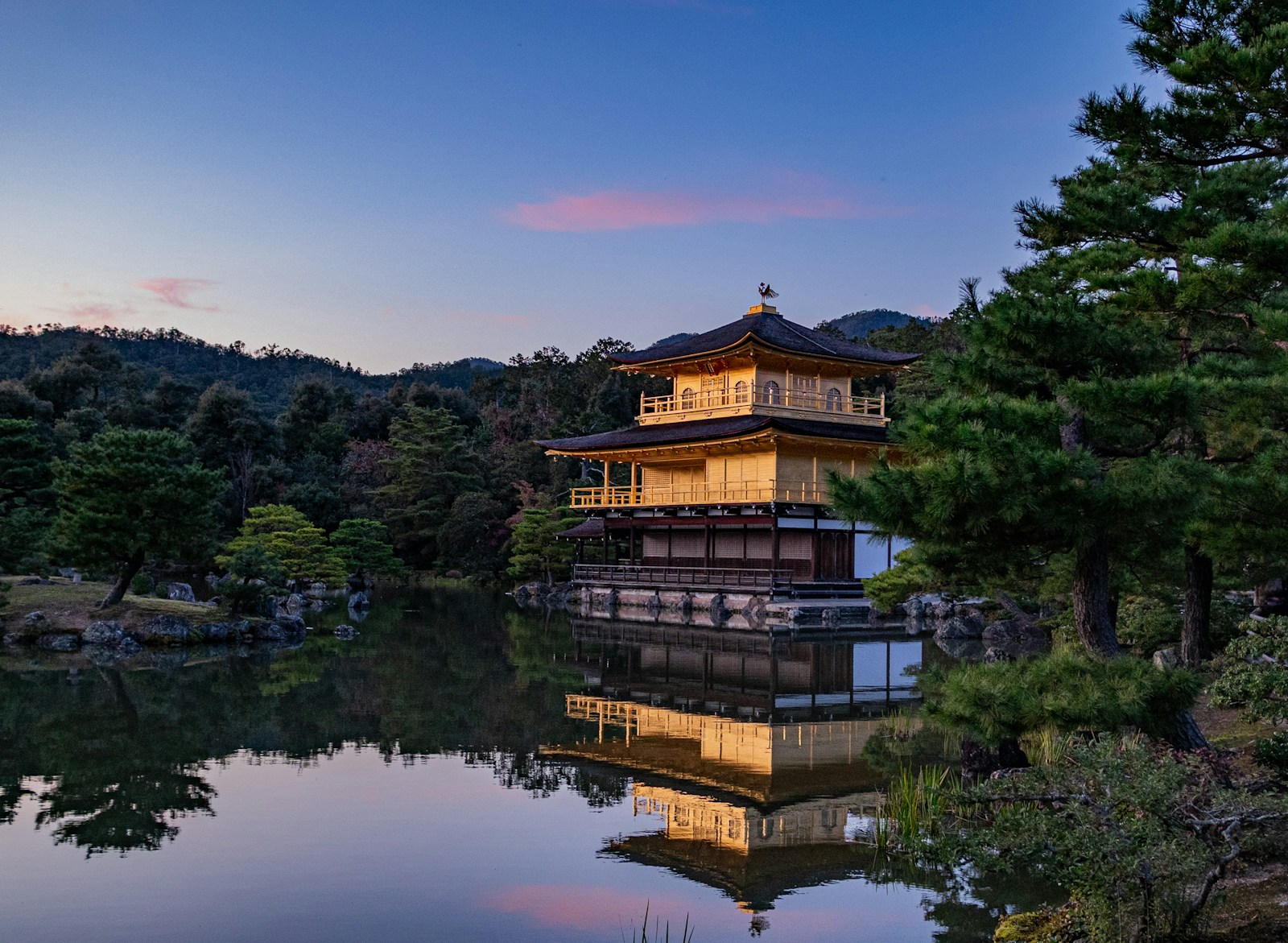
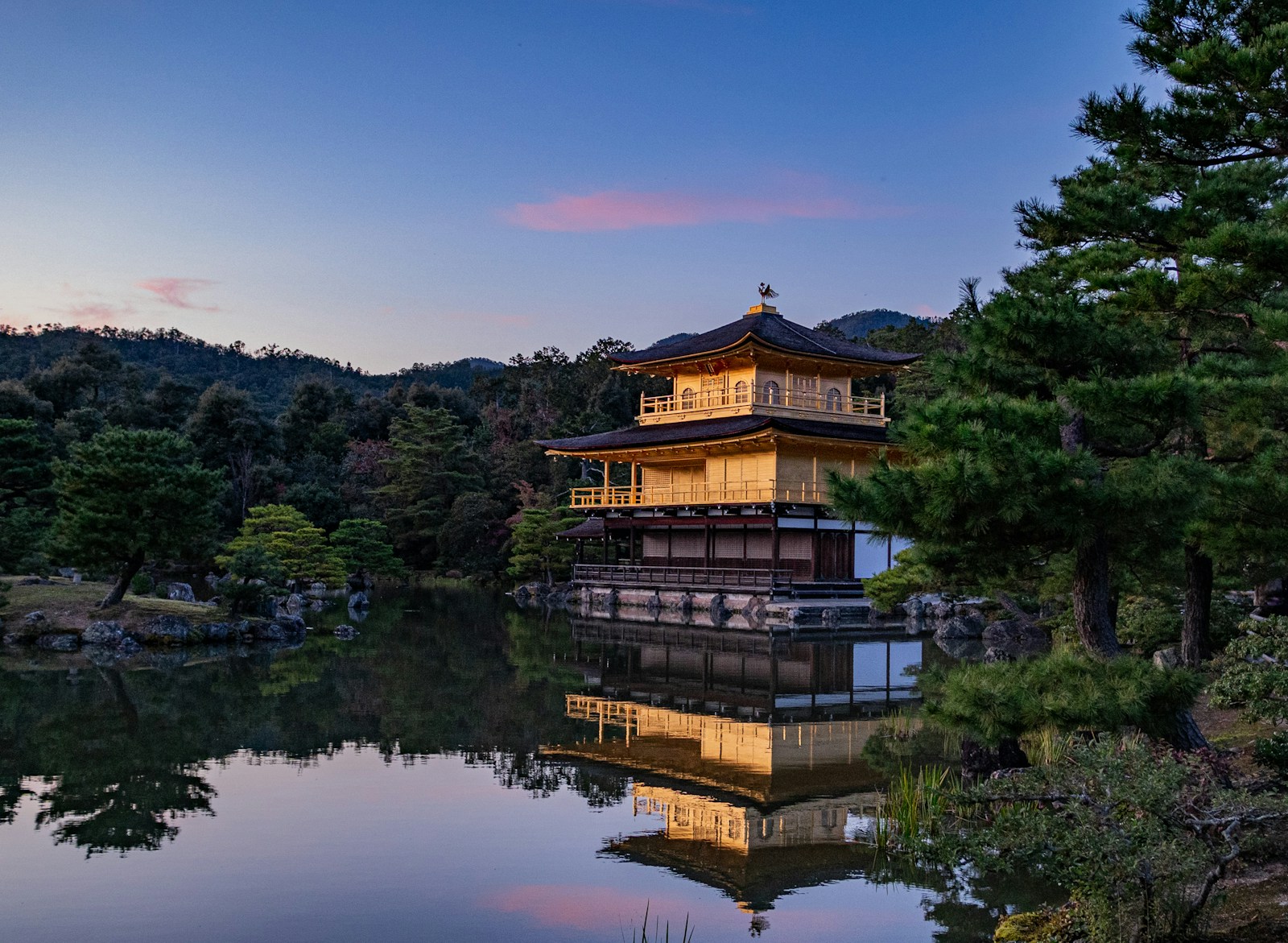
- Kinkaku-ji (Golden Pavilion) â The gold leaf is as striking as the pictures suggest. Go early morning or late afternoon to avoid the worst crowds. Figure about 45 minutes. Entry is Â¥400. It’s a classic for first-timers, but if you’re short on time and have seen a few temples already, you can give it a pass.
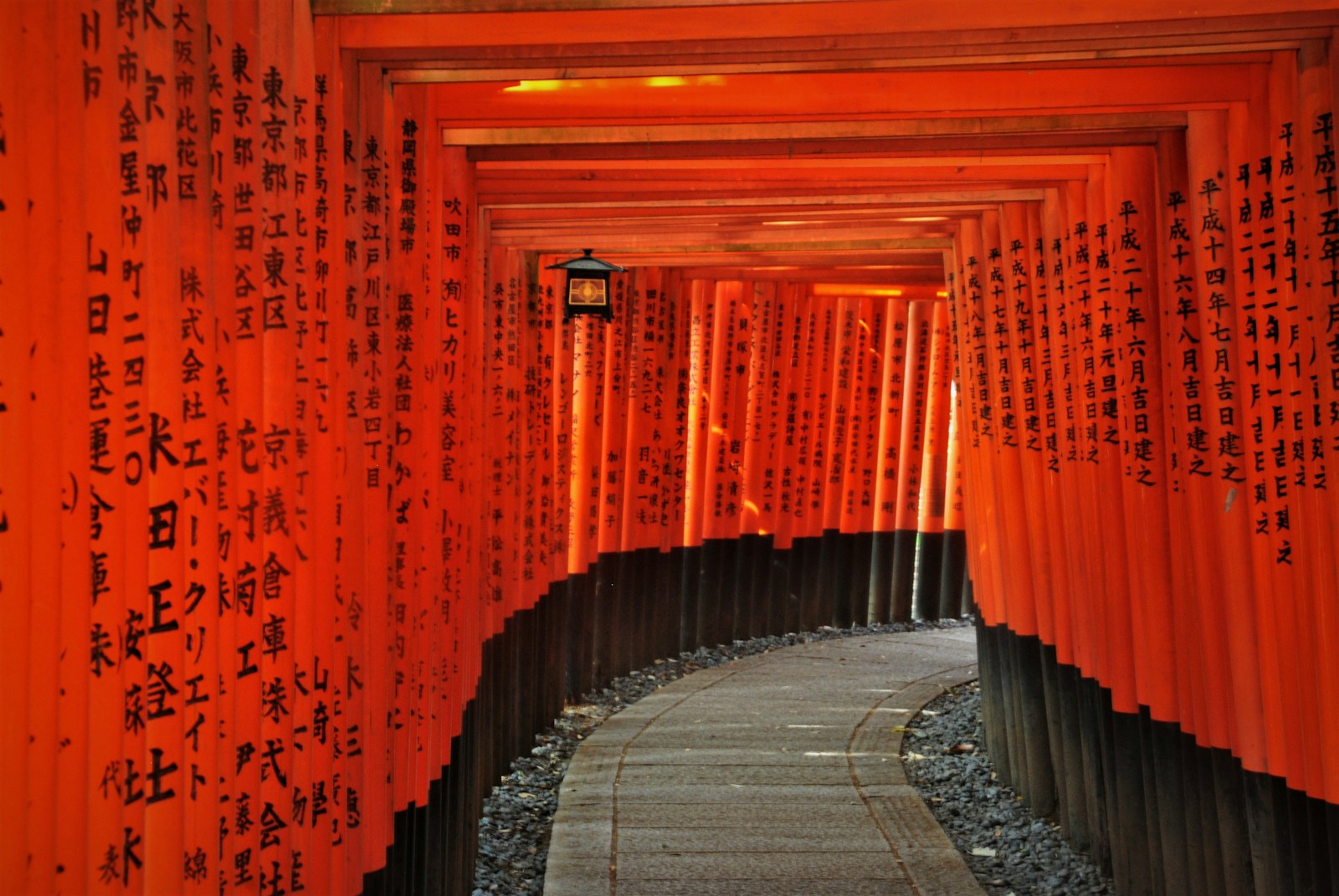
- Fushimi Inari Taisha â The famous thousand torii gates. Visit at sunrise or sunset for fewer people and better light. The full hike takes 2â3 hours, but you can just do the lower section for the photo. Free entry. A solid choice if you want a memorable walk.
- Kiyomizu-dera â Wooden stage with city views. Expect crowds even on weekdays. Arrive right at 6 a.m. (opening time) or late afternoon. Entry is Â¥400. The hillside location means lots of stairs â wear proper shoes.
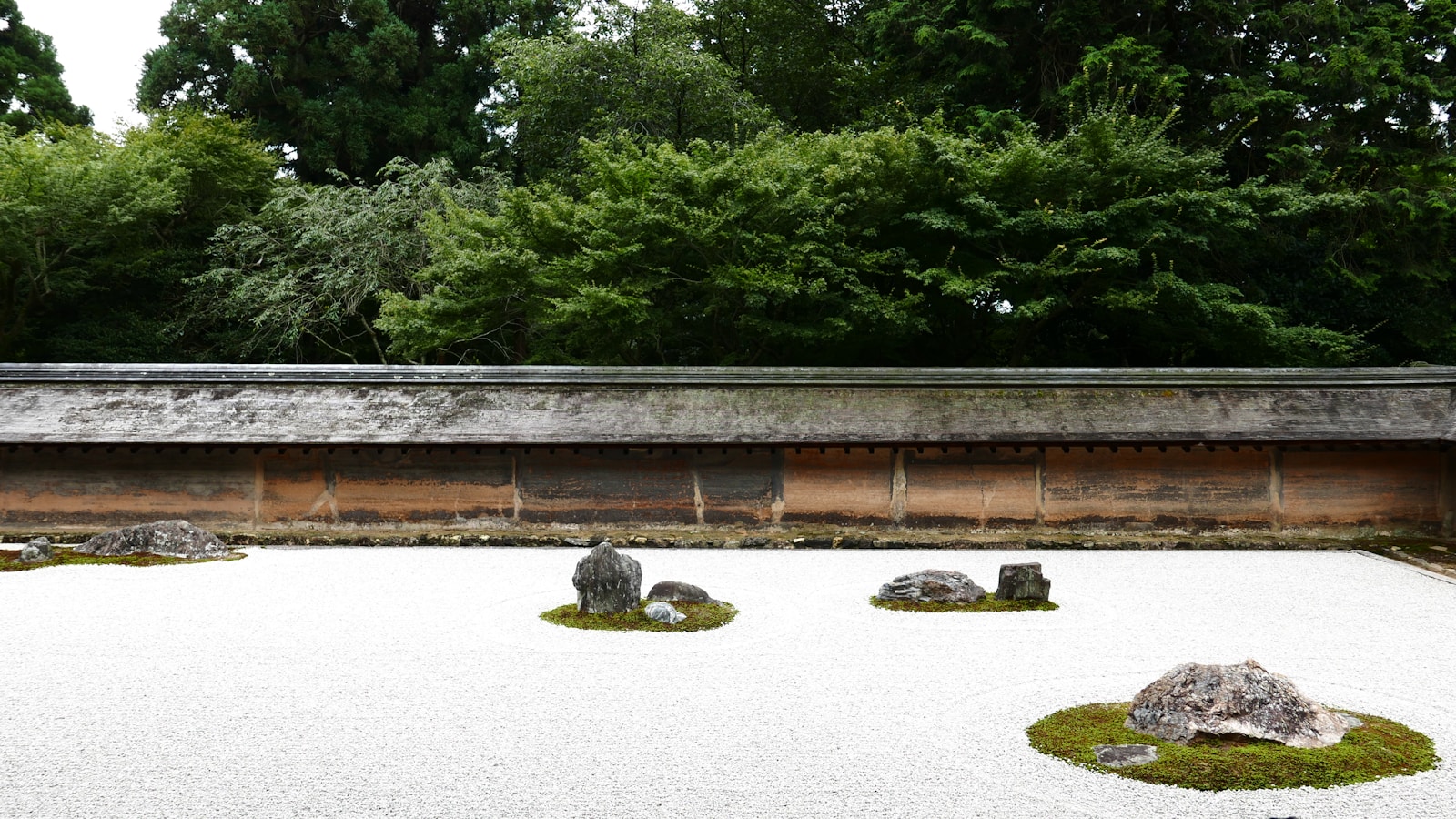
- Ryoan-ji â The best known rock garden. Great if you like quiet contemplation. It’s calmer than most big temples, and the garden rewards slow looking. Entry is Â¥500. Pair it with Kinkaku-ji since they’re nearby.
- Ninna-ji â Often overlooked, which is a bit of a shame. The five-story pagoda and quiet grounds feel like a break from the tourist hotspots. Entry is Â¥500. Worth it if you want some peace.
- Tenryu-ji â Located in Arashiyama, right next to the bamboo grove. The garden is nice, but the temple itself is fairly small. Entry is Â¥600. If you’re already in Arashiyama, it’s worth a quick stop.
- Toji Temple â Known for its tall pagoda and a big flea market on the 21st of each month. Less crowded than the major temples. Entry is Â¥500. Good for a half-day visit.
If you’re planning to visit several temples, a Kyoto city pass that covers multiple entries can save you money. It pays for itself after three or more temples.
Navigating Temple Crowds and Etiquette
Crowds are probably the biggest frustration for temple visitors. The fix is simple but takes some discipline: get up early. Most temples open around 8:30 or 9 a.m., but the best time to arrive is within the first 30 minutes. You’ll have the place nearly to yourself, and the light is softer for photos.
Weekdays are noticeably quieter than weekends, especially at Kiyomizu-dera and Kinkaku-ji. If you can, avoid Saturdays altogether for those two. Another trick: some temples have back entrances that lead straight to the garden, bypassing the main gate queue. Check Google Maps for them.
Etiquette matters. Bow slightly when entering a temple, keep your voice low, and don’t use flash photography inside the halls. Some temples have strict no-photo zones â respect that. Dress modestly: cover your shoulders and knees. You’ll see tourists in shorts and tank tops, but it’s better to blend in. And take off your shoes where required, don’t drag your feet on tatami mats.
A common mistake is not having mobile data. You’ll need Google Maps and transit apps. A Japan travel SIM card or eSIM is cheap and really useful for navigation.
The Best Gardens in Kyoto for Every Traveler
Kyoto’s gardens are as varied as its temples. Here’s how to match the garden type to what you’re looking for.
- Rock Gardens (Ryoan-ji) â Best for those who like to sit and think. The 15 rocks on raked gravel are meant to be contemplated. You’ll want to sit for at least 20 minutes. It’s not a photo stop; it’s a quiet experience. Go early or late to avoid chatter.
- Moss Gardens (Saiho-ji, also Kokedera) â A surreal carpet of moss under a canopy of trees. Requires a reservation (apply by postcard or online well in advance). The entry fee is steep (Â¥3,000), but it’s a unique, meditative space. Best for photographers and those wanting something off the usual path.
- Tea Gardens (called roji) â Small, intimate gardens attached to tea houses. You’ll find them in Gion and at the Urasenke Tea House. Best for tea ceremony participants. The garden is designed to prepare you mentally for the ceremony.
- Strolling Gardens (like Shugakuin Imperial Villa and Heian Shrine) â Designed for walking and enjoying seasonal changes. Shugakuin requires a booking (free but limited spots). Heian Shrine’s garden is easy to access and great for a relaxed wander.
For garden hopping, invest in comfortable walking shoes â you’ll be on your feet for hours. A travel umbrella is also a good idea for sudden rain showers.
Geisha Culture: What to Expect in Gion and Beyond
The term “geisha” is actually from the Edo period; in Kyoto, they’re called geiko (women of art). Trainees are called maiko. The difference is visible: maiko wear colorful kimono with long obi and heavy makeup, while geiko wear simpler, more subdued attire. Knowing this shows you’ve done a bit of homework.
The most famous district for geiko sightings is Gion, particularly Hanami-koji Street and Shimbashi Street in the early evening. But here’s the reality: geiko are not performers for tourists. They are highly trained professionals on their way to engagements. You might see one walking to work, but don’t chase them, block their path, or take photos without permission. It’s rude and disrespectful. Treat them as you would any professional on their way to a meeting.
A better approach is to book a tea ceremony with a maiko performance. These are legitimate cultural experiences where you can see a dance or participate in a tea ceremony in a controlled, respectful setting. Look for reputable operators in Gion or Pontocho Alley. Another option is the Gion Corner theater, which offers a condensed show, but it’s more touristy.
For a deeper dive, visit the Gion Geisha Museum (Gion Shirakawa) for a look at the history and lifestyle. Just remember: it’s a living culture, not a photo op.
Booking Accommodations Near Temples and Gardens
Where you stay determines how much time you waste on transit. Here’s my area breakdown.
- Higashiyama District â Best for easy access to Kiyomizu-dera, Yasaka Shrine, and Gion. Hotels here put you in the heart of the temple district. Expect moderate to high prices. Ryokan options like Gion Hatanaka or Seikoro are excellent but book out months in advance.
- Arashiyama â Perfect if you want to be near the bamboo grove and Tenryu-ji. Quieter than central Kyoto in the evenings. A few ryokan like Arashiyama Benkei offer garden views. Prices are moderate, but options are limited.
- Kyoto Station Area â Best for transit convenience. You can reach any part of the city within 30 minutes. Business hotels (like Smile Hotel Kyoto) are affordable and reliable. Good for budget travelers or those who prefer efficiency over atmosphere.
- Central Kyoto (Karasuma-Oike) â A good middle ground. You’re close to shopping, dining, and subway lines. Hotels here are cheaper than Higashiyama but still walkable to a few temples.
Getting Around Kyoto: Transit Tips
Kyoto’s public transit is efficient but can be confusing. Here’s a breakdown of your options.
- City Bus â The most direct way to get to temples, as the subway doesn’t reach many. Buses are crowded during rush hour and on weekends. A day pass (Â¥600) is worth it if you take more than three bus rides. Buy one at a convenience store or the bus terminal.
- Subway â Faster but covers fewer tourist spots. The Karasuma Line is useful for reaching north-south destinations. Combine with bus day passes for flexibility.
- Walking â The best way to discover hidden gardens and small shrines. Higashiyama and Arashiyama are very walkable.
- Bicycle Rental â Flat terrain in central Kyoto makes biking enjoyable. Rent from shops near Kyoto Station or hotels. About Â¥1,000/day. Avoid biking in Gion during peak hours.
Get an ICOCA card for seamless tap-to-pay on bus, subway, and train. You can get one at Kyoto Station. A travel wallet keeps everything organized.
Common Mistakes to Avoid on Your Kyoto Temple Tour
These are the mistakes I see tourists make repeatedly. Avoid them, and your trip will be far smoother.
- Too Many Temples in One Day â You will burn out by 2 p.m. Limit yourself to three temples max, with a meal and rest breaks in between.
- No Reservation for Saiho-ji â This moss garden requires advance booking. If you show up without one, you’ll be turned away. Plan at least a month ahead.
- Wrong Footwear â You’ll be walking on gravel, stone steps, and tatami mats. Sandals or heels will leave you miserable. Wear sturdy, broken-in walking shoes.
- Expecting Geisha Photo Ops â That you can just snap a photo of a geiko is a rare and often rude encounter. Respect their privacy. Book a performance instead.
- Ignoring Restroom Locations â Temples often have limited restrooms. Use the facilities at train stations or convenience stores before you go in.
What to Pack for a Day of Temple and Garden Hopping
Comfort and practicality are non-negotiable. Here’s my packing list for a day on the temple circuit.
- Comfortable walking shoes â Mesh or breathable materials work best, especially in summer. You’ll thank yourself after a 15,000-step day.
- Portable water bottle â Collapsible models save space.
- Sun hat â Essential for exposed temple grounds.
- Hand fan â Useful for cooling off and as a cultural item.
- Small towel â For wiping sweat; also used to dab spills during tea ceremonies.
- Temple handouts â Some temples give out prayer slips or incense. Keep them in a small bag.
A packing organizer can help keep all these small items tidy in your daypack.
Sample 3-Day Kyoto Itinerary Focused on Temples and Gardens
This itinerary groups temples by geography to minimize transit time and maximize enjoyment.
- Day 1: Eastern Kyoto (Higashiyama) â Start at Kiyomizu-dera at 7 a.m. (opens at 6 a.m. in peak season). 45â60 minutes there. Walk down the Sannenzaka slope for breakfast. Visit Yasaka Shrine and Maruyama Park next. Lunch near Gion. Afternoon: explore Gion and book a tea ceremony (reserve in advance). Dinner in Pontocho Alley. End early; you’ll be tired.
- Day 2: Northern Kyoto â Take a bus to Kinkaku-ji (arrive by 8:30 a.m.). 45 minutes. Walk to Ryoan-ji (20-minute walk). Spend 40 minutes in the rock garden. Continue to Ninna-ji (quiet and beautiful). Lunch near the Ryoan-ji area. Afternoon free for a strolling garden like Shugakuin Imperial Villa (reserve in advance). Dinner near Kyoto Station.
- Day 3: Arashiyama and Southern Kyoto â Start at the Arashiyama Bamboo Grove at 6:30 a.m. (avoid the crowds). Visit Tenryu-ji next. Walk the Arashiyama Park for river views. Lunch at a riverside restaurant. Afternoon: take the train to Fushimi Inari for the evening hike. It’s open 24 hours, so sunset is a good time. Dinner near Fushimi or back in central Kyoto.
Final tip: If you want a stress-free experience, consider booking a private guide through Bob’s Travel Service. They handle all the logistics, navigate the crowds, and know the best photo spots. It’s a splurge, but worth it for the peace of mind.