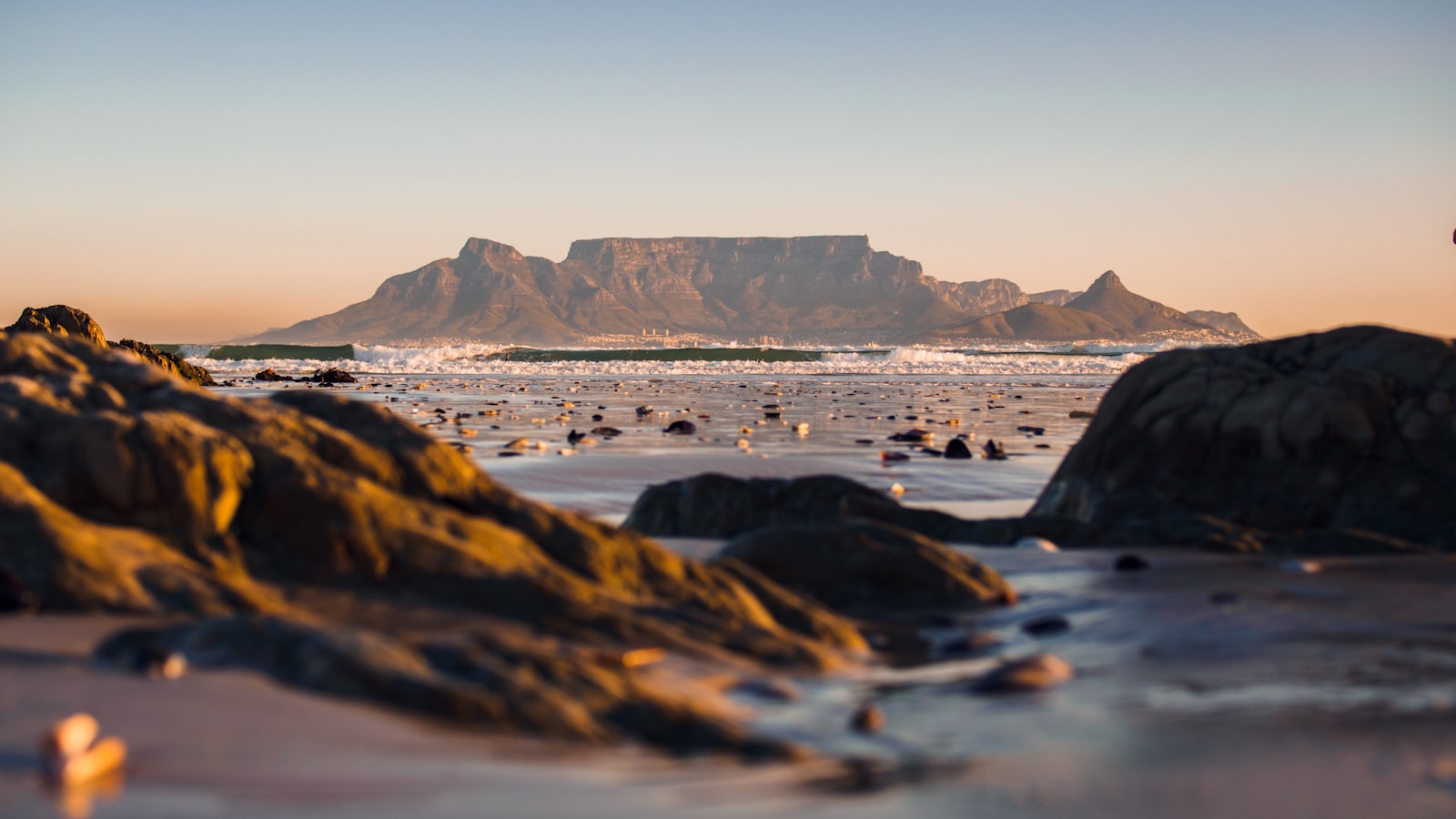
Cape Town Travel Guide: Mountains, Beaches, and Wine
When to Visit Cape Town: A Season-by-Season Breakdown
Almost everyone planning a trip asks me this first, and it matters more than you might think. Cape Town has a Mediterranean climateâdry summers, wet winters. But the details tell the real story. Come expecting guaranteed beach weather in December, and you could be disappointed by a week of strong southeasterly wind. Want whale watching? Youâll need to time it right.
Summer (December to February)
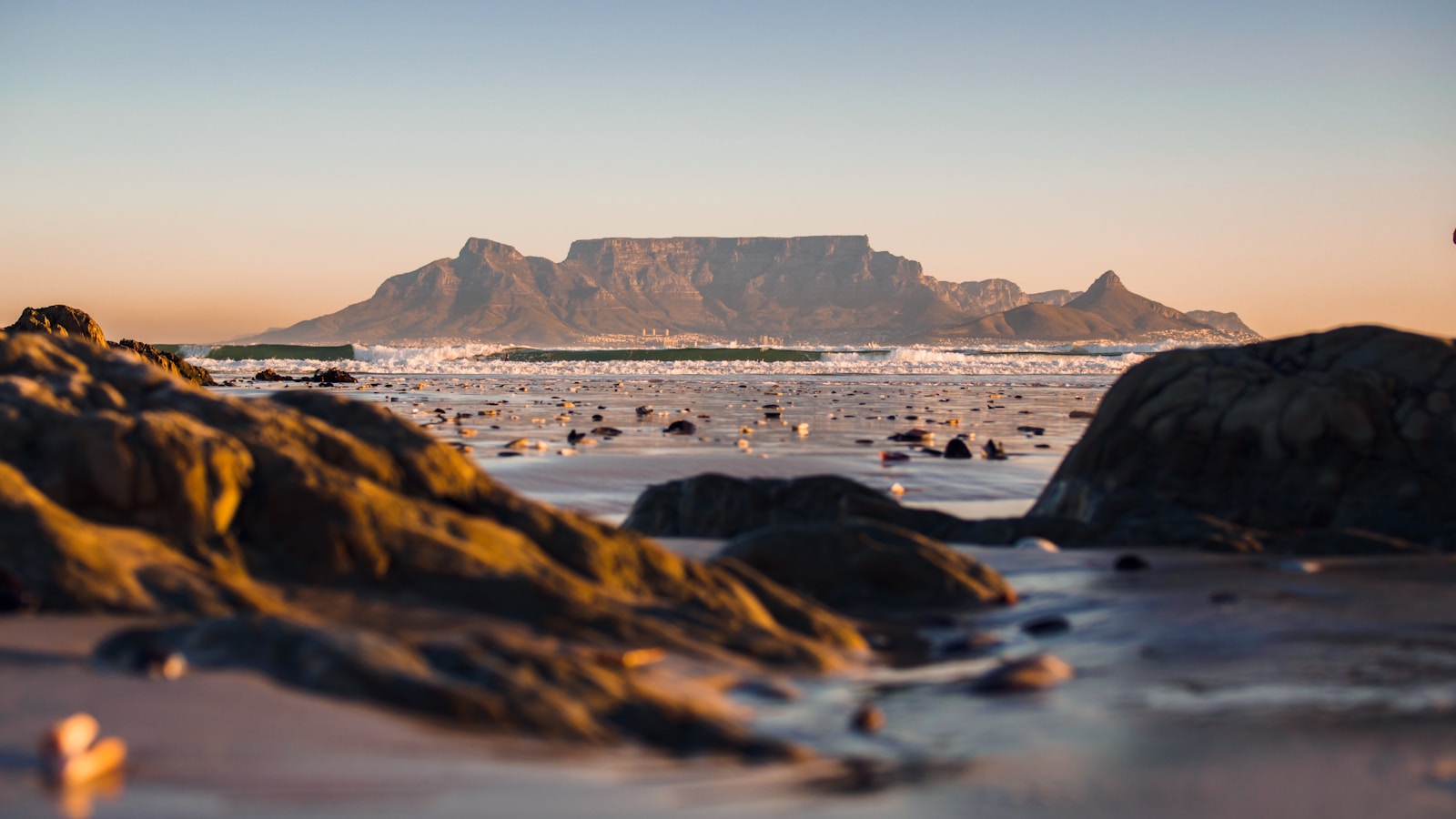
Peak season. Hot, dry, and busy. Expect crowds everywhereâfrom the cableway queue to Camps Bay beach. Accommodation prices spike, and youâll need to book months ahead. The upside: long, warm days perfect for hiking and beach time. The downside? The Cape Doctor wind can make beach afternoons less pleasant. If you come in summer, plan outdoor activities for early mornings before the wind picks up. On longer hikes, a lightweight daypack with a hydration system helps you stay comfortable. A daypack hiking backpack that balances capacity and comfort is a reliable option to consider.
Autumn (March to May)
This is my personal sweet spot. The weather stays warm, crowds thin out, and prices drop. The winelands are stunning as the vines turn gold. Hiking conditions are excellent without the summer heat. You can still swim at the beaches on calm days, though the water is cooler. Whale watching starts from May off Hermanus. This is when you get the best value for your money. For a day in the winelands, a small picnic blanket makes wine tasting stops more enjoyable. A compact picnic blanket is a simple way to add comfort for spontaneous vineyard picnics.
Winter (June to August)
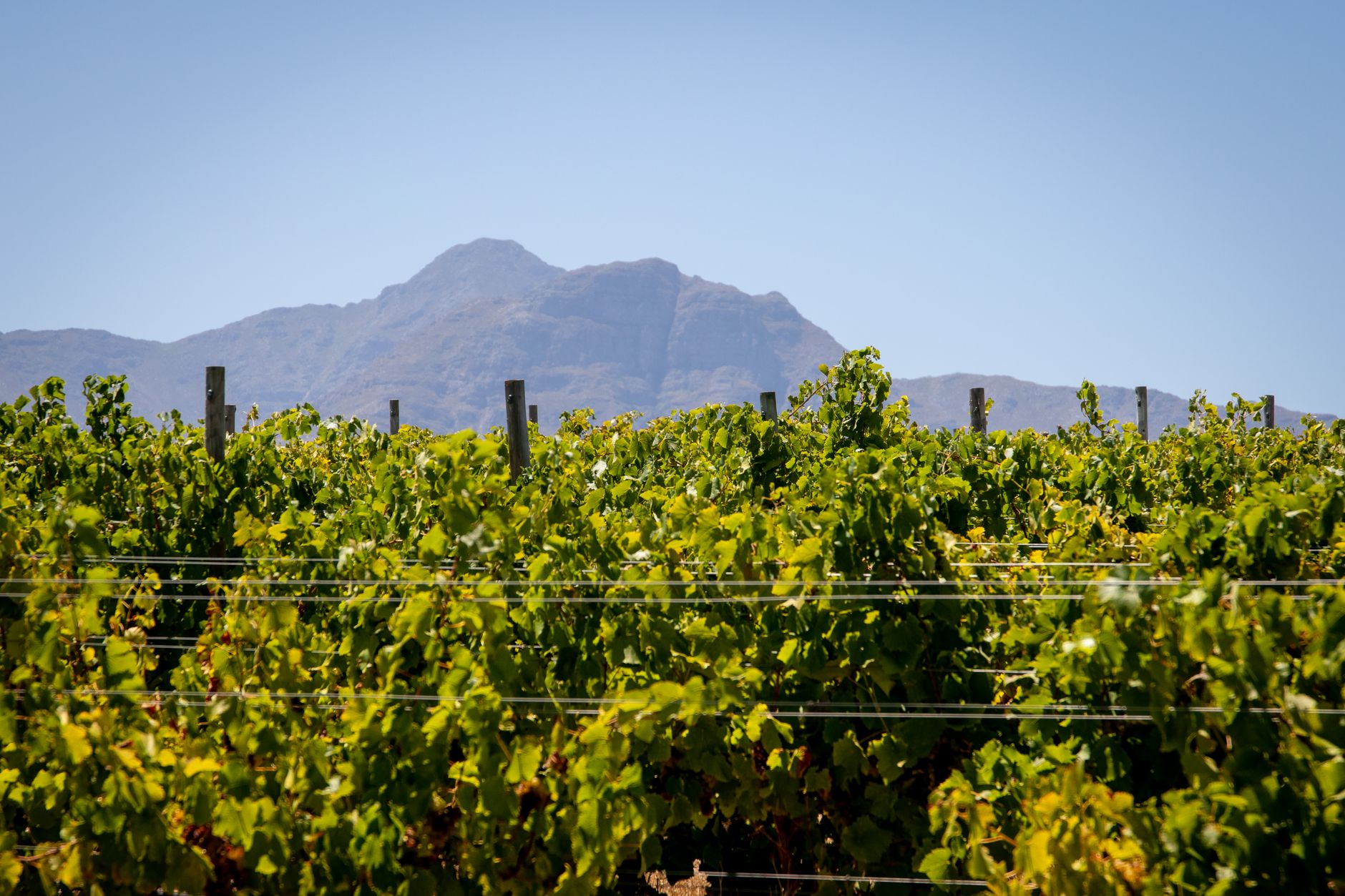
Winter is wet and chilly, but it has its charms. Table Mountain gets frequent cloud cover, so cableway trips are risky. However, this is the best time for storm watching along the coast. The winelands are less crowded, and many lodges offer winter specials. If you want to avoid crowds entirely and donât mind rain, winter works. Just bring a good rain jacket. For storm watching, a pair of compact binoculars can bring distant whale spouts closer. Frequent travelers might appreciate a compact binoculars for travel that are easy to carry daily.
Spring (September to November)
Spring is unpredictable. You get warm days, but also wind and occasional rain. The big draw is the flower season, which peaks in August and September in the West Coast National Park. This is a good shoulder season for hiking and exploring without the summer crowds. Whale watching continues through November. The trade-off is mixed weather, so pack layers. A versatile travel jacket that handles both wind and light rain can simplify packing. A travel rain jacket windbreaker that is lightweight and easy to stow is a practical choice for beginners.

For first-time visitors, the best balance is autumn or spring. You avoid the worst of the wind and crowds while still getting good weather for mountains, beaches, and wine. If you want guaranteed beach weather, go in summerâbut book early and expect higher prices.