Tokyo Travel Guide for First-Time Visitors: Practical Tips for a Smooth Trip
Tokyo Travel Guide for First-Time Visitors
Planning your first trip to Tokyo can feel like staring at an intricate map of a city that never slows down. Ancient temples sit beneath neon skyscrapers, you can’t walk ten feet without finding something impressive to eat, and the trains run on a schedule so precise you could set your watch by them. That’s exciting, but it can also be overwhelming if you don’t have a plan. This practical Tokyo travel guide for first-time visitors is designed to help you skip the confusion and get straight to the good stuff. Having booked dozens of trips to Tokyo for clients, I know where people get tripped up and where they have the most fun. This guide will help you decide where to stay, how to get around, what to eat, and how much it will costâwithout the hype.
Before You Go: Key Planning Decisions
Let’s start with the necessary stuff. First, check your passport. Most travelers from the US, UK, Canada, and Australia can visit Japan for up to 90 days visa-free, but make sure you have at least six months of validity left. April (cherry blossom season) and November (fall colors) are the most popular times to visit, and for good reasonâweather is mild and the scenery is stunning. That also means crowds and higher hotel prices. If you prefer quieter streets and lower costs, aim for late May or early October. Avoid Golden Week (late April to early May) and Obon (mid-August) unless you enjoy fighting for space on every train and at every attraction. When booking flights, compare airports. Narita is farther from the city center (about an hour by train), while Haneda is much closer (about 20 minutes) and can save you time and money on transfers. I always recommend arriving at Haneda if the price difference isn’t huge. Also, don’t forget travel insurance. If you overthink anything, let it be this: a small policy covers medical expenses, lost luggage, or last-minute cancellations. Before you pack, you’ll need a universal power adapterâJapan uses Type A plugs with two flat pins, and the voltage is 100V.
Where to Stay: Choosing the Right Neighborhood
Picking where to stay is arguably the most important decision you’ll make. Tokyo is huge, and your neighborhood sets the tone for your entire trip. For first-timers, the best areas balance convenience, attractions, and atmosphere. Let me break down the top contenders and who they’re best for.
Shinjuku is the classic choice for first-time visitors. It’s a major transport hub with trains and subways connecting you everywhere, plus endless dining, shopping, and nightlife. The neon-lit streets around Kabukicho are iconic, but the area also has peaceful spots like Shinjuku Gyoen. Best for: anyone who wants to be in the middle of the action and values easy access to other parts of the city. The downside? It can be crowded and noisy, especially on weekends. Avoid if you need total quiet after dark.
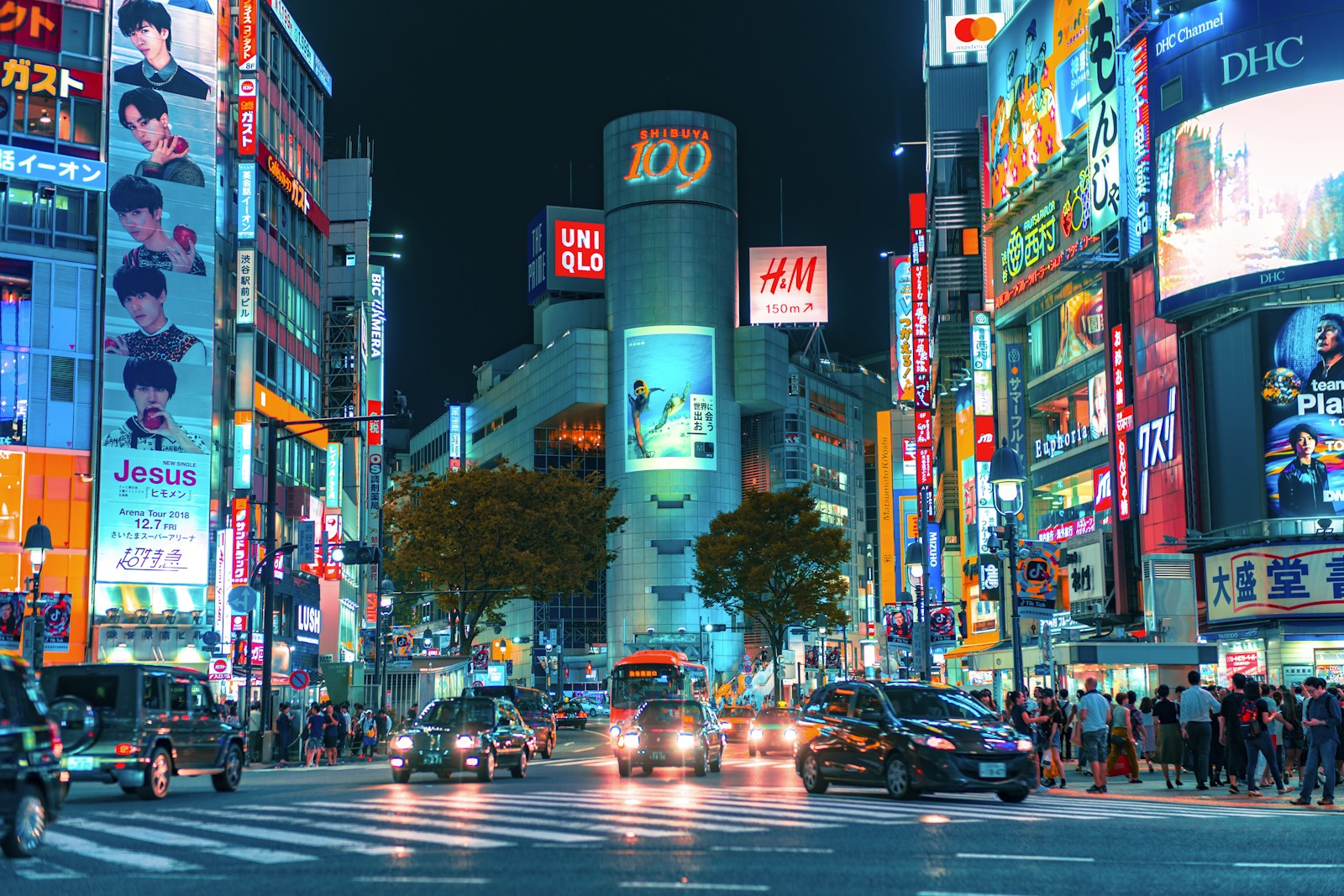
Shibuya is the younger, trendier cousin. Home to the famous scramble crossing, this area buzzes with energy, fashion boutiques, and excellent food options. It’s also a transport hub with lines to Harajuku, Ginza, and beyond. Best for: culture lovers and people who don’t mind a constant hum. Avoid if you’re looking for a calm, local experience.
Asakusa is your best bet for traditional vibes and lower prices. It’s home to Senso-ji Temple, charming streets like Nakamise-dori, and a more relaxed atmosphere. Hotels here tend to be more affordable. Best for: budget travelers and anyone interested in old Tokyo. Avoid if you want to be close to nightlife or major shopping districtsâyou’ll spend extra time commuting.
Tokyo Station / Ginza is upscale, centrally located, and quieter. You’ll be steps from the Shinkansen (bullet train) and luxury shopping. Best for: business travelers, couples seeking a polished base, and anyone who values efficiency over buzz. Avoid if you want a lively, walkable neighborhood with lots of budget eats.
For most first-timers, I recommend Shinjuku or Asakusa depending on your budget. Book a refundable hotel early through reliable platforms, as good options fill up quickly. If you’re flexible, look for a small guesthouse or business hotel to save money without sacrificing location.
Getting Around Tokyo: Trains, Subways, and the IC Card
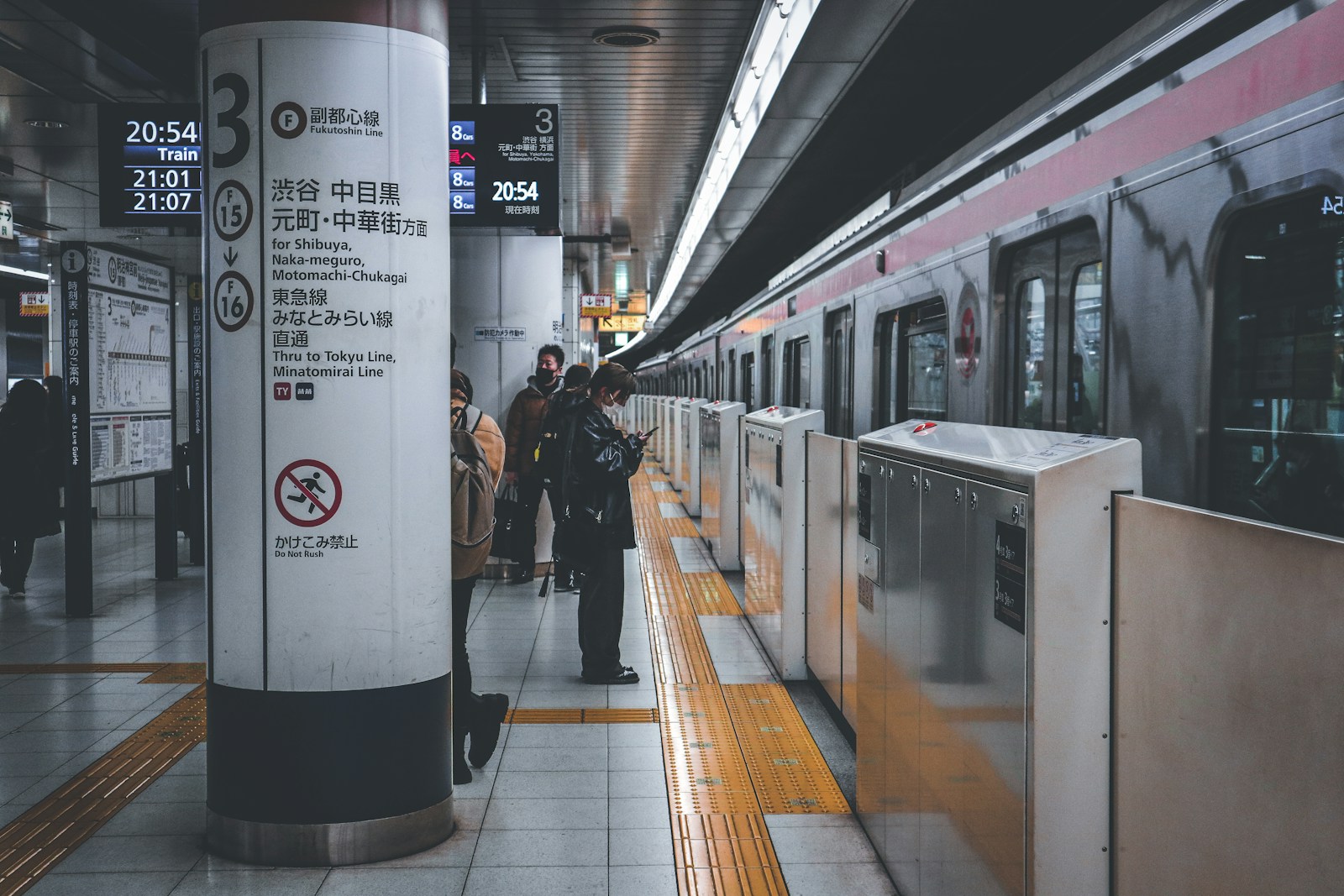
Tokyo’s public transport is world-class, but it can be confusing if you’re not used to a system with multiple operators. Here’s the simple truth: you don’t need to understand every line. You just need an IC card. Get a Suica or Pasmo as soon as you arriveâthey work on nearly every train, subway, and bus in the city. You can buy them at airport vending machines or ticket counters, and you can refill them at any station. Just tap your card at the gate; easy.
The best approach is to use the IC card for everything. It’s convenient, fast, and you can also use it at convenience stores and some vending machines. Avoid buying paper tickets for individual tripsâthey’re slower and less flexible. Many tourists fall into the trap of buying a Tokyo Subway Ticket pass without realizing it only works on two of the city’s many subway lines and not on JR trains. For most people, an IC card offers better value because you only pay for what you use.
One thing to watch out for is peak hours. Trains are packed between 7:30 AM and 9:00 AM and again from 5:00 PM to 7:00 PM. If you can, avoid traveling during those times. Keep in mind that Tokyo is a walking city. Even with excellent transit, you’ll walk a lot between stations and attractions. Wear comfortable shoes and don’t try to pack too many districts in a single day. For luggage, use a delivery service like Yamato Transport to send bags from the airport to your hotel. It costs around $15 and saves you from dragging suitcases through crowded stations.
Must-See Sights for a First-Timer
You won’t see everything in one trip, and that’s okay. Focus on these five landmarks. They’re iconic for a reason and won’t disappoint.
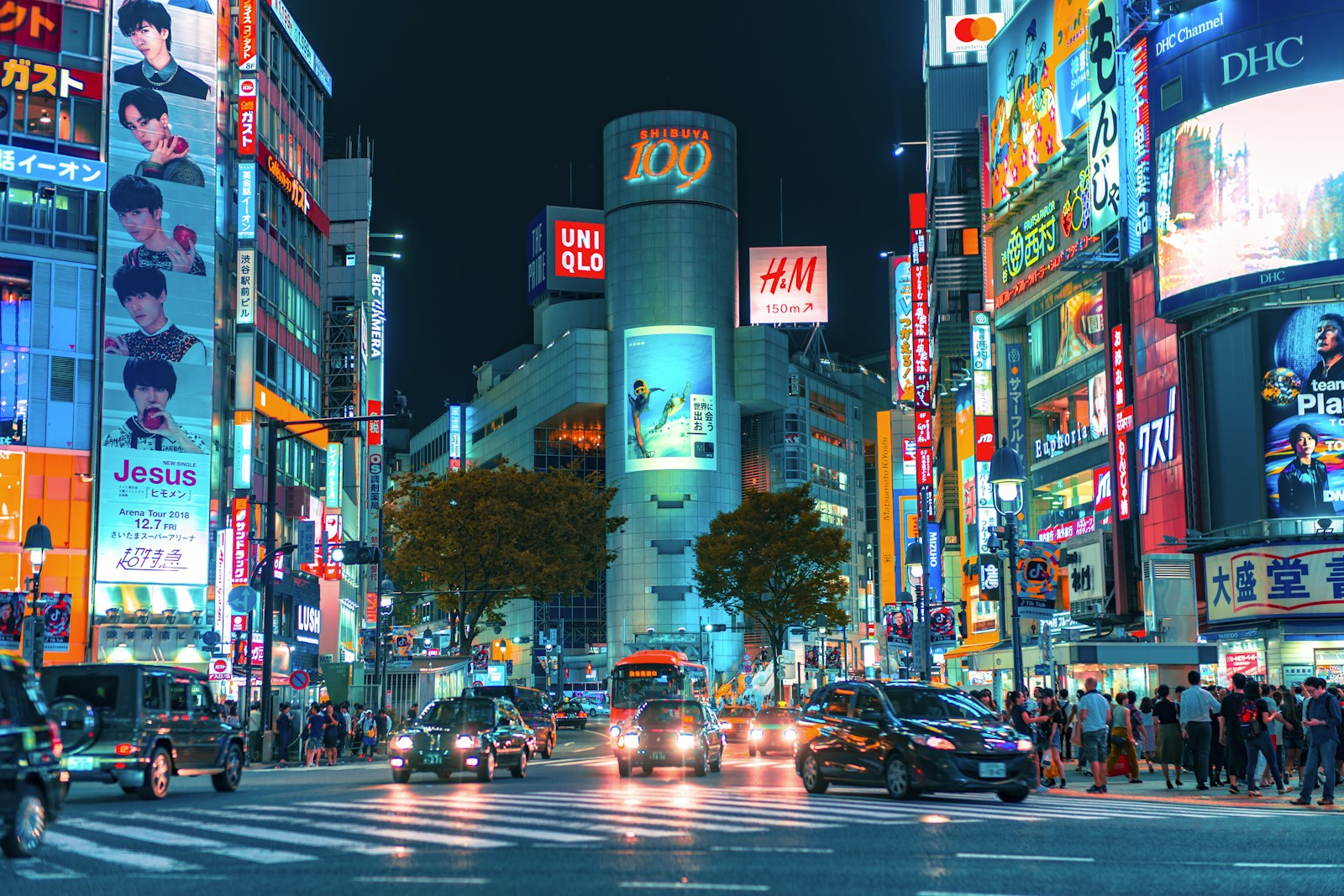
Shibuya Crossing is the busiest pedestrian intersection in the world. Best time to visit? Early morning before crowds for a quieter photo, or at night when the lights and energy are at their peak. Spend 15â20 minutes watching from the Starbucks balcony (second floor of the Tsutaya building) or just walk through it yourself. Avoid this if you’re claustrophobic.
Meiji Jingu is a serene Shinto shrine tucked inside a massive forest near Harajuku. It’s a peaceful escape from the city’s chaos. Visit in the morning for the quietest experience. Expect to spend about 40 minutes. There’s no admission fee.
Senso-ji Temple in Asakusa is Tokyo’s oldest temple. The main gate (Kaminarimon) is iconic. The shopping street leading to the temple is fun but crowded. Go earlyâbefore 9 AMâto avoid the worst crowds. Allow an hour or so.
Tokyo Tower or Skytree offer city views from high above. Tokyo Tower is cheaper and has a classic look; Skytree is taller but more expensive and often jammed with tourists. If you’re short on time or budget, skip Skytree and try the free view from the Tokyo Metropolitan Government Building in Shinjuku instead. It’s about 20 minutes and costs nothing.
Shinjuku Gyoen is a beautiful national garden with Japanese, French, and English landscape styles. It’s especially stunning during cherry blossom season. Visit in the late morning or early afternoon for light crowds. Budget about an hour. There’s a small entrance fee (around $3).
Skip-the-line tickets can save time at busy spots like Skytree. If you want guided tours, check reputable operators who offer small group optionsâthey’re worth the extra cost for context and convenience.
Eating in Tokyo: Navigating Restaurants, Convenience Stores, and Food Rules
Tokyo is arguably the best food city in the world. The challenge is finding good places without falling into tourist traps. Here’s how to eat smart.
Use Tabelog, Japan’s Yelp equivalent. It’s more reliable than Google Reviews because locals actually use it. Look for restaurants with ratings above 3.5. For first-timers, try a few different types of eateries: izakaya (Japanese-style pub for small dishes and drinks), ramen-ya (slurp noodles at a counter), and conveyor belt sushi (kaiten-zushi). These are authentic and affordable.
Convenience storesâkonbiniâare your best budget friend. 7-Eleven, Lawson, and FamilyMart sell onigiri (rice balls), sandwiches, hot snacks, and even small meals for under $5. They’re perfect for breakfast, a quick lunch, or a late-night snack. Don’t be embarrassed to eat konbini food; everyone does.
Dining etiquette in Japan is easy. No tippingâever. It’s not expected and can be seen as rude. When using chopsticks, don’t stick them upright in your rice bowl (it resembles a funeral ritual) and don’t pass food from one set of chopsticks to another. To order, just point at the plastic display or say “sumimasen” to get the server’s attention. Most restaurants have picture menus.
To look up restaurants on the go, you’ll need reliable internet. A portable wifi device or eSIM from a provider like Ubigi or Ninja Wifi works well. Rent one at the airport or order online before you go. A food tour can also help you explore neighborhoods you wouldn’t find on your own. It’s a good way to taste multiple dishes in one evening.
Budget Breakdown: What Things Actually Cost in Tokyo
Let’s be realistic about money. Tokyo is not cheap, but with the right choices, you can manage. Here’s a rough daily breakdown per person for budget, mid-range, and luxury travelers.
Budget traveler ($70â90 per day): Stay in a hostel or budget guesthouse ($30â40), eat konbini breakfast and cheap ramen for lunch and dinner ($20 total), use IC card for transport ($10), and skip paid attractions (stick to free temples and parks).
Mid-range traveler ($150â200 per day): Stay in a business hotel or modest Airbnb ($80â100), eat at casual restaurants and izakaya ($40â50), use IC card plus limited museum visits ($15), and have one paid attraction per day ($10â20).
Luxury traveler ($300+ per day): Stay in a high-end hotel near Ginza or Shinjuku ($150â250), dine at upscale restaurants and try a kaiseki meal ($80â100), use taxis or private transfers ($20â30), and enjoy full-price activities and shows ($30+).
Hidden costs to watch for: coin lockers at stations ($3â5 per use), convenience store runs ($5â10 per visit), and admission to places like teamLab Borderless ($20â25). Always carry cash. Many smaller shops and restaurants don’t accept credit cards.
Common Mistakes First-Time Visitors Make (And How to Avoid Them)
Having seen clients stumble on the same issues again and again, here are the biggest mistakes to avoid.
Not reserving popular restaurants. Tokyo’s top-rated places often require reservations weeks in advance. If there’s a specific restaurant you’re set on, book online or ask your hotel’s concierge to help. Show up without a reservation and you might wait an hour or be turned away.
Underestimating walking distance. You will walk 15,000 to 25,000 steps per day. Comfortable shoes are non-negotiable. Do not pack only fashion sneakers or new bootsâyour feet will hurt, and your trip will suffer. Travelers who expect heavy walking days may benefit from a good pair of walking shoes that have been broken in beforehand.
Not using the IC card. I can’t emphasize this enough. Fumbling with cash and paper tickets at every station is a time suck and a frustration. Get the IC card, load it with about $30, and top it off as needed.
Packing too many shoes. You’ll take your shoes off many times a dayâat temples, restaurants, and in some shops. Slip-on shoes or sandals save serious time and embarrassment. No need for multiple pairs of bulky footwear.
Trying to see too many districts in one day. Tokyo’s neighborhoods are spread out. Aim for two or three per day max, and leave time for wandering, getting lost, and resting. Trying to squeeze in Shibuya, Harajuku, Shinjuku, and Asakusa in one day will leave you exhausted and frustrated.
Packing Checklist: What to Bring for Tokyo
Pack light, pack smart. Here’s the core list:
- Comfortable walking shoes. You’ll use them every day. Break them in before you leave.
- Portable charger. Your phone will die fast from maps, translation apps, and photos. Bring a 10,000 mAh battery pack.
- Cash. Bring yen from your home bank or withdraw at airport ATMs. Japan is still very cash-based.
- Hand towel. Many public restrooms don’t have paper towels. A small towel or handkerchief is useful.
- Small bag for trash. Public bins are rare. Carry a ziplock or small pouch for your own trash until you find a bin at a convenience store or station.
- Travel umbrella. Rain can come quickly. A compact, sturdy umbrella saves your trip.
- Money belt or hidden pouch. Use it for your passport and extra cash, especially in crowded areas.
- Packing cubes. They keep your suitcase organized and save repacking time.
Keep your luggage to a carry-on if possible. You’ll move between hotels, trains, and airports, and heavy bags are a drag. If you check a bag, use the luggage forwarding service to send it ahead.
Is a Day Trip Worth It? Consider Nikko, Kamakura, or Hakone
If you have five days or more in Tokyo, consider a day trip. It’s a good way to see a different side of Japan without relocating. But weigh the cost: a day trip takes at least 8â10 hours, including travel. Time spent on a train is time not spent in Tokyo’s neighborhoods.
Nikko is about two hours by train. It offers ornate temples, waterfalls, and beautiful nature. Best for: history lovers and hikers. The Toshogu Shrine complex is stunning but involves a lot of walking. Expect crowds on weekends. Do this if you want a mix of culture and natural beauty.
Kamakura is an hour south. It has temples like Hasedera and the Great Buddha, plus a coastal vibe. Best for: those who want a less intense temple experience and time by the sea. It’s cheaper and easier to navigate than Nikko. Perfect for a half-day trip.
Hakone is about 1.5 hours by train and offers hot springs (onsen), lake views, and Mount Fuji scenery. Best for: relaxation and scenic rides like the Hakone Tozan Railway and pirate ship cruise. It’s the most expensive option of the three. Book a Hakone Free Pass for transport savings.
For first-timers with only five days, I’d skip day trips and stay in Tokyo. You’ll get a more immersive experience. If you have a longer trip and want a break from the city, choose Kamakura for ease or Nikko for grandeur. Guided tours handle logistics well but cost more.
Final Itinerary Grid: A Balanced 5-Day Plan
Here’s a relaxed, workable 5-day itinerary for first-timers. Keep one afternoon free for unplanned wandering or rest.
Day 1: Arrive and Explore Shinjuku
Arrive, check in, grab lunch. Walk around Shinjuku, visit the observation deck at Tokyo Metropolitan Government Building at sunset (free). Eat at a ramen-ya nearby.
Day 2: Shibuya, Harajuku, and Omotesando
Breakfast at a konbini. Visit Meiji Jingu early, then walk through Harajuku’s Takeshita Street for street food and quirky shops. Late afternoon: Shibuya Crossing and nearby area. Dinner in Shibuya (izakaya recommended).
Day 3: Asakusa and a Free Afternoon
Visit Senso-ji Temple and Nakamise-dori in the morning. Spend your free afternoon exploring a neighborhood that interests youâmaybe Roppongi for art or Ueno for museums. Grab a casual dinner.
Day 4: Day Trip or Tokyo Stay
Choose either a day trip (Kamakura recommended) or spend the day in Tokyo at a place like teamLab Borderless or Odaiba. Keep it easy and enjoy.
Day 5: Last-Minute Shopping and Departure
Hit a local market like Yanaka Ginza or Shinjuku for souvenirs. Grab lunch, then head to the airport. Build in time for delayed trains or security.
This plan leaves breathing room. Adapt it to your interests. If you want a more structured experience, consider working with a travel advisor who can customize everything, from hotels to tours.
Start Planning Your Tokyo Trip
Tokyo is one of those rare cities that delivers on its hypeâif you approach it with a plan and realistic expectations. Focus on your neighborhood choice, master the IC card, eat everywhere, and don’t rush. These are the building blocks of a great trip. If you’d rather skip the research and let a professional handle the details, that’s what we’re here for. Ready to go? Contact us to book your Tokyo trip with no stress. We’ll take care of accommodations, tours, and itineraries so you can focus on experiencing the city.