
London Travel Guide: Beyond the Tourist Traps â A Local’s Perspective
Introduction
Most London guides promise the world but deliver a packed schedule of overpriced queues and mediocre meals. You end up spending a fortune to stand in line for an hour, eat something forgettable, and tick a box. This London travel guide locals actually use flips that script. Forget the scripted itineraries designed for crowds. Here, you get the realistic logistics, the hidden corners, and the practical mistakes to avoid. This is decision-oriented advice from someone who knows the city works differently than a tourist brochure suggests. If you want to see the real London without wasting time or money, start here.

Why Most London Guides Fail the Average Traveler
The problem with generic travel advice is that it stops being useful about ten minutes after you land. Those itineraries that pack the Tower of London, the British Museum, and a West End show into one day assume you never need to eat, rest, or deal with the Tube map. They also assume your budget stretches to a £50 lunch and a taxi across town.
Then thereâs the outdated advice. A guide from two years ago might tell you to buy an Oyster card, when a contactless bank card works better and costs less. It might recommend a “hidden gem” that has since become a crowded Instagram spot.
The real frustration comes from the money gap. You read that London is expensive, so you brace for it. But no one tells you that a street food lunch at Maltby Street can cost the same as a sad sandwich in Covent Garden, or that a bus ride gives you a twice-daily sightseeing tour for the price of a single ticket. This guide skips the generic. It gives you the specific tradeoffs, the traps to dodge, and the realistic expectations that turn a good trip into a great one.
When to Visit: Picking the Right Window for Your Goals
Choosing your dates heavily influences the kind of trip youâll have. There is no single best timeâonly the right time for your priorities.
Summer (June to August) is peak season for a reason. The weather can be genuinely pleasant, with long evenings that make pub gardens and South Bank walks fantastic. You also get major events like Wimbledon and the Notting Hill Carnival. The downside is steep. Hotel prices double. The London Eye queue can hit two hours. Every major attraction feels like a cattle call. If you come in summer, pre-book everything in advance or you will spend half your trip in line.
Spring (April to May) and Autumn (September to October) are the sweet spot for most travelers. Crowds thin out, prices drop slightly, and the weather remains moderate. The city still feels lively, but you can actually move through museums and markets without shoulder-to-shoulder traffic. Cultural festivals and seasonal food markets are strong during these months. For the balance of comfort and cost, this is your window.
Winter (November to February) is the budget travelerâs secret. Hotel rates can drop by half. Attractions are quiet. Christmas markets in December add a festive charm. But the tradeoff is daylight hours shrink dramaticallyâsunset as early as 3:45 PMâand the weather is cold, wet, and gray. If you hate crowds and love a cozy pub with a fire, winter works. Just pack a serious waterproof coat and plan indoor-heavy days.
Where Locals Actually Live and Eat: Mapping Your Base
Choosing where to stay radically changes your daily routine. Most tourists gravitate to central spots like Leicester Square or Covent Garden. You pay a premium for proximity to crowds and chain restaurants. Locals live further out, where the food is better, the prices are lower, and the character is real.
Shoreditch gives you a gritty, creative energy. Street art covers every wall, and independent coffee shops outnumber chains. Food markets like Brick Lane for curry and Boxpark for street food keep your lunch under £10. Youâre a 15-minute Tube ride from central London, but you sleep in a neighborhood that feels alive after dark. Expect mid-range hotel prices around £120-£180 per night. This works best for foodies and younger travelers who want nightlife.
Greenwich is a whole different world. It is technically zone 2 but feels like a town. The Royal Observatory, the Cutty Sark, and Greenwich Market are right there. You can walk the park, take a Thames riverboat to central London for the scenery, and eat in proper pubs rather than tourist traps. Accommodation runs slightly cheaper than Shoreditch, around £100-£150 per night. Ideal for families or anyone wanting a quieter base with great transport links.
Clerkenwell is the professionalâs choice. It sits just north of the City, with excellent pubs, legal district history, and easy access to both the Square Mile and the West End. You can walk to St. Paulâs in 20 minutes. The food scene is strong but not flashy. Mid-range hotels here run £130-£170 per night. Best for couples or solos who want a central but not touristy base.
A realistic daily budget for these areas: if you stick to breakfast pastries, lunch at a market, and a simple dinner, expect £30-£40 per day on food. Add a daily transport pass for around £8-£12. Accommodation varies widely, but plan on £100-£180 per night for a decent room. That totals about £140-£230 per day for one person, excluding attractions. Travelers who need to pack light might want a compact travel daypack for carrying market finds and daily essentials like this option.
The 5 Major Tourist Traps to Avoid (and What to Do Instead)
London is packed with attractions that drain your wallet and time. Here are five to skip, with smarter alternatives that still deliver the iconic experience.
1. Madame Tussauds. The queue is always long. The experience is a series of well-lit wax figures that look vaguely like celebrities. You pay a lot for a photo that feels artificial. Better alternative: the National Portrait Gallery. It has actual cultural significance, admission is free, and you see portraits of real historical figures. The building itself is impressive. Plus, you can walk straight in.
2. The London Eye. A slow-moving ferris wheel with a view you can get from many other places. The cost is around £38 per person. You share a capsule with strangers. Better alternative: a walk along the South Bank from the Tate Modern to Tower Bridge. You get the same skyline views, fresh air, and zero ticket price. For a bird’s-eye view, go to Sky Garden, which is free but requires booking.
3. Rip-off ‘No Booking Fee’ Walking Tours. Many companies advertise free walking tours but pressure you for tips that often exceed the cost of a paid tour. The guides can be inconsistent. Better alternative: use the official London Walk or Footprints Tours, which are transparent about their tip policies or have fixed prices. You can also map your own route using local recommendations like the walks below.
4. Overpriced ‘Afternoon Tea’ in Tourist Corridors. Places near Piccadilly Circus charge £70 for a standard cream tea in a crowded room. The cakes are often mass-produced. Better alternative: find a neighborhood café like the Tea Room at Fortnum & Mason (book ahead) or a classic pub that does a simpler version for £20-£30. You get better quality and a calmer setting.
5. Camden Market on Weekends. Camden is genuinely interesting, but Saturday and Sunday are a nightmare. Crowds pack every narrow alley, and food stalls have long queues. Better alternative: visit on a weekday morning, or skip it entirely and go to Broadway Market in Hackney on a Saturday. It is less hyped, has excellent food stalls, and retains more of a local vibe.
The Local’s London: Five Neighborhood Walks Worth Your Time
Walking is the best way to see this city. These five routes bypass the main tourist drags and show you real London. They all take 1-2 easy hours, with solid stops for a coffee or a pint.
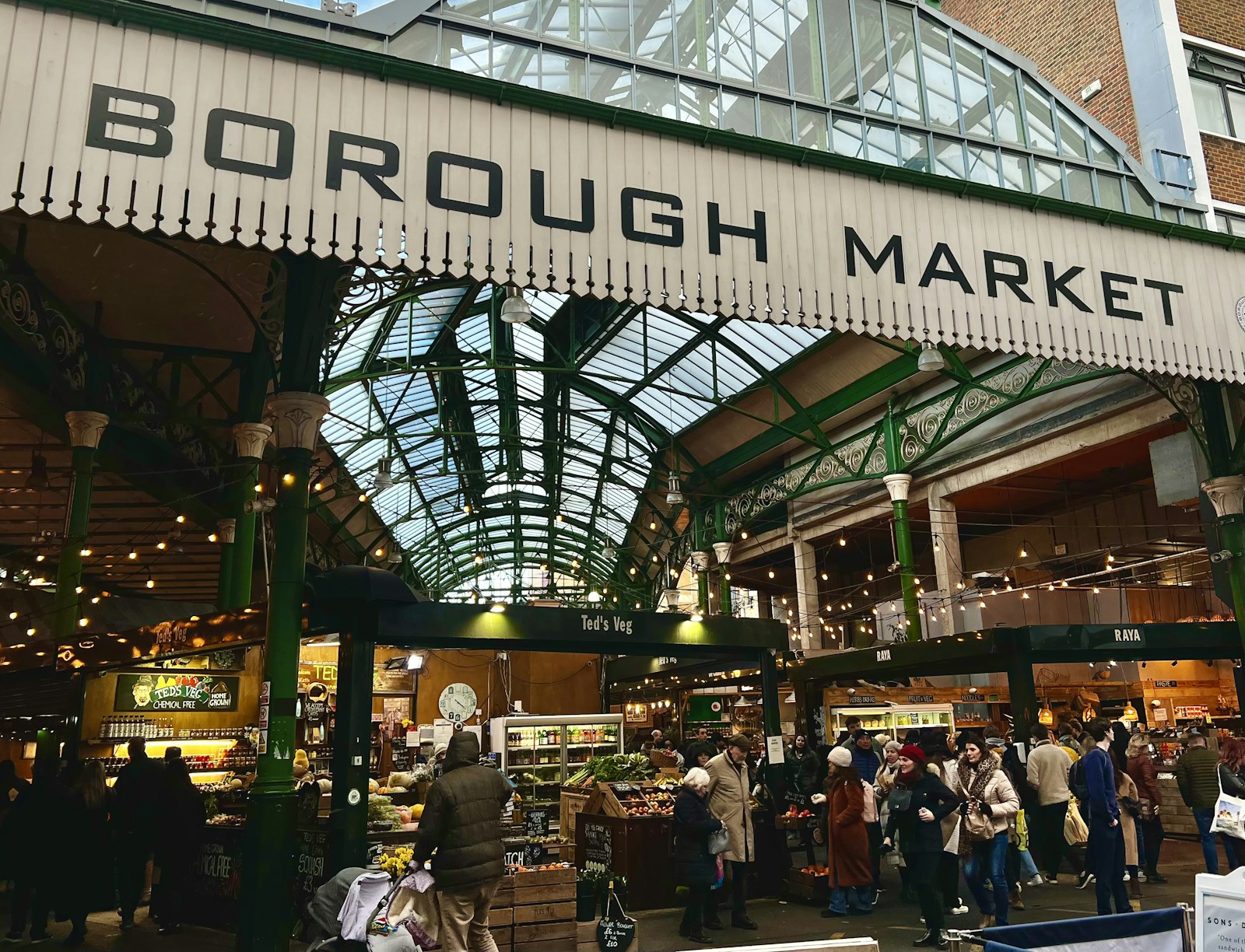
1. South Bank from Borough Market to Tate Modern (Avoiding the Eye). Start at Borough Market (Tuesday-Saturday best). Grab a breakfast sandwich or pastry. Then walk west along the river path. You pass under the Golden Hinde ship, past the Clink Prison Museum, and into the shadow of the Tate Modern. Skip the Eye entirely and cross the Millennium Bridge over to St. Paul’s. Coffee stop at Monmouth Coffee inside Borough Market is essential. Timing: morning or early afternoon for the best market experience.
2. Spitalfields and Brick Lane Food and History Walk. Start at Spitalfields Market (best on Sunday). Walk north up Commercial Street, then turn left into Brick Lane. The street is famous for curry houses, but also note the Bengali history and street art. Walk down to Brick Lane Sunday Market for vintage finds. Stop for a salted beef bagel at Beigel Shop (the 24-hour spot). Timing: Sunday morning works best.
3. Hampstead Heath and Village. Take the Northern Line to Hampstead. Walk through the village with its narrow streets and old pubs. Enter the Heath at the top of Holly Hill. Climb to Parliament Hill for a panoramic view of the London skyline (better than the Eye). Walk down through the woods to Kenwood House for a free art collection. Pint at the Holly Bush in the village afterward. Timing: afternoon, any day.
4. Columbia Road and Arnold Circus. This is a Sunday-only walk. Columbia Road Flower Market fills the street with color and chaos. It is manageable despite the crowds. Afterward, walk south to Arnold Circus, a raised bandstand in the middle of a housing estate with a fascinating history. Coffee at Pavilion Café in nearby Victoria Park. Timing: Sunday morning is non-negotiable.
5. St. Dunstan-in-the-East and the City. Start at Monument station. Walk north to St. Dunstan-in-the-East, a church ruin permanently open as a garden. It is a quiet oasis in the financial district. Then walk through the City’s narrow alleys, past the Bank of England, and finish at Leadenhall Market. Beer at The Counting House, a converted bank near the market. Timing: any day, but avoid rush hour if possible.
A good pair of waterproof walking shoes makes a difference. Frequent visitors might consider a versatile pair like these waterproof walking shoes.
How to Eat Like a Londoner Without Breaking the Bank
The myth that London is always expensive needs to die. Yes, you can spend £80 on dinner. But you can also eat spectacularly well for a fraction of that. The key is knowing where to look.
Street food markets are your best friend. Borough Market is famous but still has affordable stalls if you avoid the cheese counters. Maltby Street Market near London Bridge is smaller and less crowded, with excellent food stalls. Broadway Market in Hackney has a Saturday market with £7 world-class dumplings. Plan your lunch around these places.
Early-bird deals at high-end restaurants are a London secret. Many top places offer fixed-price menus before 6:30 PM. You get the same food and service for a fraction of the evening price. Look for “pre-theatre” menus around Covent Garden and Soho.
Pub lunches are a reliable option. Avoid chains like Wetherspoons or the tourist-trap pubs near Leicester Square. Find a proper local pub like The Harp near Covent Garden (cash only) or The Lamb Tavern in Leadenhall Market. A “dish of the day” with a drink often runs £12-£16.
Too Good To Go is a mobile app that lets you buy surplus food from cafes and restaurants at a steep discount. You don’t choose what you get, but a £4 bag from a bakery can feed you breakfast, lunch, and a snack. It is a serious money-saver for budget travelers.
The main warning: avoid the chain restaurants in tourist corridors. Those pasta joints in Leicester Square and the pub chains near the Tower of London charge premium prices for mediocre food. Walk five minutes away and you find better value.
Transport Reality: Tube vs. Bus vs. Walking vs. Uber
London’s transport system is excellent but confusing for first-timers. Here is the practical breakdown of your options.
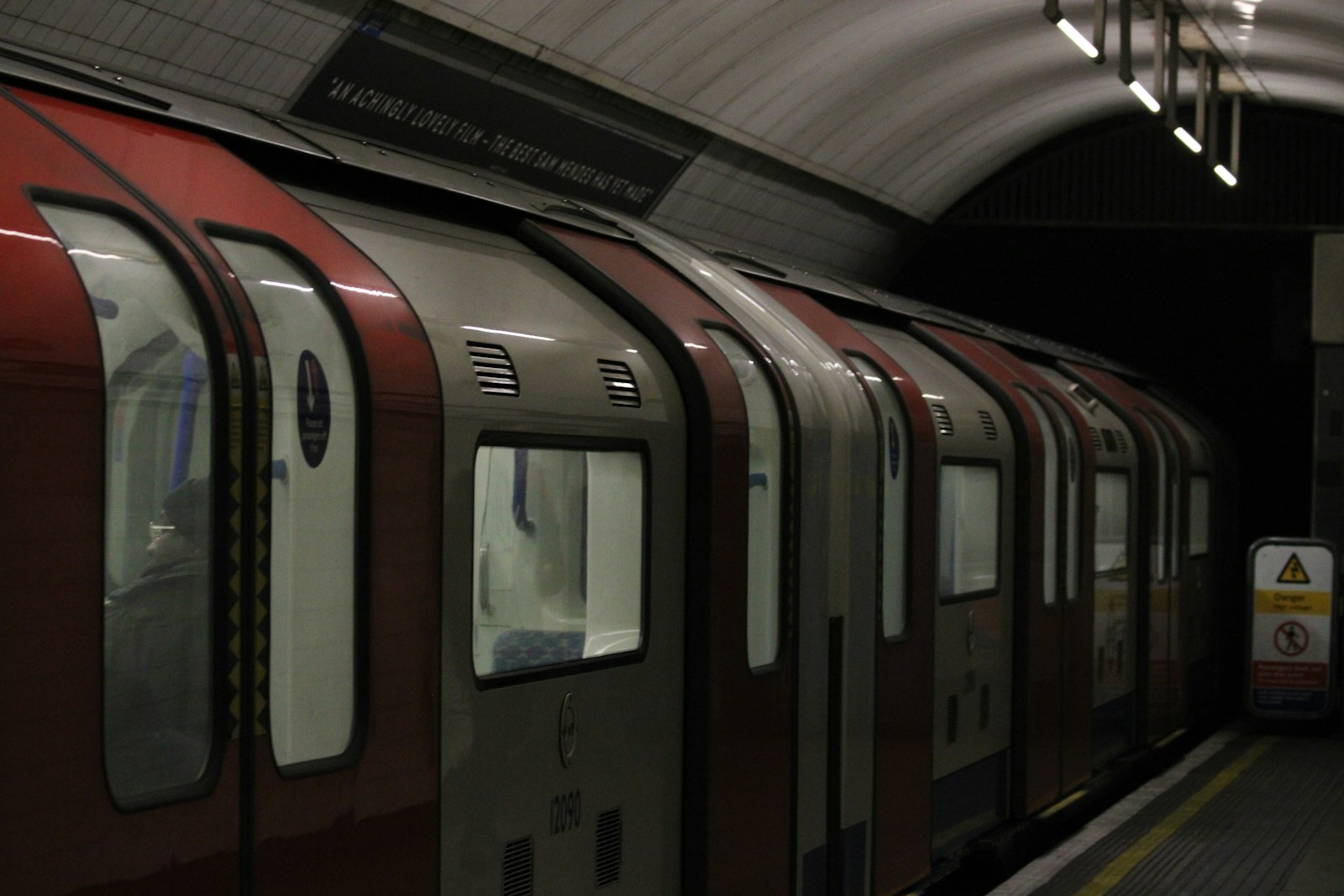
Tube (Underground) is the fastest way to cover distance. Single fares with contactless payment average £2.80-£5.50 depending on zones and time. The key tip: use a contactless bank card or your phone’s wallet. Don’t buy an Oyster card. The contactless system caps your daily spending (around £8.10 for zones 1-2), and you can use the same card for multiple people. Many tourists waste time and money buying Oyster cards. Just tap your phone or card at the gates.
Bus is the budget sightseeing option. A single fare is capped at £1.75 with contactless, and you can ride as far as you want in one journey. The bus network covers the whole city, and you get a ground-level view. It is slower than the Tube but far more scenic. Use the Hopper fare to transfer between buses for free within one hour.
Walking is the best option for central London. The distances between major attractions are often shorter than they look on the map. Walking from Covent Garden to the British Museum takes 15 minutes. From the Tower to Borough Market takes 20. Save your Tube fare for longer journeys and use your feet for the central cluster.
Uber is convenient but expensive compared to public transport. A short ride across central London can cost £12-£20. It makes sense for late-night journeys after the Tube stops (around midnight) or for carrying heavy luggage. For standard travel, it’s hard to justify the cost.
The common mistake: taking a black cab from Heathrow to central London. That costs £70-£100. The Heathrow Express train costs £22 to Paddington and takes 15 minutes. Use the train.
Booking Your Stay: Hotels, Hostels, or Short-Term Rentals?
Your accommodation choice heavily impacts your budget and daily rhythm. Each type has clear tradeoffs.
Hotels offer reliability and service. You know what you get, and front desks can store luggage and offer advice. The downside is cost and sometimes extra fees (resort fees, breakfast charges). Mid-range hotels in good neighborhoods like the Marlin Apartments or Premier Inn offer reliable rooms. Expect to pay £100-£180 per night for a solid option.
Hostels work for solo travelers and tight budgets. Pod-style hostels like Generator or Wombats offer clean private rooms that cost less than hotels. Dorm rooms are the cheapest sleep option. The tradeoff is noise, shared bathrooms, and limited privacy. Hostels are social and often have good common areas. Budget £20-£50 per night for a dorm bed.
Short-term rentals (Airbnb-style) give you a kitchen, which saves significant money on breakfast and lunch. You also get more space and a local neighborhood experience. The quality varies wildly. Read recent reviews carefully. The best options are in the neighborhoods I recommend above. Budget £80-£150 per night for a self-contained flat.
My recommendation for most mid-range travelers: book a hotel or serviced apartment in Clerkenwell or a short-term rental in Greenwich. The blend of a good neighborhood, transport access, and value is hard to beat. For packing, a compact travel umbrella can be a lifesaver in London’s unpredictable weather like this one.
The Real Cost of a Week in London: A Sample Budget
Letâs strip away the guesswork. Here is what a 7-day trip realistically costs, broken down into three traveler profiles. These numbers exclude flights and assume you eat reasonably.
Budget Traveler (£550-£700 total)
Accommodation: hostel dorm £150.
Food: street food, supermarket meals, Too Good To Go â £140.
Transport: daily bus cap â £56.
Attractions: free museums, one paid attraction â £20.
Contingency: £50.
Leftover for extras: roughly £100. This works if you cook a few meals and walk a lot.
Mid-Range Traveler (£1,100-£1,400 total)
Accommodation: mid-range hotel in Shoreditch or Greenwich â £600.
Food: pub lunches, market dinners, one sit-down restaurant â £350.
Transport: Tube and bus combined â £70.
Attractions: two major attractions, one day trip â £80.
Contingency: £100.
Leftover for shopping and drinks: around £200.
Premium Traveler (£2,200-£2,800 total)
Accommodation: nice hotel or serviced apartment â £1,200.
Food: good restaurants, food tours â £700.
Transport: private car, Ubers, taxis â £200.
Attractions: top attractions, theatre tickets, guided tours â £300.
Contingency: £200.
Leftover: £200-£400 for luxury items.
These budgets are grounded. Most first-timers overspend by £200-£300 because they eat in tourist zones and take unneeded taxis. Stick to the strategies in this guide and you will stay within your tier.
Common First-Timer Mistakes and How to Avoid Them
These errors are predictable and preventable. Avoid them and your trip runs smoother.
1. Not pre-booking top attractions. The Tower of London and the British Museum (the latter is free but requires timed entry) require advance slots. Walk up in summer and you wait one to two hours. Book online a week ahead. Many attractions offer 10% off for booking early.
2. Using taxis for short hops. Black cabs are iconic but expensive. A 10-minute Tube ride costs £2.80. A Black cab costs £12-£15. Use public transport and save your taxi budget for late-night returns or bad weather.
3. Eating in Leicester Square. The restaurants there are designed for tourists. You pay double for mediocre food. Walk two streets away to Chinatown or Soho for better variety and value.
4. Forgetting a power adapter. The UK uses a three-pin rectangular plug. Your phone dies within a day. A simple solution is to pack a universal travel adapter before you leave.
5. Ignoring free museums. The British Museum, the National Gallery, the Natural History Museum, and dozens more have free permanent collections. They are world-class. Don’t pay for the London Dungeon when the British Museum is free.
6. Not checking the local event calendar. Tube closures happen on weekends for maintenance. Major events like the London Marathon or Notting Hill Carnival shut down roads and stations. Check Transport for London’s website before you head out. A quick search saves an hour of confusion.
Final Verdict: Is This London Guide Right for You?
This perspective works best for independent travelers who want to see the real city. It suits small groups, couples, and food lovers who prefer self-guided exploration over packaged tours. It is ideal for mid-range and budget-focused travelers who value efficiency and local knowledge.
If you prefer a highly structured tour with a guide holding a stick in the air, you might still want a traditional operator. But if you want to navigate London like someone who lives here, skip the crowds, and spend your money wisely, this guide gives you the framework.
Ready to apply this to your own trip? Let me help you turn these recommendations into a custom itinerary that fits your dates, interests, and budget. Reach out directly for a personalized plan.