Santorini and Greek Islands Travel Guide: Planning Your Island Adventure
Introduction
Planning a trip to Santorini and the Greek Islands is one of the more exciting travel projects you can take on, but it takes some strategy. This Santorini Greek islands guide is for first-time visitors and DIY travelers who want to see the best of the Cyclades without getting burned by crowds, overpriced hotels, or logistical headaches. I’ve been helping people plan these trips for years, and the difference between a great vacation and a frustrating one almost always comes down to timing and preparation. This guide covers everything from when to go and which islands to pair, to where to sleep and what to skip. With a little planning, the payoff is enormous.
When to Visit Santorini and the Greek Islands: Best Months for Your Trip
Timing is everything in the Cyclades. The best months to visit Santorini and the Greek Islands are May, June, September, and early October. Here’s the breakdown.
May and early June are shoulder season. The weather is warm but not scorching, crowds are manageable, and hotel prices are still below their peak. You get long, sunny days without crushing wait times at sunset spots. The sea is a bit cool for swimming in May, but by June it is comfortable.
Late September and October are the other sweet spot. Summer crowds have thinned, the meltemi winds calm down, and the water is still warm from summer heat. Prices drop significantly compared to August, and you can often find a caldera-view room for half the price of July.
July and August are absolute peak season. This is when Santorini is most crowded and most expensive. Ferry terminals are chaotic, restaurants require reservations days in advance, and Oia’s castle is packed shoulder-to-shoulder at sunset. If you can avoid these months, do it. If you can’t, book everything at least six to twelve months ahead.
Winter (November through March) is quiet. Many hotels, restaurants, and tours close down. You’ll have the island largely to yourself, but expect cold temperatures, rain, and limited transport options. Some travelers love this vibe, but it’s not the classic Greek island experience most people picture.
Getting There: Flights, Ferries, and Arriving in Santorini
Most travelers reach Santorini through Athens. You fly into Athens International Airport, spend a night or two seeing the Acropolis and Plaka, then take a ferry south. Alternatively, you can catch a direct flight from several European cities, but those tickets can be expensive in summer. If you’re coming from outside Europe, connecting through Athens is almost always cheaper.
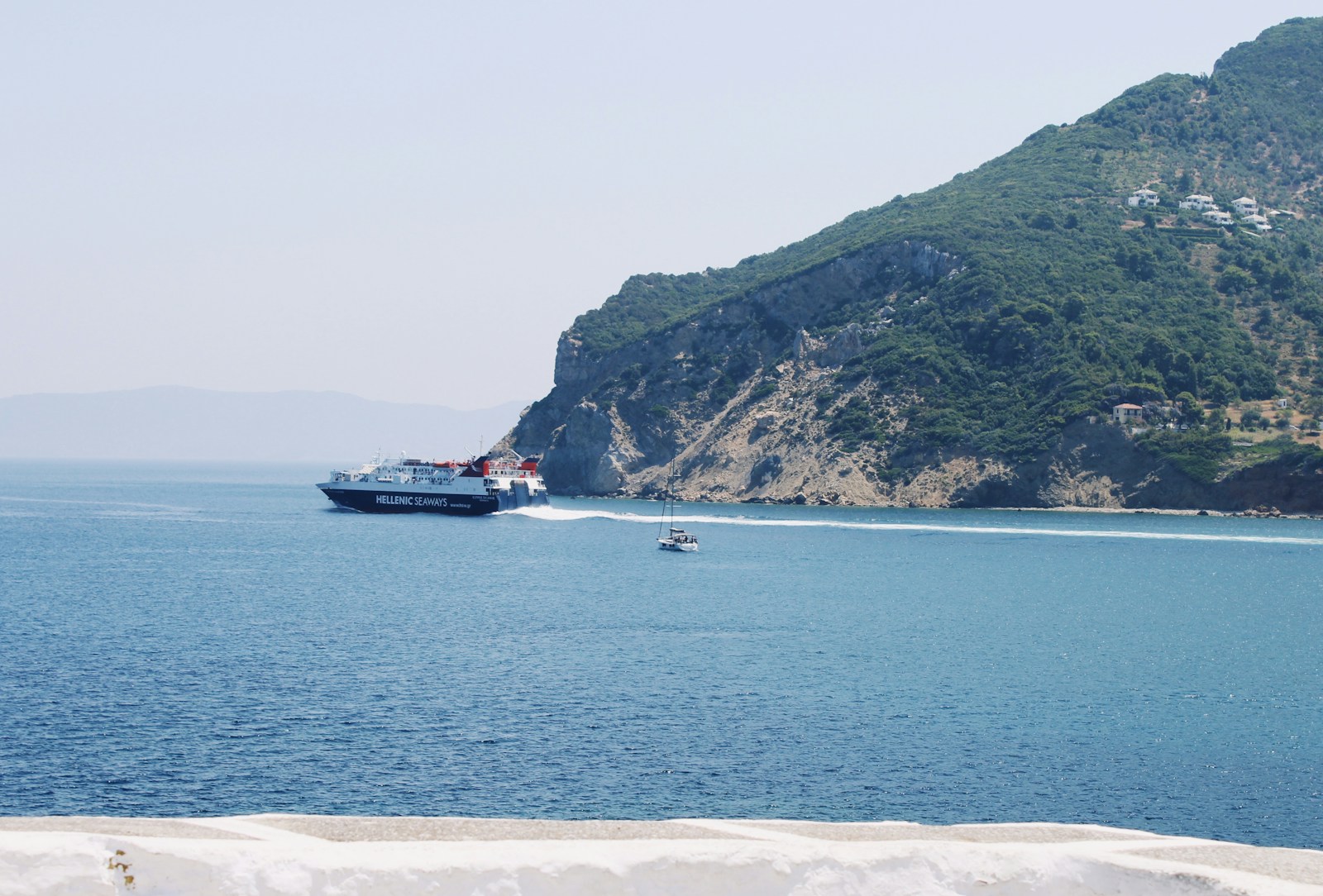
The ferry system is the backbone of island hopping. There are two main types: high-speed ferries and conventional ferries. High-speed ferries like the FlyingCat and SeaJets get you from Athens to Santorini in about four to five hours. They’re faster, more expensive, and can be rough on the stomach if the wind picks up. For travelers prone to seasickness, having motion sickness relief on hand can make a big difference. Conventional ferries take seven to eight hours but are larger, cheaper, and have more space to walk around. For most travelers, I suggest the high-speed ferry for Santorini since it saves time and you won’t need to stay overnight on a boat.
Ferries dock at Athinios Port, not Fira. From there, you take a bus or taxi up the steep switchback road to your hotel. If you have heavy luggage, book a taxi in advance. There is also the cable car from the old port in Fira, but that is for day-trippers, not arrivals.
Book ferry tickets at least a week ahead in summer. Websites like Ferryhopper make it easy to compare routes and times. If you’re traveling with a lot of luggage, check baggage limits. High-speed ferries often have strict weight restrictions, and excess bags can cost extra or be denied boarding.
Island Hopping 101: Which Greek Islands to Combine with Santorini
One of the best parts about visiting Santorini is that it sits in the middle of the Cyclades, making it easy to combine with other islands. Here is a quick rundown on the most popular choices.
Naxos is the most family-friendly and budget-conscious option. It has long sandy beaches, a charming old town, and plenty of affordable tavernas. It is less flashy than Santorini, which is exactly the point. It works well as a relaxing second stop after the intensity of Santorini.
Paros is a solid all-rounder. It has good beaches, lively nightlife in Naoussa, and excellent ferry connections. It is a bit more developed than Naxos but still retains a traditional feel. If you want nightlife and beaches, Paros is the choice.
Milos is the up-and-comer. It has some of the most unique beaches in Greece, including Sarakiniko with its white lunar rock formations, and crystal-clear coves. It is popular with couples and beach lovers. Milos is smaller and quieter than Paros but requires more planning since many beaches are only accessible by boat or four-wheeler.
Ios is the party island. If you want clubs, bars, and late nights, Ios is your best bet. It is not for everyone, but it does the job well.
Crete is a different animal entirely. It is large, diverse, and requires a week or more to see properly. You can take a ferry from Santorini to Heraklion in about two hours, but you will want at least four to five days on Crete to justify the trip.
A common route is Athens to Paros (two nights), ferry to Naxos (two nights), ferry to Santorini (three to four nights), then fly home from Santorini. This route minimizes backtracking and gives you variety.
Where to Stay in Santorini: Fira, Oia, Imerovigli, or Elsewhere?
Your choice of base in Santorini dramatically affects your trip. Each town has a different personality.
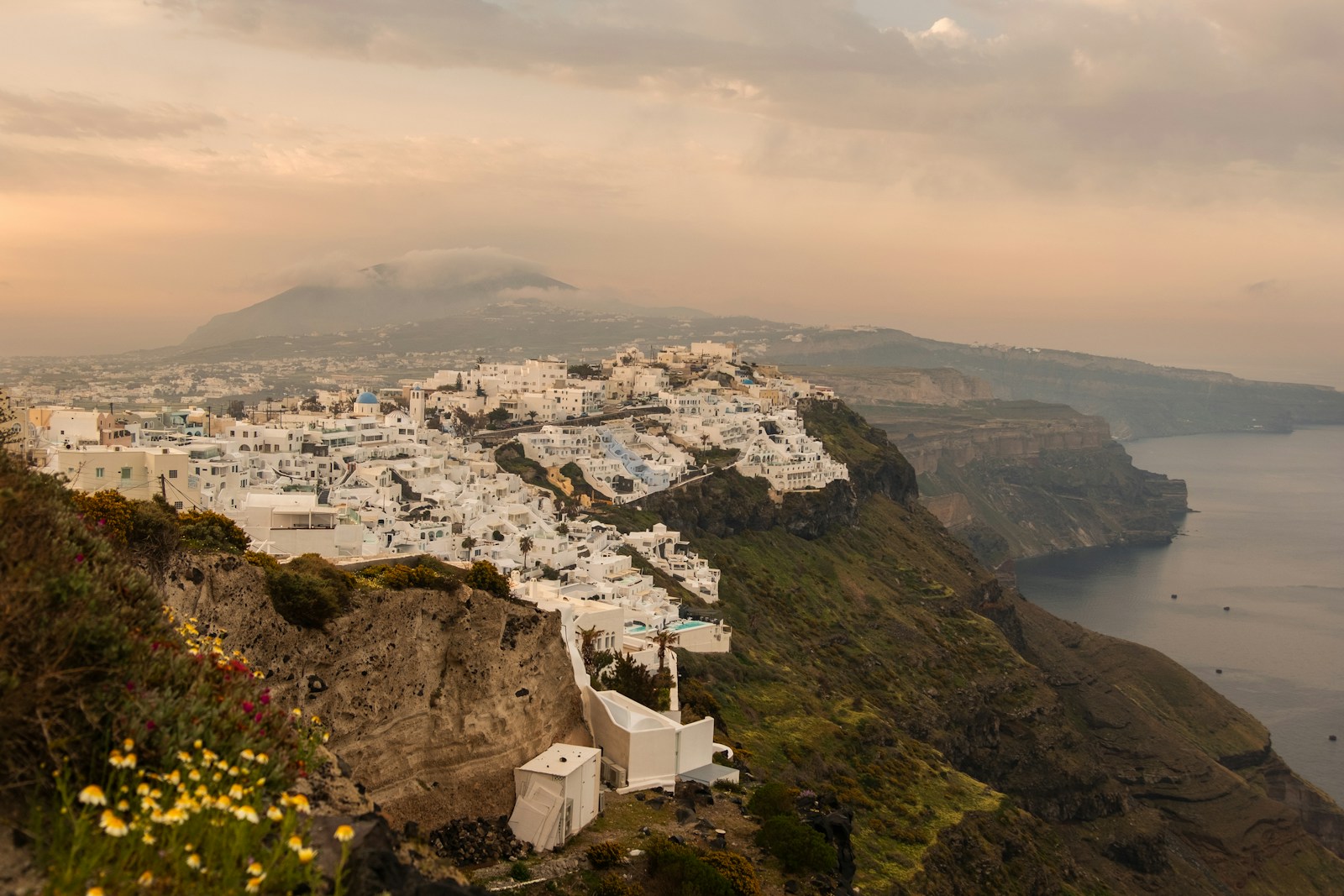
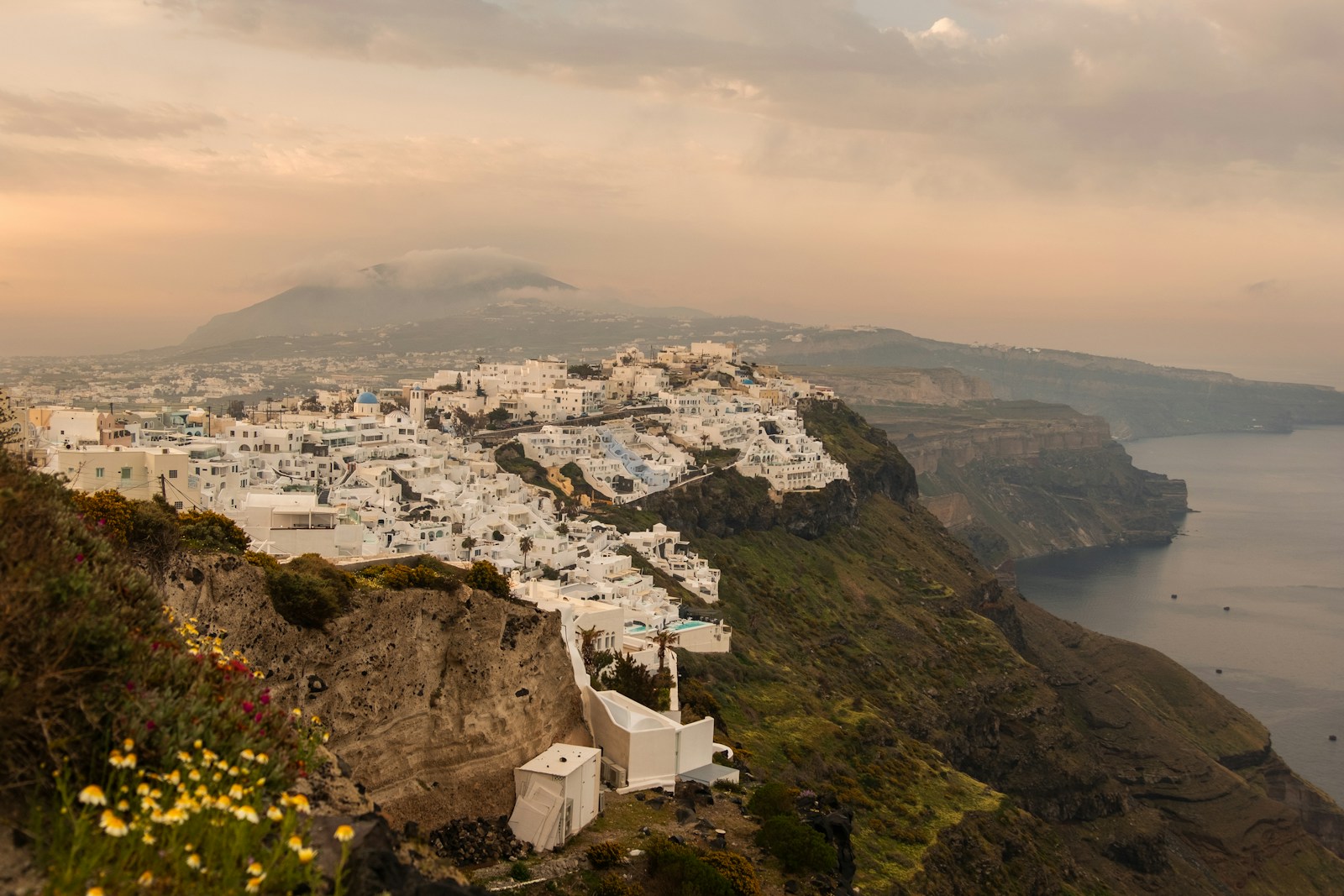
Oia is the poster child. It has the iconic blue-domed churches, sunset panoramas, and high-end hotels. But it is also the most crowded and expensive. If you stay in Oia, book a room with a caldera view a year ahead, and be prepared for wall-to-wall people during sunset hours. If you want the postcard but prefer peace, consider staying in Imerovigli and visiting Oia for an afternoon.
Fira is the capital and transport hub. It has more nightlife, more restaurants, and a younger energy. It is also where buses and taxis depart, making day trips easier. Rooms are generally cheaper than Oia, but caldera views come at a premium here too.
Imerovigli is the hidden gem. It sits higher on the caldera than Oia or Fira, giving it the best panoramic views. It is quieter, more romantic, and often cheaper than Oia. It lacks the nightlife of Fira but makes up for it with tranquility. If you want the caldera experience without the chaos, Imerovigli is your spot.
Kamari and Perissa are beach towns on the southeast side of the island. They have no caldera views, but they offer black sand beaches, plenty of affordable hotels, and a more laid-back atmosphere. These are excellent budget choices. You will need a car or bus to reach Fira (about 20 minutes), but you will save hundreds of euros a night. For travelers who want to swim, eat, and sleep without the crowds, these towns are ideal.
Getting Around Santorini: Rentals, ATVs, Buses, and Taxis
Getting around Santorini requires some planning. The island is small, but the roads are narrow and parking is a nightmare in the main towns.
Car rentals are the most flexible option. You can book online ahead of time or at the airport. You will need an international driving permit, and the agency will likely ask for a deposit. Driving in Oia and Fira is stressful due to pedestrian traffic and tight streets, but a car makes it easy to reach beaches, wineries, and quieter villages like Pyrgos. Book through a reputable international site or a local agency with good reviews. Do not show up and hope to find a car in July.
ATVs and quads are popular but dangerous. They are fun and easy to park, but accidents are common, especially on the blind curves around the island. If you rent one, wear a helmet, drive slowly, and don’t drink. I strongly advise against them for inexperienced drivers.
Public buses are cheap and connect all the major towns. The central terminal is in Fira. Buses run on a set schedule, which you can find at the bus station or online. They can be crowded in summer, but they work. For six euros, you can get from Fira to Oia in about 30 minutes.
Taxis are expensive and limited. There is no ride-sharing app in Santorini. You call a taxi or find one at a taxi stand, but during peak hours, you may wait 30 minutes or more. A short ride from Fira to Oia can cost 25 to 35 euros. Do not rely on taxis for daily transport.
Top Things to Do in Santorini Beyond the Postcard
There is more to Santorini than the sunset in Oia. Here are the activities I recommend to all my clients.
Hike from Fira to Oia. This three-hour coastal trail follows the caldera edge and offers some of the best views on the island. Do it in the early morning to avoid the heat. Wear good shoes and bring water. It’s free and unforgettable. For those planning multiple hikes, a good pair of hiking shoes can make a big difference in comfort on the rocky trails.
Visit the Akrotiri ruins. This is an ancient Minoan city preserved in volcanic ash, much like Pompeii. It is a must for history lovers and a great escape from the midday sun. Allow two hours. Tickets are about 12 euros.
Wine tasting at a local winery. Santorini’s volcanic soil produces distinctive white wines, especially Assyrtiko. Several wineries offer tastings with views of the caldera. Book ahead. The Santo Wines tasting room near Pyrgos is a popular choice.
Take a sailing tour. Catamaran tours around the caldera are popular, but they are also expensive and can feel crowded. A better option is a smaller sailing boat that visits the hot springs and the volcano. You get a more intimate experience. If you do book a catamaran, avoid the cheapest ones; they pack too many people on board.
Visit the volcano and hot springs. Take a short ferry from the old port in Fira to Nea Kameni, the volcanic island in the caldera. You can hike to the crater and then swim in the warm sulfur springs. It is decent, but the hot springs are more of a muddy snorkel than a spa. Manage expectations.
Santorini Beaches: Which Ones Are Actually Worth Your Time?
Let’s be honest: Santorini is not a beach destination like Naxos or Milos. The beaches here are rocky or pebbled, not sandy. But a few are worth visiting.
Red Beach is iconic but overrated. The red cliffs look stunning in photos, but the beach itself is small, covered in pebbles, and prone to rockfalls. It gets crowded quickly. If you go, wear water shoes. The view is better from the path above than from the beach itself.
White Beach is only accessible by boat. It is quieter and more scenic than Red Beach, but you need to arrange a taxi boat or kayak to get there. Worth it if you want an adventurous swim.
Kamari and Perissa are the best bets for a classic beach day. They are organized with sunbeds, umbrellas, and beach bars. The black sand is fine enough to walk on, and the water is clear. Kamari is more developed, Perissa is slightly quieter. Sunbeds cost about 10 to 15 euros for two.
Vlychada Beach is my personal pick for a peaceful afternoon. The cliffs are carved into unusual shapes by the wind, and the beach is much less crowded than Kamari. It feels wilder and more authentic.
Bring water shoes everywhere. The pebbles hurt bare feet. Do not expect soft white sand. That is not Santorini.
Food and Dining: Where and What to Eat in Santorini
Greek food in Santorini is excellent if you know where to look. Local specialties you must try include tomato keftedes (deep-fried tomato fritters), fava (a creamy yellow split pea puree), grilled octopus, and fresh fish. Pair everything with a crisp Assyrtiko wine.
For the best value, avoid eating in Oia at dinner. The restaurants there rely on sunset views and charge a premium. Instead, eat in Fira, Pyrgos, or Kamari, where the food is just as good and the prices are 30 to 40 percent lower. A casual lunch of souvlaki and a salad will run you about 15 to 20 euros. A sit-down dinner with wine at a mid-range taverna will cost 30 to 50 euros per person.
Make reservations for dinner, especially in summer. Many popular restaurants fill up a day ahead. Tip is not mandatory, but rounding up the bill is appreciated. Avoid the “Greek night” restaurants that feature dancing and plate smashing; they are almost always tourist traps with mediocre food and high prices.
Common Mistakes to Avoid on Your Santorini Trip
After years of seeing travelers make the same errors, here are the mistakes I urge you to avoid.
Booking Oia accommodation for your entire stay. Oia is beautiful, but it is also incredibly crowded and expensive. Staying there for your whole trip limits your access to other parts of the island and locks you into inflated prices. Consider splitting your stay between Oia (two nights) and a quieter area like Imerovigli or Kamari.
Not booking sunset dinners in advance. You cannot walk into a restaurant in Oia or Fira at sunset and expect a caldera-view table. Book at least a week ahead. If you do not have a reservation, you will end up eating inside or standing in line.
Relying on taxis. As mentioned earlier, taxis are scarce and expensive. Have a backup plan. Use the bus or rent a car.
Underestimating the sun. Santorini gets brutally hot in summer. Wear a hat, sunscreen, and bring a refillable water bottle. Heatstroke is a real issue.
Buying ferry tickets at the port. In high season, ferries sell out days ahead. Buy your tickets online at least a week before you travel.
Not carrying cash. Many smaller tavernas and shops in Santorini do not accept cards. Always have 50 to 100 euros in cash on you.
Santorini on a Budget: How to Save Without Sacrificing the Experience
Santorini is an expensive island by Greek standards, but you can still have a great trip without breaking the bank.
Stay in Kamari or Perissa. These beach towns offer significantly cheaper accommodation than Fira or Oia. You will trade the caldera view for an easy walk to the beach. A 20-minute bus ride gets you to Fira.
Eat lunch at bakeries and tavernas. Bakeries serve excellent spanakopita, cheese pies, and fresh bread for a few euros. A quick lunch of a pie and a salad costs half what you would pay at a sit-down dinner.
Visit in shoulder season. May, June, and September offer much lower prices on flights and hotels. You will also face smaller crowds, so it is a double win.
Skip the catamaran tour and take a public ferry to the volcano. The public boat is a fraction of the price. You pack your own food and drinks, but you get the same experience.
Buy wine from a shop instead of a winery tasting. A bottle of Assyrtiko from a local store costs ten euros. A single tasting at a winery can run 20 to 30 euros. If you just want to enjoy the wine with your sunset view, the shop is the smarter choice.
Bring a reusable water bottle. Tap water is not drinkable in Santorini, but you can refill your bottle at the supermarket for less than a euro. It adds up over a week.
Packing for the Greek Islands: What You Actually Need (and What to Leave Home)
Packing for Santorini requires some thought because of the terrain and activities. Here is what you need.
Walking shoes. The island is built on hills. You will be walking on cobblestones, steep steps, and uneven paths every day. Leave the heels at home unless you are hitting a rooftop bar. A pair of sturdy sneakers or hiking sandals is essential. For those who plan to do the Fira-to-Oia hike, comfortable walking sneakers are a worthwhile investment.
Light layers. Days are hot, but evenings can be cool, especially by the sea. A light jacket or cardigan is worth packing.
Swimwear and a cover-up. Obvious, but bring at least two swimsuits so you can let one dry.
A daypack. A small backpack is useful for carrying water, sunscreen, a hat, and a light layer during hikes or beach trips.
Water shoes. As mentioned, the beaches are pebbly. Water shoes make a huge difference.
A travel adapter. Greece uses the European two-pin plug (Type C/F). Bring a universal adapter.
Leave behind fancy evening wear unless you have a specific plan. Most tavernas are casual even in expensive areas. You do not need a separate suitcase for dinner outfits.
Final Thoughts: Is a Santorini and Greek Islands Trip Right for You?
Santorini is not a budget destination, and it is not a quiet beach getaway. It is a place for people who are willing to trade peace for jaw-dropping views and a memorable experience. If you are comfortable with crowds, high prices, and a bit of planning, Santorini will deliver. If you prefer uncrowded beaches, lower costs, and a more relaxed pace, pair Santorini with Naxos or Milos. That combination gives you both the iconic crescent view and the laid-back island vibe.
When you are ready to book, I recommend using Bob’s Travel Service for ferry tickets, accommodation, and island-hopping packages. They handle the logistics so you can focus on enjoying your trip. Start planning now. The best rooms and tours book up fast.