The Practical Iceland Travel Guide for Nature Lovers: Reykjavik and Beyond
Why This Iceland Travel Guide Is Different for Nature Lovers
Most Iceland travel guides follow a simple formula: hit the Golden Circle, snap a photo at the Blue Lagoon, and call it a trip. That works if you are checking boxes, but it misses the point for a genuine nature lover. This Iceland travel guide for nature takes a different approach. It is built around logistics, tradeoffs, and real-world planningânot just a list of pretty places.
The biggest mistake first-time nature visitors make is trying to see everything. Iceland is roughly the size of Kentucky, but driving times are much longer than they look on a map. You will spend hours on two-lane roads with single-lane bridges, sudden rain squalls, and sheep wandering into traffic. Planning six waterfalls in one day means more time in the car than on the trail. That is not a nature trip. It is a driving tour with photo stops.
Another overlooked reality is where you stay matters as much as where you go. Staying in Reykjavik is convenient, but it adds a daily commute to the wilder areas. A rural guesthouse outside Vik or on the Snæfellsnes peninsula puts you minutes from hiking trails instead of an hour from the city center. That difference adds up fast when you want to catch sunrise at a waterfall or hike a canyon before the tour buses arrive.
Weather is the third factor most guides gloss over. Iceland’s weather is not just unpredictableâit is actively trying to change your plans. A clear morning can turn into sideways rain by lunchtime, then clear again by evening. A rigid itinerary means pushing through miserable conditions or skipping things entirely. The best nature trips build in flexibility: a backup plan for rainy days, extra time for detours, and a willingness to change course when conditions shift.
This guide is for the traveler who wants real, usable information. Not hype. Not glossy descriptions. Just the practical decisions that make a nature trip to Iceland actually deliver on the experience you are hoping for.
When to Visit Iceland for the Best Nature Experiences
There is no single best time to visit Iceland for nature. Each season serves a different kind of experience, and the right choice depends entirely on what you actually want to do on the ground.
Late May through early June (shoulder season) is the sweet spot for hiking and general accessibility. The weather is mild by Icelandic standardsâexpect 8â12°C (46â54°F)âand the days are long, with nearly 20 hours of daylight. The highland roads are still closed, so you cannot reach places like Landmannalaugar or Thorsmork, but the classic south coast and Snæfellsnes are fully accessible. Crowds are thin compared to summer, and puffins are nesting. This is the best window if you want decent weather without the July crush.
July and August (peak summer) bring the midnight sun and access to the highlands. This is the only time you can reach Iceland’s interiorâmassive lava fields, remote hot springs, and the colorful rhyolite Mountains. The tradeoff is crowds at every major site. Parking lots at Gullfoss and Seljalandsfoss fill up by mid-morning, and you will share trails with hundreds of other visitors. If you hate crowds, avoid July and August unless you are specifically going for the highlands, which are less congested.
September (shoulder season) is arguably the best month for a nature-focused trip. The crowds thin out after school starts, the weather is still reasonable, and the northern lights become visible by late September. The highland roads remain open through early September, so you can still do interior hikes. It is a narrow window, but it offers the best balance of accessibility, fewer people, and aurora potential.
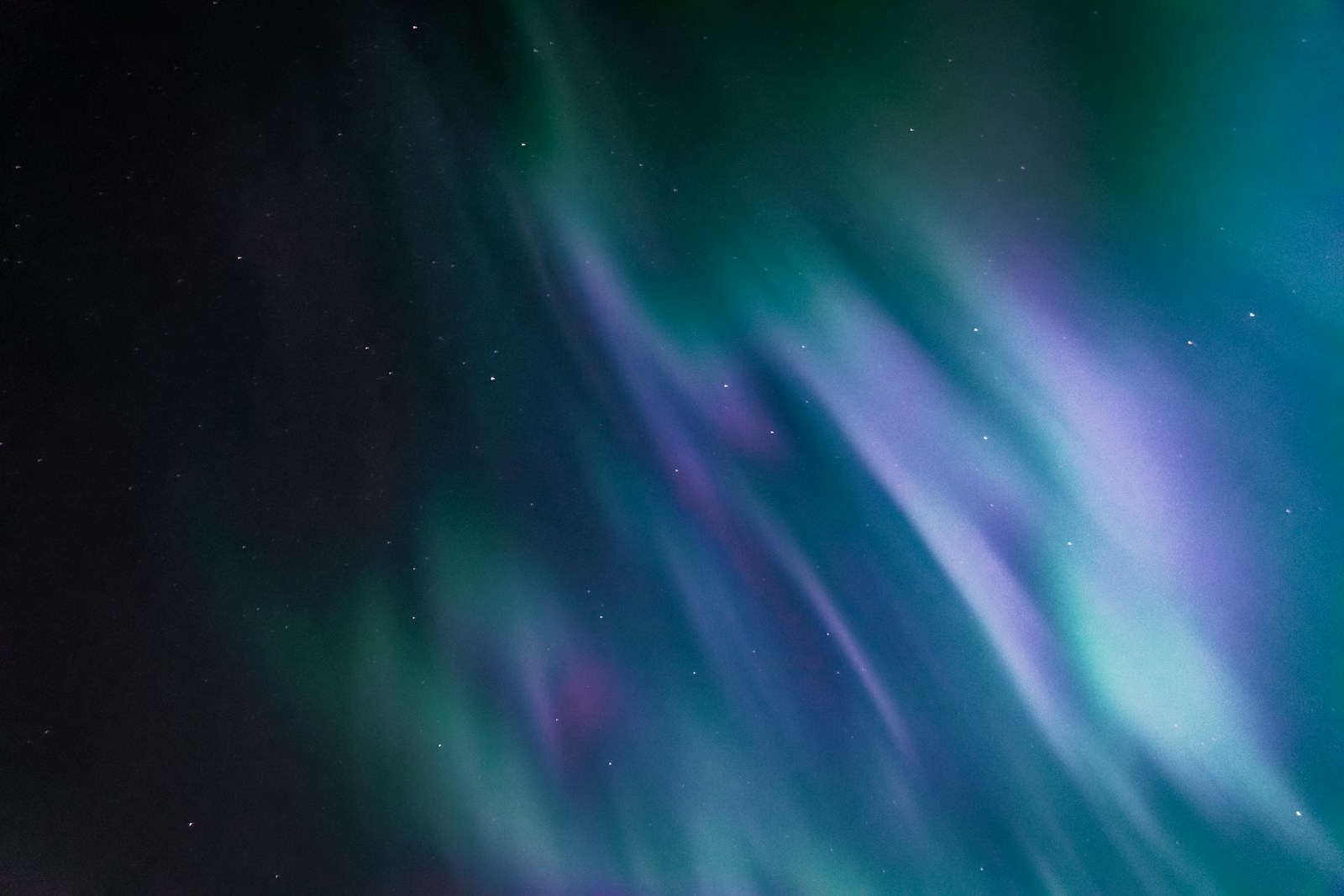
October through March (winter) is for a specific kind of nature lover. If you want ice caves, northern lights, and volcanic landscapes under snow, this is your season. But know the limitations. Daylight shrinks to four or five hours in December. Many roads become impassable without a 4×4. You cannot access the highlands at all. Hiking is limited to short, low-elevation trails. Winter is magical for aurora and ice caves, but it is not a general-purpose nature trip. Go in winter only if those specific experiences are your priority.
A quick decision guide:
- Best for hiking and long days: Late MayâJune
- Best for overall variety: September
- Best for avoiding crowds: May or September
- Best for northern lights and ice caves: NovemberâFebruary
- Best for highlands and interior: JulyâAugust
- Best for puffins: JuneâJuly
Getting Around: Should You Rent a Car or Join Tours?
This is the single most important planning decision you will make. It affects your schedule, budget, and the quality of your nature experience.
Renting a car gives you freedom. You decide when to leave, where to stop, and how long to stay. If you spot a trailhead that is not in your guidebook, you can pull over and explore. That flexibility is invaluable for nature lovers who want to escape the crowds. The downside is cost and responsibility. A basic compact car runs about $60â$80 per day in summer, and that does not include the mandatory insurance for gravel protection and sandstorms. Winter rentals with a 4×4 cost significantly more. You also need to be comfortable driving on gravel roads, dealing with single-lane bridges, and checking road conditions daily at road.is. If you plan to drive on mountain roads (marked F), you must have a 4×4. Rental companies check, and driving an F-road without proper clearance voids your insurance.
Guided tours remove the stress of navigation, weather planning, and vehicle risk. You sit on a bus, the driver handles the logistics, and you experience the major sites. This works well for solo travelers, people uncomfortable with winter driving, or anyone who prefers to focus on the scenery instead of the road. The downside is you lose flexibility. Tours run on fixed schedules. You get 45 minutes at Seljalandsfoss, whether you want more or less. You cannot chase a weather window or linger at a location that captivates you. Tours also cost more per person than splitting a rental among two or three people.
My recommendation: If you are traveling with at least one other person and feel comfortable driving on gravel, rent a car. The freedom is worth the cost. For solo travelers or winter visitors who do not want to risk icy roads, book day tours from Reykjavik. Companies like Guide to Iceland offer packaged day trips that cover the Golden Circle, south coast, and Snæfellsnes. They are reliable and handle the logistics well.
A few practical notes if you rent:
- Book early. Rental cars sell out in summer and winter.
- Opt for the full insurance package. Gravel chips are common, and repair costs are steep.
- Download offline maps from Google Maps or Maps.me. Cell service is spotty outside towns.
- Check road.is and vedur.is daily for road conditions and weather warnings.
Packing for Icelandâs Nature: What You Actually Need
Packing for Iceland is not about looking good. It is about staying dry and comfortable in conditions that change every twenty minutes. Here is what actually matters for a nature-focused trip.
A good rain jacket and waterproof pants are non-negotiable. You will get rained onâit is not a matter of if, but when. A lightweight shell with a hood that actually stays up in wind is worth the investment. Travelers looking for reliable options can search for waterproof rain jackets or women’s versions. Pair it with waterproof pantsânot just water-resistant. You will be walking near waterfalls where mist soaks everything within fifty feet.
Sturdy waterproof hiking boots are essential. Trails can be muddy, rocky, and slippery. You need ankle support and good tread. Do not bring trail runners unless you are only doing paved paths. Most nature sites involve uneven terrain.
Layers are your friend. A merino wool base layer, a fleece mid-layer, and your waterproof shell will handle 90% of conditions. Avoid cotton. Once it gets wet, it stays wet, and hypothermia is a real risk in windy coastal conditions.
Microspikes are worth bringing in spring and fall, especially if you plan to hike near glaciers or on icy trails. They are lightweight and cheap, and you will be glad you have them when the path turns into a sheet of ice.
Gloves and a warm hat are not just for winter. Wind chill near waterfalls and on the coast can make a perfectly mild day feel cold. A thin pair of gloves and a beanie take almost no space and solve a real comfort problem.
Skip the designer gear and branded luggage. Iceland does not care. Focus on function. You will thank yourself when you are standing under Skogafoss with rain blowing sideways.
Reykjavik: Your Base Camp for Nature Day Trips
If you plan to base yourself in Reykjavik, you can still access excellent nature within an hour or two of the city. The key is choosing the right neighborhood and the right type of accommodation.
Where to stay: Avoid the main downtown strip near Laugavegur if you want peace after a day outdoors. That area is loud, expensive, and full of bars. Instead, look at Vesturbær (west side) or Laugardalur (east side). These neighborhoods are quieter, closer to coastal walking paths, and still within walking distance of grocery stores and restaurants. You will pay less and sleep better.
For budget-conscious travelers, guesthouses and hostels like KEX Hostel or the Reykjavik HI Hostel offer affordable beds and common kitchens. Cooking your own meals saves significant money. For mid-range comfort, consider a hotel like the Icelandair Hotel Reykjavik Natura near Laugardalur. It is not flashy, but it is clean, close to the botanical gardens, and about a fifteen-minute walk from the main bus terminal where tours depart.
Flexible cancellations are valuable in Iceland. Weather can force you to shift plans by a day. When booking accommodation, look for free cancellation policies. Booking.com and Expedia both allow filtering by cancellation policy. Do not lock yourself into a non-refundable room in May or September unless you are certain of your dates.
One pro tip: if you stay in Reykjavik for a few nights, buy a Reykjavik City Card. It gives you free entry to the city’s geothermal pools, public transport, and several museums. It pays for itself if you use the pools dailyâand you should. Laugardalslaug is the largest outdoor pool in the city and costs about 1,100 ISK (around $8) without the card.
Top Natural Attractions Near Reykjavik
These are the best natural sites within two hours of the capital. They are popular for a reason, but some offer a more authentic nature experience than others.
Thingvellir National Park is a UNESCO World Heritage site and one of the few places on Earth where you can walk between two tectonic plates. It is about 45 minutes from Reykjavik. The Almannagjá gorge is the main attraction, and the walk through the rift valley is straightforward and stunning. Parking costs about 750 ISK ($5.50). Go early (before 9 AM) to avoid the worst crowds. If you want a longer hike, the trail along the Ãxará river to Ãxarárfoss waterfall is a solid 45-minute loop. Thingvellir is also a great spot for snorkeling or diving in Silfra fissure, where visibility is over 100 meters.
Geysir is about an hour east of Thingvellir. The active hot spring Strokkur erupts every 5â10 minutes, shooting water up to 30 meters. It is worth a stop, but it is a five-minute experience. Do not plan to spend more than 30 minutes here unless you really enjoy watching boiling water. The surrounding area has hiking trails, but most visitors skip them.
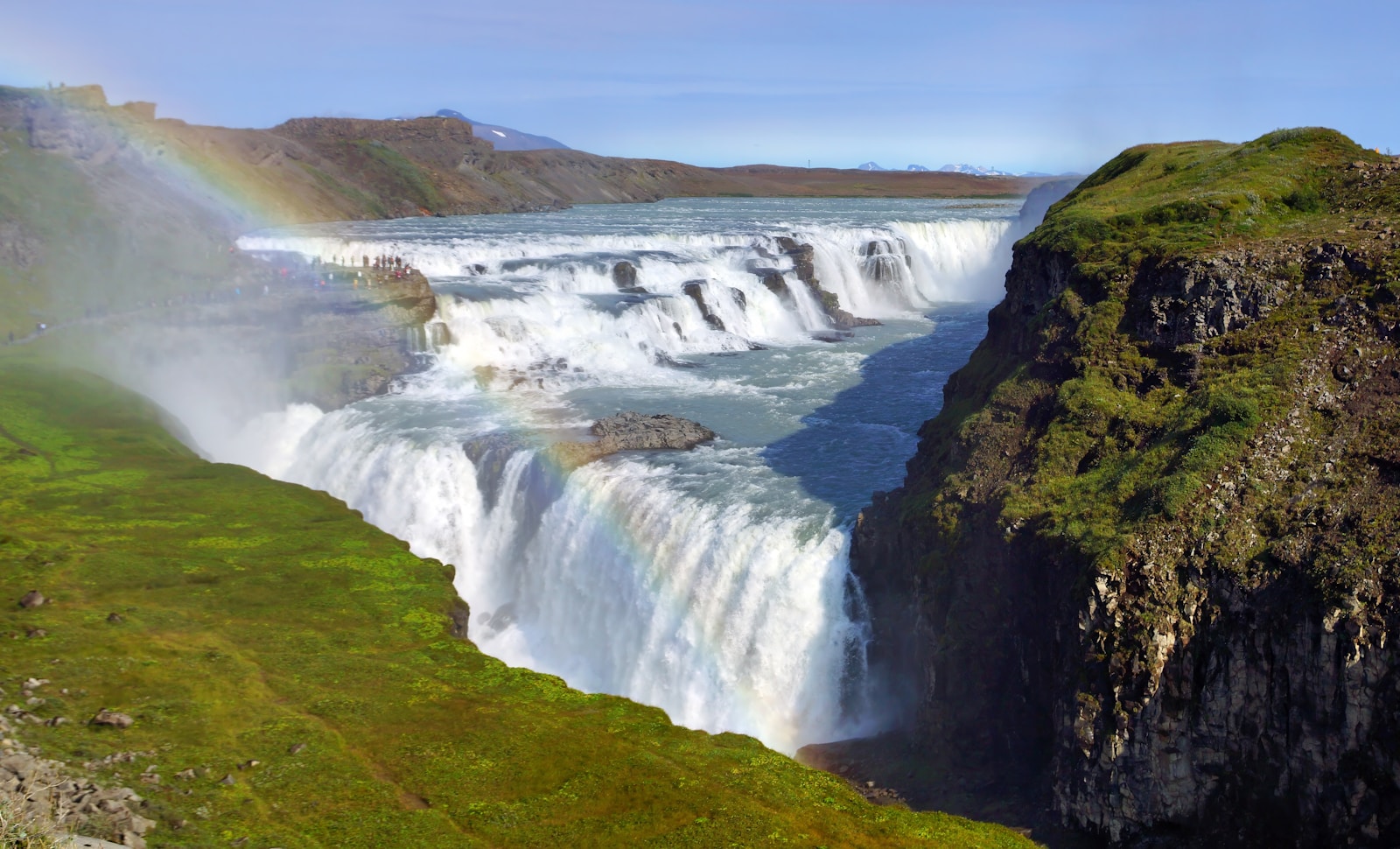
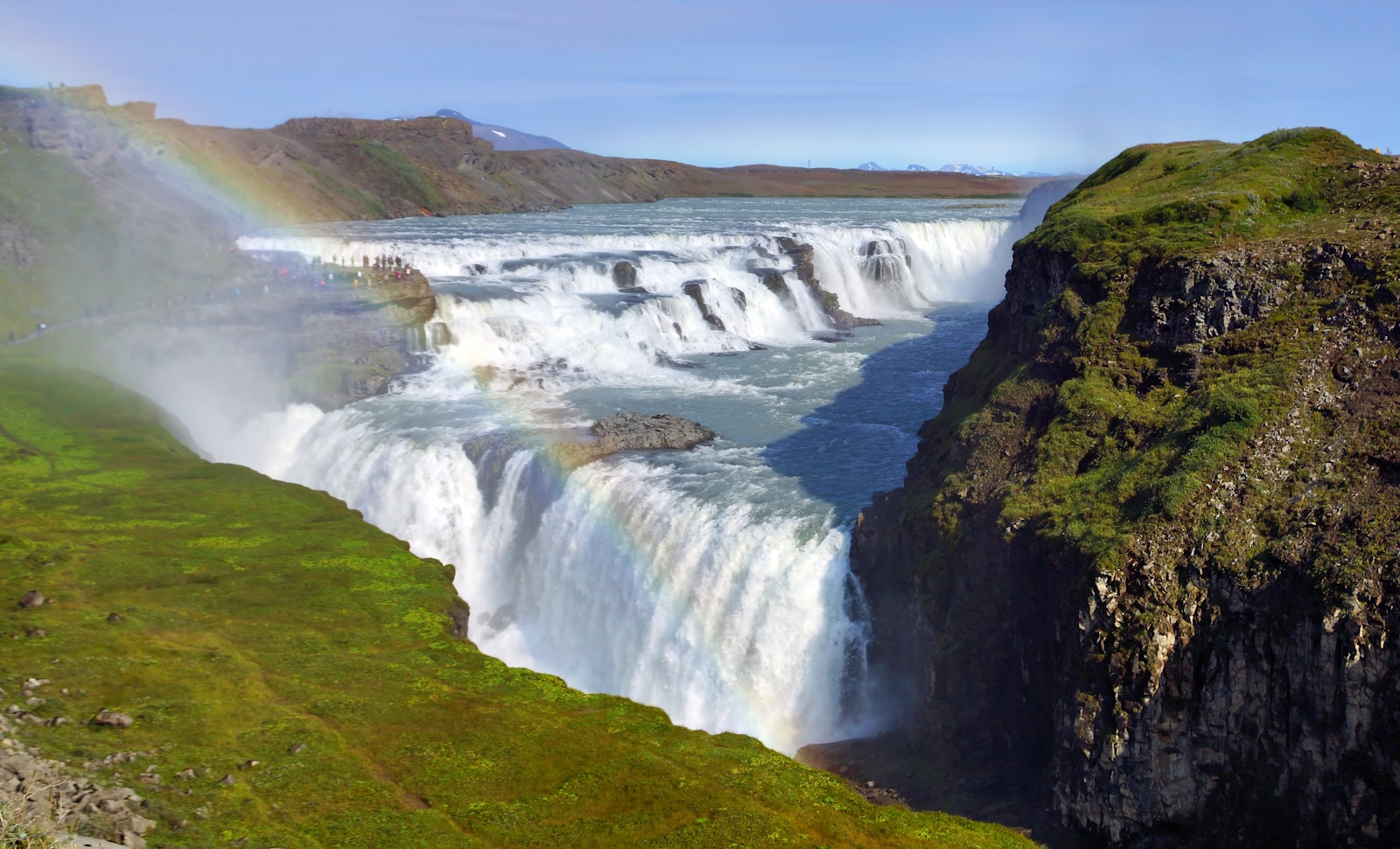
Gullfoss is another 10 minutes past Geysir. This is one of Iceland’s most powerful waterfalls, and it is genuinely impressive. The trail takes you right next to the cascade, and you will get wet. There are two viewing platforms: one at the top and one at the bottom. The lower platform gives you a better sense of the scale. Parking is free. Go in late afternoon to avoid tour buses.
The Reykjanes Peninsula is underappreciated by most visitors. It is only 20 minutes from the airport and offers volcanic landscapes, geothermal areas, and the Bridge Between Continents. Gunnuhver is an active mud pool with steam vents. The area feels raw and otherworldly, like walking on Mars. Parking is free. It is a good stop on your way from the airport to Reykjavik or on a day trip from the city.
Mount Esja is the best quick hike near Reykjavik. The trailhead is about 20 minutes from the city center. The main trail to the summit of Keri (a volcanic crater) takes about 2â3 hours round trip. The views of Reykjavik, the fjord, and the surrounding mountains are excellent. It is a moderately steep hike, so bring water and wear proper boots. Best in dry weather; the trail gets muddy and slippery after rain.
If you are short on time, prioritize Thingvellir and Gullfoss. Skip Geysir if you have seen geothermal activity elsewhere. The Reykjanes Peninsula is a good alternative if you want something less crowded.
Beyond Reykjavik: Where to Stay for Deeper Nature Access
Reykjavik works for day trips, but the best nature experiences happen when you stay closer to the wild areas. Here are three locations worth booking accommodation for.
VÃk (south coast) is about two hours from Reykjavik and puts you near Reynisfjara black sand beach, Skógafoss, Seljalandsfoss, and the Mýrdalsjökull glacier. Stay at a guesthouse like the VÃk HI Hostel or the Hotel KrÃa for reasonable prices. The tradeoff is limited dining optionsâthere are a handful of restaurants and a supermarket, but nothing fancy. Vik is a good base for two to three nights if you want to explore the south coast without driving back to Reykjavik each day.
Hveragerði is only 45 minutes east of Reykjavik but feels much more remote. It is famous for its geothermal river (Reykjadalur), a natural hot spring you can hike to. The trail is about 3 kilometers each way, and the reward is a warm river to soak in. Hveragerði also offers good hiking in the surrounding hills. Stay at the Hveragerði Guesthouse or a farm stay nearby. The town has a grocery store and a few restaurants, so you can cook your own meals.
Snæfellsnes peninsula is often called “Iceland in miniature” because it packs glaciers, volcanoes, waterfalls, black sand beaches, and lava fields into a compact area. The main town is Arnarstapi, but you can also stay in Grundarfjörður or Stykkishólmur. Lodging options range from simple guesthouses to farm stays. The advantage is proximity to Kirkjufell (the most photographed mountain in Iceland), the Snæfellsjökull glacier, and dozens of hiking trails. The downside is that dining options are limited in smaller villages, so plan to cook most meals.
Book these accommodations well in advance if you are traveling between June and August. They sell out weeks ahead. In shoulder seasons, you have more flexibility but should still book at least a month out.
Common Mistakes First-Time Nature Lovers Make in Iceland
These mistakes are easy to make and have real consequences. Avoid them and your trip will run much smoother.
Over-relying on GPS. Google Maps does not know about closed roads, weather conditions, or F-road restrictions. Use road.is for official road conditions and vedur.is for weather warnings. Always carry a paper map or offline navigation as backup.
Not booking accommodation in advance. Summer fills up months ahead. If you wait until June to book July lodging, you will pay inflated prices or settle for a room far from where you want to be. Shoulder seasons are more forgiving, but September can still be tight.
Underestimating hiking trail difficulty. Iceland’s trails are not always well-marked. A 5-kilometer hike on paper might take twice as long due to loose rocks, mud, or river crossings. Check detailed trail descriptions before you go. Bring more water than you think you need. There are no convenience stores on the trail.
Buying bottled water. Icelandic tap water is perfectly safe and tastes better than bottled water. Bring a reusable water bottle and fill it at any tap. Restaurants and gas stations will fill it for free. Bottled water is expensive and unnecessary.
Not renting a car because it seems too expensive. Yes, renting a car adds upfront cost, but it gives you the freedom to see more, avoid tour group crowds, and adjust your schedule. If you divide the cost among two or three people, it often works out the same or cheaper than multiple guided tours.
Must-Have Travel Accessories for Icelandâs Rugged Outdoors
These four accessories solve real problems you will encounter on a nature-heavy trip. They are worth the luggage space.
Portable charger (power bank). Long drives, cold temperatures, and frequent use of navigation drain your phone battery fast. A 10,000 mAh or larger power bank ensures you do not end up stranded without a map. Anker makes reliable ones.
Waterproof phone case or pouch. Waterfalls spray everywhere. Rain comes sideways. You want to take photos without worrying about water damage. A simple waterproof pouch costs about $15 and gives you peace of mind. Alternatively, a dry bag for your phone works too.
Dry bag. Useful for keeping clothes, electronics, and gear dry during hikes, boat trips, or hot spring visits. A 20-liter dry bag packs flat and can hold a full change of clothes. Sea to Summit makes good ones.
Headlamp. Essential for winter hikes when daylight is short, but also useful for early morning or late evening excursions year-round. Black Diamond and Petzl make reliable models. Even in summer, you might want one for exploring caves or late-night aurora hunting.
These are not luxury items. They are practical tools that solve real problems you will encounter. The cost is small compared to the frustration of a dead phone or soaked clothes.
How to Save Money Without Missing the Best Nature Spots
Iceland is expensive, but you do not have to break the bank to have an amazing nature trip. Here are the most effective ways to save.
Cook your own meals. Eating out in Iceland costs $25â$40 per meal per person. Grocery stores like Bonus and Kronan have reasonable prices. Stock up on bread, cheese, sandwich ingredients, instant noodles, and snacks. Pack a lunch for day trips. You will save hundreds of dollars over a week. Bonus tip: Bonus stores are yellow with a pig logo. They are easy to spot.
Skip the Blue Lagoon. The Blue Lagoon is a man-made geothermal spa that costs around $70â$100 per person. It is expensive, crowded, and surrounded by lava fields. Instead, visit one of Iceland’s natural hot springs or local pools. Laugardalslaug in Reykjavik costs about 1,100 ISK ($8). The Reykjadalur hot spring is free (after a 3 km hike). Secret Lagoon costs less than Blue Lagoon and feels more authentic.
Prioritize free attractions. Most natural wondersâwaterfalls, canyons, black sand beaches, geothermal areasâare free. Parking fees are minimal. The main costs come from tours, gear rentals, and food. Focus your budget on experiences that matter most to you, like a glacier hike or a snowmobile tour, and save on everything else.
Book package deals for tours. If you do not rent a car, look for tour packages that bundle multiple sites. Guide to Iceland offers multi-day packages that cost less than booking individual trips. You can also compare prices on Viator or GetYourGuide, but Guide to Iceland is Iceland-based and often has better local deals.
Consider a Reykjavik City Card. If you stay in the capital, the card gives you free access to city pools, buses, and several museums. It costs about 5,000 ISK ($37) for 24 hours. If you plan to use the pools daily and visit museums, it pays for itself.
Travel in shoulder season. May, June, and September offer lower prices on flights and accommodation compared to July and August. You also avoid the worst crowds.
Final Planning Checklist for Your Iceland Nature Trip
Before you go, run through this checklist. It covers the essentials without overcomplicating things.
- Book flights to Keflavik International Airport (KEF)
- Rent a car (book early, full insurance, 4×4 if winter or highlands)
- Reserve accommodation (all locations, especially summer and shoulder season)
- Purchase travel insurance that covers trip cancellation, medical, and rental car damage
- Download offline maps (Google Maps or Maps.me)
- Check road.is and vedur.is before driving each day
- Pack: rain jacket, waterproof pants, waterproof boots, layers, microspikes (spring/fall), headlamp, portable charger, dry bag, reusable water bottle, gloves, hat
- Stock up at Bonus or Kronan upon arrival
- Book any tours (glacier hike, ice cave, northern lights) at least a week in advance
- Build flexibility into your itineraryâplan for one or two optional days with no fixed schedule
Iceland delivers unforgettable nature experiences, but only if you plan with your eyes open. The weather will change. The crowds will be real. The driving will test your patience. But when you stand at the edge of a glacier or watch the northern lights dance over a black sand beach, you will understand why it is worth the effort.
If you want a done-for-you travel package that handles flights, accommodation, rental car, and tours with built-in flexibility, Bob’s Travel Service offers curated Iceland itineraries for nature lovers. We know the right places to stay, the best routes to drive, and the timing that avoids the worst crowds. Contact us for a custom quote or book online through our partner platform.