Vietnam Travel Guide: Hanoi, Ha Long Bay, and Ho Chi Minh City
Introduction
If you are planning a first trip to Vietnam, you have probably heard about the three essential stops: Hanoi, Ha Long Bay, and Ho Chi Minh City. This vietnam travel guide highlights exactly what you need to know to connect these places without wasting time or money. I have been guiding travelers through these routes for over a decade, and glossy brochures rarely show the full picture. Traffic in Hanoi is a real obstacle, overnight cruises in Ha Long Bay vary wildly in quality, and Ho Chi Minh City moves at a pace that can catch you off guard. This guide focuses on logistics, honest trade-offs, and practical tips that actually matter on the ground. No fluff, just what works.
Why These Three Destinations Form the Core of a Vietnam Trip
Hanoi, Ha Long Bay, and Ho Chi Minh City are popular for good reason. They represent the three pillars of what most first-time visitors want: northern culture, coastal beauty, and southern energy. Hanoi gives you ancient streets, colonial architecture, and the best bowl of pho you will ever have. Ha Long Bay offers that iconic limestone karst landscape everyone dreams about. Ho Chi Minh City throws you into a fast-paced urban environment with war history, rooftop bars, and a food scene that never stops. The practical flow is simple: fly into Hanoi, take a bus or private transfer to Ha Long Bay for a couple of days, then fly south to Ho Chi Minh City. Domestic flights are cheap and quick, so there is no reason to overcomplicate the route. Plan for at least 10 to 14 days to cover all three at a comfortable pace.
Hanoi: The Capital of Old Meets New
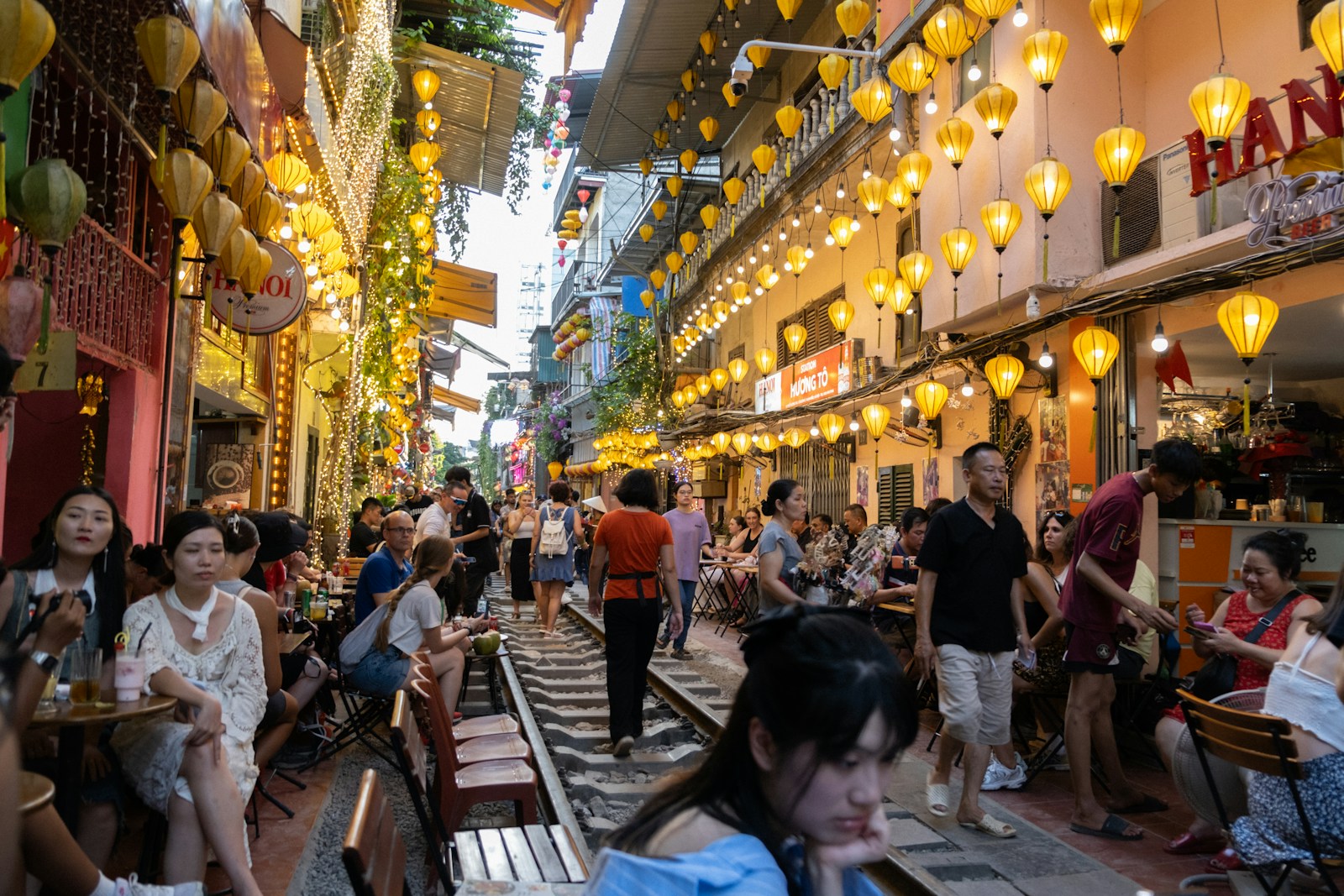
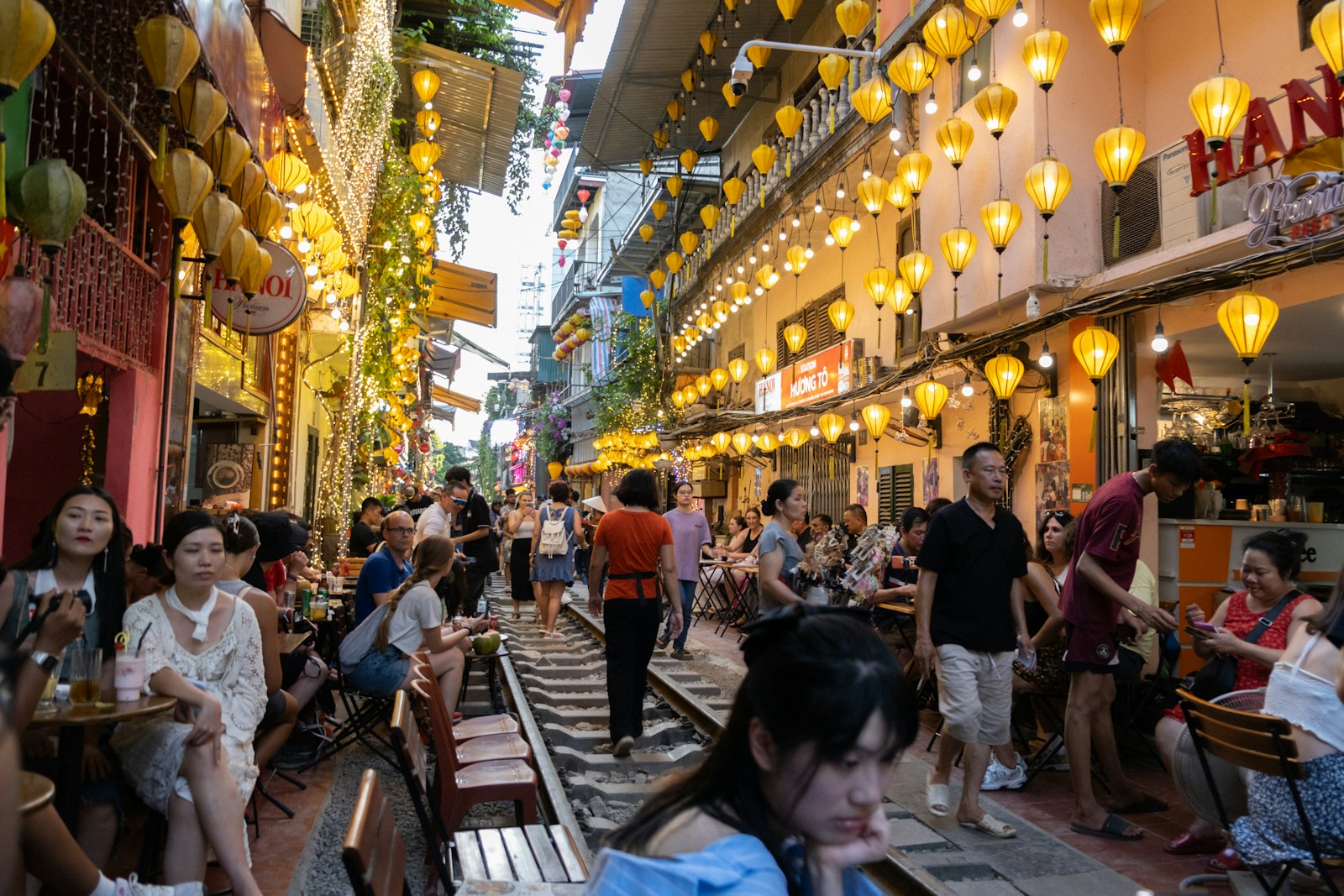
Hanoi is where most itineraries begin, and for good reason. The Old Quarter is a maze of narrow streets where each lane historically specialized in a different trade. You will find silk shops on Hang Gai, hardware stores on Thuoc Bac, and street food on almost every corner. Hoan Kiem Lake provides a central point to orient yourself, and the Temple of Literature offers a quiet escape from the noise. The Ho Chi Minh Mausoleum is worth a visit, but plan your timing carefully because it closes for maintenance several months each year. A common mistake is underestimating the traffic. Crossing the street requires steady nerves and a consistent pace, not sudden stops or runs. That said, the city is very walkable once you get used to the flow. Travelers who want a reliable way to navigate can use a filtered water bottle to stay hydrated without buying plastic bottles everywhere. I recommend spending three to four days here to see the main sights, take a street food tour, and maybe a day trip to Ninh Binh if you have extra time. For booking a guided walking tour or a food tour, many travelers have good experiences with operators that handle small groups and include local guides. The Old Quarter is also the best area to stay because everything is within walking distance or a short Grab ride.
Ha Long Bay: Worth the Hype or Just a Tourist Trap?
This is the question I get most often. The honest answer is that Ha Long Bay is worth it if you choose the right experience. The main bay is crowded, there is no denying that. On any given day, you will see dozens of boats lined up single file, and the water can look murky. However, the limestone karsts are genuinely stunning, and sunrise from the deck of a boat is unforgettable. For a better experience, consider the Lan Ha Bay option, which is adjacent to Ha Long Bay but much quieter and cleaner. The logistics are simple: it is about a 2.5-hour drive from Hanoi, and most visitors do an overnight cruise. Day trips exist, but I do not recommend them. You will spend most of your time traveling, and you will miss the best parts like kayaking at sunrise or the cooking class. When choosing a cruise, avoid the rock-bottom prices. The $50 per person options often mean cramped cabins, mediocre food, and rushed schedules. Mid-range cruises in the $100 to $150 range offer private balconies, better meals, and included activities like kayaking, squid fishing, and tai chi. Some reputable operators include Bhaya Cruises, Paradise Cruises, and Orchid Cruises. If you are prone to seasickness, skipping the overnight trip and doing a day cruise or staying in a hotel on Cat Ba Island might be better. Beginners may want to carry motion sickness wristbands just in case the bay gets choppy. Book in advance, especially during peak season from October to April, and make sure the booking includes transfers from Hanoi.
Getting from Hanoi to Ho Chi Minh City: Flight vs. Train vs. Bus
This is a tactical decision that will affect your budget and your schedule. Domestic flights are the fastest option, taking about 1.5 hours. Airlines like VietJet Air, Bamboo Airways, and Vietnam Airlines operate multiple flights daily between Hanoi and Ho Chi Minh City. Expect to pay between $50 and $80 for a one-way ticket if you book a couple of weeks in advance. Just be aware that low-cost airlines have strict baggage limits, often only 7 kg for carry-on and 20 kg for checked luggage. If you plan to bring souvenirs, you might need to pay extra. The overnight train takes over 30 hours and is a scenic but tiring journey. Hard sleeper cabins are cramped, soft sleeper cabins are manageable, and the scenery through central Vietnam is beautiful. I recommend the train only if you have at least two weeks for your trip and genuinely enjoy slow travel. The bus is the worst option. It is long, uncomfortable, and not significantly cheaper than flying. For almost all travelers, the flight is the right choice. Use a comparison website like Skyscanner or 12Go Asia to check prices and schedules. Remember that this leg is not a day trip. Even with a flight, you will need a full day for transfers, waiting, and travel, so plan accordingly.

Ho Chi Minh City: Energy, History, and the Cu Chi Tunnels
Ho Chi Minh City, still called Saigon by locals, is a completely different animal from Hanoi. It is faster, more modern, and has a livelier nightlife. The War Remnants Museum is a heavy but essential visit, and the Notre-Dame Cathedral Basilica is a good photo stop even though it is under renovation until at least 2025. Ben Thanh Market is worth a quick walkthrough, but be ready to haggle aggressively because prices are inflated for tourists. The real highlight for most visitors is the Cu Chi Tunnels, a half-day trip about 60 kilometers outside the city. Book with a reputable operator to avoid the tourist traps that overcharge and rush you through. Some tours include an optional shooting range where you can fire an AK-47, which adds about $60 to the cost. Decide beforehand if that is for you. The vibe here is very different from Hanoi. The city feels more modern, there are more high-end restaurants, and the energy is palpable. I recommend three to four days for a comfortable visit, which gives you time for the city sights, a day for Cu Chi, and a day to explore District 1 and its rooftop bars. For a deeper dive, consider a foodie walking tour that takes you through alleyways you would never find on your own. That is often where the best banh mi and broken rice are hiding.
How to Choose Between the Mekong Delta and Other Day Trips from Ho Chi Minh City
If you have four or more days in Ho Chi Minh City, a day trip to the Mekong Delta is a reasonable option. The tour usually includes a visit to a floating market, a sampan ride through narrow canals, and lunch with a local family. However, the experience can feel rushed and crowded, especially at the popular Cai Be or My Tho spots. The floating markets are not as vibrant as they used to be, and you will likely see more tourist boats than local vendors. If you are short on time, I would skip the Mekong and use that day for a deeper exploration of the Cu Chi Tunnels or a visit to Vung Tau beach. The Mekong is best for first-time visitors who are interested in rural life and have the patience for a long, bumpy minibus ride. On the other hand, if you have only three days in Ho Chi Minh City, focus on the city itself and Cu Chi. For a high-rated Mekong Delta tour, look for operators that include a smaller group size and avoid the massive bus tours. Book online in advance to secure a spot and read recent reviews.
Common Mistakes Travelers Make on a Vietnam Trip (and How to Avoid Them)
Over the years, I have seen the same mistakes happen again and again. Not booking Ha Long Bay in advance is a big one, especially during peak season. Cruises fill up quickly, and you might end up with a last-minute option that is overpriced or low quality. Another common issue is underestimating the weather. Hanoi can be chilly and drizzly in winter, especially from December to February, while Ho Chi Minh City is hot and humid year-round with a rainy season from May to October. Pack accordingly. Taxi scams are also frequent. Always use the Grab app for rides instead of hailing a taxi on the street. It shows the fare upfront and eliminates haggling. When it comes to food, do not eat at empty restaurants. If a place has no local customers, there is a reason. Stick to busy stalls, and avoid raw vegetables if you have a sensitive stomach. Also, carry small bills because many street vendors cannot break large notes, and ATMs often dispense 500,000 VND bills, which are hard to use. Finally, bring a compact travel umbrella no matter what time of year you visit. Tropical rain can appear out of nowhere.

Where to Stay in Each City: Budget, Mid-Range, and Splurge
Accommodation choices can make or break your trip, so here is a practical breakdown by city. In Hanoi, the Old Quarter is the best area for walkability. Budget travelers can find dorm beds in hostels for around $10 per night, mid-range boutique hotels run $40 to $70, and the splurge option is the Sofitel Legend Metropole starting at around $250 per night. For Ho Chi Minh City, District 1 is where you want to be. Budget stays are concentrated around Bui Vien Street, mid-range hotels near Ben Thanh Market offer good value, and the Park Hyatt Saigon is the top-tier splurge. In Ha Long Bay, your accommodation is the cruise itself. Stick with mid-range options from reputable operators. A pro tip: book rooms with flexible cancellation policies because typhoons can cause delays or cancellations, especially from July to September. Use booking platforms that allow free cancellation, and always double-check the terms before finalizing.
What to Pack for a Northern to Southern Vietnam Itinerary
The climate difference between the north and south means you need to pack strategically. Lightweight layers are essential for Hanoi, especially if you are visiting in winter. A fleece jacket or a light sweater will be useful in the evenings. Comfortable walking shoes are non-negotiable because you will be on your feet a lot. A rain jacket is a must for Ha Long Bay and the Mekong, even in the dry season. Insect repellent is critical for the Mekong Delta and any rural areas. A power bank will save you when you are out all day without access to outlets. An anti-theft travel backpack is a smart investment for crowded areas. A universal adapter is necessary because Vietnamese sockets accept round or flat two-pin plugs, and a travel umbrella will come in handy. You can buy cheap flip-flops and basic clothing locally, but quality items like good walking shoes or a reliable rain jacket are worth bringing from home. I often recommend specific brands for these items, and you can find them on Amazon with quick search.
How to Eat Like a Local Without Getting Sick
Street food is the highlight of any Vietnam trip, but food poisoning is real. The golden rule is to eat where locals eat. If you see a stall with a line of motorbikes parked out front, that is a good sign. Avoid places that look empty or have food sitting out uncovered. Stick to bottled water, even for brushing your teeth, and avoid ice unless you are sure it is made from purified water. Start with pho, which is generally safe because the broth is boiled. Try bun cha for grilled pork and noodles, and banh mi from a street cart with a clean setup. If you have a sensitive stomach, avoid raw vegetables and herbs for the first few days until your system adjusts. I also recommend carrying a pack of probiotics or activated charcoal capsules, which can help if you do get a mild stomach upset. You can find these at any pharmacy in Vietnam, but it is easier to bring your own. A foodie tour is a great way to sample multiple dishes safely because the guide knows which vendors are reliable.
Is a Guided Tour Worth It for Vietnam?
The answer depends on your travel style and how much time you have. A guided tour handles all the logistics: transfers, accommodation, and activities. That can be a huge relief if you are a solo traveler or have limited planning time. However, it also limits your flexibility. You will be on someone else’s schedule, and you might not get to linger at a place you love. For Ha Long Bay, a guided cruise is standard and practically unavoidable. For the cities, I recommend a DIY approach. You can book activities locally once you arrive, and the freedom is worth the extra effort. If you do want a full guided tour, companies like Intrepid Travel offer small group tours that are well-regarded. For most travelers, a middle ground works best: book a few key activities in advance, like a food tour or Cu Chi Tunnels tour, and leave the rest open. And if planning feels overwhelming, you can always contact us at Bob’s Travel Service to handle the entire itinerary for you.
Final Thoughts: Making the Most of Your Vietnam Adventure
Vietnam offers incredible value if you know where to go and what to skip. Plan for at least 10 to 14 days to cover Hanoi, Ha Long Bay, and Ho Chi Minh City at a comfortable pace. Book key activities like the Ha Long Bay cruise in advance, stay flexible with weather, and use the Grab app for transport. The country is safe, the food is amazing, and the people are welcoming. If you want a stress-free experience without the research, reach out to Bob’s Travel Service. We specialize in customized Vietnam itineraries that actually match your interests. Let us plan the details so you can focus on enjoying the trip. Contact us today to start planning.