Costa Rica Travel Guide: Rainforest, Beaches, and Wildlife
Introduction
Planning a trip to Costa Rica to see rainforests, beaches, and wildlife? You’re in the right spot. This costa rica travel guide gives you practical, experience-based advice you can actually use. I’ve been to Costa Rica several times and dealt with everything from rental car insurance confusion to parking lots filled with curious monkeys. This guide covers the basics: key regions, timing, packing, common mistakes, and how to book tours and places to stay. No overblown descriptions of sunsetsâjust useful information that should save you some time and money.
Why Visit Costa Rica? What To Expect
Costa Rica has three big draws: rainforests, beaches, and wildlife. The country is politically stable, has decent infrastructure compared to other spots in Central America, and puts a strong focus on eco-tourism. Unlike some neighboring countries where you might run into unreliable buses or safety issues, Costa Rica is pretty straightforward to get around. Roads are okay (though not always paved), signs are clear enough, and English is common in tourist areas. It’s not a flawless paradise, but it is a place where you can see a toucan while eating breakfast and be on a Pacific beach by lunch. The variety of experiences packed into a small area is what really sets it apart. This guide is about real-world advice, not generic bucket-list hype.
Best Time To Visit Costa Rica (Seasonal Breakdown)
Dry season runs from December through April. This is peak tourist season. Weather is more predictableâsunny mornings, some clouds in the afternoon. Beaches are at their best, but prices go up and crowds are heavier. You’ll want to book accommodations and tours well ahead.
Green season (rainy season) runs from May through November. It rains, often heavily, but usually in the afternoon. Mornings are often clear. The upside is fewer crowds, lower prices, and lush, vibrant rainforests. Wildlife is also more active during the green season, especially in places like Corcovado.
The shoulder monthsâMay and Novemberâare sweet spots. You get lower prices and fewer crowds, but the weather is still decent, especially early in the month. If your trip is beach-focused, stick to the dry season. If you want rainforest hiking and don’t mind afternoon rain, the green season works fine. For either season, a lightweight rain jacket is essential. It packs small and keeps you dry without being bulky.
Two-Week Costa Rica Itinerary: Rainforest, Beaches, and Wildlife
A well-paced 10 to 14 day itinerary covers all three themes without feeling like a death march. Here is a sample that works:
- Arenal Volcano (3 nights): Fly into San José and drive or take a shuttle to La Fortuna. The drive takes about 3 hours. Spend your time hiking the Arenal 1968 trail, soaking in hot springs, and doing a hanging bridges walk. This is your rainforest fix.
- Monteverde Cloud Forest (3 nights): Drive 3.5 hours from Arenal (or take the scenic lake crossing). Monteverde is windier and mistier. Focus on cloud forest hikes, night walks to see frogs and insects, and the Sky Walk suspension bridges.
- Manuel Antonio or Guanacaste (4 nights): Drive 3.5 hours from Monteverde to Manuel Antonio for beaches and wildlife. Alternatively, head to Guanacaste (Tamarindo, Playas del Coco) for a more resort-style beach experience. Manuel Antonio is better for wildlife (monkeys, sloths) but more crowded.
- Pacific Beach (2 nights): End your trip at a Pacific beach like Santa Teresa (surf vibe, more remote) or Tamarindo (easier access, more touristy). Spend your days relaxing, surfing, or wildlife spotting.
Driving times are estimates. Add an hour for every 2 hours of driving time for stops, road conditions, and traffic. Consider using domestic flights (via Sansa or Green Airways) to save time between regions, especially on a shorter trip. Contact us for a free consultation to customize this itinerary.
Where To Stay: Hotels, Eco-Lodges, and Vacation Rentals
Your accommodation choice depends on your budget and the experience you want. Here is a breakdown by region and travel style:
- Arenal: Look for eco-lodges near the volcano. They offer easy access to trails and hot springs. Mid-range hotels often include breakfast. Best for couples and families who want a nature-focused stay.
- Monteverde: Stay in a cloud forest lodge. These are often basic but atmospheric. Best for wildlife enthusiasts and photographers. Book well ahead for the dry season.
- Manuel Antonio: Resorts and boutique hotels are common. Best for families and couples who want a mix of beach and jungle. Book at least 3 months in advance for peak season.
- Guanacaste: All-inclusive resorts dominate this area. Best for travelers who want comfort and convenience without leaving the property.
- Puerto Viejo (Caribbean): Budget-friendly guesthouses and vacation rentals. Best for solo travelers and surfers.
For any region, contact our travel service to find the best rates and avoid hidden fees. A practical tip: if you are traveling during peak season (December to April), book at least 6 months in advance. Prices are higher, but availability is limited.
Getting Around: Car Rentals, Shuttles, and Domestic Flights
Getting around Costa Rica requires some planning. Here are your main options with their pros and cons:
- Car Rental: Offers flexibility but comes with costs. You will need a 4×4 for some roads, especially in the green season. Insurance requirements can add to the price. Common mistake: Not reading the fine print on insurance. You must have liability insurance from the rental company and a CDW (Collision Damage Waiver). Avoid driving at night due to poor lighting, wildlife, and potholes.
- Private Shuttle: Comfortable, door-to-door, and cost-effective for groups. Companies like Interbus and Gray Line offer shared or private shuttles. Book in advance, especially in high season.
- Domestic Flights: Sansa and Green Airways fly between San José and popular destinations like Liberia, Tamarindo, and Quepos. They save time but are expensive (around $100-$150 per segment). Best for travelers on short itineraries who want to avoid long drives.
For most travelers, a combination works well: domestic flights for long distances and shuttles for shorter legs. Avoid renting a car if you are only staying in one or two areas. A travel backpack is useful for moving between destinations.
Packing For Costa Rica: Rainforests and Beaches
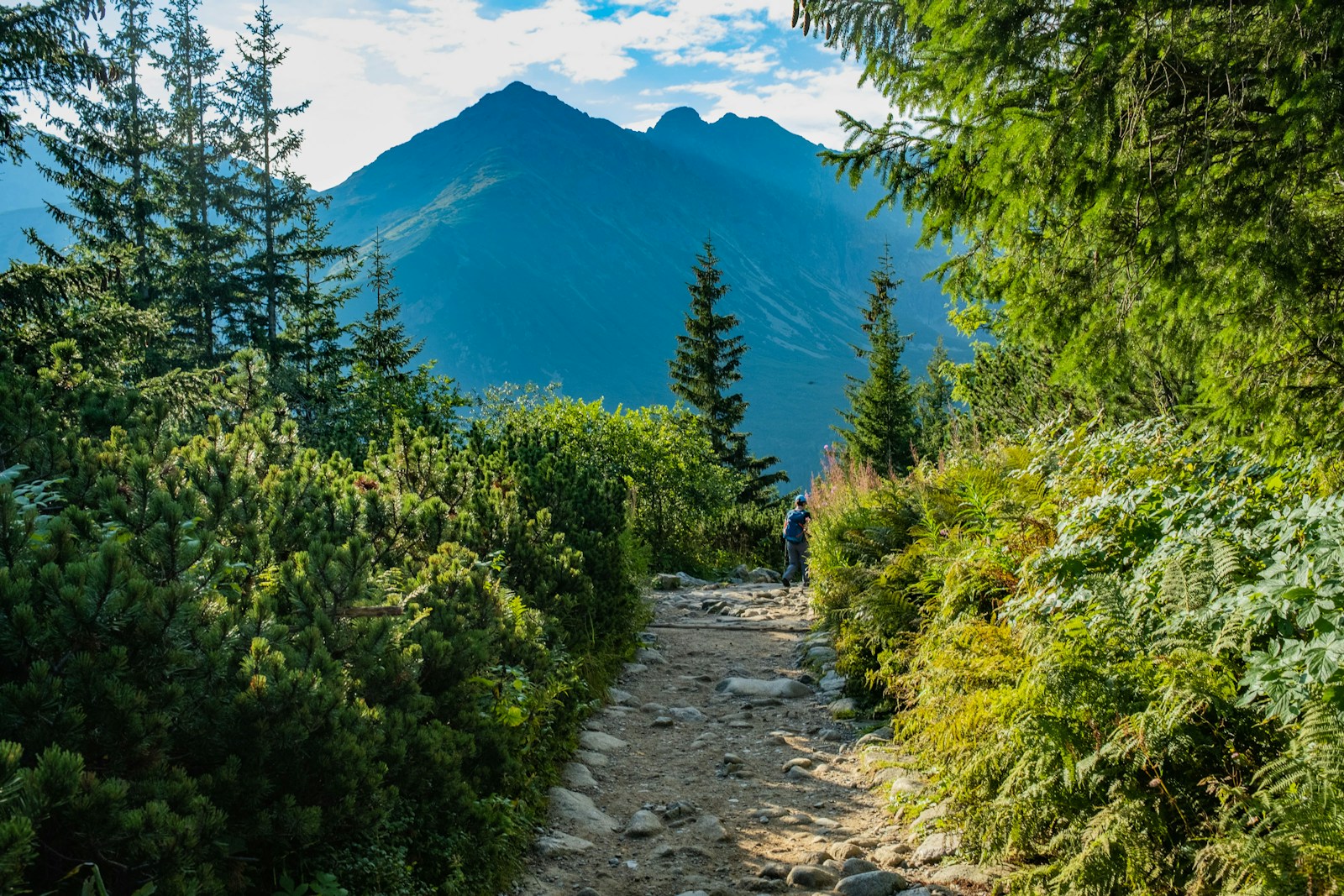
Packing smart saves you hassle. Focus on versatility. Here is a practical list:
- Lightweight Rain Jacket: Essential for both green season downpours and cloud forest mist.
- Hiking Sandals or Trail Shoes: Chacos or Tevas work for both hikes and beach days. Breaking in new shoes before the trip is a good idea.
- Quick-Dry Clothing: Synthetics or merino wool. Avoid heavy jeans, which take forever to dry and get uncomfortable.
- Reusable Water Bottle: Tap water is safe in Costa Rica, so a reusable bottle saves money and reduces plastic waste. A Nalgene or LifeStraw bottle works well.
- Insect Repellent with DEET: Mosquitoes are present, especially in rainforest areas. A 30% DEET repellent is effective. I recommend insect repellent.
- Waterproof Phone Pouch: For beach days and boat trips. A Joto or generic brand works fine.
- Daypack: A 20-30 liter pack is ideal for hikes, beach trips, and day tours.
What not to pack: Heavy jeans, expensive jewelry, heavy dress shoes, and too many shoes in general. You will be in casual clothes most of the time.
Wildlife Viewing: Where to See Monkeys, Sloths, and Toucans
Wildlife is a major draw for most visitors. Here is where to look for the main species:
- Monkeys: Howler, capuchin, and spider monkeys are common. Best spots include Manuel Antonio, Corcovado, and Carara National Park. Howlers are loud and easy to spot. Capuchins are active and curious. Spider monkeys are less common but present in Corcovado. Morning hours are best.
- Sloths: Both two-toed and three-toed sloths live along the coasts. Manuel Antonio and the Osa Peninsula are good bets. Visit a sloth sanctuary like the Sloth Sanctuary of Costa Rica near Cahuita for guaranteed sightings. Guided tours often use spotting scopes, which helps.
- Toucans and Quetzals: Toucans can be spotted in the lower canopy of rainforests, especially around feeding stations. For quetzals, Monteverde is the best place, especially during the breeding season (March to May). Hire a local guideâthey know where to look.
Practical tip: Carry a pair of binoculars. I recommend binoculars for bird watching. They are lightweight and have good clarity for wildlife spotting.
Rainforest Hikes: Arenal Volcano and Monteverde Cloud Forest
These two areas offer the best rainforest hiking experiences in the country.
Arenal: The Arenal 1968 Trail is the most popular, taking you through old lava flows with views of the volcano. The Cerro Chato Trail is a strenuous hike to a crater lake. For a less intense option, the La Fortuna Waterfall Trail is a short but steep walk. The Mistico Hanging Bridges park offers canopy-level walks. After a hike, the local hot springs (like Tabacón or Baldi) are a welcome relief. This area gets heavy rain, especially in the green season, so a good rain jacket is non-negotiable.
Monteverde: The Monteverde Cloud Forest Reserve has well-maintained trails that wind through misty forests. A guided night walk is essential for seeing frogs, insects, and nocturnal mammals. The Sky Walk and Sky Tram offer canopy-level views. Monteverde is windier and cooler, so pack a fleece or long-sleeve layer. Both areas require good hiking shoes and a hydration system. A hydrating day pack is a practical addition for long hikes.
Beaches of Costa Rica: Pacific Coast vs. Caribbean Coast
The two coasts are very different, and choosing the right one depends on what you want.
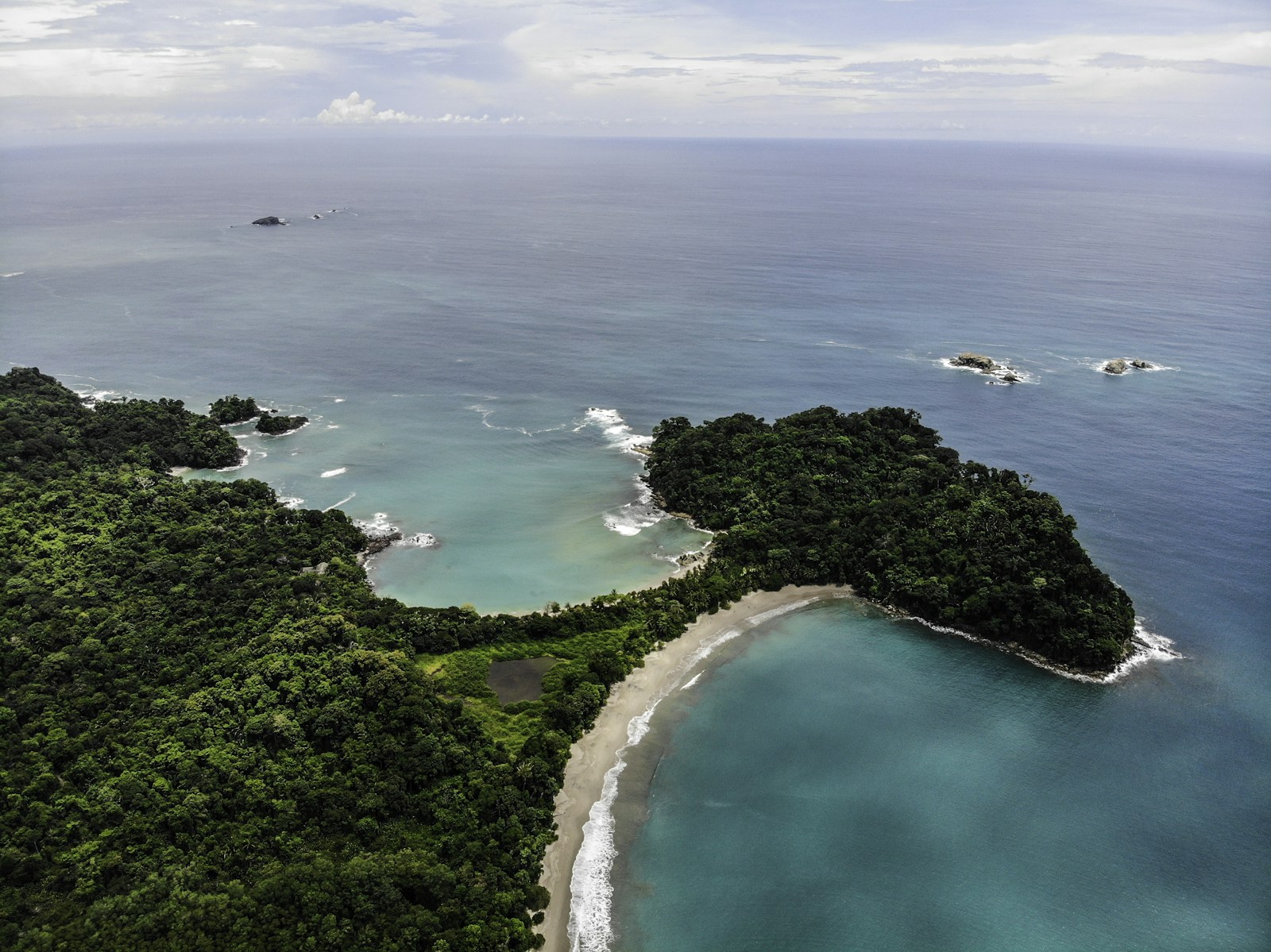
- Pacific Coast: This is the most visited coast. The northern Pacific (Guanacaste) has dry, white-sand beaches like Tamarindo, Flamingo, and Playa Conchal. These are family-friendly, with good infrastructure and calm waters. The southern Pacific (Dominical, Uvita, Pavones) is wilder, with darker sand and bigger waves. It is better for surfers and travelers seeking solitude.
- Caribbean Coast: Puerto Viejo is the main hub. It has a laid-back, reggae vibe, darker sand, and strong surf. The waters can be rougher, so it is less ideal for beginner swimmers. The food is excellent (Caribbean-style cuisine). Accessibility is limitedâit is a 4-hour drive from San José, and roads are curvy.
For most travelers, the Pacific coast is more accessible and offers a wider range of accommodations. The Caribbean coast is best for surfers, backpackers, and those seeking a different cultural experience. If your priority is sunbathing and calm waters, stick to Guanacaste. If you want to surf and party, Puerto Viejo is your spot.
Common Mistakes To Avoid On Your Trip
Here are the most common pitfalls I see travelers make:
- Not booking tours in advance: Popular tours (like Corcovado day trips, sloth sanctuary visits, or white-water rafting) fill up quickly, especially in dry season. Book at least a few days ahead.
- Underestimating travel times: Distances in Costa Rica are shorter than they appear on a map. An hour drive can take two due to road conditions, construction, and wildlife crossings. Add a buffer.
- Ignoring the rainy season: If you book a green season trip without rain gear, you will be miserable. Don’t assume the weather channel’s prediction is accurate.
- Not bringing enough cash: While cards are accepted in cities and tourist towns, smaller restaurants, souvenir shops, and park entry fees often require cash. ATMs are common but can be unreliable.
- Over-packing: You will wear the same few outfits. Leave the heavy jeans and dress shoes at home.
- Driving at night: Poor lighting, potholes, and wildlife (like armadillos and snakes) make night driving dangerous. Plan your travel between dawn and dusk.
Is Costa Rica Expensive? Budgeting and Cost-Saving Tips
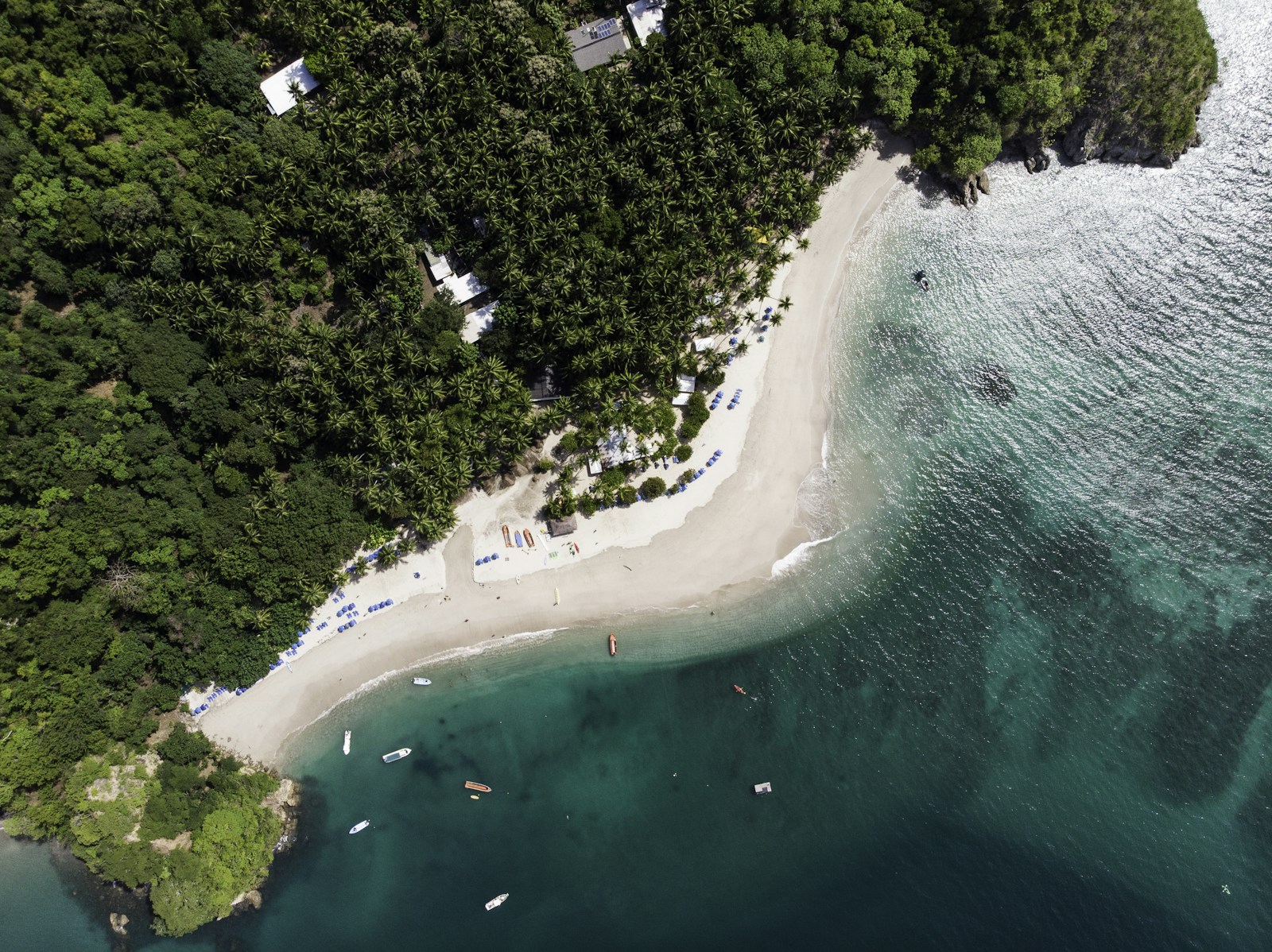
Costa Rica is not a budget destination compared to other Central American countries like Nicaragua or Guatemala. But it is also not as expensive as a European vacation. Here are typical costs:
- Accommodations: $50 to $300 per night. Hostels start at $25, eco-lodges at $100, and resorts at $200+.
- Food: $10 to $40 per day for meals. A typical lunch (casado) costs $8-$12. A sit-down dinner with a drink runs $15-$25.
- Tours: $60 to $150 per person for popular excursions like white-water rafting, canopy tours, or guided national park hikes.
- Transportation: $30 to $100 per day for a rental car, including insurance. Shuttles cost $20-$60 per person per leg.
Cost-saving tips: Cook meals in vacation rentals, visit free beaches, and book combo tours (e.g., combining a snorkeling trip with a boat ride).
Final Step: Ready To Book Your Costa Rica Trip?
Planning a trip to Costa Rica does not have to be overwhelming. Whether you need help with accommodations, tours, transportation, or creating a custom itinerary, Bob’s Travel Service can handle it. Contact us for a free consultation. We can put together a package that includes everything from car rentals to guided wildlife tours. View our custom Costa Rica itineraries or call us directly at 1-800-555-0199. Let us help you make this trip work.