Amsterdam Travel Guide: Canals, Culture, and Coffee Shops
Introduction
So, youâre planning a trip to Amsterdam. Good call. This city is one of those rare places that actually lives up to the postcards. But between the canals, the culture, and the coffee shops, thereâs a lot to figure out before you go. Thatâs where these Amsterdam travel guide highlights come in. Iâve been helping travelers navigate this city for years, and the difference between a good trip and a great one usually comes down to a few smart decisions made beforehand.
This isnât a list of vague recommendations. Youâll get practical, experience-based advice on what to see, where to stay, and how to avoid the most common rookie mistakes. By the end, youâll have a clear plan for a trip that feels balanced, enjoyable, and genuinely Dutch. Letâs get started.
Why Amsterdam Deserves a Spot on Your Travel List
Letâs be direct: Amsterdam isnât just a collection of pretty pictures. The city works. Itâs compact, incredibly walkable, and has a public transport system that actually makes sense. You can land at Schiphol, be in the city center within 20 minutes, and start exploring without any of the usual travel friction.
What makes it special isnât just the Golden Age architecture or the world-class museums. Itâs the everyday rhythm. Locals cycling to work, markets buzzing with activity, and the way the city feels alive without being overwhelming. That said, itâs also busy. Peak tourist season (April through August) means crowded streets and higher prices. But even then, the cityâs layout means you can find a quiet corner if you know where to look.
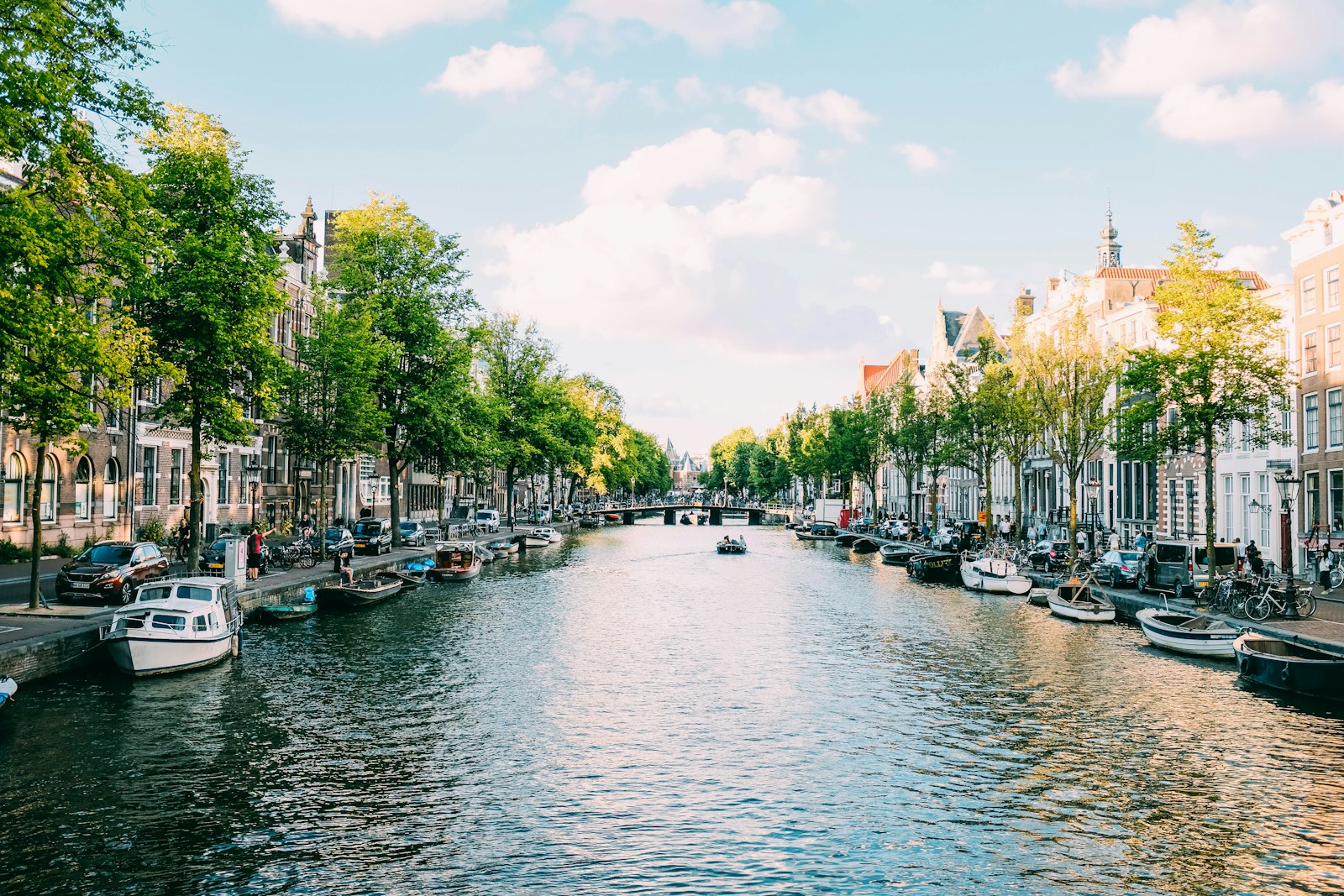
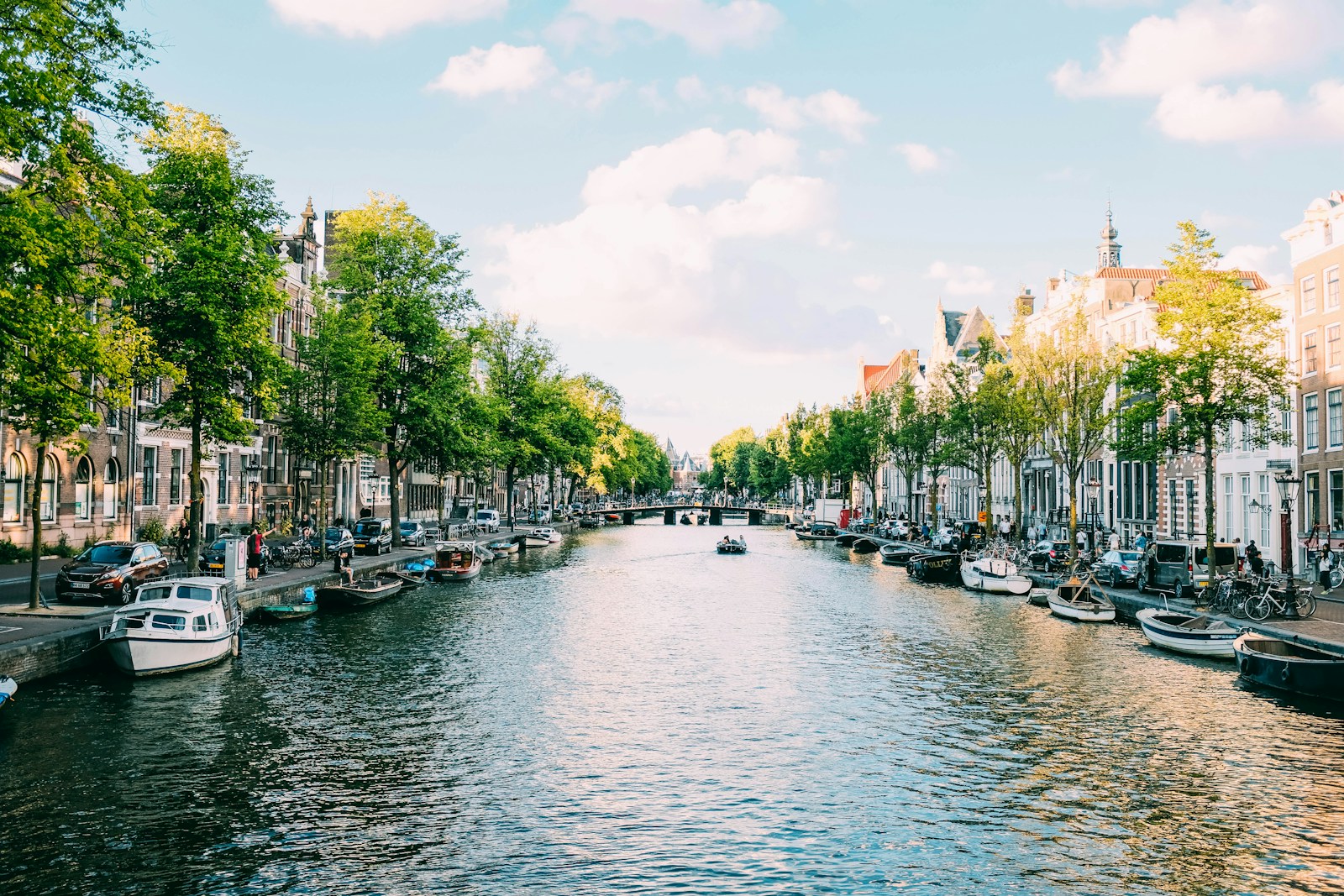
The canals are the backbone of the city. They create a sense of order and beauty thatâs hard to replicate. And yes, the coffee shops are a unique cultural experience, but theyâre just one small part of a much bigger picture. Once you understand that, youâre ready to plan a trip that feels authentic.
How to Get Around Amsterdam: Walk, Bike, or Boat
Getting around Amsterdam is straightforward, but there are tradeoffs with each option. Hereâs the breakdown.
Walking
Most of the main attractions are within a 30-minute walk of each other. Walking lets you stumble onto hidden courtyards (called hofjes), independent shops, and tiny cafes youâd miss otherwise. The downside? Your feet will ache by day three. Travelers who plan to cover a lot of ground on foot may want to consider a pair of high-quality travel walking shoes for extra cushioning and support.
Biking
Renting a bike is the most authentic way to move around, but itâs not for everyone. The bike lanes are busy, and locals ride with a certain aggressive efficiency. If youâre not confident on two wheels, stick to walking and trams. If you do rent, choose a reputable shop that includes a sturdy lock. Bike theft is a real problem here. Never leave your bike unlocked, even for a minute.
Trams and Metro
The GVB network (trams, buses, and metro) is excellent. Buy a multi-day pass from any metro station or ticket machine. It covers all GVB services and saves you the hassle of individual tickets. Trams are especially useful for reaching Museumplein and the more residential neighborhoods.
Canal Boats
A canal cruise isnât just a tourist trap. Itâs genuinely one of the best ways to see the cityâs unique layout. Opt for a small-boat tour rather than the big, glass-topped boats. They can navigate narrower canals and offer a more intimate experience. Plus, it gives your legs a rest after a day of walking.
Best Areas to Stay in Amsterdam (and Where to Avoid)
Where you stay defines your entire trip. Hereâs the honest breakdown.
Centrum (The City Center)
Best for: First-time visitors who want to be in the middle of everything. Youâll be steps from Dam Square, the Royal Palace, and the main shopping streets. The tradeoff? Noise. Some streets are loud until late, especially near the Red Light District. Avoid hotels directly on Warmoesstraat if you value sleep.
Jordaan
Best for: Couples and travelers who want charm. This neighborhood is full of narrow streets, independent boutiques, and cozy brown cafes. Itâs quieter than Centrum but still central. Expect higher prices for smaller rooms.
De Pijp
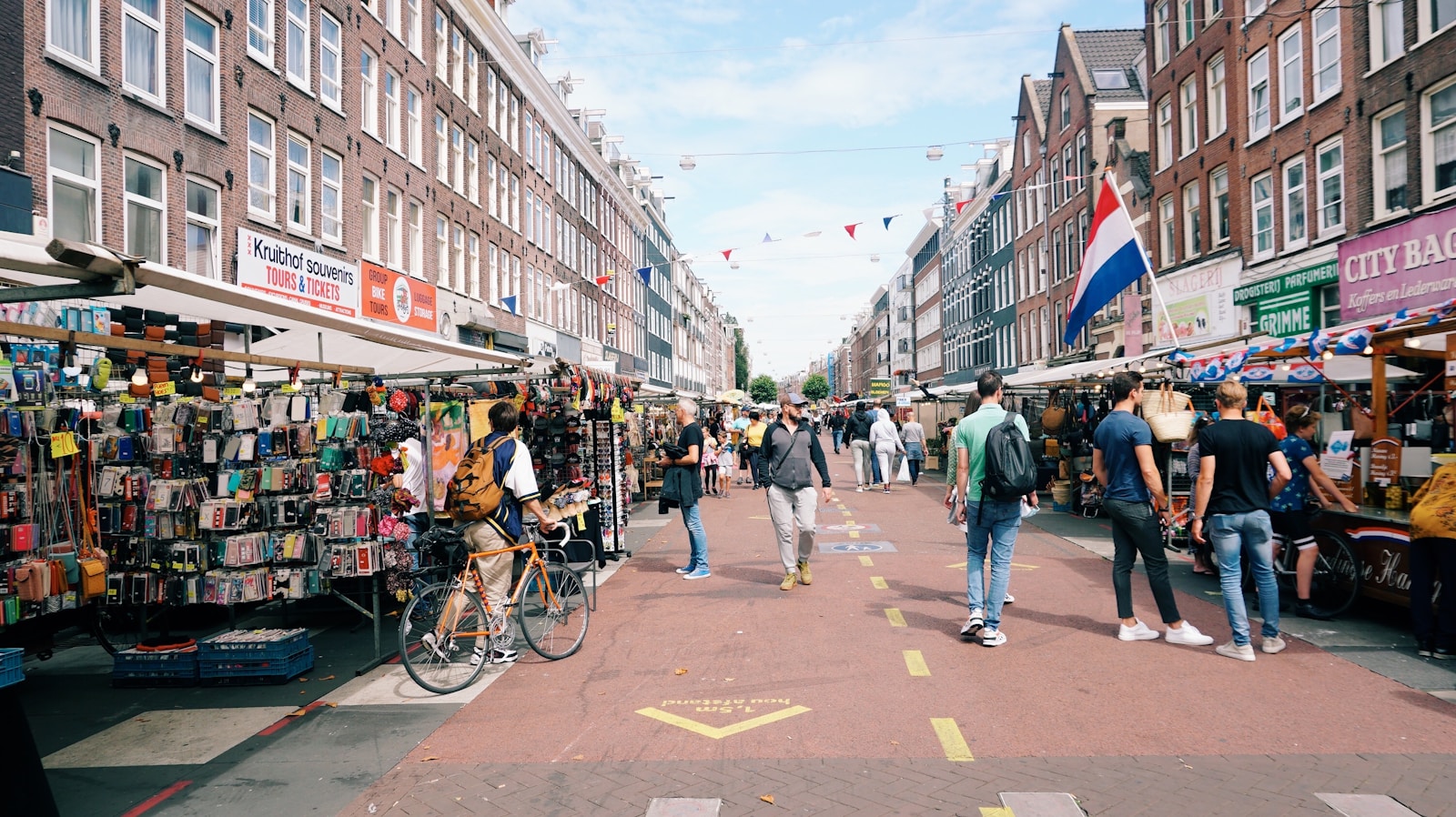
Best for: A local vibe. This is where Amsterdammers actually live. The Albert Cuypmarkt is a fantastic street market, and the food scene is excellent. Itâs a 15-minute tram ride to the center. Good value for money.
Oud-West
Best for: Budget-conscious travelers. This area is up-and-coming, with plenty of affordable hotels and great restaurants. Itâs a bit further out, but trams connect it quickly. A good option if youâre on a tighter budget.
Where to be careful: The immediate area around Centraal Station and some streets in the Red Light District can be chaotic and overwhelming, especially at night. Families with young children should consider quieter neighborhoods.
Before booking, check for a few things: Does the hotel have an elevator? Amsterdam is famous for steep, narrow stairs. Is the room on a canal? Canal views are lovely, but the associated noise and smaller windows can be a tradeoff. Book early. Good hotels sell out months in advance. If you need a solution for navigating those steep stairs, a lightweight travel luggage scale can help you keep your bags within weight limits for easy carrying.
Must-See Museums: Which Ones Are Actually Worth the Queue
Amsterdam has world-class museums, but you canât see them all in one trip. Hereâs the real talk.
Rijksmuseum
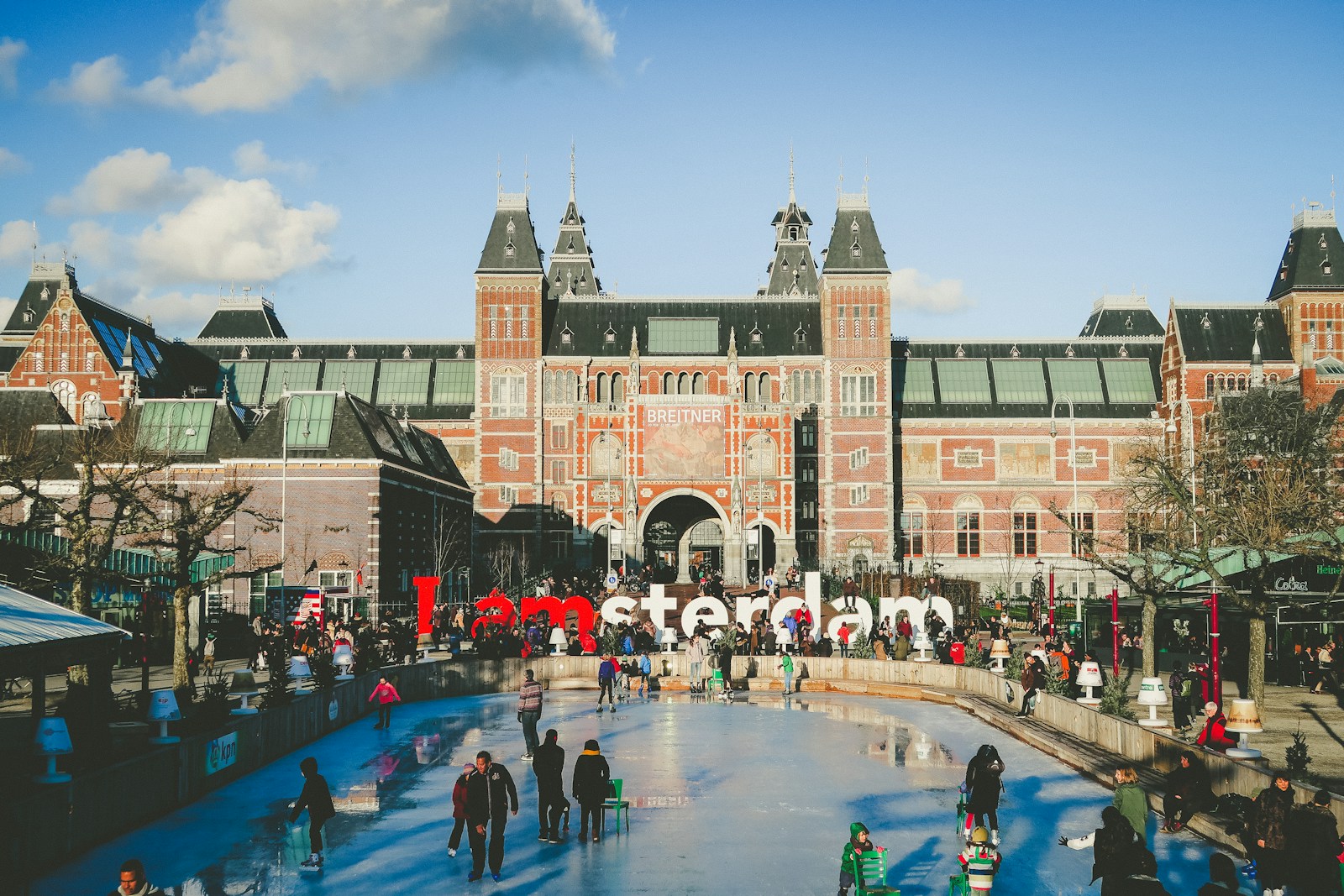
This is the big one. Home to Rembrandtâs Night Watch and a sweeping collection of Dutch Golden Age paintings. Plan for at least two to three hours. Book tickets online in advance. The museum shop is excellent, by the way.
Van Gogh Museum
Adjacent to the Rijksmuseum, this is a must for art lovers. The collection is comprehensive, covering Van Goghâs entire career. Allow one to two hours. Pre-booked tickets are essential. The museum gets extremely busy by mid-morning.
Anne Frank House
This is a deeply moving experience, but itâs also the most logistically challenging. Tickets are released online exactly six weeks in advance and sell out within hours. If you miss out, there are often same-day tickets available from 9:00 AM, but youâll need to be quick. The experience is sobering and crowded. If youâre sensitive to crowds, consider visiting later in the day.
Stedelijk Museum
Modern and contemporary art. Worth a visit if youâre into that scene, but itâs the easiest to skip if time is tight.
Pro tip: Buy the I Amsterdam City Card if you plan to visit multiple museums. It includes entry to most major ones and covers public transport. Do the math before buying; itâs only worth it if youâll visit three or more.
Canal Cruise vs. Walking Tour: Which Gives You More
Both are great, but they serve different purposes.
Canal Cruise
A canal cruise gives you a phenomenal perspective on Amsterdamâs layout. Youâll see the iconic gabled houses from the water, understand how the canals connect, and get a feel for the cityâs scale. Itâs also a welcome break for tired feet. I recommend a one-hour cruise from Those Dam Boat Guys. Their small-group tours are more personal and fun than the big boats. They use electric boats, so theyâre quiet and eco-friendly.
Walking Tour
A walking tour offers deep historical context. Youâll learn about the cityâs rise to global power, see hidden courtyards (hofjes) that most tourists miss, and get local stories that no guidebook covers. A free walking tour (tip-based) is a good starting point. They cover the basics efficiently.
The best approach: Do a one-hour canal cruise on your first day to orient yourself. On day two, take a focused walking tour of the Jordaan or the area around the museums. Youâll end up with a well-rounded understanding of the city.
How to Approach Amsterdamâs Coffee Shop Culture
This is a point of confusion for many first-time visitors. Letâs clear it up.
Coffee shops sell cannabis. They do not sell coffee. If you want a cappuccino, head to a cafe. The legal age is 18, but many shops enforce a stricter 21+ policy. Bring your passport or ID. You cannot smoke cannabis in public areas, including streets and parks. Stick to the designated coffee shop.
For beginners, start with a mild strain. Dutch weed is famously strong. Ask the budtender for something low-THC. Reputable shops include Dampkring (featured in Oceanâs 12) and Barneyâs. Both have knowledgeable staff and clean environments.
What to avoid: Shops near Centraal Station. Many are tourist traps with lower quality and higher prices. If youâre not interested in cannabis, thatâs perfectly fine. Amsterdam has plenty of cafes, bars, and restaurants where you can enjoy a drink and soak up the atmosphere without any of it.
What to Pack for Amsterdam (The Smart Travelerâs List)
Amsterdamâs weather is famously unpredictable. Prepare for anything.
- Waterproof jacket: Crucial. Rain is frequent, and umbrellas are awkward in the wind. A good raincoat is your best friend.
- Comfortable walking shoes: Youâll walk a lot. Donât bring new shoes. Break them in beforehand.
- Daypack: Small, secure backpack for essentials. Keep valuables close in crowded areas.
- Power adapter: The Netherlands uses Type C and F plugs. Youâll need an adapter for US or UK devices. A multi-country travel adapter is a practical solution for universal travel adapter needs.
- Reusable water bottle: Tap water is excellent. Fill up at any public fountain. It saves money and reduces plastic waste.
- Scarf and gloves: Essential from October to April. The wind can be biting.
- Sunscreen: Yes, even in summer. The sun can be strong, especially near the water.
- Crossbody bag: If youâre biking, a crossbody bag is more stable and secure than a backpack.
Common Mistakes First-Time Visitors Make (And How to Avoid Them)
Here are the most frequent errors I see, and how to avoid them.
- Not booking Anne Frank House tickets in advance. This is the number one mistake. Book exactly six weeks ahead or you risk missing out entirely.
- Trying to see too much in one day. The city is compact, but over-planning leads to burnout and frustration. Aim for two to three activities per day, with time for wandering.
- Using taxis. Too expensive and often stuck in traffic. Trams are faster and much cheaper.
- Walking in bike lanes. This is dangerous and will get you yelled at. Stay on the sidewalk and look both ways before crossing bike lanes.
- Eating on Damrak. The restaurants on this main drag are overpriced and underwhelming. Walk five minutes in any direction for better food at lower prices.
- Expecting coffee shops to serve coffee. They donât. Head to a cafe for your morning brew.
- Ignoring the I Amsterdam City Card. If youâre visiting multiple museums and using public transport, it pays for itself in two days.
A 3-Day Amsterdam Itinerary: Balanced Highlights
Hereâs a realistic plan that covers the essentials without burning you out.
Day 1: Arrival and Orientation
Land, drop your bags, and head straight to a canal cruise. A one-hour tour gives you a great overview. Afterward, wander through the Jordaan. Grab lunch at a traditional Dutch pancake house (Pancakes! Amsterdam is solid). Spend the afternoon exploring the neighborhood. In the evening, find a brown cafe for a beer and some bitterballen.
Day 2: Museums and Parks
Book a morning slot at the Rijksmuseum or Van Gogh Museum (choose one, not both). Spend three hours there. Walk across the street to Vondelpark and enjoy the green space. Grab a stroopwafel from a street stall. In the afternoon, visit the Anne Frank House (if you have tickets). Dinner in De Pijp for a more local atmosphere.
Day 3: Markets and Flexibility
Start with a visit to a coffee shop (if thatâs your interest). Then head to Albert Cuypmarkt for street food and local goods. Spend the afternoon doing whatever you missed or revisit a favorite spot. A free walking tour works well here. End the day with a final walk along the canals. If you have energy, consider a food tour to sample local specialties.
This itinerary is flexible. Adjust based on your interests. If you hate museums, swap day two for a bike ride through the countryside.
Final Tips Before You Book
Youâre almost ready. A few final pieces of advice.
Book your accommodation as early as possible. The best places go quickly. Consider a travel card for public transport if youâre staying more than two days. Learn two Dutch phrases: dank u (thank you) and alstublieft (please). Itâs appreciated. Be prepared for stairs in your hotel. Most buildings here have steep staircases.
When youâre ready to lock in your bookings, reach out to Bobâs Travel Service. We can handle flights, hotels, and tours, making sure everything is sorted before you go. Safe travels, and enjoy Amsterdam.