
New York City Travel Guide for Budget Travelers: Smart Tips for an Affordable Trip
Introduction
New York City has a reputation for being expensive, and honestly, parts of it are. But a trip here doesnât have to drain your savings. You just need to know where the value is. This new york budget travel guide is built around real, practical ways to experience the city without blowing your budget. Iâve been helping travelers navigate this city for years, and I know the shortcuts that actually workâand the ones that donât. Whether itâs finding a decent room for under $150 a night, figuring out which attractions are worth your money, or eating like a local for pocket change, this guide covers the planning you actually need. Letâs get into it.

When to Visit NYC on a Budget: Timing Your Trip Right
Timing is everything when it comes to saving money in New York. The biggest factor isnât which attractions you chooseâitâs when you show up. Hereâs a realistic breakdown of the seasons.
High season (June through August and December holidays) brings peak crowds and peak prices. Hotel rooms in Manhattan can easily double or triple in cost. Flights from most U.S. cities hit their highest fares. Youâll wait in long lines at popular spots, and the summer humidity can be brutal. If you can avoid these months, youâll save significantly.
Shoulder seasons (April through May and September through November) strike a nice balance. The weather is pleasant, crowds are manageable, and prices are more reasonable. September and October are particularly goodâthe city feels active without being overwhelming. Youâll still want to book ahead, but you wonât be competing with summer vacationers.
Low season (January through March, excluding the first week of January) is where the real bargains live. Hotels slash rates, flights drop, and many attractions have shorter lines. The tradeoff is cold weatherâtemperatures often hover in the 30s and 40sâand fewer outdoor events. But if youâre fine bundling up and focusing on indoor activities, this is your sweet spot. Iâve seen hotel rooms in the Financial District go for under $100 a night in late January. Just avoid the week between Christmas and New Yearâs, which is still peak pricing.
Bottom line: if you have flexibility, aim for late January through early March for the best deals. If you need milder weather, book for September or October. Either way, booking at least 6-8 weeks out helps lock in lower rates.
Where to Stay in New York City Without Breaking the Bank
Your biggest single expense will likely be accommodation, so choosing your neighborhood carefully matters. You donât need to stay in the heart of Times Square to have a great trip. In fact, staying there often means paying a premium for noise and crowds.
Here are budget-friendly areas that give you good value and easy subway access:
- Long Island City (LIC), Queens: This is my top pick for budget travelers. Itâs just one stop from Midtown Manhattan on the 7 train, and you can find clean, modern hotels for significantly less than comparable rooms in Manhattan. The area has plenty of restaurants and waterfront parks. Itâs a no-brainer for most people.
- Astoria, Queens: Slightly farther out but with a great food scene and a more local feel. The N and W trains get you to Manhattan in about 20 minutes. Youâll find smaller hotels and a good number of short-term rentals here.
- Upper West Side: This Manhattan neighborhood is a bit quieter and less touristy than Midtown. You can sometimes find reasonable rates at smaller hotels or older buildings. Itâs near Central Park and the American Museum of Natural History, which is convenient if those are on your list.
- Brooklyn (Williamsburg or Bushwick near subway lines): Brooklyn offers a different energy and often lower prices. Williamsburg is trendy and has great bars and restaurants, while Bushwick is more affordable but requires a longer commute. The L train gets you to Manhattan in about 20-30 minutes.
For accommodation types, hostels are the cheapest option, with dorm beds starting around $50-70 a night. Brands like HI NYC and The Local NY are reliable. Budget hotels like Pod Hotels or YOTEL offer small but efficient rooms that work well for solo travelers or couples who donât plan to spend much time in their room. Short-term rentals on platforms like Airbnb or Vrbo can also save money, especially for groups or longer stays, but watch for cleaning fees and service charges.
Whatever you choose, make sure youâre within a 10â15 minute walk of a subway station. Being far from transit negates any savings.
Getting Around NYC on a Budget: Subway, Walking, and More
The subway is your best friend for budget travel in New York. A single ride costs $2.90, but youâll get better value with an unlimited pass. The 7-day unlimited MetroCard or OMNY card costs $34 and pays for itself if you take more than 12 rides in a week. Given that most travelers will use the subway at least twice a day, itâs almost always worth it.
Taxis and ride-shares like Uber and Lyft are expensive and often slower than the subway, especially during rush hour. A short ride across Manhattan can cost $15-25. Reserve taxis only for late-night trips when the subway isnât running, or when youâre traveling in a group and can split the fare.
Walking is another primary strategy. Manhattan is a small island, and many attractions are surprisingly close together. I often tell people to plan walking segments of 20â30 minutes between sites. Youâll see more, save money, and avoid the stress of navigating transit. Just wear comfortable shoesâyouâll easily log 8â10 miles a day. Travelers who need reliable footwear for all that walking might want to check out a good pair of walking shoes that can handle the pavement.
The NYC Ferry is a budget-friendly scenic option. It costs the same as a subway ride ($2.75) and offers great views of the skyline. Routes run from various points in Brooklyn, Queens, and the Bronx to Lower Manhattan and Midtown. Itâs a practical way to get between neighborhoods and a sightseeing bonus rolled into one.
For safety and convenience, consider an anti-theft bag that you can wear cross-body under your jacket. Bags like the Travelon Classic Messenger or the Pacsafe Citysafe line offer cut-proof straps and RFID blocking. Theyâre a small investment that protects your wallet and phone on crowded trains. If you are dealing with pickpocket concerns, an anti-theft travel bag can add an extra layer of peace of mind.
Free and Cheap Things to Do in New York City
You donât need a big budget to see the best of NYC. Some of the most memorable experiences cost nothing at all. Hereâs a breakdown of whatâs worth your time.
Central Park: Obvious but essential. Spend an afternoon walking through the Ramble, watching the skaters at Wollman Rink (in winter), or just sitting on a bench near Bow Bridge. Itâs free and offers a peaceful break from the city noise. Best for: anyone who needs a break from pavement.
The High Line: This elevated park built on old railroad tracks runs from the Meatpacking District to Hudson Yards. Itâs a unique perspective on the city and free to walk. Go early morning or late afternoon to avoid the heaviest crowds. Best for: a quick, scenic walk with photo ops.
Staten Island Ferry: This is the best free activity in NYC. The 25-minute ride gives you stunning views of the Statue of Liberty, Ellis Island, and the Lower Manhattan skyline. It runs 24/7, so you can catch it at sunset for the best light. Donât forget your camera. Best for: anyone who wants to see the Statue of Liberty up close without paying for a boat tour.
Museums with pay-what-you-wish hours: The Metropolitan Museum of Art, the American Museum of Natural History, and the Museum of Modern Art (MoMA) all have pay-what-you-wish times or suggested donation policies. For the Met and AMNH, itâs a policy for New York state residents, but out-of-state visitors can still take advantage of free or reduced entry on specific days. Check each museumâs website for current hours. Best for: art and history lovers who want to save.
Free walking tours: Companies like Free Tours by Foot offer tip-based walking tours. They donât charge upfront, but guides expect a tip (usually $10â20 per person). You get a knowledgeable guide and a structured walk through neighborhoods like Greenwich Village or Brooklyn Heights without a fixed fee. Best for: first-time visitors who want context without a set price.
Cheap activities: Explore Chelsea Market (free to walk through, though tempting to spend), wander DUMBO in Brooklyn for cobblestone streets and bridge views, or visit Smorgasburg on weekends for a food market experience where you can sample small portions for a few dollars. These are free to enter and easy to spend an hour or two.
Where to Eat in NYC on a Budget: Best Cheap Eats
Eating well in NYC on a budget is not only possibleâitâs a tradition. You donât need to sit down at a white-tablecloth restaurant to eat amazing food. Hereâs where to look.
Dollar pizza slices: Theyâre not fancy, but theyâre filling and cost around $1â3 per slice. Look for places like 2 Bros Pizza or other local slice joints. Theyâre everywhere, but avoid the ones right in Times Square, which often charge more.
Halal carts: Youâll see these street vendors on almost every corner. A chicken and rice platter with white sauce and hot sauce costs about $6â8 and is a meal in itself. The original Halal Guys at 53rd and 6th is famous, but local carts are just as good and cheaper.
Chinatown dumplings: Head to places like Joeâs Shanghai or Tasty Dumpling for soup dumplings starting around $5 for eight. Theyâre filling and delicious. Cash is king hereâmany spots donât take cards.
Ethnic enclaves: Curry Row on East 6th Street in the East Village has several Indian restaurants offering lunch buffets for $10â12. Flushing, Queens, has incredible Chinese and Korean food for similar prices. If youâre near Little Italy, walk one block over to Mulberry Street for authentic Italian delis with sandwiches under $10.
Avoid tourist traps in Times Square: Restaurants in this area are overpriced and underwhelming. Walk a few blocks east or west to find better food at half the price. Also, skip street vendors selling whole hot dogsâthose are generally lower quality than the halal carts.
To save even more, carry a reusable water bottle. NYC tap water is safe and good-tasting, and you can refill at any restaurant or public fountain. It saves you from spending $2â3 on bottled water multiple times a day. A reusable water bottle that is leak-proof and easy to carry is a simple way to reduce daily costs.
Money-Saving Tips for Attractions and Shows
You donât have to pay full price for Broadway shows or major attractions. There are legitimate ways to save.
Broadway tickets: The TKTS booth in Times Square (and a second location at Lincoln Center) sells same-day tickets at 20â50% off. Lines can be long, so go early and have a few shows in mind. Some shows also offer rush tickets (like $30â40) or digital lotteries for a chance at cheap seats. Check TodayTix for a convenient app-based option. Just avoid buying from scalpers outside theaters.
Museum passes: Many museums offer free admission on certain days or evenings. For example, the Museum of Modern Art has free admission on Friday evenings. The Met is pay-what-you-wish for New York state residents, but out-of-state visitors can still get free admission on specific days. Research in advance.
City passes: The New York CityPASS and Go City pass offer bundled entry to multiple attractions at a discount. The Explorer Pass lets you pick a certain number of attractions from a list. These make sense if you plan to visit 3 or more paid attractionsâlike the Empire State Building, One World Observatory, and a museum. However, theyâre not worth it if you only want one or two big sights. Compare the cost of individual tickets against the pass before buying.
Warning: Avoid any offer that requires you to sit through a timeshare presentation. These are common near tourist areas and are almost never worth the discount they promise.
Common Budget Travel Mistakes in NYC and How to Avoid Them
Even experienced travelers make these mistakes. Recognize them ahead of time.
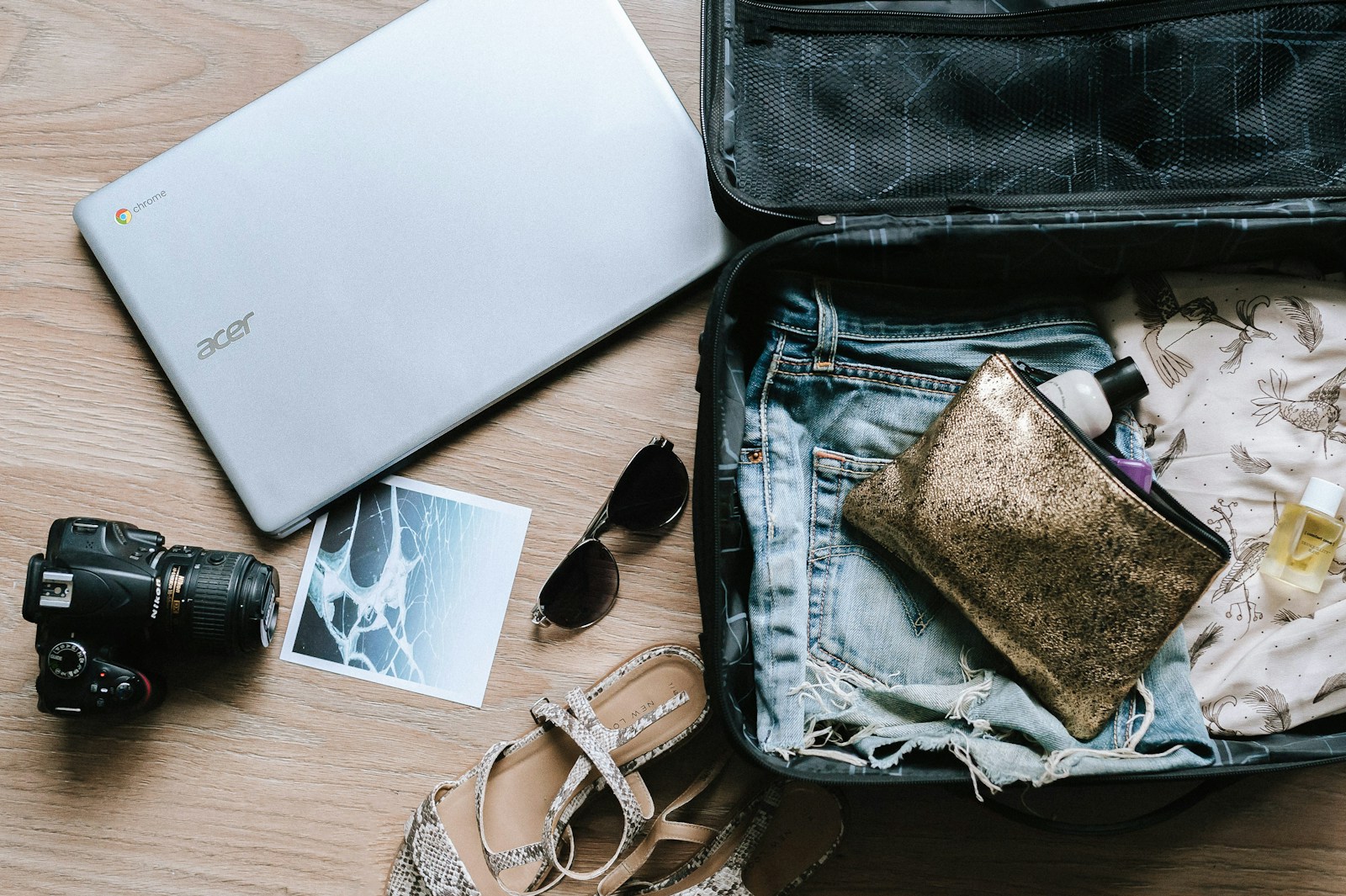
- Overpacking: Bring a small carry-on and a daypack. Checked luggage fees on budget airlines add $30â60 each way, and you donât need that many clothes for a 4-day trip. Choose layers that mix and match.
- Eating in Times Square: The restaurants here are overpriced and mediocre. Walk a few blocks east or west to find better food for less.
- Buying last-minute tickets: Same-day Broadway tickets at TKTS are fine, but for museums or popular attractions, booking in advance is cheaper and avoids disappointment. Last-minute prices at physical ticket counters are usually higher than online.
- Staying too far from transit: Saving $30 a night on a hotel thatâs a 30-minute bus ride from the nearest subway adds commuting time and frustration. Youâll waste hours and potentially spend more on transit.
- Not checking hidden fees: Hotels in NYC often charge a âresort feeâ or âdestination feeâ of $20â40 per night. Check the total price before booking. Airbnb rentals may have cleaning fees that push the cost up significantly. Read the fine print.
Packing Smart for a Budget Trip to New York City
What you pack can directly affect your budget. Focus on items that save you money and reduce hassle.
Comfortable walking shoes: This is non-negotiable. Buy a good pair of broken-in walking shoes before you go. I recommend the New Balance Fresh Foam series or Sketchers Go Walk for all-day comfort. Theyâre reasonably priced and widely available.
Layers: NYC weather changes quickly. A t-shirt, a fleece, and a waterproof shell will cover most conditions. This lets you adapt without buying a jacket you donât need.
Daypack: A lightweight, compact daypack with a water bottle pocket is essential. Look for one that folds flat when not in use, like the Osprey Daylite or the Matador Beast28. Itâs useful for carrying layers, snacks, and water as you explore.
Travel adapter: If youâre coming from outside the U.S., bring a plug adapter. A universal one covers multiple countries and costs around $15â20 on Amazon.
Refillable water bottle: As mentioned earlier, this saves you $5â10 a day easily. Get one thatâs leak-proof and fits in a side pocket of your daypack.
Snacks: Pack some energy bars, nuts, or dried fruit in your luggage. Theyâre great for in-between meals and save you from buying overpriced snacks at tourist spots.
How to Save on Flights to New York City
Your flight is likely the second-largest expense after accommodation. Hereâs how to minimize it.
Use fare alerts: Set up price alerts on Google Flights, Skyscanner, or Kayak. Youâll get emails when prices drop. This is the single most effective way to catch a deal.
Book in advance: For domestic travel, booking 4â8 weeks ahead usually gets the best prices. For international, book 2â4 months out. Last-minute deals exist but are rare for NYC.
Consider all airports: New York has three major airportsâJFK, LGA, and EWR (Newark). JFK and LGA are both within about 30â45 minutes of midtown by taxi or transit. Newark is about the same but can be cheaper for some routes. Donât overlook nearby airports like SWF (Stewart/Newburgh) or ISP (Islip), which are farther out (60â90 minutes) but often significantly cheaper. You can take a bus or train into the city for around $20â30.
Compare budget airlines: Airlines like Spirit, Frontier, and JetBlue often have low base fares, but watch for fees on baggage, seat selection, and carry-ons. JetBlue is generally the most reasonable with fees, while Spirit can end up costing more if youâre not careful. A full-service carrier like Delta or American might be worth the extra $50 if it includes a bag and seat assignment.
Be flexible with dates: Flying midweek (Tuesday or Wednesday) is usually cheaper than weekends. Early morning or late-night flights also tend to be lower. Use the âflexible datesâ feature on flight search sites.
Budget-Friendly Day Trips from NYC
You donât need to spend much to get out of the city for a day. These options are all accessible by subway or bus and cost little to nothing.
Coney Island: Take the D, F, N, or Q train to Coney IslandâStillwell Avenue. The ride takes about 40â50 minutes from Midtown. Once there, you can walk the boardwalk for free, visit the beach (in warm weather), and see the famous Cyclone roller coaster. You can also eat at Nathanâs Famous for a cheap hot dog. The aquarium costs money, but the area itself is free to explore.
Rockaway Beach: Take the A train to the Rockaways. Itâs about an hour from Penn Station. The beach is free, and there are boardwalks and cafes. Itâs a quieter alternative to the more crowded Coney Island.
Brooklyn Bridge walk: Walking across the Brooklyn Bridge is free and takes about 30â40 minutes. Start from City Hall in Manhattan and end in DUMBO, Brooklyn, where you can explore the park and get great photos of the skyline. Itâs a classic experience that costs nothing.
Is a City Pass Worth It for Budget Travelers?
City passes can be a good value if you plan to visit multiple paid attractions. But theyâre not automatically a savings.
New York CityPASS: This pass includes 5 attractions from a curated list (like Empire State Building, MoMA, 9/11 Memorial & Museum, etc.) for around $134 for adults. Itâs a good deal if youâd visit at least 3 of those attractions individually. The pass covers admission, so you skip ticket lines in some cases.
Go City Explorer Pass: This lets you choose between 2 and 6 attractions from a larger list. Prices start around $70 for 2 attractions. Itâs more flexible than the CityPASS but can be more expensive if you only want a few specific things.
When to buy: If your itinerary includes 3 or more of the high-cost attractions (Empire State Building, MoMA, 9/11 Museum, Statue of Liberty ferry), the pass usually saves you 15â25%. If youâre only interested in one or two big attractions plus mostly free activities, skip it. Do the math for your specific plans.
Final Tips for an Affordable NYC Trip
To sum it up: plan around the off-season, stay near a subway in an outer borough, use the unlimited MetroCard, eat from carts and Chinatown, and prioritize free attractions. Those five strategies alone can cut a significant portion of your total cost. Avoid tourist traps like Times Square restaurants and oversized souvenir stores. And always check for hidden fees before booking anything.
Now that you have the blueprint, itâs time to put it into action. Ready to plan your trip? Contact Bobâs Travel Service for personalized booking help. We can handle flights, hotels, and even find you the best city pass dealsâall tailored to your budget.