Marrakech Travel Guide: Souks, Deserts, and Riads
What to Know Before You Go: Essential Logistics
Before you get lost in photos of riads and sunsets over the dunes, let’s cover the basics. Most visitors from the US, UK, Canada, and Australia don’t need a visa for stays under 90 days. Your passport needs at least six months of validity. The currency is the Moroccan dirham (MAD). It’s a closed currency, meaning you can’t get it outside of Morocco. Exchange at the airport or a bank in the medina, and skip the guys on the street offering a better rate.
The best times to visit are spring (March to May) and fall (September to November). Summer is brutally hot, and winter nights in the desert are genuinely cold. Pack a lightweight scarf for sun protection and modesty when entering mosques or riads. Bargaining is expected in the souks, not in fixed-price shops. Learn a few words of French or Arabic â even a simple ‘salam alaikum’ goes a long way. For getting from the airport, a petit taxi into the medina costs around 70â100 MAD. Always agree on the fare before getting in. A breathable travel scarf and a universal power adapter are two things you will actually use.
Where to Stay in Marrakech: Riad vs. Hotel
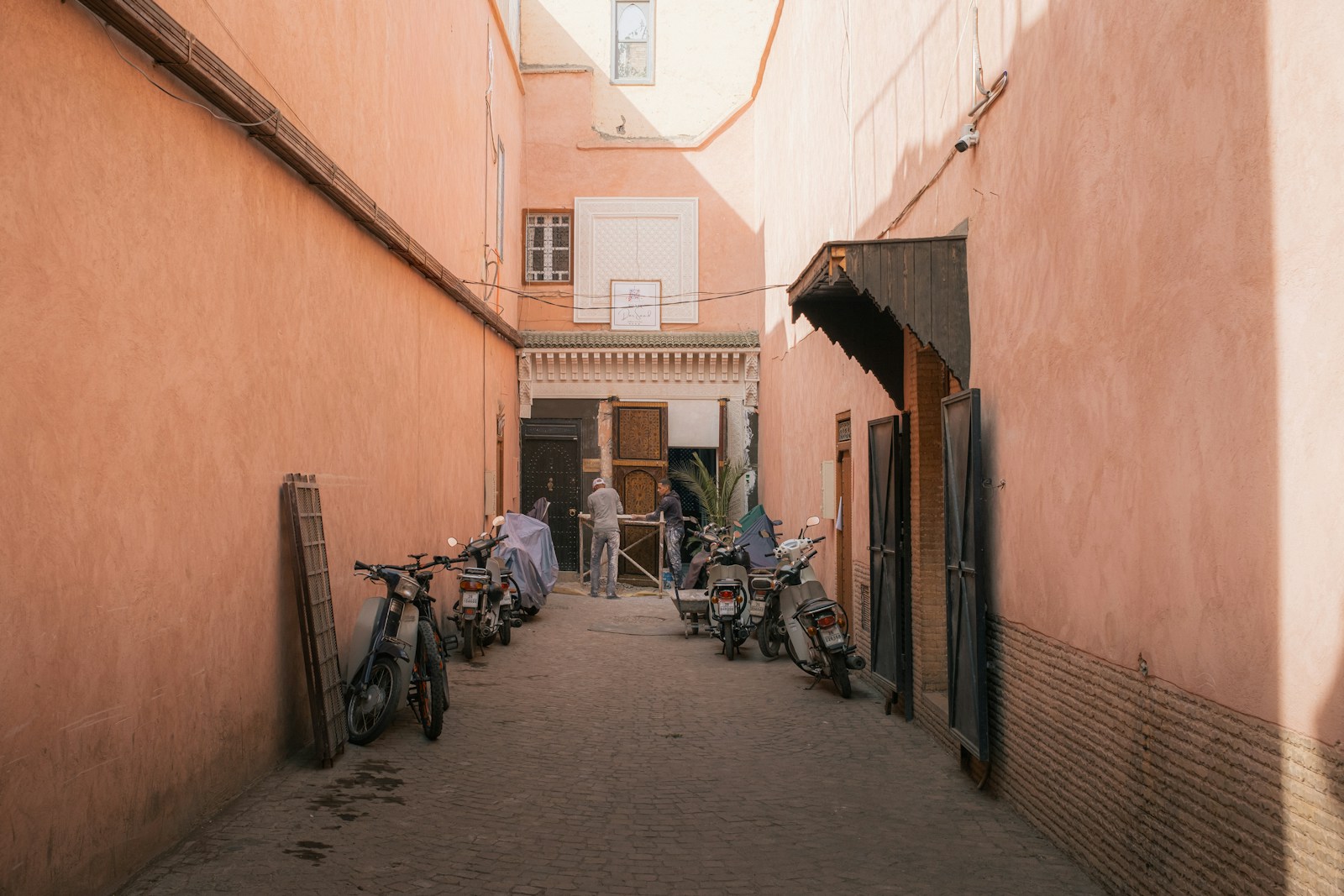
This is the biggest decision you will make for your trip. A riad is a traditional Moroccan guesthouse built around an interior courtyard, usually in the medina. A hotel is what you expect â modern, with a lobby, pool, and often in the newer parts of town like Gueliz or Hivernage.
Riads: You get an immersive experience. The architecture is stunning, the service is personal, and you are inside the medina, steps from the souks. The tradeoff is noise. Riads are quiet at night but you can hear the call to prayer and neighborhood sounds. Air conditioning is common but not always powerful. Pools are small plunge pools at best. If you want to feel like you are in old Morocco, a riad is the way to go. Book directly through a riad’s website or use a site like Expedia for a filtered list.
Hotels: You get convenience. Easy taxi access, reliable AC, full-size pools, and often a gym. Gueliz has good restaurants and bars. The tradeoff is you lose the atmosphere. You are also a 15â20 minute walk or a short taxi ride from the medina. If you are a light sleeper or need consistent Wi-Fi for work, a hotel makes sense.
My recommendation: Stay in a riad for at least two nights for the experience, then move to a hotel if you need a breather. For booking, use a reliable platform like Expedia or book directly through a riad’s site if they offer a better rate.
Navigating the Medina and the Souks
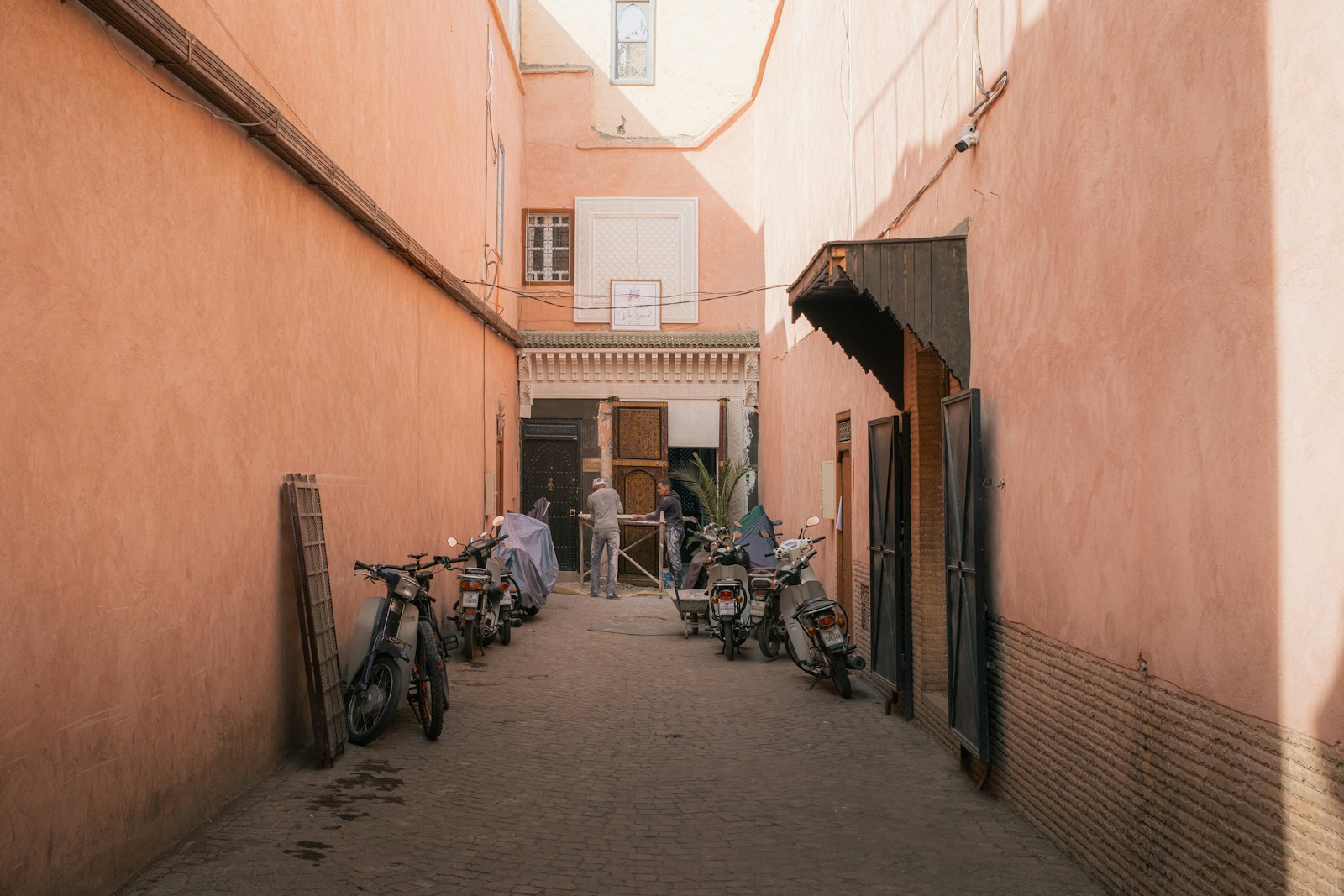
The medina is a maze, and that is not an exaggeration. The streets are narrow, winding, and not well signposted. Getting lost is part of the experience, but you can minimize frustration. Download Google Maps offline before you arrive. It works surprisingly well in the medina as long as you have data. Buy a local SIM card at the airport or a shop in the medina for around 50 MAD â it will save you hours.
Key gates to remember: Bab Doukkala, Bab el Ksour, and Bab el Fna (leading to Jemaa el-Fna square). If you get lost, head toward the direction of the Koutoubia Mosque minaret â it is visible from many spots. Avoid accepting help from a ‘guide’ unless you agree on a price first. Many will point you in a direction and then demand money. Just politely say ‘la, shukran’ (no, thank you) and keep walking.
When bargaining, start at 30 to 50 percent of the asking price. Settle around 40 to 60 percent of the original. It is a game, not a confrontation. If you walk away, the seller might call you back with a lower price. That is normal. Do not get attached to any single item â there are a hundred stalls selling the same thing. A printed map of the medina or a small money belt for your cash and phone are good items to bring.
Souk Shopping: What to Buy and What to Skip
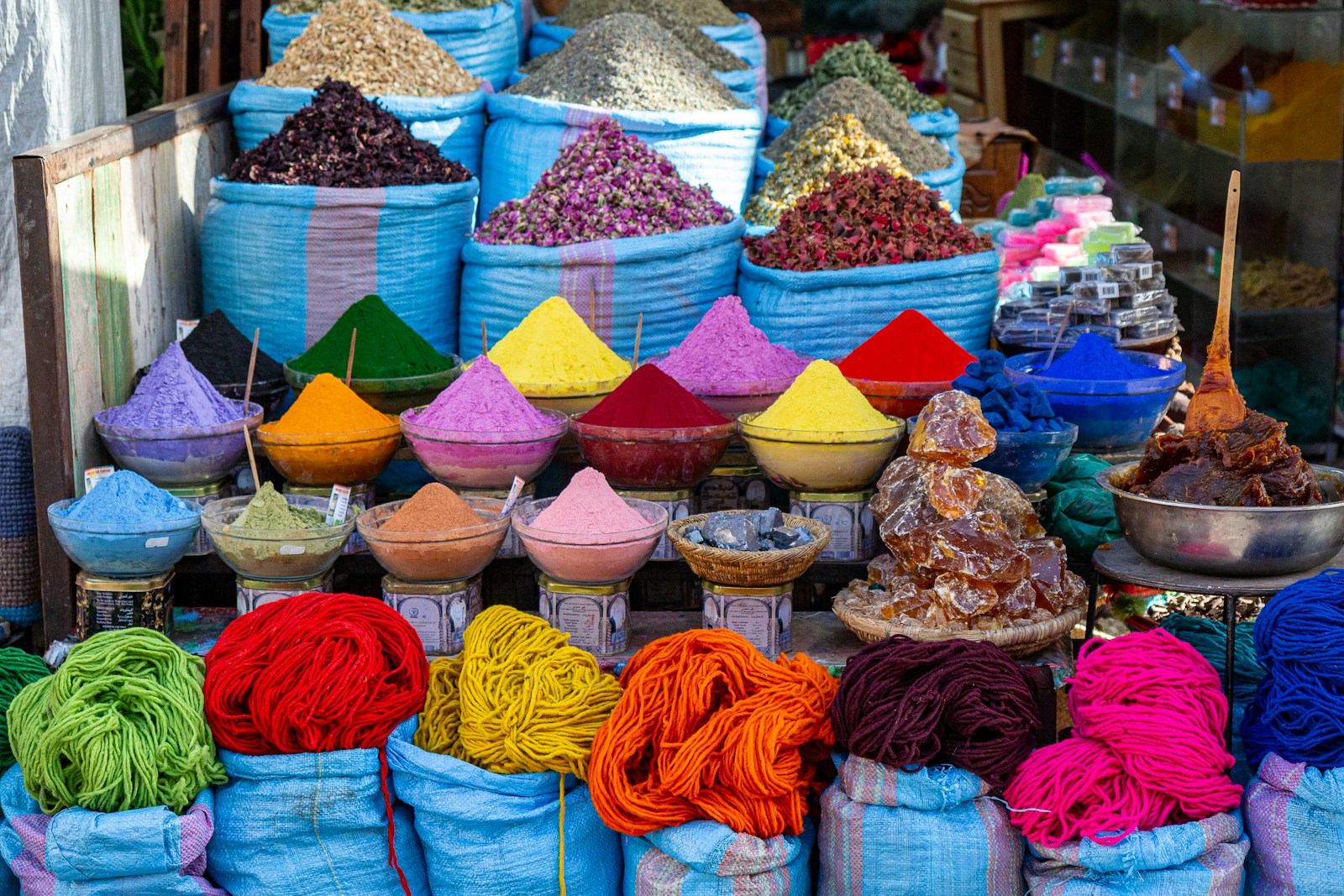
The souks are divided by trade. You will find leather, lanterns, spices, textiles, and ceramics in different quarters. Here is a practical breakdown.
Leather goods: Genuine Moroccan leather is soft and slightly irregular in texture. Look for the tanneries near Bab Debbagh if you want to see the process. Fair price for a small bag: 200â400 MAD. Fake leather is shiny and stiff â skip it.
Lanterns: Real ones are made of copper or brass and have a little heft. Prices start around 150 MAD for a small one. The cheap painted tin lanterns will rust if you plan to use them outdoors.
Spices: Buy from a spice stall in the spice souk, not from a shop that also sells carpets. Saffron, cumin, and ras el hanout are good buys. Expect to pay 10â20 MAD for a small bag of saffron (real saffron, not dyed threads).
Textiles: Wool blankets and scarves are common. Quality wool feels soft and dense, not scratchy. A medium-sized blanket should cost 200â400 MAD. Polyester imitations are everywhere.
Ceramics: The glazed pottery from Fez and Safi is beautiful. Check for even glazing and no cracks. A small tagine pot for cooking is a good souvenir. Expect to pay 150â300 MAD for a decent one.
What to skip: Anything made of ‘camel leather’ that feels like plastic. Mass-produced trinkets with ‘Morocco’ written on them. Be careful with large items like carpets or giant lanterns â shipping costs can outweigh the item price. Always ask about shipping before you buy.
Marrakech Desert Tours: Which One Is Right for You?
Not all desert tours are the same. The most common options vary wildly in distance, comfort, and experience.
1. Agafay Desert (Day trip): This is a stony desert about 45 minutes from Marrakech. No sand dunes, but it offers a quick taste of the landscape. Tour operators do lunch, camel rides, and often a quad bike option. Good for travelers short on time or those who do not want to spend hours in a car. Price: around 500â800 MAD per person.
2. Zagora Desert (2 days, 1 night): About 5 hours drive each way. The dunes at Zagora are smaller and not as dramatic as Erg Chebbi. Overnight accommodation is basic but comfortable. This is a middle-ground option â more desert than Agafay, less travel than Erg Chebbi. Price: around 800â1200 MAD per person.
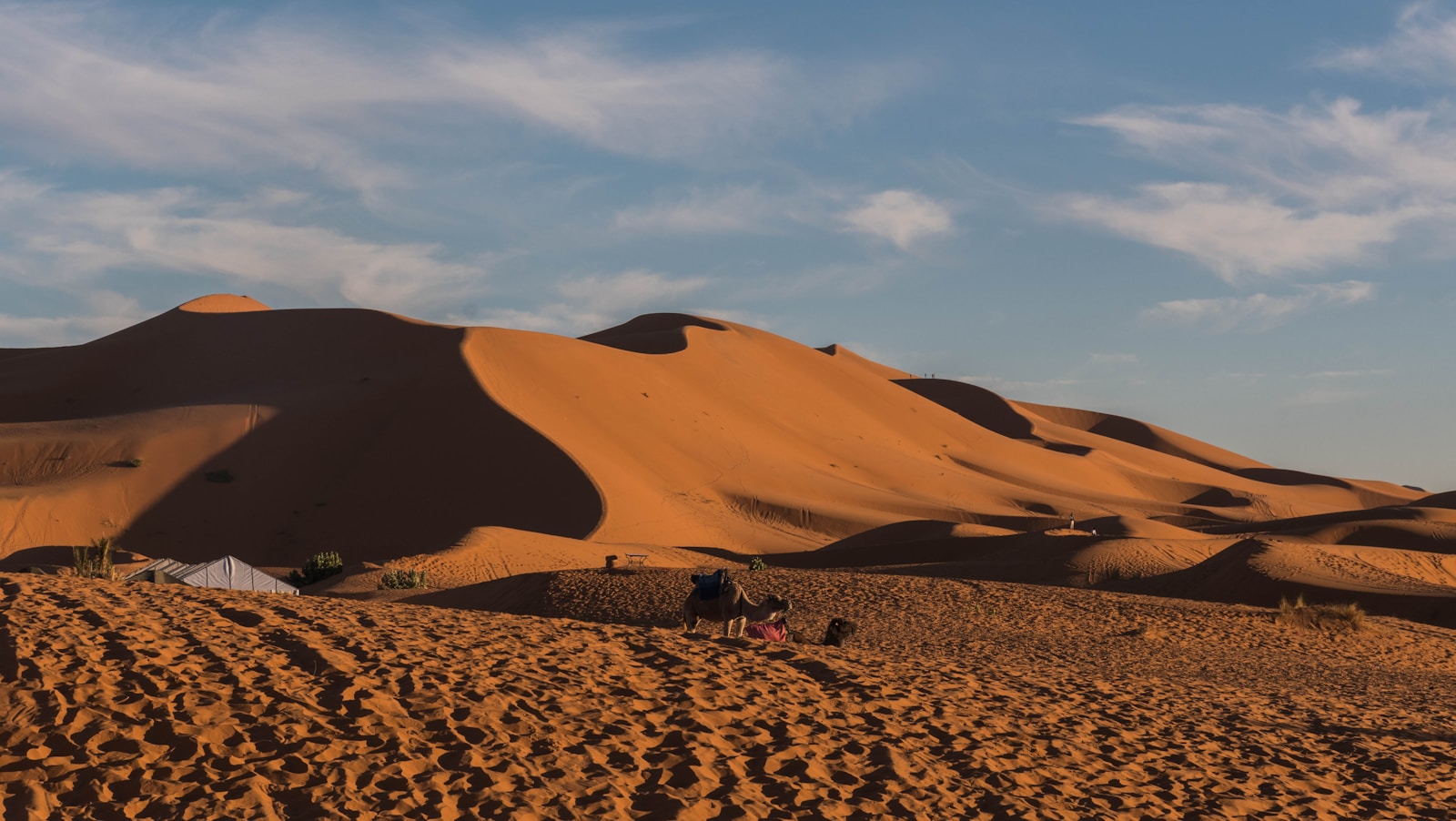
3. Erg Chebbi Desert (3 days, 2 nights): The real deal. 8â9 hours each way from Marrakech. The dunes at Merzouga are massive and orange. You get a camel trek to a desert camp, dinner under the stars, and a sunrise over the dunes. This is the most immersive experience. You need a full three days, but it is worth it. Price: around 1500â2500 MAD per person for a group tour.
My recommendation: If you have three days and want the real Sahara, book the Erg Chebbi tour. If you only have one day, do Agafay. Avoid the one-day ‘desert tour’ that claims to take you to the Sahara â it is physically impossible and will be a scam. Book tours through a reputable operator like those listed on GetYourGuide or Viator for solid reviews and a safety net.
Day Trips from Marrakech Beyond the Desert
If you have a few extra days, there are great day trips that do not involve sand dunes.
Ouzoud Waterfalls: About 2.5 hours northeast of Marrakech. The falls drop over 100 meters and are a nice break from the city heat. You can swim in the pools below (cool water) and see barbary apes along the trail. Best for: hikers and nature lovers. Cost: around 300â500 MAD for a group tour.
Ourika Valley: Only an hour from Marrakech. This is a lush valley with small Berber villages, river walks, and simple guesthouses. You can hike up to the Setti Fatma waterfalls or just sit by the river with a mint tea. Best for: a half-day escape from the medina. Cost: around 200â400 MAD for a tour.
Essaouira: About 3 hours west. This coastal town has a relaxed vibe, a working fishing port, and good seafood. The wind is strong, making it a kite surfing spot. Best for: travelers who want a beach day. The drive is scenic but long for a day trip. If you do not mind the drive, it is worth it. Cost: around 400â700 MAD for a day tour. Avoid the same-day trip if you get car sick easily.
Eating in Marrakech: Street Food vs. Nice Restaurants
Jemaa el-Fna square is the heart of street food. At night, the stalls fire up grills and serve everything from snails to sheep’s head. It is chaotic, smoky, and an experience. I recommend trying a bowl of harira (lentil soup) and a skewer of grilled meat. Prices are low â 20â40 MAD per item. But hygiene varies. If you have a sensitive stomach, stick to stalls with high turnover and cooked-to-order food.
Sit-down restaurants in the medina offer a better experience. Look for places on small side streets, away from the main square. A typical meal of tagine, couscous, and salad costs around 80â150 MAD per person. A few family-run spots in the medina offer reliable food without the tourist markup. Avoid restaurants with menus in multiple languages and a guy out front trying to pull you in â the food is often reheated and overpriced.
For a nicer dinner, head to a riad that offers set menus. Many riads in the medina host dinner for non-guests. The setting is intimate, and the food is often excellent. Prices run 200â400 MAD per person for a multi-course meal. Best for: a special night out or a quiet break from the square.
Common Mistakes First-Time Visitors Make
I have seen these mistakes too often. Here is how to avoid them.
1. Accepting unsolicited help. At the medina entrance, someone will offer to show you the way. They will then demand payment. The answer is ‘la, shukran’ and keep walking. What to do instead: Use your offline map or ask a shopkeeper inside the medina (they are less likely to demand money).
2. Only staying in the medina. Marrakech has a modern side too. Gueliz has cafes, parks, and wine bars. Hivernage has nice hotels and restaurants. What to do instead: Spend at least one evening in Gueliz to see another side of the city.
3. Not negotiating a taxi fare beforehand. Petit taxis in Marrakech do not use meters. If you do not agree on a price, you will pay double. What to do instead: Ask ‘combien?’ before getting in and offer half of what they say. Settle at 50â100 MAD for a ride within the city.
4. Drinking tap water. Do not do it. Even locals drink bottled water. What to do instead: Buy a large bottle of purified water for 5 MAD or bring a reusable bottle with a built-in filter.
5. Buying from the first souk stall. The first price is always inflated. What to do instead: Walk through the souk first. See what the same item costs in three different stalls. Then negotiate.
6. Overpacking. You will buy things. Pack light and leave room in your suitcase. What to do instead: Bring one pair of good walking shoes, three tops, two bottoms, and layers. You can buy a cheap blanket or scarf there if you need one.
Packing Essentials for Marrakech and the Desert
Here is a practical list based on what you will actually need.
- Comfortable walking shoes: The medina streets are uneven and cobblestone. Your feet will thank you.
- Light layers: A long-sleeve shirt for sun protection and a light jacket for cool evenings.
- Scarf: For sun, dust, and modesty when entering religious sites. A cotton scarf works best.
- Sunscreen: SPF 30 at minimum. The sun is strong even in spring.
- Reusable water bottle: With a filter is ideal, or just refill from large bottles.
- Headlamp or small flashlight: Power outages happen in riads. A headlamp keeps your hands free.
- For the desert: A warm jacket or fleece for winter/spring nights. A sleeping bag liner if you are picky about bedding in desert camps.
- Money belt or hidden pouch: For your phone, passport, and cash. Pickpocketing is not rampant, but it happens in crowded areas.
You can find a quality scarf and a compact travel adapter on Amazon if you need to grab something before your trip. These are two things I always bring.
Getting Around Marrakech Without Getting Ripped Off
Taxis are the main way to get around. There are two types: petit taxis (small, blue or beige) that operate within the city and grand taxis (larger, white) for longer trips. Stick to petit taxis for city rides.
Negotiate the fare before you get in. A typical ride within the city costs 30â70 MAD. If you are going from the medina to Gueliz, expect around 50 MAD. At night, prices are higher. Drivers will quote 100 MAD or more â counter with 50 MAD and see where they land. If they say no, flag down another taxi. There are many.
Careem and Uber operate in Marrakech. They are safer because the fare is set in the app. Availability is good in Gueliz and Hivernage but spotty in the deepest parts of the medina. Walking is fine during the day but less comfortable at night in the medina’s darker alleys.
Renting a car is not recommended for the medina. Parking is scarce, streets are narrow, and you will stress more than you enjoy. If you want to explore outside the city, book a driver or a tour instead.
FAQs About Visiting Marrakech
Is it safe for solo travelers? Yes, with normal precautions. Avoid walking alone at night in unlit medina alleys. Keep your valuables out of sight in crowded areas. Solo female travelers should dress modestly to reduce unwanted attention.
Do I need a visa? Most nationalities get a free 90-day stamp on arrival. Check with your embassy if you have a less common passport.
Can I drink the tap water? No. Drink bottled water or water you have filtered yourself.
What is the dress code for women? Modest clothing is respectful. Shoulders and knees covered in the medina and religious sites. You do not need to cover your hair, but a scarf is helpful for entering mosques.
How much cash should I bring? Bring enough for daily expenses. Many shops and restaurants outside hotels accept credit cards, but souk stalls and taxis need cash. Withdraw from an ATM at the airport or in Gueliz for the best rates. Expect to use around 300â500 MAD per day for food, transport, and small purchases.
Final Thoughts: Making Your Marrakech Trip Worth It
Marrakech is not a polished tourist destination â it is loud, chaotic, and endlessly interesting. The key is preparation. Book a riad near Bab Doukkala for a quieter medina experience. Choose your desert trip based on how much time you have, not on photos you saw online. Shop with a plan and a price in mind. And always, always negotiate your taxi.
If the planning feels overwhelming, that is normal. A good travel service can take the guesswork out of booking riads, tours, and transfers so you can focus on enjoying the trip. Ready to book? Let us handle the details â contact Bob’s Travel Service to plan your Marrakech trip. We know the city, the best riads, and the desert tours that are actually worth your time.