How to Get Upgraded on Flights Without Paying Extra: 15 Proven Strategies
Introduction
Getting a flight upgrade without paying extra feels like winning a small lottery. Most travelers assume it only happens to celebrities, frequent business travelers, or people with connections. The reality is more practical. Airlines give away upgrades every single day to ordinary passengers who understand how the system works.
This article covers fifteen proven ways to get a flight upgrade free. If you are a cost-conscious traveler planning a trip, these aren’t magic tricks or myths. They are tested tactics based on how airlines actually operate. Some strategies take advance planning. Others happen at the gate. A few require a polite conversation.
Upgrades are rare but achievable with strategy, not luck. After reading this, you will know exactly what steps to take before your trip and during your journey to improve your odds significantly.
Why Airlines Give Away Upgrades in the First Place
Airlines don’t hand out upgrades out of kindness. They do it because it benefits their bottom line. The most common reason is operational necessity. When an airline overbooks economy class, they need to move passengers forward to free up seats. First class might have empty seats that aren’t generating revenue anyway, so moving a paying customer forward makes sense.
Another scenario involves last-minute seat inventory. If first class isn’t full at departure time, those seats produce zero additional value. Giving them to an elite-status passenger or a volunteer costs the airline almost nothing and builds goodwill.
Loyalty programs also drive upgrades. Airlines reserve a certain number of first-class seats for their most frequent flyers. These are called space-available upgrades or complimentary upgrades. They happen automatically based on your status tier.
The myth that upgrades are random is false. Airlines follow strict priority orders controlled by algorithms and revenue management systems. Understanding these rules is the first step to benefiting from them.
1. Loyalty Status: The Foundation of Free Upgrades
Elite status with an airline’s frequent flyer program is the single most reliable path to a free upgrade. It is not flashy, but it works consistently.
Every major airline has status tiersâSilver, Gold, Platinum, or similar names. The higher your tier, the higher your priority for complimentary upgrades. On United, for example, Gold members get free upgrades on domestic flights. Delta automatically processes upgrades for Platinum and Diamond members. American Airlines does the same for Executive Platinum members.
Earning status can happen through actual flying or through credit card spending. Some airline credit cards bundle a small amount of elite-qualifying miles each year. For example, the United Explorer card gives you a few thousand Premier Qualifying Miles annually. That alone won’t get you to Gold, but it helps if you already fly a few times each year.
Here is a real-world example: A traveler with Gold status on United flying from Chicago to Denver gets automatically added to the upgrade list. If first class has any empty seats 24 hours before departure, the system processes the upgrade. No asking, no begging. Just an email saying you are confirmed.
If you fly the same airline at least three times per year, join their loyalty program. It costs nothing, and every mile earned improves your upgrade odds over time.
2. Airline Credit Cards: The Shortcut for Frequent Flyers
An airline co-branded credit card does not guarantee upgrades, but it puts you ahead of passengers without one. Many cards include priority boarding, which helps your upgrade chances in a subtle way, but some also bundle upgrade certificates or priority waitlist placement.
Consider the United Explorer card. It gives you priority boarding and two one-time lounge passes, but more importantly, United members with the card are prioritized above non-cardholders on the upgrade waitlist. The same logic applies to Delta SkyMiles Gold and American Airlines AAdvantage cards.
The Southwest Priority card is different. It does not offer first class upgrades because Southwest has no first class, but it gives you bonus points toward Companion Pass status and priority boarding position. That matters for getting your preferred seat.
These cards are best for travelers who fly the same airline three to five times per year. If you are loyal to one carrier, the card pays for itself through checked bag fees and boarding priority alone. The upgrade benefit is a bonus.
If you want to organize your travel finances better and manage multiple loyalty accounts, a travel planner or journal can help you track your status progress. That kind of organization matters more than most people think.
3. Dress the Part: How Appearance Influences Gate Agents
This one feels superficial, but it works. Gate agents have discretion when choosing who to upgrade when the computer system leaves decisions open. They are human. They notice how passengers present themselves.
You do not need to wear a suit. Business casual is enoughâcollared shirt, clean shoes, no sweatpants or wrinkled clothing. A traveler who looks put-together subconsciously signals they will be a comfortable first-class passenger. Someone wearing ripped jeans and a hoodie does not send that signal.
This is not a guarantee. It is a tiebreaker. If two passengers have the same status and the agent is deciding who gets the last first-class seat, they will pick the person who looks like they belong there.
4. Check-in Timing: The Early vs. Late Debate
There are two schools of thought on when to check in, and both have merit depending on the situation.
The early check-in camp argues that checking in exactly 24 hours before departure gets you on the upgrade list first. Airlines process upgrades based on check-in time in many cases, so being early pushes you higher on the list. This is safest for domestic flights where space-available upgrades are processed automatically.
The late check-in camp argues that checking in right before the gate closes can trigger an operational upgrade. If the airline realizes they overbooked economy or need to free up space, they sometimes upgrade late check-in passengers to balance the cabin. This works better for international flights or routes with heavy business-class inventory.
A practical rule of thumb: For domestic flights, check in early. For international flights, check in late if you are willing to gamble. If you absolutely need a seat upgrade, early is safer.
5. Ask Nicely: The Art of the Polite Request
Sometimes a simple, polite request works. It sounds too easy, but gate agents deal with demanding passengers all day. A kind, reasonable person stands out.
Walk up to the gate agent before boarding and say something like: ‘I know this might be a long shot, but do you have any extra seats in first class you could move me to?’ Be cheerful and genuine. Accept whatever answer you get without pushing back.
Timing matters. Ask when the agent is not busy handling a delayed flight or an angry passenger. Early morning flights and less crowded routes give you better odds. If the agent says no, let it go and move on.
6. Volunteer to Give Up Your Seat
On overbooked flights, airlines need volunteers to take a later flight. Most people ask for cash compensation or a voucher. But you can negotiate differently.
When you volunteer, ask if the airline can upgrade you on the new flight. Airlines are often happy to do this because it costs them nothing and fills an empty premium cabin. You get a better seat plus compensation for your trouble.
I once volunteered to wait for the next flight from Dallas to Denver. The agent put me in business class on the later flight and gave me a $200 voucher. The total delay was two hours. That was a good trade.
Only do this if your schedule is flexible. If you absolutely must arrive on time, do not volunteer.
7. Use Status from Hotel or Car Rental Programs
Many airlines have partnerships with hotel and car rental loyalty programs. If you have elite status with Marriott Bonvoy, Hilton Honors, Avis Preferred, or similar programs, you can often link accounts and receive elite-like benefits on flights.
The process is straightforward. Log into your airline account, go to the partnerships or status match section, and link your hotel or car rental loyalty number. Some airlines offer priority boarding or discounted upgrades simply for holding elite status with a partner program.
This is a hidden gem for travelers who do not fly often but stay in hotels frequently. You may already have status without realizing it. Check your hotel loyalty accounts before your next trip.
8. Special Occasion Hacks: Birthdays, Anniversaries, and More
Mentioning a special occasion at check-in or the gate can sometimes earn a surprise upgrade. Gate agents have a small amount of flexibility to make someone’s day.
If you are traveling for a birthday, anniversary, or honeymoon, mention it casually. Do not fabricate. Gate agents can see notes on your reservation, and insincere claims can backfire.
I have seen agents give out a free bottle of water or a snack to a passenger celebrating a birthday. Sometimes they upgrade if seats are available. It never hurts to ask kindly.
9. The Overbooked Flight Gamble
Overbooked flights create upgrade opportunities. When economy is full and first class has empty seats, airlines will move passengers forward to make space.
You can spot these situations before the flight. Check the seat map online. If economy is almost entirely full but first class shows wide-open seats, you have a chance. Check in early to put yourself on the upgrade list.
Leisure routes to vacation destinations are good candidates. Business-heavy routes like New York to Los Angeles are less likely to have unsold first class seats.
10. Military and Senior Discounts That Lead to Upgrades
Some airlines offer free upgrades to active military members in uniform or seniors on certain flights. Delta and United are known for this, though it is not widely advertised.
If you fall into either category, ask at the gate. Do not assume it will happen automatically. Domestic flights are the easiest place to try this. The worst they can say is no.
11. Fly Less Popular Routes and Times
Upgrading is easier on off-peak flights. Tuesday and Wednesday departures have less business traveler demand. Late-night and red-eye flights often have empty first class seats because business travelers prefer daytime schedules.
Routes between regional airports instead of major hubs also have less demand. For example, flying from Des Moines to Denver is easier to upgrade than flying from Newark to Los Angeles.
If you have flexible dates, choose the less popular flight. Your upgrade odds multiply significantly.
12. Use Upgrade Certificates from Work or Travel Agencies
Some corporate travel departments and travel agencies have upgrade certificates or agreements they can apply to bookings. If you book through Bob’s Travel Service, ask if we have any upgrade availability. We may have certificates from airline partnerships that you would not have access to on your own.
This is not something to rely on, but it is worth asking. If you already use a travel agent, include this question in your booking conversation.
13. Mistakes That Ruin Your Chances of a Free Upgrade
Several common mistakes kill your upgrade odds before you even ask.
Being rude to gate staff is the fastest way to get removed from consideration. Gate agents remember passenger behavior. If you are demanding or unpleasant, they will not help you.
Checking in late on a competitive route puts you at the bottom of the upgrade list. On busy routes, every minute of check-in delay drops you several spots.
Not having your frequent flyer number on the reservation means you are invisible to the upgrade system. Always confirm your loyalty number is on the booking.
Failing to link partner loyalty accounts wastes status you already earned from hotels or car rentals. Do this before departure, not at the gate.
A travel planner or journal helps you stay organized. Keep a printed list of your loyalty numbers and partner links in your bag. That kind of preparation separates successful travelers from everyone else.
14. When to Just Pay for the Upfront Seat (And When Not To)
Free upgrades are great, but sometimes the right move is to pay. The decision comes down to flight length and cost.
For long-haul flights over six hours, a premium economy or last-minute upgrade for $50 to $100 is often worth paying for the extra legroom, better meal, and priority service. On a ten-hour overseas flight, that upgrade transforms your trip.
For short hops under two hours, free upgrade attempts are better. Paying $50 for a thirty-minute flight to a regional city is rarely worth it. Save your money and try the strategies above.
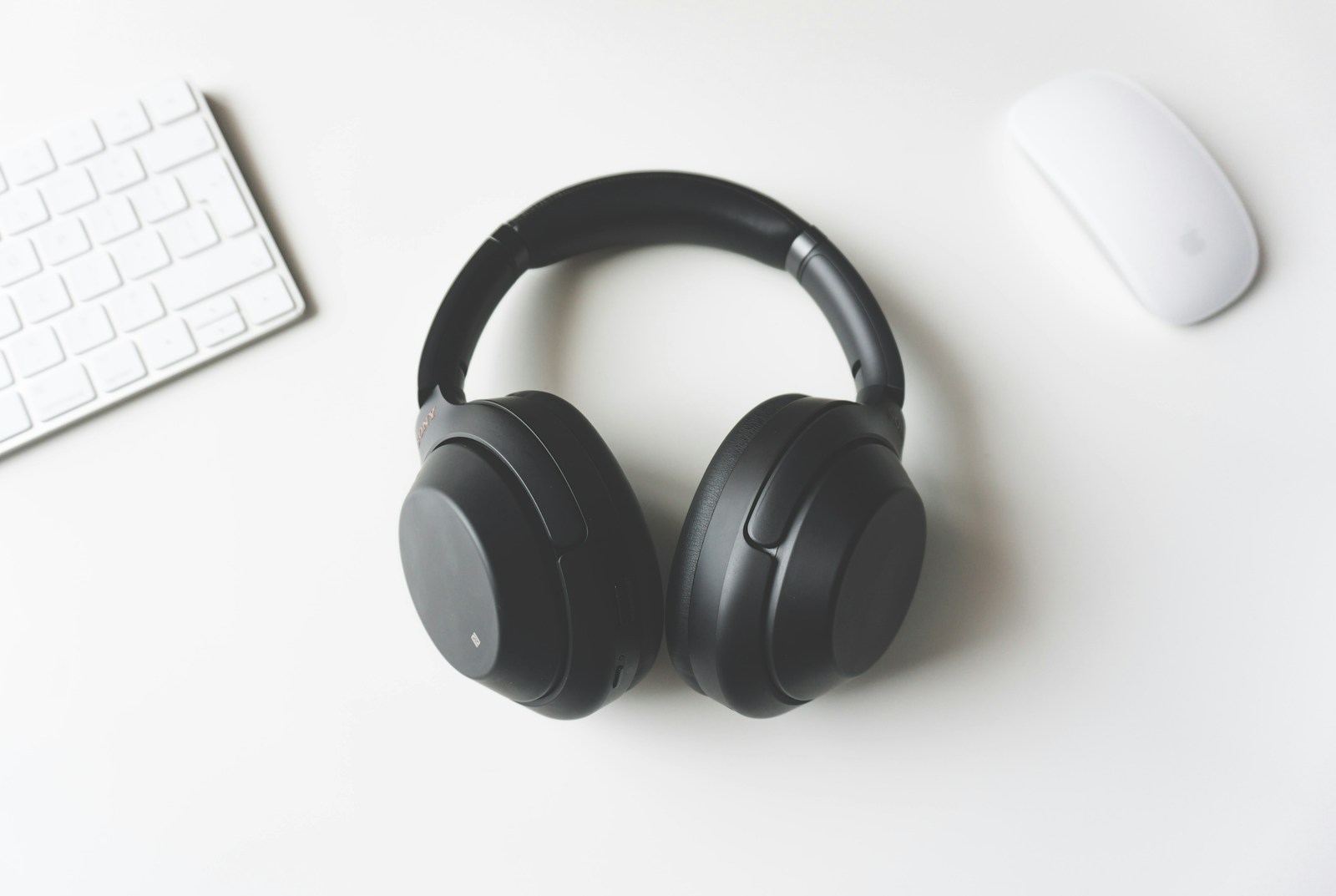
If you do end up in economy for a long flight, invest in good noise-canceling headphones and a comfortable neck pillow. Those items make economy class significantly more bearable and cost far less than an upgrade.
Putting It All Together: Your Pre-Flight Upgrade Checklist
You now have fifteen strategies at your disposal. Here is a simple checklist to use before your next flight.
- Join the airline’s loyalty program if you have not already.
- Apply for an airline credit card if you fly three or more times per year.
- Check your hotel and car rental loyalty accounts for partnership links.
- Dress business casual for the flight.
- Check in early for domestic flights, late for international risk plays.
- Ask politely at the gate one time.
- Watch for overbooked flights and consider volunteering.
- Fly off-peak days and times.
- Never be rude to gate staff.
Pick three or four strategies that fit your situation and apply them on your next trip. Consistency improves your odds over time. If you want personalized help with your upgrade strategy or travel booking, contact Bob’s Travel Service. We handle the logistics so you can focus on enjoying the trip.