The Best Travel Adapter International: A Practical Guide for 2025
Introduction
Before my first international trip, I spent way too long worrying about whether my phone would charge in a foreign hotel room. Turns out, it’s usually a simple fix. The hard part? There are dozens of adapters out there, and a lot of them are just okay. Some are terrible. And some people buy the wrong thing entirely, which is how you end up with a fried hair dryer or a phone that barely trickle-charges overnight.
Let me clear up the basics first. A travel adapter is a simple piece of plastic that changes the shape of your plug so it fits into a wall socket in another country. A voltage converter actually changes the electrical current from 220V to 110V (or vice versa). Most of your modern electronicsâphones, laptops, tablets, camera battery chargersâare dual-voltage already. So you only need the adapter. If you’re bringing a curling iron, a hair dryer, or an electric razor, you may need a converter.
This isn’t a review roundup that just lists specs. I’ve tested these things in real hotel rooms from Rome to Tokyo. I’ve had adapters fall out of loose sockets. I’ve had slow charging ruin a morning. I want you to avoid those mistakes. The best travel adapter international for you depends on where you’re going and what you’re plugging in. This guide gives you a practical way to pick the right one the first time. For travelers who need to check their device compatibility, a dual voltage checker can be a helpful tool.
Adapter vs. Converter: Why Getting This Wrong Can Ruin Your Trip
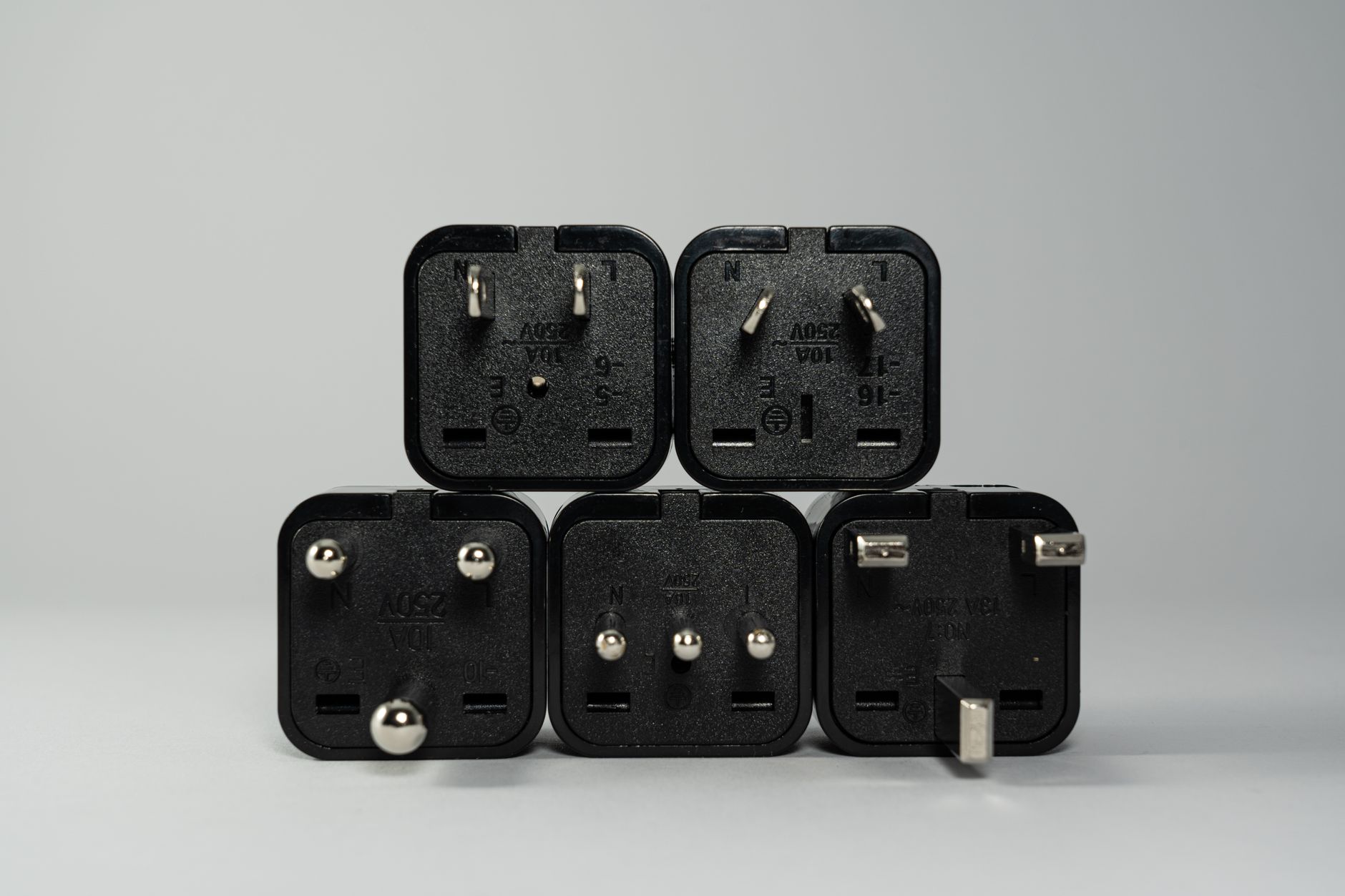
Think of an adapter as a key that lets the plug physically fit into the lock. A converter is like a translator that changes the language of the electricity itself. They do two completely different jobs, and mixing them up is the most common mistake I see travelers make.
Here’s the short version. Plug adapters are cheap, small, and simple. They don’t change the voltage. If you plug a 110V hair dryer into a 220V socket using just an adapter, you’ll get instant smoke and a dead appliance. I’ve seen it happen. Voltage converters are heavy, expensive, and usually unnecessary because everything you carry that’s worth anythingâyour phone, laptop, tablet, cameraâalready handles both voltages. Check the small text on the device’s power brick or on the device itself. It will say something like “Input: 100-240V.” If it does, you’re safe with just an adapter.
Where converters become relevant is with high-wattage devices like hair dryers, curling irons, electric kettles, or certain CPAP machines. Those devices are often single-voltage. If you absolutely must bring one, you need a heavy-duty converter, not a travel-sized combo. Most cheap all-in-one adapter-converter units struggle with sustained high wattage and can be a fire risk. I’ll cover the one exception later, but for 95% of travelers, you just need a good adapter.
What to Look for in a Universal Travel Adapter
Not all universal adapters are created equal. Some claim to work everywhere but skip plug types for South Africa or Brazil. Some offer USB ports but charge at a snail’s pace. Here’s the checklist I use when I evaluate an adapter.
Plug Type Compatibility
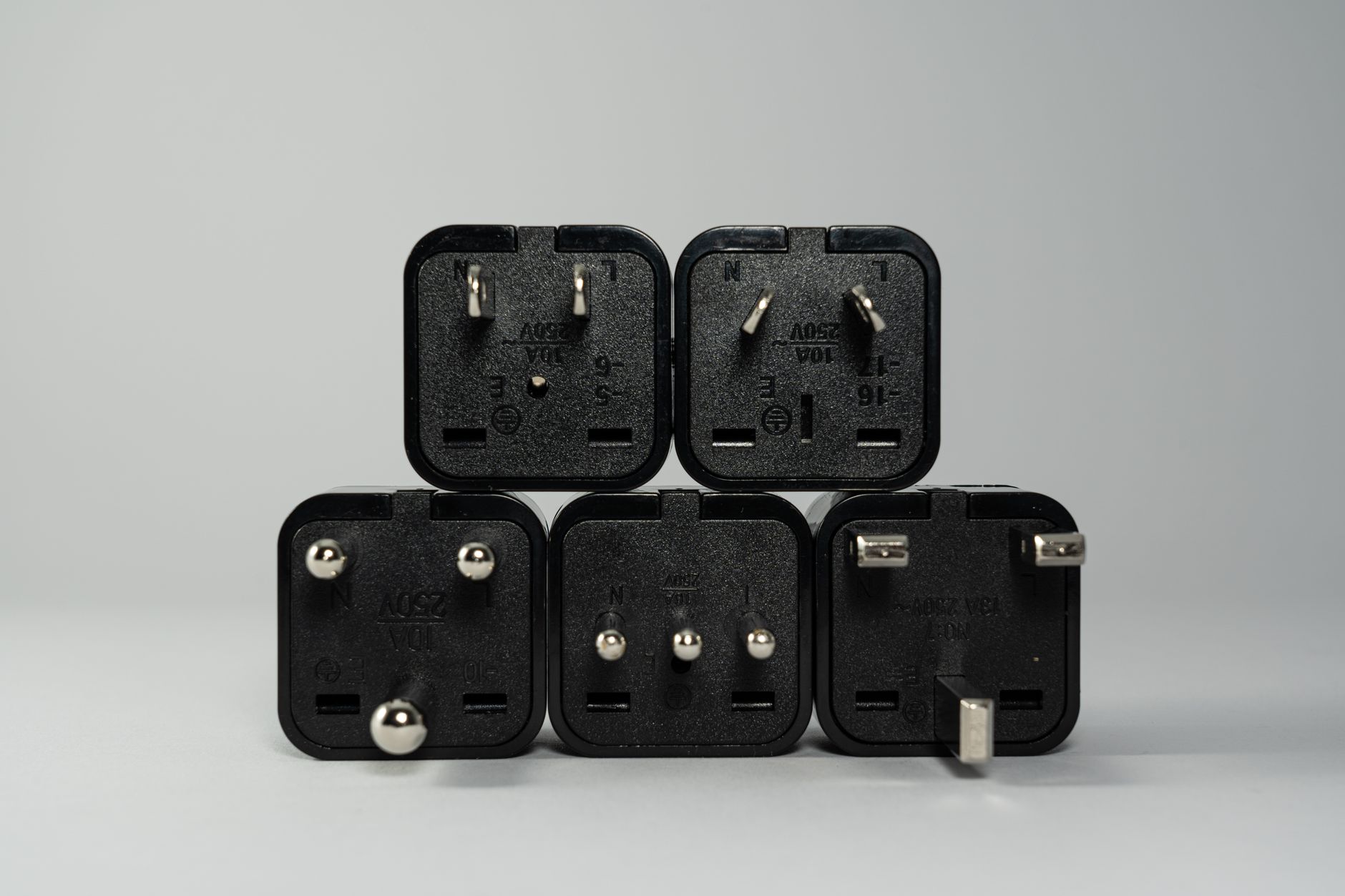
A true universal adapter should handle Types A, C, G, I, and M at a minimum. Type A is the two-flat-pin US/Japan style. Type C is the two-round-pin Euro style. Type G is the three-rectangular-pin UK style. Type I is for Australia, New Zealand, and parts of China. Type M is for South Africa. Many cheaper adapters skip Type M or combine pins in a way that doesn’t feel secure in older sockets. Check your destination before buying.
USB Ports and Charging Speed
This is where most adapters fail. If the specs say “USB output: 1A,” your phone will charge slowly. Like, overnight-to-full slow. Look for at least one USB-A port that outputs 2.4A or higher. USB-C Power Delivery (PD) is a real upgrade for faster charging on modern phones and laptops. If you carry an iPad or a MacBook, you want an adapter that supports USB-C PD at 30W or more. Travelers who need reliable charging for multiple devices may benefit from a high watt USB-C travel charger.
Surge Protection
It’s a small feature that most budget adapters skip. Surge protection adds a bit of safety if you plug into a hotel’s dodgy wiring. It won’t save you from a lightning strike, but it can protect your phone from a voltage spike when the air conditioner kicks on. It’s cheap insurance for expensive gear.
Size and Weight
A universal adapter that’s the size of a brick isn’t practical for carry-on luggage. Look for something that fits in your palm and weighs under half a pound. Some newer GaN (Gallium Nitride) adapters are significantly smaller and lighter while delivering higher wattage.
The Best Travel Adapter International: Top Picks for Every Kind of Trip
I’ve narrowed it down to five categories based on real-world use. Each pick has a specific job, and I’ll tell you where it shines and where it falls short.
| Product | Best For | USB Ports | USB-C PD | Voltage Conversion | Approximate Price |
|---|---|---|---|---|---|
| Ceptics World Travel Adapter Kit | Budget travelers, one-destination trips | 2 USB-A | No | No | $18-22 |
| Zendure Passport III | Tech-heavy travelers, digital nomads | 2 USB-C (PD), 2 USB-A | Yes (65W) | No | $45-55 |
| Bestek Travel Adapter and Converter | Travelers needing 110V for hair tools | 2 USB-A | No | Yes (200W) | $35-40 |
| Epicka Universal Travel Adapter | Family trips, multiple devices | 3 USB-A | No | No | $25-30 |
| Anker PowerPort Strip PD 2 | Hotel rooms with single outlets | 2 USB-C (PD), 2 USB-A | Yes (60W) | No | $35-45 |
Best Budget Universal Adapter (Under $25)
If you’re on a tight budget or taking a short trip to one country, the Ceptics World Travel Adapter Kit is a solid choice. It covers Types A, C, G, I, and M with separate adapters that slide onto the base unit. It has two USB-A ports, but they share a total of 2.1A, so charging an iPad alongside a phone will be slow.
Where it cuts corners: no USB-C PD, so forget about fast charging your laptop or newer phone. The build quality is fine for occasional use, but I wouldn’t trust it for a month-long trip where you’re plugging and unplugging multiple times daily. The adapters can feel a bit loose in some sockets. It’s best for a week in Paris or Tokyo where you just need your phone and camera to charge overnight. Avoid the ultra-cheap gas station adapters that cost $5âthey overheat and can damage your electronics.
Best Travel Adapter for Tech-Heavy Travelers (Laptop + Phone + Tablet)
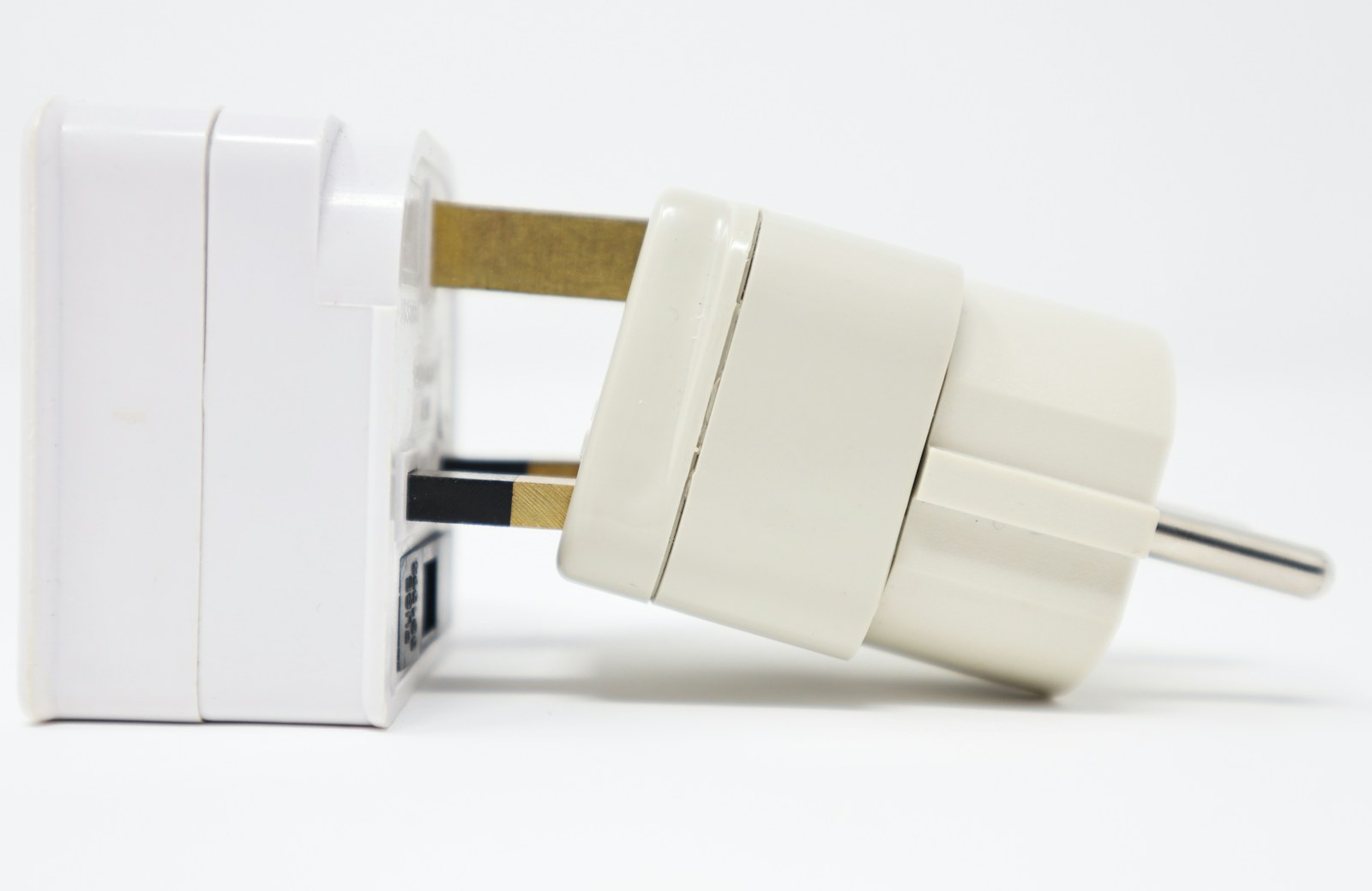
The Zendure Passport III is the adapter I use for my own trips. It uses GaN technology, which means it’s smaller and runs cooler than traditional adapters while delivering 65W of USB-C PD power. That’s enough to charge a MacBook Air or an iPad Pro at full speed. It has two USB-C ports and two USB-A ports, so you can handle a laptop, phone, tablet, and wireless earbuds all at once without breaking a sweat.
Real-world scenario: I charged a 14-inch MacBook Pro, an iPhone 15, and AirPods Pro simultaneously on a flight layover in Dubai without any issues. The Passport III also has a 5A fuse and surge protection built in. The main tradeoff is priceâit’s about $50, which feels steep if you only need a basic adapter for a weekend trip. It’s also slightly larger than a standard phone charger. But if you’re a digital nomad or travel with a lot of gear, it replaces the need for multiple power bricks.
Best All-in-One Adapter with Voltage Conversion
This is for a specific traveler: someone who absolutely must bring a hair dryer, straightener, or electric razor to a country with different voltage. The Bestek Travel Adapter and Converter handles both plug compatibility and voltage conversion up to 200W. That’s enough for most styling tools. It also has two USB-A ports for phones and tablets.
I’ll be honest: I don’t recommend these for everyone because they’re heavy. The Bestek unit weighs about half a pound and is the size of a small brick. It’s best for cruises, destination weddings, or long stays where you’re checked in one place and don’t need to move the adapter every day. The big warning here is to never cheap out on a converter. Cheap ones often fail under sustained high load and can overheat. Stick with a name brand like Bestek, and don’t expect the USB ports to charge your laptopâthey’re only 2.1A each.
Why Your Phone Might Charge Slowly (and How to Avoid It)
A common complaint I hear is “I bought this adapter and my phone barely charged overnight.” The culprit is almost always the USB output. Many universal adapters include USB ports that top out at 1A or 1.5A. For comparison, your phone’s original charger likely provides 2A or higher (some newer Androids push 5A or more with fast charging). If you plug a fast-charging phone into a slow USB port, it will default to the lowest common denominator.
To avoid this, check the specs before you buy. Look for USB-A ports that output at least 2.4A or better yet, look for USB-C PD ports. The standard is now 15W for phones and up to 100W for laptops. If you have a phone that supports Qualcomm Quick Charge or USB-PD, make sure the adapter explicitly supports it. A good rule of thumb: if the adapter costs under $15 and has three USB ports, it’s probably not fast-charging any of them well. Pay a little more for a quality unit. A fast charging USB-C car charger can also be useful for road trips.
Common Mistakes People Make with International Adapters
I’ve made some of these mistakes myself. Here’s a quick list to save you the trouble.
- Assuming one adapter works everywhere. Some “universal” adapters skip Type M for South Africa or Type I for Australia. Always check your destination list before packing.
- Forgetting plug shape doesn’t change voltage. As I mentioned earlier, an adapter won’t save your hairdryer. Know your devices.
- Not checking if your device is dual-voltage. Look for “100-240V” on the power brick or device. If it’s not there, you need a converter.
- Buying an adapter without surge protection. Older hotels have unreliable wiring. A surge-protected adapter is cheap insurance for your expensive gear.
- Only packing one adapter for a family. If you’re traveling with a partner or kids, you’ll need at least two. Hotel rooms rarely have enough outlets, and you’ll end up fighting over the one adapter.
Do You Need a Power Strip for Your Hotel Room?
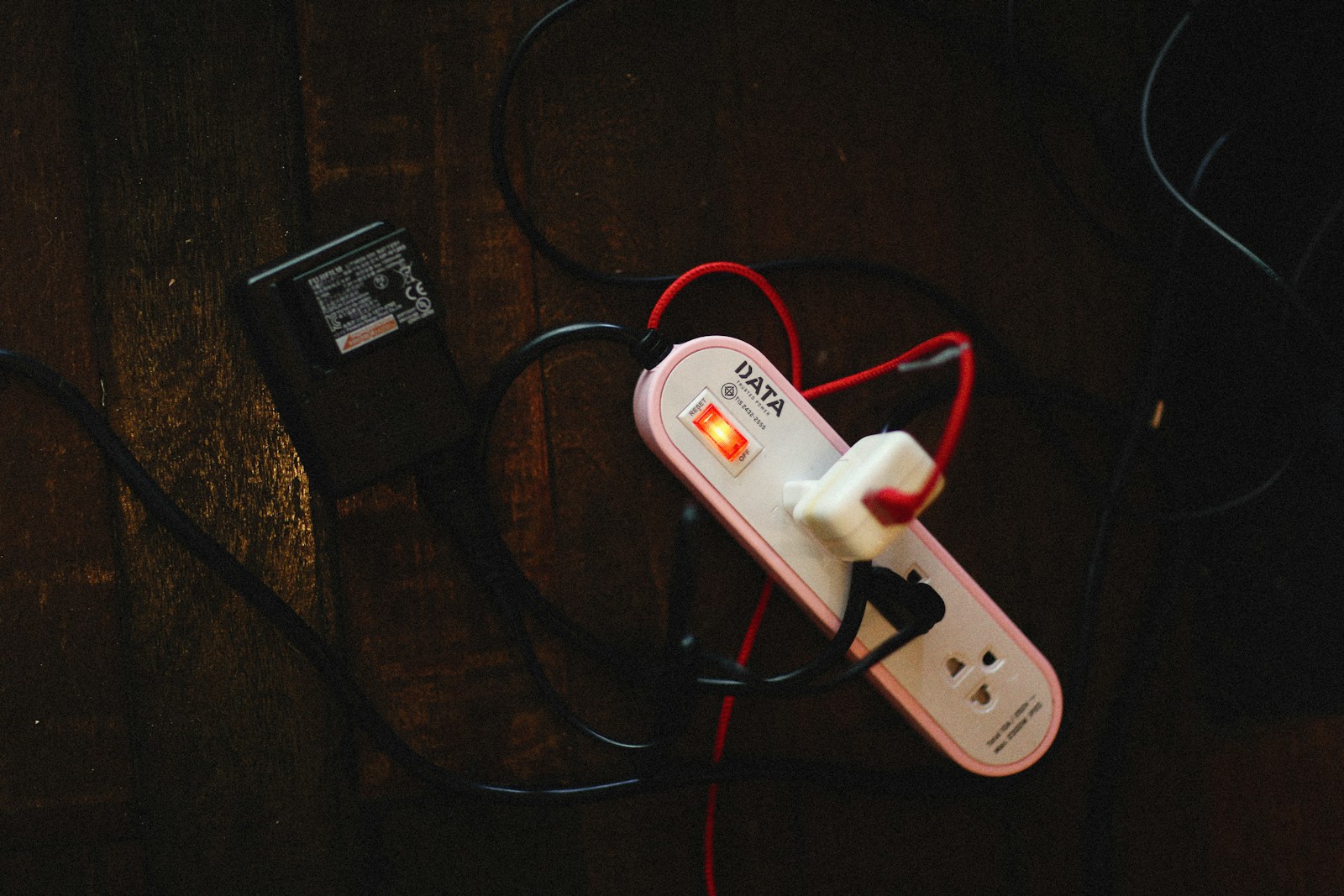
This is one of those travel hacks that seems unnecessary until you really need it. Many older hotel rooms, especially in Europe and Asia, have a single available wall outlet. That one outlet has to handle your phone, laptop, watch, and anything else. A small, travel-friendly power strip or a multi-device USB charger station can solve this in seconds.
Here’s the catch: if the power strip itself isn’t designed for the voltage of the country you’re in, it can be a problem. Look for a power strip rated for 100-240V input, or buy one with a detachable cord so you can use it with an adapter. The Anker PowerPort Strip PD 2 is a good option because it includes USB-C PD ports and surge protection. Just make sure the plug on the strip matches the country you’re visiting, or carry an adapter to connect the strip to the wall.
Final Recommendations: Picking Your Best Travel Adapter International
If you’re still unsure, here’s a simple decision tree.
If you’re a budget traveler or taking a short trip to one country, get the Ceptics World Travel Adapter Kit. It’s cheap, covers the basics, and won’t let you down for a week.
If you’re a digital nomad, a tech-heavy traveler, or carry a laptop, get the Zendure Passport III. The USB-C PD support makes it worth every penny, and it replaces multiple chargers.
If you absolutely must bring a hair dryer or curling iron and can’t pack a separate converter, get the Bestek Travel Adapter and Converter. It’s heavier and bulkier, but it works for that specific need.
If you’re a family of four visiting London or Rome, get two Epicka Universal Travel Adapters. They have three USB ports each and are reliable for multiple devices.
Next Steps: Don’t Forget the Plug
The right adapter is a small purchase that saves a lot of frustration. Before you leave, check the exact plug type for your destination. Verify that your phone, laptop, and camera are dual-voltage (they almost certainly are). And buy the adapter before you get to the airportâthe markup there is painful.
Once you have the right adapter, you can focus on more important things, like figuring out what to actually do when you get there. Check the prices on the recommendations above and pick the one that fits your trip. Your electronics will thank you.