Best Travel Insurance for Adventure Activities: A Complete Guide to Finding the Right Coverage
Adventure Travel Insurance: What You Actually Need Before You Book That Trip
If you’re planning a trip that involves anything more strenuous than lounging by a pool, standard travel insurance probably won’t cut it. Adventure travel insurance is coverage designed for activities like trekking, skiing, scuba diving, climbing, and other higher-risk pursuits. The key difference is that it covers what standard policies specifically exclude. I’ve seen too many travelers assume their basic plan covers a backcountry rescue or a broken leg on a hiking trail. Usually, it doesn’t. This article compares the best adventure travel insurance plans, explains what to look for, and helps you avoid the common coverage gaps that can cost you thousands.
What Does Adventure Travel Insurance Actually Cover?
Let’s get specific. A good adventure travel policy typically includes these core coverages:
- Medical evacuation â This is the big one. If you’re injured on a remote trail or a mountain, getting you to a hospital can involve a helicopter or specialized medical transport. Standard policies often cap this at a low amount or exclude it entirely for adventure activities.
- Emergency medical expenses â Covers hospital stays, surgery, doctor visits, and medications related to an accident or sudden illness during your trip. For adventure activities, this needs to be robust.
- Trip cancellation and interruption â Reimburses you for prepaid expenses if you have to cancel due to an injury or illness before departure, or cut your trip short. This is where pre-existing condition rules come into play.
- Baggage and gear loss â This covers your personal items, but for adventure travel, it’s critical that it includes your specialized gear: a wetsuit, climbing harness, skis, or hiking boots. Most standard policies treat these as normal luggage with low limits.
Common exclusions often include high-risk sports like BASE jumping, extreme mountaineering above certain altitudes, or activities where you’re not following a guide. Altitude limits are also commonâsome policies cut off coverage above 4,000 or 5,000 meters. And pre-existing medical conditions remain a major issue. You need to declare them honestly, or your claim could be denied. Reading the fine print on exclusions isn’t optional.
Why Your Standard Policy Probably Won’t Work for an Adventure Trip
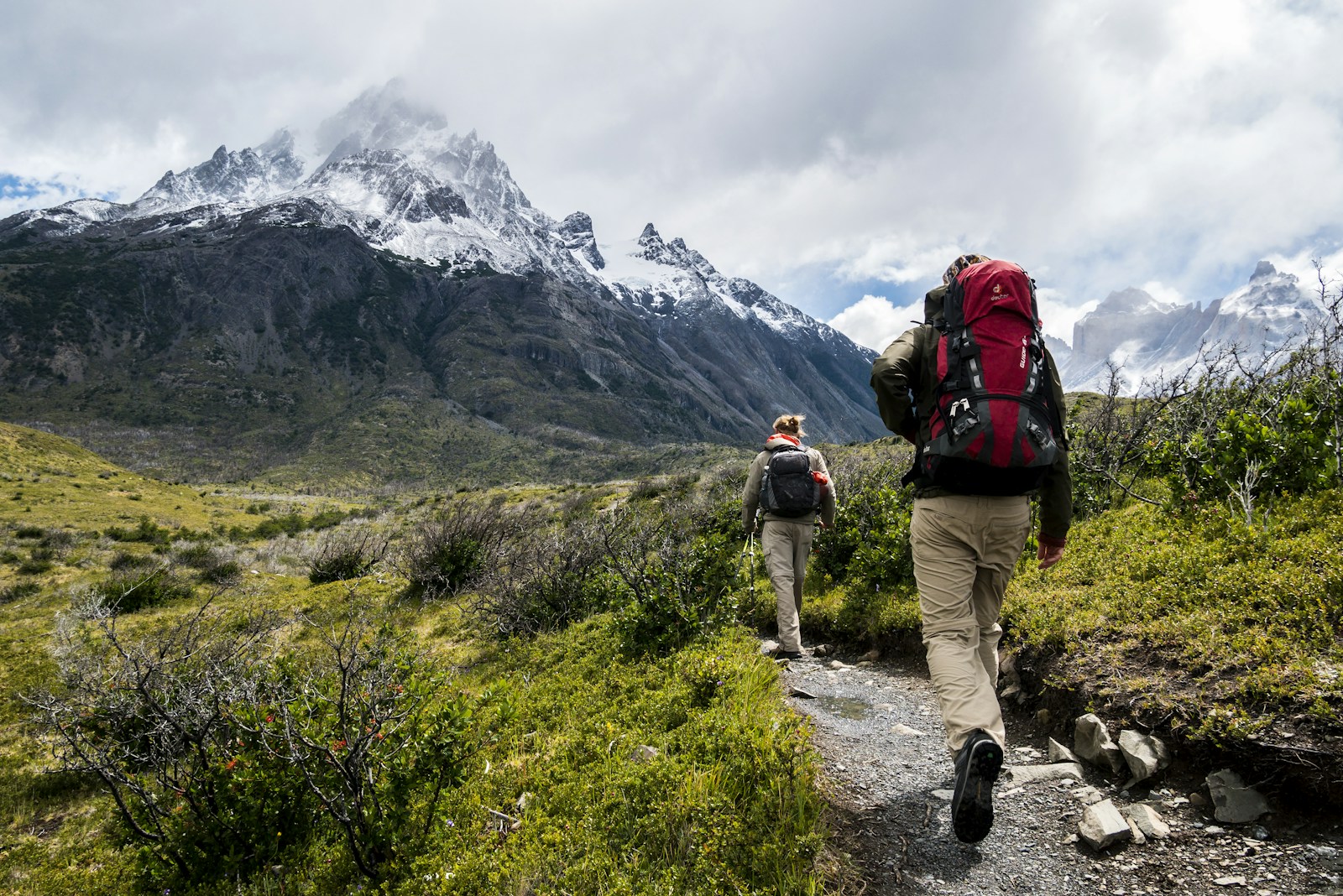
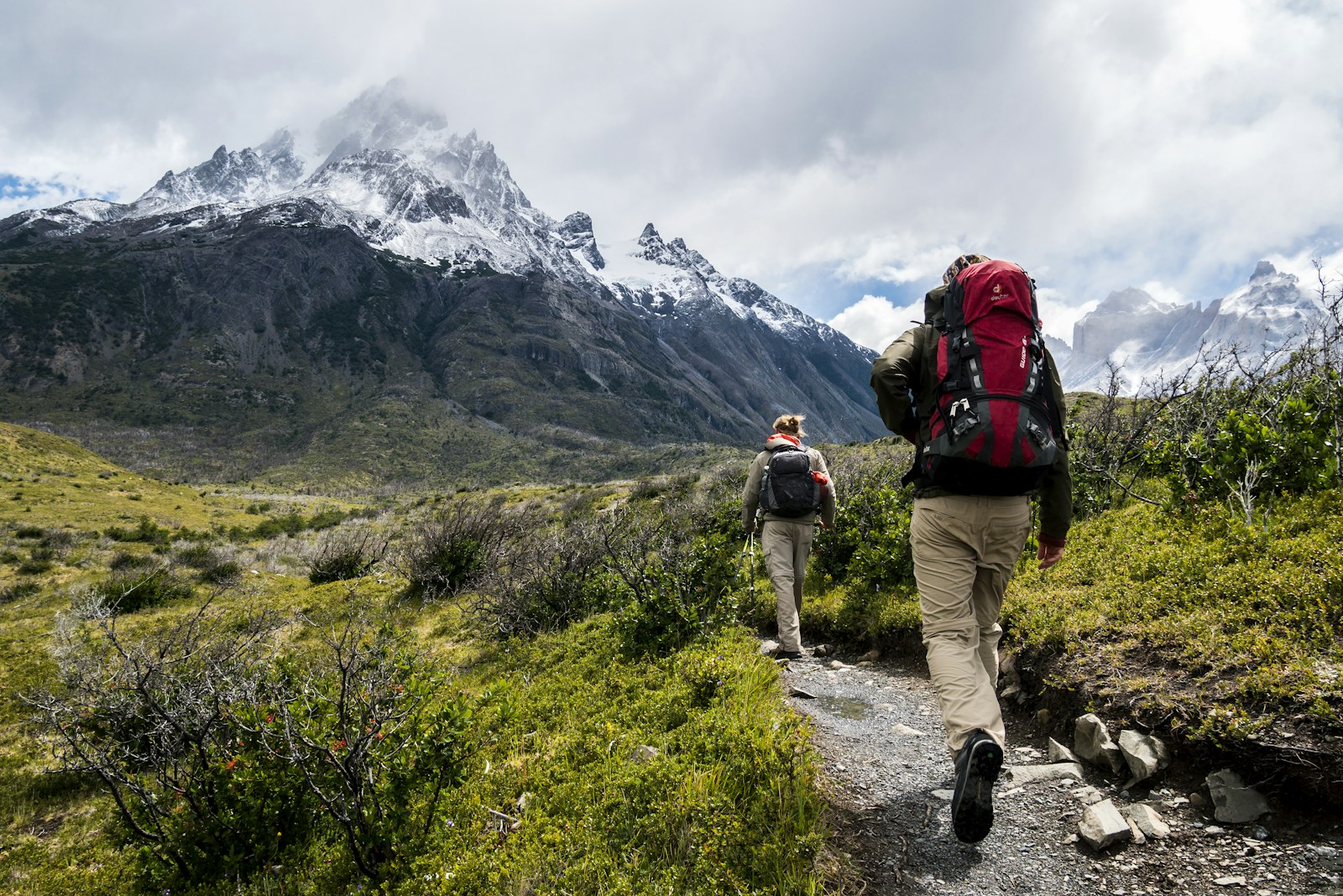
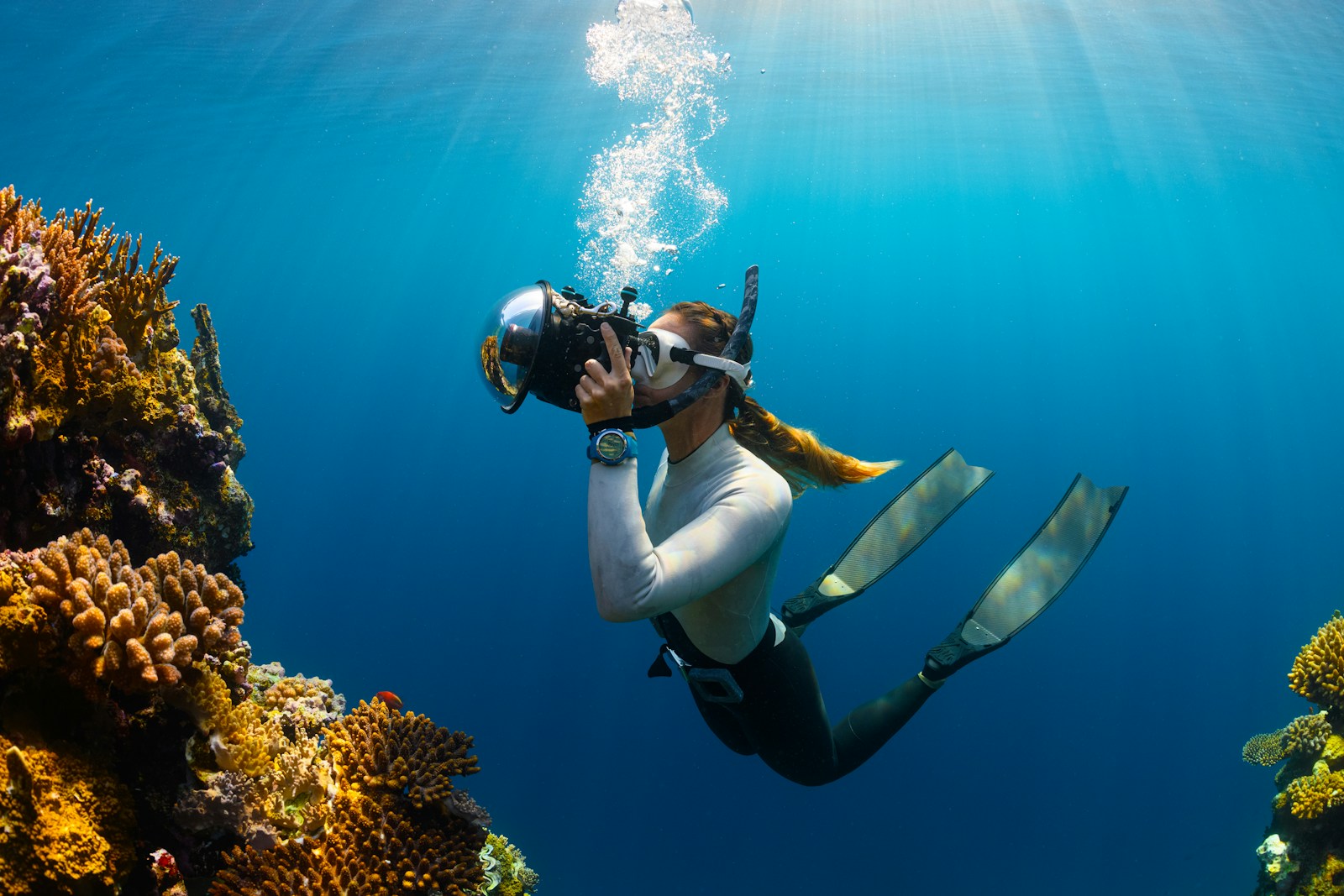
Let’s use a real example. You’re hiking the Inca Trail. You twist your ankle badly. A standard policy might cover the cost of a clinic in Cusco, but it won’t cover a helicopter evacuation from the trail if you can’t walk out. That rescue can easily run $5,000 to $10,000. Or consider skiing: if you break a binding or damage your skis, a standard policy likely won’t cover the cost of replacement or repair, especially if the damage happens during use. Another common scenario: you book a scuba diving trip, and your standard policy has a depth limit of 30 meters. Most recreational diving falls under that, but if you go deeper or need to treat decompression illness, you could be completely uncovered. This isn’t about fear-mongering; it’s about logistics. You need a policy built for the activity you’re actually doing.
Who This Insurance Is For (and Who It Isn’t)
Segmentation matters here. Not every adventure traveler needs the same policy.
Casual hikers â If you’re sticking to well-marked day trails in national parks, a standard policy with an adventure sports add-on is often sufficient. You don’t need a specialized high-risk plan. For trail navigation, a reliable hiking compass and map are worth considering to avoid getting lost.
Serious mountaineers â If you’re heading above 5,000 meters or doing technical climbs, you need a policy that specifically covers mountaineering at high altitudes. A standard adventure policy probably won’t work.
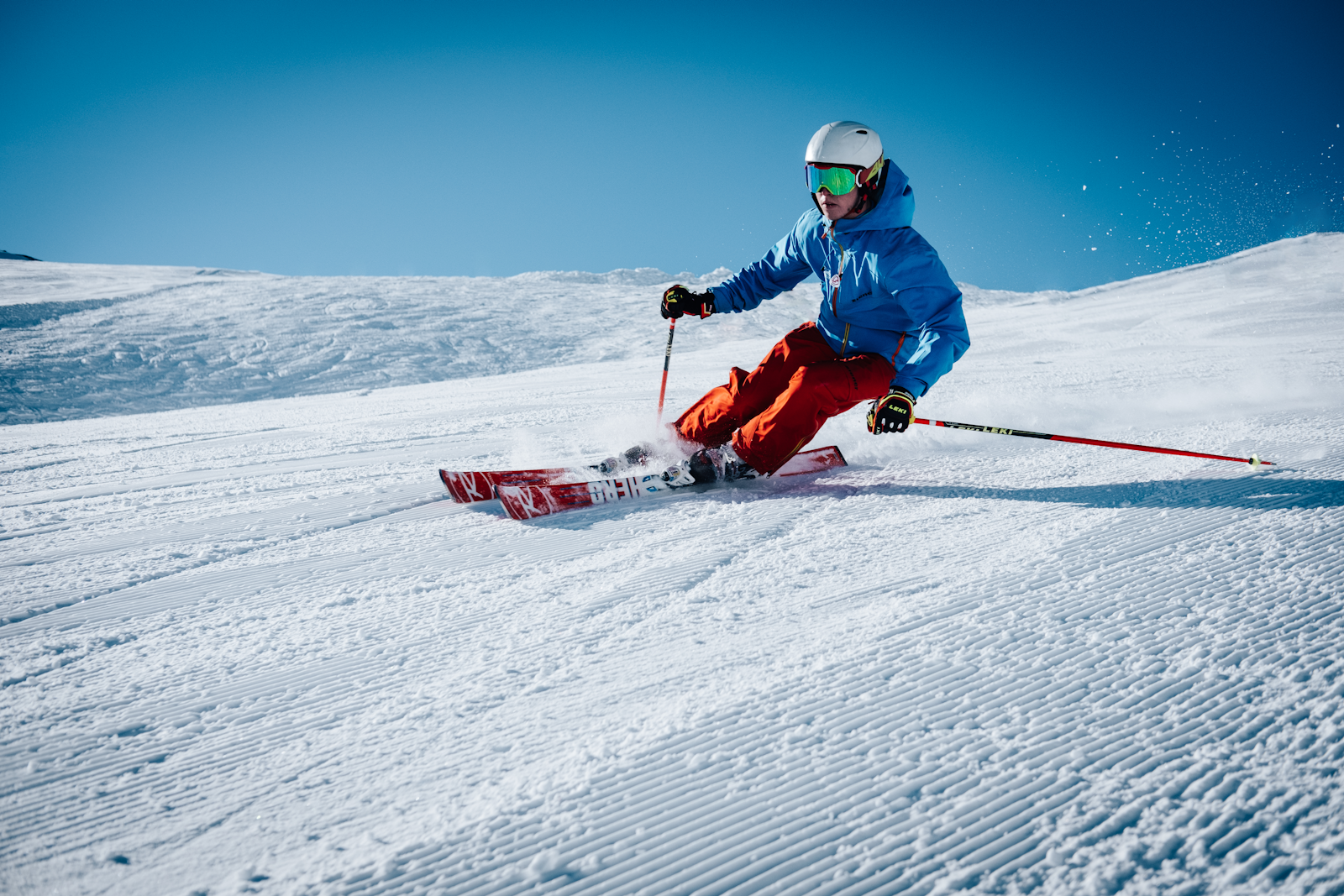
Resort skiers â Most standard adventure policies cover downhill skiing within resort boundaries. If you’re only doing groomed runs, you’re fine.
Backcountry riders â This is a higher-risk activity. You need a policy that explicitly covers off-piste skiing or snowboarding and includes helicopter rescue for avalanches or injuries.
Novice snorkelers â Usually covered under a basic add-on. Just check depth limits and decompression illness coverage.
Advanced divers â If you’re diving beyond 30 meters, cave diving, or doing technical diving, you need a specialized diving-specific policy or a high-risk adventure plan that explicitly lists these activities.
Avoid this if you’re only doing city tours and museum visits. A standard travel insurance policy is cheaper and covers what you need. Don’t overbuy.
The 5 Most Common Mistakes People Make When Buying Adventure Insurance
Over the years, I’ve seen the same patterns. Here are the biggest pitfalls and how to avoid them.
1. Not reading the fine print on activity exclusions. This is the most common mistake. A policy might say it covers âhiking,â but then exclude âtrekking above 4,000 meters.â Or it covers âskiingâ but excludes âoff-piste.â Read the specific list of excluded activities. If you’re unsure, call the provider.
2. Assuming all policies cover helicopter evacuation. Many policies do, but limits vary wildly. Some cap evacuation at $50,000, which can be used up quickly. Others offer unlimited or very high limits. For remote adventures, this is non-negotiable.
3. Forgetting to check altitude limits. This is a killer for trekkers. If you’re doing the Everest Base Camp trek, you’re at 5,364 meters. Many policies cut off coverage at 4,000 meters. You need a plan that covers high altitudes.
4. Not declaring pre-existing medical conditions. This is a simple error with huge consequences. If you have a condition like asthma, diabetes, or high blood pressure, and you don’t declare it, any related claim will likely be denied. Be honest. Some companies offer pre-existing condition waivers if you buy within a certain window after booking.
5. Buying the cheapest policy without comparing coverage. It’s tempting to save $20. But that cheap policy might have a $500 deductible, a low medical limit, and exclude your core activity. Compare coverage limits, not just price. A $50 policy that leaves you uncovered is a bad deal.
If you want a trusted provider that covers these gaps, World Nomads is a popular choice for its flexible, activity-inclusive policies. Their Explorer plan covers a broad range of activities without needing separate add-ons. You can check rates and full details here: World Nomads Adventure Travel Insurance.
How We Compare Adventure Travel Insurance Plans
To give you a practical comparison, I use these specific criteria:
- Medical coverage limit â I look for at least $100,000 in emergency medical expenses. For high-risk activities, $250,000 or more is better.
- Medical evacuation limit â This should be at least $250,000. For remote trekking or backcountry skiing, $500,000 or unlimited is ideal.
- Activity inclusion â Does the policy explicitly list the activities you’ll be doing? If it’s a single-trip plan, check for scuba depth limits, ski backcountry coverage, and altitude restrictions.
- Deductible â Lower deductibles mean you pay less out of pocket. But they also mean higher premiums. For adventure travel, a deductible of $0 to $100 is worth paying for.
- Customer service and claims reputation â I look at reviews for claims processing speed and responsiveness. You don’t want to be stuck waiting weeks when you need help immediately.
- Pre-existing condition rules â Does the plan offer a waiver? What is the lookback period? This is critical for anyone with ongoing health issues.
Top Adventure Travel Insurance Plans Compared
Here are four plans that consistently perform well for adventure travelers. Remember that the best plan depends on your specific activities and trip.
World Nomads â Explorer Plan
Best for: Multisport trips, solo travelers, and anyone doing a mix of activities like hiking, skiing, and scuba diving.
Coverage highlights: Broad activity list with no add-ons needed. Medical evacuation up to $500,000. Covers off-piste skiing and scuba diving up to 30 meters. Trip cancellation up to $5,000.
Key exclusions: Altitude limits above 6,000 meters. Pre-existing conditions are not covered. Some high-risk activities like BASE jumping are excluded.
Why it stands out: It’s one of the most flexible policies on the market. You can buy it while already traveling, which is rare. The claims process is generally well-reviewed.
Check rates and activities: World Nomads Explorer Plan
Allianz Travel â OneTrip Prime
Best for: Travelers who prioritize strong medical coverage and are doing lower-risk adventure activities like resort skiing or guided hikes.
Coverage highlights: Emergency medical expenses up to $50,000. Medical evacuation up to $50,000. Trip cancellation up to $10,000. Offers a lower deductible than many comparable plans.
Key exclusions: Activity list is narrower than World Nomads. Backcountry skiing and high-altitude trekking may not be covered. Check for specific activity exclusions.
Why it stands out: Allianz has a strong reputation for customer service and claims processing. The medical coverage is solid for standard adventure activities.
Check rates: Allianz Travel Insurance
Travelex â Travel Select
Best for: Families and couples doing moderate adventure activities. Good for multi-trip annual policies.
Coverage highlights: Emergency medical expenses up to $50,000. Medical evacuation up to $500,000. Trip cancellation up to $2,500. Children are covered free on family plans.
Key exclusions: Activity list is limited. High-risk sports like scuba diving below 30 meters, mountaineering, and backcountry skiing may require add-ons or be excluded entirely.
Why it stands out: Family-friendly pricing and good medical evacuation limits. Works well for resort-based adventures.
Check rates: Travelex Insurance
Global Rescue â Global Rescue Medical & Security
Best for: High-risk activities like mountaineering, backcountry skiing, and extreme sports. This is not a standard travel insurance policy; it’s a dedicated medical and security evacuation service.
Coverage highlights: Unlimited medical evacuation. 24/7 medical team. Can extract you from remote locations using helicopters or private aircraft. Includes security evacuation from dangerous situations.
Key exclusions: Does not cover trip cancellation, baggage loss, or standard medical expenses. It’s a supplement, not a full policy. You need a separate travel insurance plan for those.
Why it stands out: For truly remote or high-risk trips, this is the gold standard. If you’re climbing Denali or skiing in the Himalayas, this is worth considering.
Check membership options: Global Rescue
What to Do If You Have a Medical Emergency During an Adventure Activity
Knowing the steps to take can save you time, money, and stress. Here’s a practical checklist.
- Contact your insurance provider’s emergency assistance number first. Do not call a hospital directly unless it’s a life-threatening emergency. The provider needs to authorize evacuation or medical transport. If you act without permission, they may not cover the cost.
- Do not admit fault. If you’re injured in an accident, don’t say âI was carelessâ or âI should have been more careful.â Stick to the facts. Admitting fault can complicate claims.
- Keep detailed records. Take photos of your injuries, the scene, and any gear that was damaged. Get written reports from guides, witnesses, or local authorities. Save all medical receipts.
- Coordinate with the insurance provider before any evacuation. If possible, let them arrange the transport. If you can’t reach them, proceed with caution and keep all documentation.
- Do not sign anything you don’t understand. Especially if language is a barrier. Ask for a translator or wait for your insurance provider to be on the line.
Save your insurance provider’s emergency number in your phone and on a printed card in your wallet. You won’t have time to search for it when you’re injured.
How to Choose the Right Plan for Your Specific Activity
Here’s a decision matrix based on the most common adventure activities.
| Activity | Key Coverage to Check | Recommended Plan Type |
|---|---|---|
| Hiking / Trekking | Altitude limit, medical evacuation | World Nomads Explorer or Global Rescue supplement for high-altitude treks |
| Skiing / Snowboarding (resort) | Equipment coverage, piste closure | Allianz OneTrip Prime or Travelex Travel Select |
| Backcountry Skiing | Avalanche rescue, helicopter evacuation | World Nomads Explorer or Global Rescue dedicated membership |
| Scuba Diving | Depth limit, decompression illness coverage | World Nomads Explorer (up to 30m) or a specialized diving policy from DiveAssure |
| Multisport Trip | Comprehensive activity list, high medical limits | World Nomads Explorer â covers the broadest range of activities in one plan |
If you’re doing multiple activities on one trip, a comprehensive plan like World Nomads Explorer is your best bet. You won’t have to buy multiple add-ons or risk a gap in coverage for one activity.
Why You Should Buy Adventure Insurance Before You Book
Here’s the practical logic. Most policies offer trip cancellation coverage that starts the moment you purchase the policy. If you buy it after you book your flights and accommodations, you’re not covered if something goes wrong before departure. Many providers also have a âpre-existing condition waiverâ that requires you to buy the policy within a specific windowâoften 10 to 21 days after your first trip payment. If you wait, you lose that waiver. Buying early also locks in your price. And if you have to cancel because of an injury before your trip, you can recover those costs. Don’t leave it until the last minute.
Frequently Asked Questions About Adventure Travel Insurance
Does insurance cover a trip cancellation if I’m injured before departure?
Yes, if you have a covered medical reason and you bought the policy before the injury occurred. This is why buying early is important. Pre-existing conditions are a separate issue, so be honest about them.
Can I buy insurance after booking a risky activity?
Yes, you can. Most policies allow you to buy insurance after you’ve booked flights or accommodation. However, if you’ve already started the trip, options are limited. World Nomads is one of the few that lets you buy while traveling, but you cannot buy a policy after an incident has occurred. Do it before you go.
What if my gear is stolen or damaged?
Most adventure policies cover theft and accidental damage. But careful: depreciation formulas vary. Some policies pay the full replacement cost, while others deduct a percentage for wear and tear. Keep receipts for expensive gear. Limits per item are commonâoften $500 to $1,000. If your climbing gear is worth $2,000, you may need a special add-on or a separate valuables policy. For divers, a dive computer is essential gear worth protecting.
Is helicopter evacuation always included?
No. It’s included in many adventure plans, but limits vary. Some policies have a flat $50,000 cap. A remote helicopter rescue can easily cost $30,000 to $50,000. For high-risk activities, look for plans with $250,000 or unlimited evacuation coverage.
Does insurance cover me if I travel against government advisories?
Usually not. If your country’s government issues a âdo not travelâ advisory for a region, most travel insurance policies will not cover you if you go there anyway. This includes adventure activities in those areas. Always check the travel advisories before you book.
Ready to Find the Right Plan?
You don’t need to overthink this. If you’re doing standard adventure activitiesâhiking, resort skiing, guided toursâa plan like World Nomads Explorer covers you well. If you’re heading into serious backcountry or high altitudes, consider adding Global Rescue for evacuation. For families, Travelex offers good value. The most important step is to buy before you leave, read the fine print on activity exclusions, and be honest about your health. Use the comparison above to find the plan that fits your trip, and don’t wait until the last minute. For carrying all your gear securely, a durable waterproof duffel bag can keep your equipment safe and organized.
Check the latest rates and activity lists for World Nomads Explorer here: World Nomads Adventure Travel Insurance. If you need a more specialized option, Global Rescue is worth a look: Global Rescue Membership. Book now and travel with confidence.