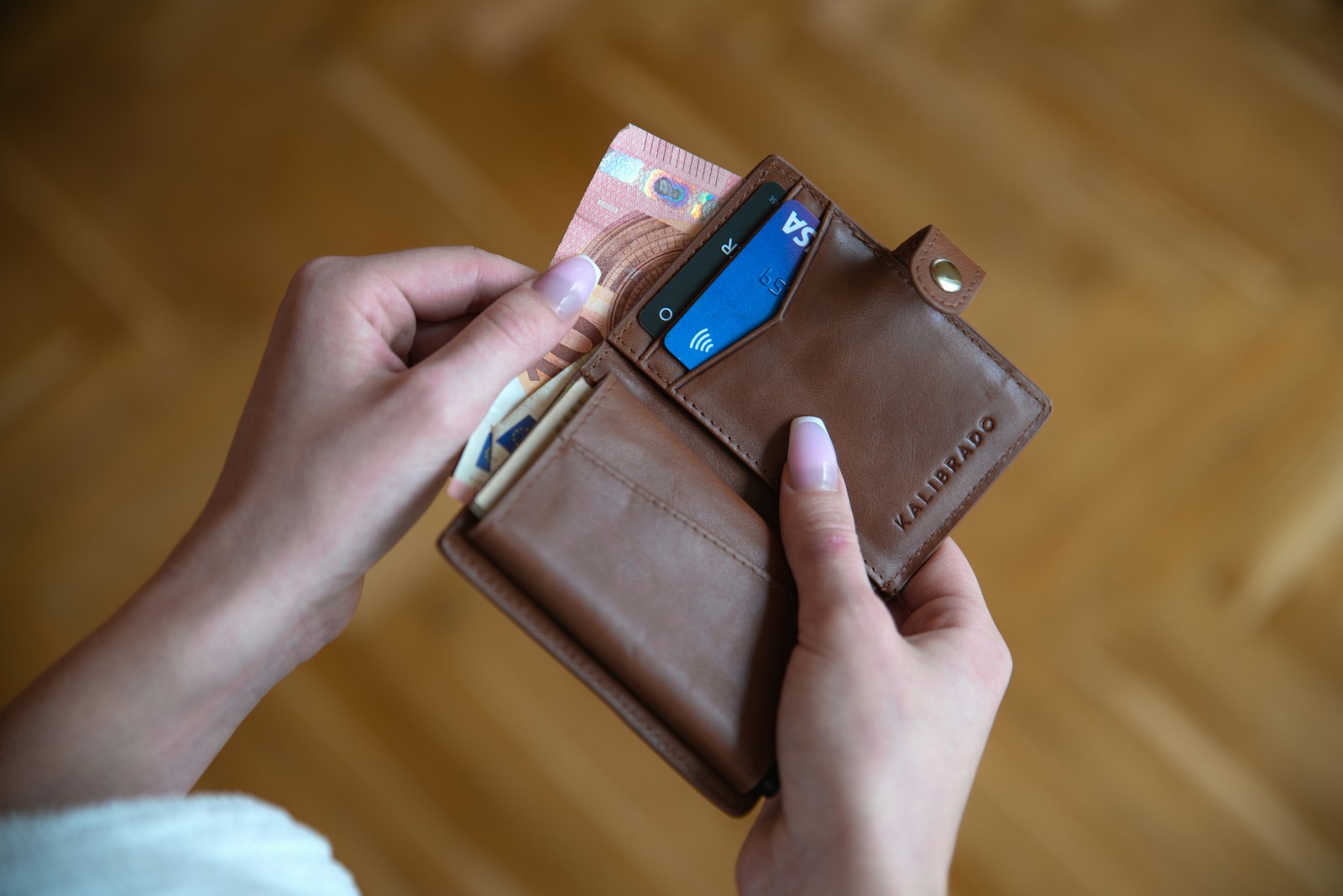
The 5 Best Travel Wallets for Security and Organization in 2025
Introduction
You don’t realize how bad your everyday wallet is for travel until you’re standing in a crowded metro station in Rome, one hand clamped over your back pocket, wondering if that brush against your leg was just the crowd or something more. That’s when most travelers start searching for the best travel wallet anti theft options.
Traditional bi-fold and trifold wallets are a liability on the road. They’re bulky, obvious, and offer zero protection against the two real threats: pickpocketing and RFID skimming. Over the past few years of international trips, I’ve tested over a dozen travel walletsâfrom budget no-namers to premium anti-theft brands. This guide cuts through the noise to help you find a wallet that balances security with real-world organization.
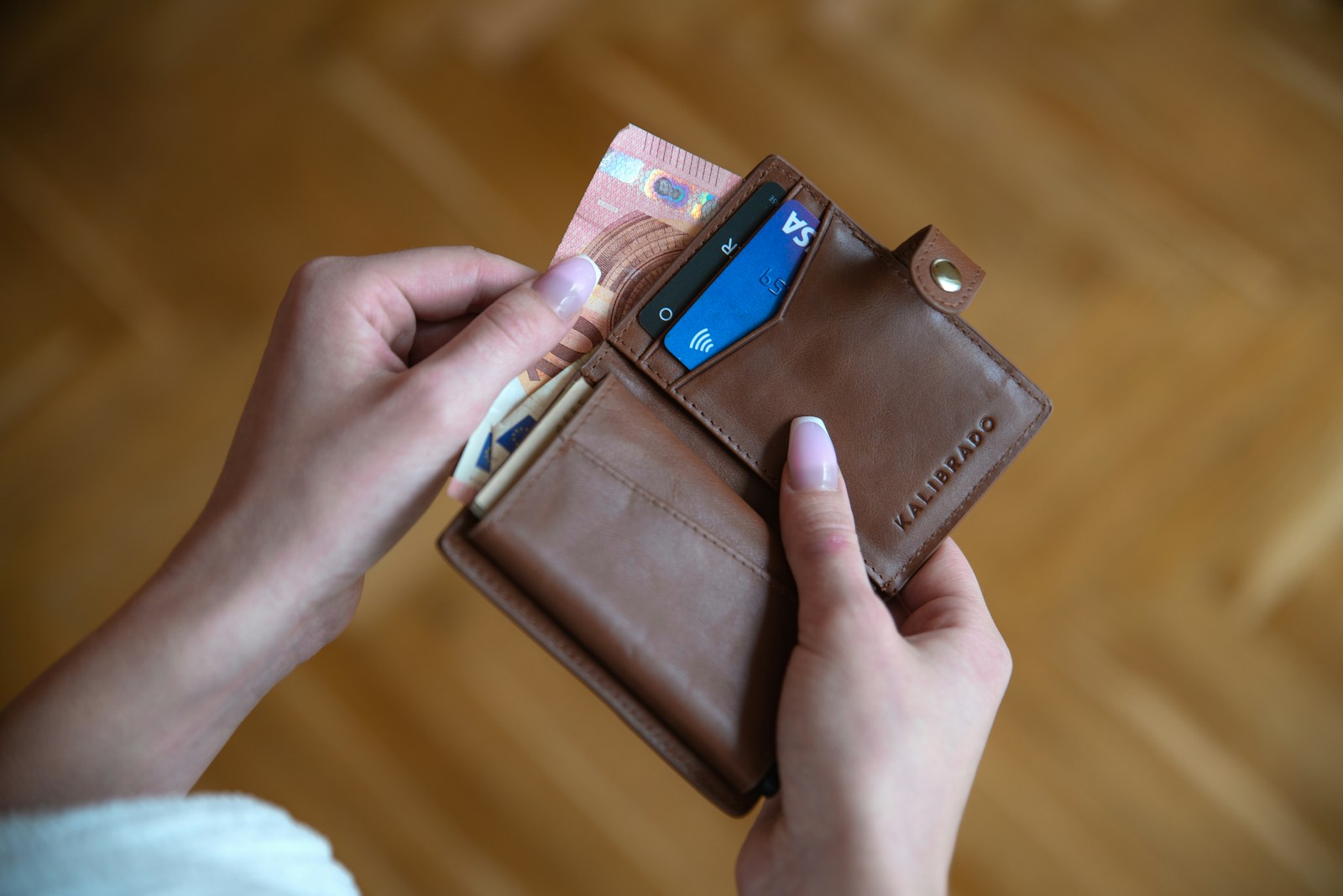
What Makes a Travel Wallet Truly Anti-Theft?
Not every wallet labeled âanti-theftâ deserves the title. Here’s a grounded look at the features that actually matter.
RFID Blocking
RFID skimming is the digital version of pickpocketing. Thieves use handheld scanners to read data from contactless cards (credit cards, passports, transit passes) from a few inches away. A wallet with RFID-blocking materialâusually a thin metal mesh or carbon fiber liningâcreates a Faraday cage that blocks those radio waves. Does every traveler need it? In high-traffic tourist areas, it’s cheap insurance. Most decent travel wallets now include it as standard. Don’t pay a huge premium just for RFID; just make sure it’s there. Travelers looking for a solid starting point might consider an RFID blocking travel wallet that balances protection with everyday usability.
Slash-Resistant Materials
A slash-proof wallet uses woven materials like Dyneema, Kevlar, or stainless steel mesh embedded in the fabric. This prevents a thief from cutting the strap of a neck wallet or slicing the bottom of your pocket. Real talk: unless you’re in a known high-risk area for bag slashing (certain parts of Europe and South America), this feature is more about peace of mind than necessity. It adds weight and cost, so weigh that tradeoff.
Locking Mechanisms
Some anti-theft wallets include a small locking clip or carabiner that attaches to a belt loop or bag strap. Others have zippers that lock at the end. These are nice-to-haves but not dealbreakers. A zippered compartment is more about preventing items from falling out than active theft. A locking clip can stop a quick snatch-and-run but can also be annoying to use multiple times a day.
Design for Concealment
The single most effective anti-theft feature is making your wallet hard to find. This means a slim silhouette that fits in a front pocket, a hidden neck pouch worn under a shirt, or a design that doesn’t bulge obviously. A flashy, fat wallet screams âtourist target.â The best anti-theft wallet is one a pickpocket doesn’t even spot. For travelers who prefer wearing valuables close, a hidden neck pouch for travel can keep your passport and backup cards out of sight.
How We Tested and Selected the Best Options
This list wasn’t built from spec sheets alone. Every wallet here was used in real travel conditions: daily carry in high-density cities like Barcelona and Bangkok, commutes on crowded metro systems, trips through multiple airport security checkpoints, and even a few beach days where the wallet went in a bag.
The criteria were simple but strict. Security came firstâdoes this wallet genuinely protect against theft and skimming? Next was organization: can it hold the essentials (a few cards, some local cash, a passport) without becoming a brick? Comfort mattered for all-day carry. Finally, value for money: does the price align with what you actually get?
I purchased or borrowed every wallet on this list myself. No free samples, no sponsored product placements. The honest, sometimes critical feedback below is the result of that process.
The 5 Best Travel Wallets for Security and Organization
1. Pacsafe V150 Anti-Theft Wallet â Best Overall
Best For: Travelers who want the most well-rounded, high-security option without carrying a fanny pack.
The Pacsafe V150 is the gold standard for a reason. It hits all the right notes: RFID blocking, a cut-resistant Dyneema strap embedded in the fabric, and a locking carabiner that clips to your belt loop or bag. It’s slim enough for a front pocket but has enough organization for daily use. I used this one extensively in Madrid and never once worried about it. The main compartment holds cards and folded cash; there’s a clear ID window and a zippered coin pocket that stays shut.
It’s not the cheapest option, but the construction quality is excellent. The fabric feels tough without being stiff, and the locking mechanism is smooth and quick. If you buy one travel wallet and want maximum protection, this is it.
- Key Specs: Dyneema embedded fabric, RFID blocking, locking carabiner, 6 card slots, zippered coin pocket, 5 x 3.5 inches.
- Pros: Excellent build, real anti-theft features, carries comfortably in a front pocket.
- Cons: Slightly heavier than a basic leather wallet; not for minimalists who carry just a card and cash.
Check price and reviews on Amazon
2. Travelambo Front Pocket Wallet â Best Budget Option
Best For: Travelers on a tight budget who still want basic security and a comfortable front-pocket fit.
The Travelambo is an incredible value. It’s a minimalist front-pocket design made from thin, durable fabric (usually microfiber or a similar non-leather material) with an RFID-blocking layer. It’s slim and fits virtually unnoticed in your front pocket. It can hold up to about 8-10 cards plus some folded cash, which is plenty for most trips. The biggest downside is that the RFID blocking isn’t as robust as high-end options; it’s good enough for casual use.
I used one of these for a week in Lisbon. No issues. The material doesn’t stain easily, and it goes through airport security just fine. At this price point, you can buy two (one for backup) and still spend less than a single premium wallet.
- Key Specs: Microfiber, RFID blocking, 8-10 card capacity, single cash slot, 4.3 x 2.8 inches.
- Pros: Extremely affordable, very slim, surprisingly durable for the cost.
- Cons: No coin pocket, no pass-through compartment, RFID protection is entry-level.
Check price and reviews on Amazon
3. Bellroy Slim Sleeve â Best Minimalist Wallet
Best For: Travelers who carry only the essentials and value premium materials and a tailored fit.
The Bellroy Slim Sleeve is a different beast. It’s not marketed as âanti-theftâ in the technical sense, but its design philosophy is anti-theft by stealth. It’s thin and flatâabout half the bulk of a standard wallet. It sits flush in your front pocket and looks like nothing’s there. The leather is premium (quality varies by color choice), and it uses a pull-tab card slot for quick access. It does include RFID blocking.
Is it the most secure? No. There’s no locking clip or slash-proof strap. But for the traveler who prioritizes discretion and organization over literal barriers, this is a great choice. Use it in combination with a money belt for valuables. I carry one as my everyday wallet and love the feel.
- Key Specs: Premium leather, RFID blocking, 2 quick-access card slots, 1 hidden compartment, fits folded currency, 4.1 x 2.8 inches.
- Pros: Excellent build quality, extremely slim, ages well, comfortable.
- Cons: Limited capacity, not slash-resistant, higher price for the features.
Check price and reviews on Amazon
4. Lewis N. Clark RFID Blocking Neck Wallet â Best for Concealed Carry
Best For: Travelers who want to keep their passport, main credit card, and cash hidden under clothing.
Neck wallets aren’t exciting, but they’re effective. The Lewis N. Clark model is well-designed for this purpose: it’s lightweight, flat, and has a comfortable neck strap that adjusts easily. It sits flat against your chest and is virtually invisible under a shirt. Inside, there are multiple compartments for passport, cards, and cash, plus an RFID-blocking layer. The strap has a breakaway safety feature so it doesn’t strangle you if caught, and it’s also slash-resistant.
I wore one of these on a multi-country trip in Southeast Asia where bag theft was a real concern. It worked perfectly. The main downside is that accessing your stuff requires unbuttoning a shirt, which is fine when you know a big purchase is coming, but annoying for a quick coffee. Use this for your valuables and keep a small, cheap wallet in your pocket for daily spending.
- Key Specs: Nylon, RFID blocking, breakaway strap, multiple compartments, 6.5 x 5 inches.
- Pros: Excellent security, comfortable under clothing, keeps valuables hidden, good capacity.
- Cons: Requires unbuttoning shirt to access, can feel warm in hot climates, not stylish.
Check price and reviews on Amazon
5. Tile Slim â Best Tech-Integrated Wallet
Best For: Tech-savvy travelers who lose things and want a built-in tracker.
The Tile Slim is a credit-card-shaped tracker designed to fit inside your wallet or passport holder. It works alongside the Tile app on your phone (iOS and Android) to help you locate your wallet if you misplace it. It’s not a traditional wallet; it’s a device that you put inside your existing wallet or a travel cardholder. But it’s incredibly useful. The range is about 200 feet for Bluetooth, and you can also use it to find your phone by double-pressing the button.
Is it anti-theft? No, not in the physical sense. But for organization and peace of mindâespecially when you’re jet-lagged and forget where you put your cards in the hotel roomâit’s a game-changer. Pair it with a slim RFID-blocking cardholder for a complete system. I use one in my primary travel wallet and it has saved me multiple panic attacks.
- Key Specs: Bluetooth tracker, 200 ft range, replaceable battery (CR2032), waterproof, fits in any card slot.
- Pros: Locates lost wallet, helps find phone, very slim, easy to use.
- Cons: Does not provide physical security or RFID protection on its own; requires a separate wallet; battery needs annual replacement.
Check price and reviews on Amazon
For the Minimalist: Why Less Is More for Security
The single best anti-theft measure is to carry less. A slim wallet is harder to spot, harder to snatch, and less likely to bulge obviously and attract attention. It also forces you to be organized. You can’t stuff a minimalist wallet with 15 cards, a reward card from a shop you visited once, and old foreign currency. You’re forced to carry only what you need: two to three cards, some local cash, and your ID.
Practically, a slim front-pocket wallet like the Travelambo or Bellroy is less likely to fall out of a shallow pocket, and it doesn’t create a visible lump that says âvaluables here.â It’s also more comfortable for all-day wear. If you can’t commit to carrying only the essentials, consider a two-wallet system: a slim daily wallet and a neck wallet for the big-ticket items.
Neck Wallets, Belt Wallets, or Front Pocket? Choosing Your Carry Style
Your carry style should match your trip profile, not a marketing trend.
Neck Wallets
Best for long periods where you need hands-free security (backpacking, overnight trains, crowded markets). The wallet goes under your shirt, making it nearly impossible to grab without your knowledge. The downsides are real: they can get sweaty in hot climates, accessing your passport mid-transit requires disturbing your outer layer, and they don’t look great if you have to open your shirt at a restaurant. Use a neck wallet for backup documents and a small front-pocket wallet for daily spending. Travelers who want to keep everything organized might consider a travel document organizer wallet that combines a passport holder with card slots and a pen loop.
Belt Wallets
Belt wallets clip onto your belt and sit at your waist, either inside or outside your pants. They’re convenient and keep your pockets empty. The security issue is that a belt wallet can be easily unclipped by someone bumping into you, and a cut strap renders it useless. I generally avoid them for urban travel. They’re fine for hiking or day trips where you control your surroundings.
Front Pocket Wallets
This is the default for most travelers, and for good reason. It’s the most discreet, the most comfortable for long periods, and the easiest to access. The key is choosing a slim model that fits completely in your front pocket without protruding. A front-pocket wallet is less likely to be targeted than a back-pocket one (which is extremely vulnerable) but it’s still reachable. That’s why you pair it with situational awareness, not because it’s invulnerable.
Common Mistakes Travelers Make with Their Wallet
After years of traveling and testing gear, I see the same mistakes repeated.
1. Overstuffing the Wallet
Packing your wallet with every card you own makes it bulky, uncomfortable, and a bigger target. You don’t need your library card, gym membership, or five different loyalty cards on a trip. Strip it down to essentials. I once saw a traveler in a hotel lobby literally drop his entire life on the floor because his wallet burst at the seams.
2. Keeping All Cards and Cash in One Place
If your wallet gets stolenâor you simply lose itâyou’ve just lost access to everything. That’s a hard lesson I learned myself. Always split your resources. Keep your main spending card and a small amount of cash in your daily wallet. Store your passport, a backup credit card, and backup cash in a separate neck wallet or hotel safe.
3. Ignoring RFID Protection
Is RFID skimming common? No, it’s not an epidemic. But it happens often enough in high-traffic tourist zones that ignoring it is unwise. You’re not going to be targeted every day, but the one time it happens is enough. Most modern anti-theft wallets include it at no extra cost, so there’s no excuse not to have it. A simple RFID blocking card holder can add protection to any wallet you already own.
4. Using an Obvious âTouristâ Wallet
Bright colors, oversized logos, shiny metallic finishesâall of these scream âtouristâ to a pickpocket. A plain, dark, slim wallet is far less likely to be noticed. Blending in is a low-effort security move.
How to Organize Your Travel Wallet Like a Pro
A good system keeps you organized and safe.
- Main compartment: Put your daily-use credit card, debit card, and local currency here. That’s your spending wallet.
- Separate slot: Dedicate one compartment to your passport or ID card (if your wallet has a dedicated slot). Never put your passport in a pocket that’s easily accessible.
- Secret pocket: If your wallet has a hidden zippered compartment, use it for your backup credit card and emergency cash. Only open this in private.
- Digital backup: Take a photo of the front and back of every card in your wallet. Store it in a secure cloud folder or email it to yourself. If you lose your wallet, you can still access card numbers, contact information, and fraud reporting hotlines.
This system works with basically any of the wallets listed above. The goal is to minimize daily handling of your valuables while keeping everything findable.
The Verdict: Which Best Travel Wallet Anti Theft Is Right for You?
Here’s a quick decision guide based on your travel style.
- Best overall: Pacsafe V150 for travelers who want maximum security without a separate pouch.
- Best budget: Travelambo Front Pocket Wallet for the best value, low cost, and solid basics.
- Best minimalist: Bellroy Slim Sleeve for premium feel and ultra-discrete carry.
- Best for concealed carry: Lewis N. Clark Neck Wallet for valuables security under clothing.
- Best for gadget lovers: Tile Slim to add a tracker to your existing setup.
Match your needs to the profile. Whichever you choose, you’ll be better protected than the vast majority of travelers. Check the recommended options on Amazon to see current pricing and read more verified reviews.
Frequently Asked Questions About Anti-Theft Travel Wallets
Does RFID blocking really work?
Yes, it works. A wallet with a properly constructed RFID-blocking layer (metal mesh or similar) will prevent the radio waves from a contactless card from being read. However, the risk of skimming is low in most places. It’s worth having but not worth paying a huge premium for.
Can I put my phone in an anti-theft wallet?
Some larger travel wallets or cross-body bags include a phone slot, but most slim pocket wallets won’t accommodate a full-sized phone. If you want your phone protected too, look for a pouch-style wallet or a phone case with a built-in card slot that includes RFID protection.
Is a money belt necessary for Europe?
Not for most destinations, but it’s a good option for high-risk cities like Rome, Barcelona, or Paris, especially for your passport and a backup card. For general use, a front-pocket anti-theft wallet is more practical. A money belt under your pants is great for sleeping on trains or long bus rides.
How many cards should I carry in my travel wallet?
Two to three at the absolute maximum for daily use. One credit card, one debit card, and maybe a transport card. Keep your backup cards and cash elsewhere. Overstuffing defeats the purpose of a slim, secure wallet.
What’s the best material for an anti-theft wallet?
For security, Dyneema or Kevlar-embedded materials are best. For durability and everyday use, high-quality nylon or microfiber works well. Leather is comfortable and looks good but offers no slash resistance and can wear down faster.