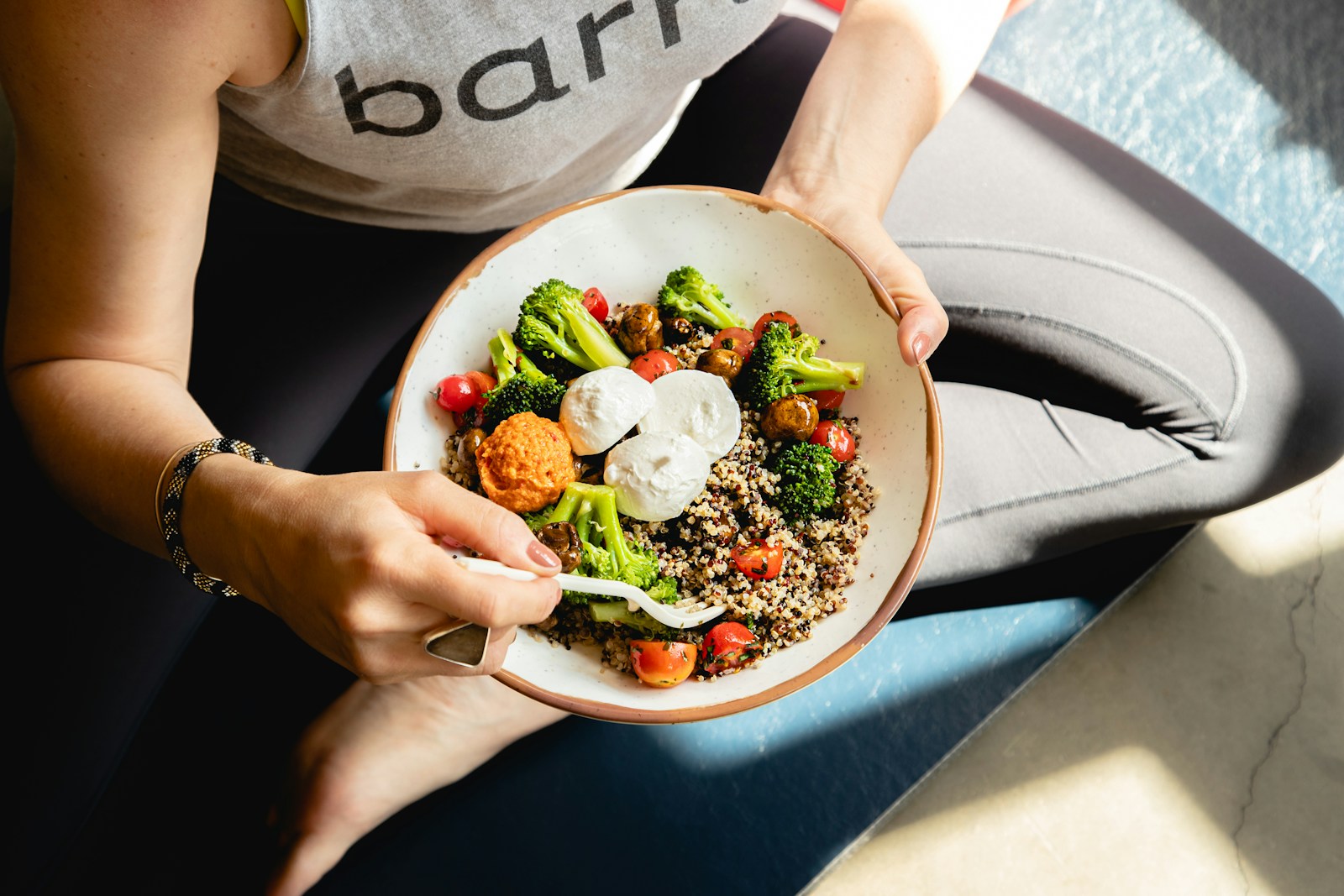
How to Stay Healthy While Traveling: Tips for Eating and Sleeping
Introduction
Travel disrupts routines. Thatâs the whole point for most people. But when your sleep schedule collapses and every meal comes from a gas station or airport food court, the experience changes. You get tired, irritable, and start making worse decisions. Suddenly, a trip you looked forward to feels like a drain instead of a recharge.
Staying healthy while traveling doesnât require a rigid diet or a suitcase full of supplements. It just takes a little planning and the right priorities. This article focuses on the two areas that matter most: eating and sleeping. Get those right, and everything else gets easier. Get them wrong, and no amount of sightseeing will fix how you feel.
Iâve spent years on the road, and these are the strategies that actually work for me and the travelers I advise. No gimmicks. Just practical advice to help you stay healthy while traveling.
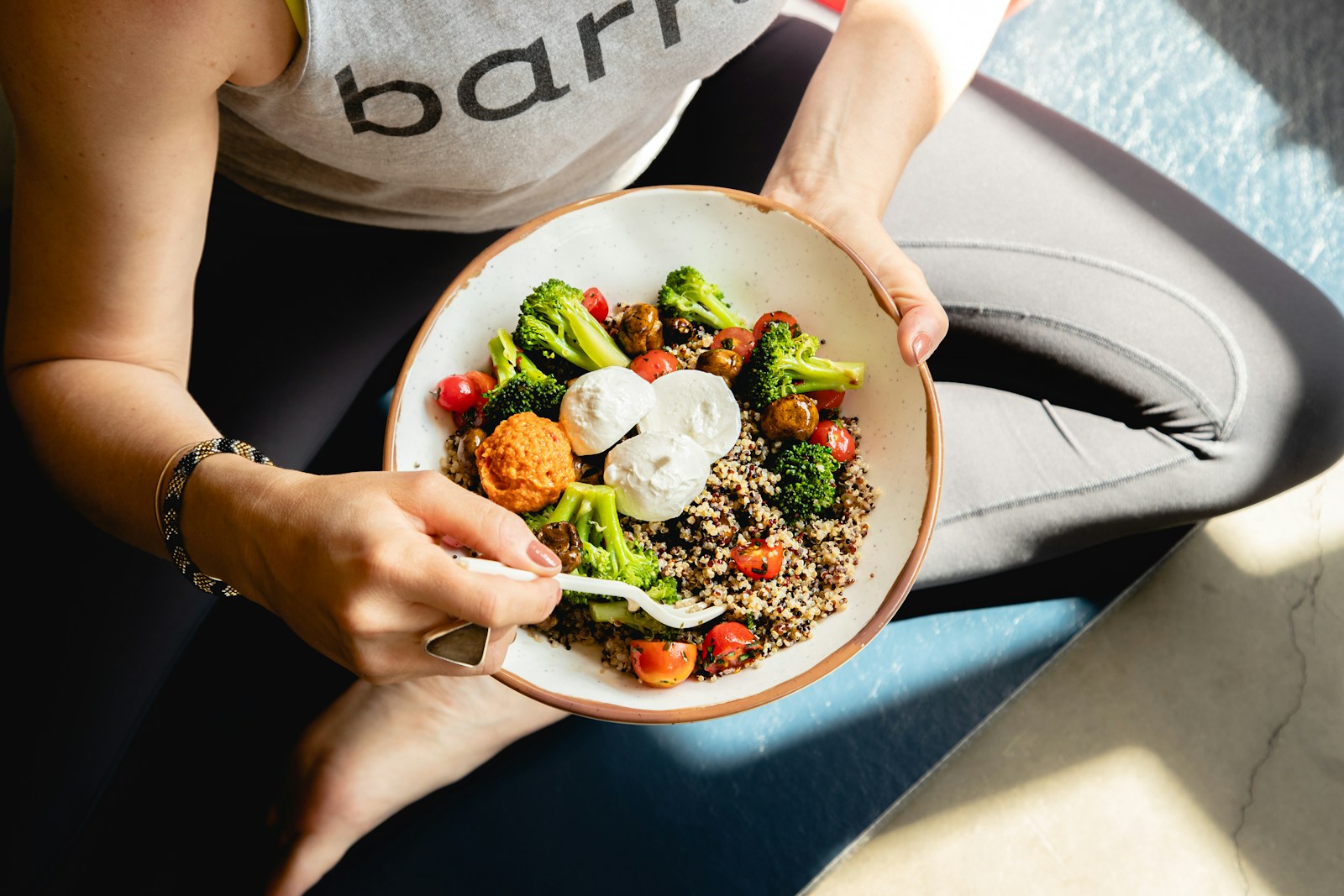
Why Eating and Sleeping Can Make or Break Your Trip
Think of your body as the vehicle for your trip. If you don’t fuel it properly and let it rest, it will break down. Youâll miss morning flights because you overslept, snap at your travel companions because youâre hangry, or skip that hike because youâre exhausted.
Travel throws a lot at your system. Time zones mess with your internal clock. Unfamiliar foods hit your digestion differently. The constant change of scenery and schedule makes it hard to maintain any kind of habit. This isnât just about comfortâitâs about performance. A well-rested, well-fed traveler gets more out of every day, makes better decisions, and recovers faster from the inevitable hiccups.
Eating and sleeping are the foundation. Everything elseâthe sightseeing, the business meetings, the family timeâsits on top of that. Ignore them, and the whole trip wobbles.
Before You Leave: Setting Yourself Up for Success
The work starts before you step out the door. A few simple preparations make it much easier to stay on track once youâre on the move.
Packing for better eating:
- Snacks: Throw a handful of nuts, a few protein bars, or some dried fruit into your carry-on. This is your insurance against terrible airport food or long delays. I keep a small ziplock of almonds and a low-sugar protein bar in my bag at all times.
- Hydration aids: A reusable water bottle is non-negotiable. It saves money and keeps you drinking throughout the day. I also pack a few packets of electrolyte powder for long flights or hot destinations.
- Meal support: If youâre prone to digestive issues, a small container of single-serving probiotics or digestive enzymes can be a lifesaver.
Packing for better sleep:
- Eye mask: A good one blocks out hotel curtains that always seem to have a gap. Travelers who need complete darkness may find a contoured travel eye mask that doesnât press on your eyes is worth the upgrade.
- earplugs&tag=bobstravelservice-20″ target=”_blank” rel=”nofollow sponsored”>Earplugs or noise-canceling earbuds: Loud hallways, thin walls, or a snoring seatmateâtake your pick. I use a small, rechargeable white noise machine that fits in my palm.
- Travel pillow: If you need support to sleep sitting up, a decent travel pillow makes a real difference. I prefer a memory foam one that actually stays in place.
These items donât take up much space, but they solve real problems.
Eating Well on the Road: Strategies That Work
Once youâre on the road, healthy eating becomes a series of small, tactical decisions.
Prioritize protein and fiber at every meal. These two keep you full and stabilize your energy. At an airport, that might mean a burrito bowl with chicken instead of a breakfast pastry. At a gas station, it could be a Greek yogurt and a piece of fruit instead of a bag of chips. A fast food salad often sounds healthy, but I find a simple grilled chicken sandwich with a side of apple slices is more satisfying and less of a gamble on quality.
Donât skip meals to âsaveâ yourself for dinner. This is a classic mistake. You end up ravenous at the airport or at a late dinner and grab whatever is fastest. A small, balanced meal earlier prevents that. I always eat something before a long travel day, even if itâs just plain oatmeal.
Water is your first line of defense. Dehydration mimics hunger. If you feel tired or hungry, drink a glass of water first. I try to refill my bottle at every water fountain I pass. Itâs a simple habit that pays off.
The Biggest Mistake Travelers Make with Airport Food
Here it is: relying on processed, sugary options or skipping meals entirely.
Airports are designed to push convenience over nutrition. The coffee shops are everywhere. The candy bars are at eye level. The sit-down restaurants often have menus that look okay but are loaded with hidden sugar and sodium. The combination of low energy and high stress makes you reach for the quick fix. You grab a muffin and a latte for breakfast. You eat a bag of pretzels for lunch. By 3 PM, youâre crashing hard.
The better approach is to treat the airport like any other place where you need to eat. Look for options with protein. A breakfast sandwich with egg and cheese is better than a pastry. A salad with grilled chicken is better than a burger. And if youâre really stuck, a protein bar from the convenience store is a thousand times better than a candy bar. Plan ahead, and you wonât have to rely on last-minute desperation.
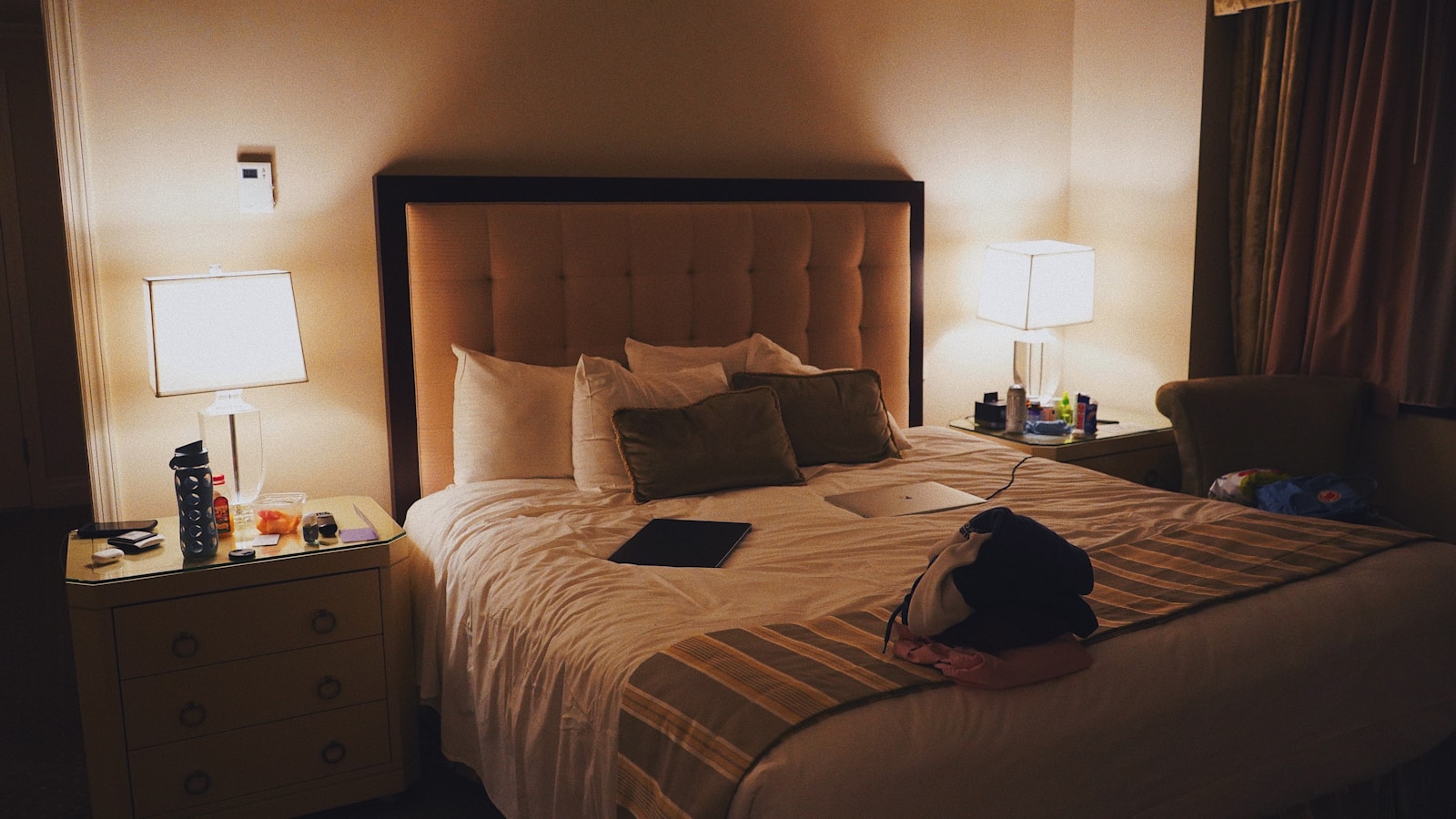
How to Handle Jet Lag and Time Zone Changes
Jet lag is real, but you can manage it. The key is controlling your exposure to light and gradually adjusting your sleep schedule.
Before you fly: A few days before your trip, start shifting your sleep schedule in the direction of your destination. If youâre traveling east, go to bed 30 minutes earlier each night. If youâre traveling west, go to bed later. This gentle shift makes the transition much easier.
On the plane: As soon as you board, set your watch to the destination time. Act accordingly. If itâs daytime at your destination, stay awake. If itâs nighttime, try to sleep. Use your eye mask and earplugs to create the right environment.
Upon arrival: Get outside into natural light as soon as possible. This is the single most powerful tool for resetting your internal clock. Even 15 minutes of daylight helps. Avoid napping for more than 30 minutes, and if you must nap, do it early in the afternoon. A short nap can be restorative, but a long one will ruin your nighttime sleep.
Melatonin can help, but itâs not a magic bullet. A very small dose (0.5-1 mg) taken a few hours before your target bedtime is more effective than larger doses. Always check with your doctor before taking supplements.
Sleeping Well in Hotels, Hostels, and Airbnbs
Unfamiliar beds, strange noises, and different temperatures make sleeping in a new place challenging. The goal is to mimic your home sleep environment as much as possible.
Noise management: A white noise machine or a white noise app on your phone is your best friend. It masks hallway chatter, traffic, and other unpredictable sounds. For a simple solution, consider a portable white noise machine that clips to your bag.
Temperature control: Hotels often keep rooms too warm. If you canât adjust the thermostat, crack a window or turn down the heat. A small travel fan can also help. I bring a lightweight, packable one that clips to the nightstand.
Blue light avoidance: An hour before you want to sleep, put your phone and laptop away. If you must use them, switch to night mode or use blue-light blocking glasses. The blue light tells your brain itâs daytime, making it harder to fall asleep.
Create your own sleep kit: A small bag with your eye mask, earplugs, white noise device, and maybe a travel-sized pillow spray can make any bed feel more familiar. The ritual of unpacking it signals to your brain that itâs time to rest.
Staying Hydrated: The Overlooked Key to Travel Health
Dehydration is the silent trip wrecker. It amplifies jet lag, makes you tired, and clouds your judgment. You donât need to overthink it.
Aim for a big glass of water with every meal and another one before bed. On flights, drink one full bottle of water for every hour in the air. It sounds like a lot, but your body needs it in the dry cabin air.
Electrolyte tablets or powders are a great tool, especially if youâre in a hot climate or doing a lot of walking. They replace the minerals you lose through sweat and help your body retain the water you drink. Frequent travelers may benefit from a pack of electrolyte tablets for travel to keep in your bag and drop in your water bottle once a day.
Dealing with Travelersâ Tummy: Food Safety and Digestion
Stomach issues are one of the most common travel complaints. The good news is you can reduce the risk without becoming paranoid.
Street food wisdom: Eat where the locals eat. A busy stall with high turnover is almost always safer than a quiet one with food sitting out. Watch how the food is handled. If itâs cooked fresh in front of you, itâs generally fine.
Water safety: In places where tap water isnât safe, stick to bottled or filtered water. Avoid ice in drinks unless youâre sure itâs made from safe water. Use a reusable bottle with a built-in filter if you want a more sustainable option.
When to be cautious: Raw vegetables and unpeeled fruit are often the culprits. In high-risk areas, itâs better to eat cooked vegetables and fruit you peel yourself. Salads can be a gamble.
Probiotics and digestive enzymes can help if you have a sensitive stomach. I take a probiotic a few days before a trip and continue while Iâm away. It helps keep things balanced.
When to Splurge and When to Save on Meals
Not every meal needs to be a big production. The key is knowing when to invest and when to keep it simple.
Splurge when:
- Youâre in a place known for a specific cuisine (like fresh seafood by the coast).
- Youâre having a meal that will be a highlight of the trip (a nice dinner out).
- You need a reliable, high-quality meal to recharge after a long travel day.
Save when:
- Youâre eating on the go or between activities.
- Youâre in an area with expensive tourist traps.
- You just need fuel, not an experience.
The best strategy is to use grocery stores for breakfast and lunch staples. A yogurt, a piece of fruit, and a simple sandwich from a local market is often healthier, cheaper, and faster than a restaurant meal. Save your restaurant budget for dinners and special occasions.
Quick Morning and Evening Routines for Travelers
Having a simple, repeatable routine anchors your sleep and eating habits. It doesnât need to be elaborateâjust consistent.
Morning routine:
- Wake up at the same time every day, even on weekends.
- Drink a full glass of water immediately.
- Have a light breakfast with protein (yogurt, eggs, or a protein bar).
- Get outside for 5-10 minutes of daylight.
Evening routine:
- Set a wind-down time an hour before you want to sleep.
- Dim the lights and put screens away.
- Set up your sleep environment: eye mask, earplugs, white noise, comfortable temperature.
- Have a light snack if youâre hungry (a banana or a small handful of nuts).
The goal isnât perfection. Life on the road is unpredictable. But if you can hit these two routines most days, your body will thank you.
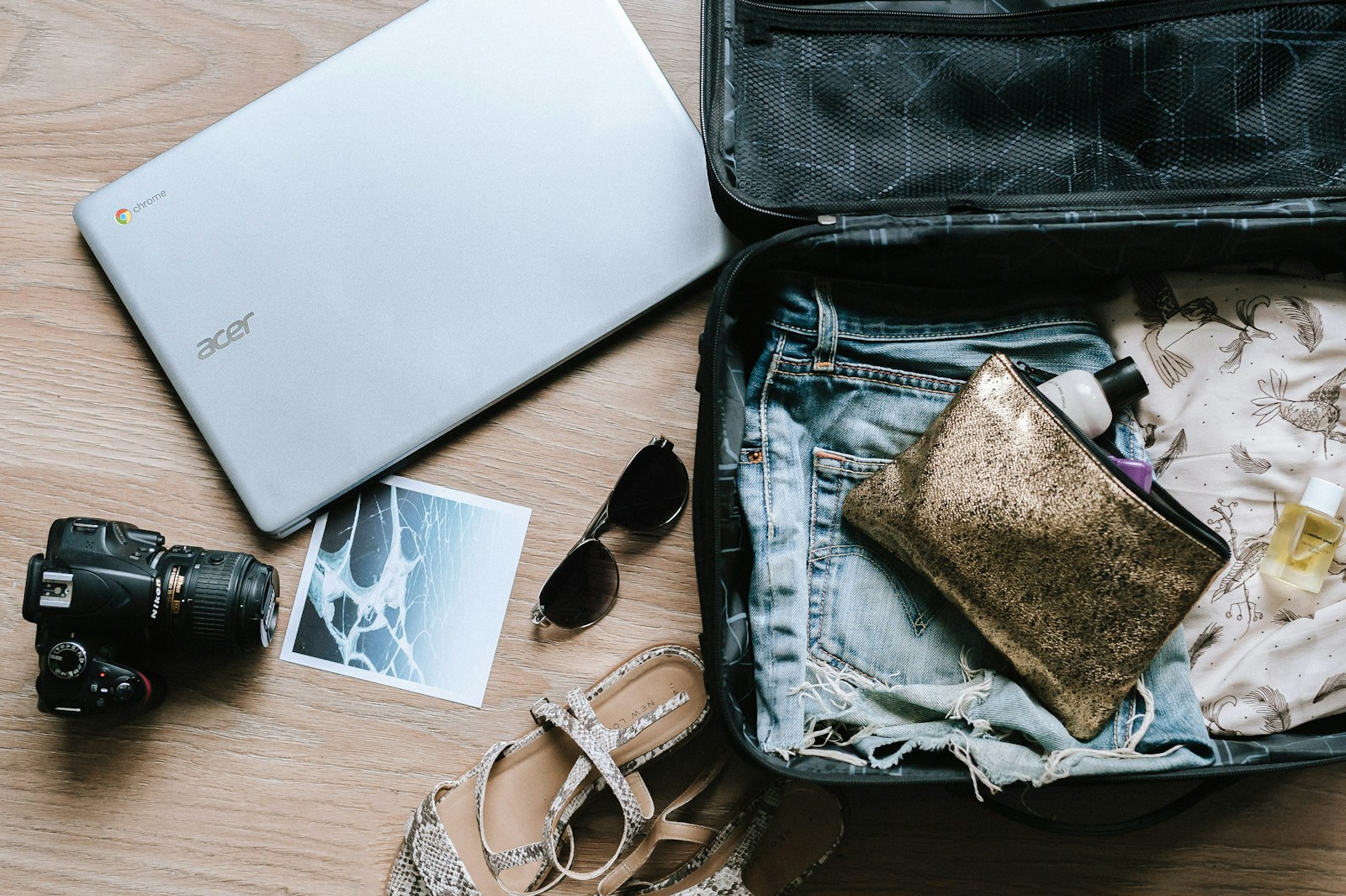
Packing Checklist for Healthy Travel
Hereâs a quick-reference list of items to pack. Tick off what you need.
- Reusable water bottle
- Electrolyte tablets or powder
- Healthy snacks (nuts, protein bars, dried fruit)
- Sleep mask (contoured if possible)
- Earplugs or noise-canceling earbuds
- White noise machine or app
- Travel pillow (memory foam preferred)
- Probiotics or digestive enzymes
- Melatonin (with doctor approval)
- Blue-light blocking glasses (optional)
This list covers the essentials. You donât need everything, but having the right tools makes it much easier to stay on track.
Final Thoughts: Making Healthy Travel a Habit
You donât have to overhaul your entire life to stay healthy while traveling. Pick one or two tips from this article and try them on your next trip. Maybe itâs carrying a water bottle everywhere. Maybe itâs using a white noise machine to sleep better. Small changes add up over time.
The more you practice these habits, the more automatic they become. Eventually, staying healthy on the road feels normal. And thatâs the goalânot a perfect trip, but one where you feel good, sleep well, and actually enjoy the experience.
If you want to build a simple kit of travel wellness items, an Amazon search for a travel wellness kit can help you find good starting options. Just get the basics, and go.