Ultimate Travel Packing Checklist: What to Pack for Any Trip
Introduction
Youâre about to leave for a trip, staring at an empty suitcase. That moment can make or break your vacation. Pack smart, and you save time, money, and stress. Pack badly, and youâre hunting for a charger in a foreign airport or wearing the same shirt three days in a row. Iâve been on both sides. A solid travel packing checklist isnât optionalâitâs the single most useful tool you can have before any trip.
This article gives you exactly that: a universal but customizable travel packing checklist that works for business trips, beach getaways, city breaks, and adventure travel. Itâs built from real experience, not guesswork. You get a system, not just a list. Follow it, adapt it to your trip, and youâll pack with confidence every time.
Why a Universal Packing Checklist Matters (And Why Most Fail)
Most generic packing lists are useless. They look nice, but theyâre just a dump of items pulled from a random blog or Pinterest board. They donât account for your destination, travel style, or the logistics of moving through an airport. They also set you up to overpack because they lack decision logic.
A real checklist does three things. It stops you from forgetting essentials. It prevents you from packing things youâll never use. And it removes the last-minute panic that leads to rushed decisions and forgotten items. This checklist is different because itâs flexible. You start with a solid foundation, then layer on adjustments based on where youâre going and how youâre getting there. Thatâs what makes it work when a simple list doesnât.
The Foundation: Core Items You Should Never Forget
Before you pack anything else, get these right. Theyâre the non-negotiables. Without them, your trip stops before it starts.
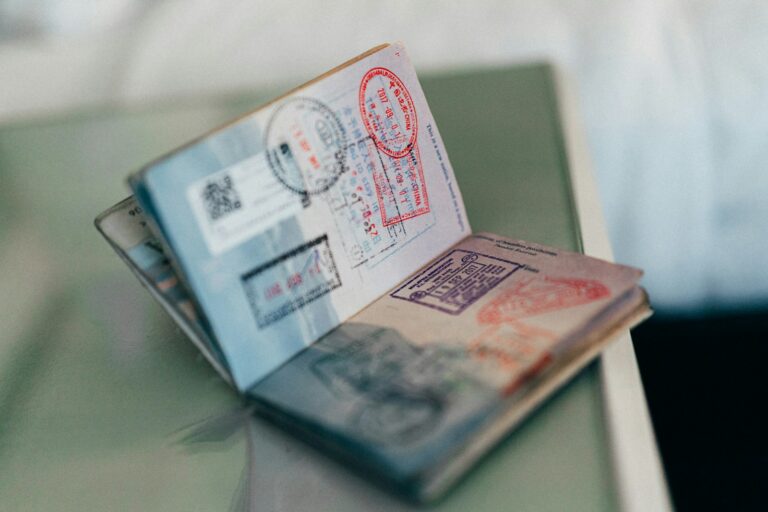
- Identification: Passport or ID, visa copies if needed, and a printed backup of your itinerary. Your phone will die. Airport chaos happens. A physical backup saves hours at an embassy or airline counter.
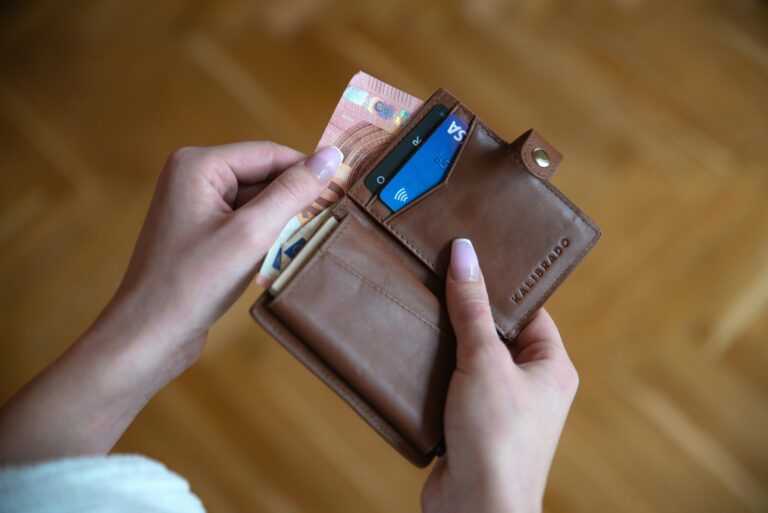
- Wallet and money: Your main wallet with cards and cash, plus a backup card stored separately. Donât keep all your money in one place.
- Phone and charger: Obvious, but people forget the charging brick. Pack it in your carry-on, not your checked bag.
- Medications: Enough for the trip plus a few extra days. Keep them in original bottles to avoid questions at customs.
- Insurance card: Physical and digital copy. If something goes wrong, you want quick access.
- Change of clothes in your carry-on: If your checked bag gets delayed, you wonât be stuck wearing the same clothes for 24 hours. One shirt, one pair of underwear, one pair of socks. Thatâs all you need.
I also recommend using a dedicated travel wallet or document organizer. Travelers who need to keep their passport, boarding pass, and cards in one place will find a slim organizer is a simple way to avoid that frantic search through your bag at the check-in counter. Travel wallet organizers are designed for exactly this purpose. Packing cubes are worth every penny too. They compress your clothes, keep your bag organized, and make unpacking at your hotel a thirty-second task instead of a mess.
Clothing: The 5-4-3-2-1 Rule (and Why It Works)
The 5-4-3-2-1 rule is the simplest packing formula Iâve found that actually works. Hereâs the breakdown:
- 5 tops: T-shirts, button-downs, or blouses. Mix and match with your bottoms. Choose versatile colors that go together.
- 4 bottoms: Pants, shorts, skirts. Again, all should pair with all your tops.
- 3 pairs of shoes: One for walking, one for casual or dressy, one for activities. More on this in a moment.
- 2 dresses or swimwear: Depending on your destination. One swimsuit for beach trips, one casual dress for dinners out.
- 1 jacket or outer layer: A packable rain jacket or a light sweater. This is the item that saves you when the weather shifts.
Why does this work? Because it forces variety without overpacking. You can create multiple outfits from a small number of pieces. If youâre going somewhere cold, swap a few tops for thermal layers. If you need formal wear, trade one pair of pants for dress trousers.
Fabric choices matter here. Merino wool is lightweight, odor-resistant, and packs small. Cotton is comfortable but bulky and slow to dry. Synthetics like nylon or polyester are durable and quick-drying but can feel clammy in heat. For most travelers, a mix of merino tops and synthetic bottoms is the sweet spot.
Footwear: How Many Pairs Do You Actually Need?
Three pairs is the magic number. Thatâs enough for almost any trip without breaking your back carrying shoes you wonât wear.
- Walking shoes: These are your everyday pair. Leather sneakers work well because they look decent with jeans or shorts and hold up on pavement. Donât bring brand-new shoes. Break them in at home first or youâll have blisters by day two.
- Versatile sandals or dress shoes: For warmer destinations, a pair of stylish sandals that work for the beach and a casual dinner. For cooler climates, a pair of slip-on dress shoes that pair with trousers or jeans.
- Activity-specific shoes: Hiking boots for a trail trip, water shoes for a beach vacation, running shoes if you plan to work out. Keep these lightweight and packable.
The tradeoff is clear: comfort versus style. If you know youâll be walking ten miles a day, prioritize the walking shoes. If you have a formal dinner or business meeting, pack the dress shoes but wear your walking pair on the plane to save space.
Toiletries: What to Pack vs. What to Buy at Your Destination
This is where a lot of people overpack. The rule is simple: pack what you canât easily buy at your destination, buy the rest when you arrive.
Pack from home: Prescription medications, contact lenses and solution, specific skincare products you canât find abroad, any high-end toiletries you prefer. Also pack your razor and a small tube of toothpaste for the first night.
Buy at your destination: Shampoo, conditioner, body wash, sunscreen, and basic toothpaste. These are bulky and cheap. Just hit a local pharmacy or grocery store when you arrive.
If youâre traveling carry-on only, the TSA 3-1-1 rule means all liquids must be in containers of 3.4 ounces or less and fit in one quart-sized bag. To avoid the hassle, switch to solid toiletries. Shampoo bars, toothpaste tablets, and solid deodorant take up no space and never leak. You also save time at security because you donât have to pull them out separately.
Quick-dry towels are another smart addition. They pack tiny, dry overnight, and come in handy for beach days or hostel stays. Frequent travelers may find a quick-dry travel towel a practical item to keep in the bag at all times.
Tech and Gadgets: What You Really Need (and What to Leave Home)
Letâs be honest: most travel tech is unnecessary. You donât need a travel router, a Bluetooth speaker, or a separate camera for Instagram shots. Keep it simple.
Must-haves:
- Phone and charger
- Universal power adapter (one that covers multiple plug types)
- Power bank (10,000 mAh is enough for two full phone charges)
- Charging cables (a short one for the power bank, a long one for the hotel room)
- Earbuds or headphones
Nice-to-haves:
- Tablet or e-reader for flights
- Compact camera if photography is a priority
- Laptop only if you are working remotely
Leave at home: Extra monitors, travel routers, bulky headphones unless you fly frequently. If youâre sightseeing, leave the laptop in your hotel safe. You donât need it for a day of exploring.
A cable organizer is worth the small investment. It stops your cables from turning into a tangled mess inside your bag.
Health and Safety: Items That Solve Real Problems
You donât need a full pharmacy, but a few items can save your trip.
- Basic first-aid kit: A few band-aids, antiseptic wipes, pain reliever, and any prescription meds you take regularly. Thatâs enough for minor mishaps.
- Motion sickness medication: If youâre prone to seasickness or car sickness, pack it before you need it.
- Allergy pills: Even if you donât normally have allergies, new environments can trigger reactions.
- Hand sanitizer and masks: Still useful for crowded airports and public transport.
For safety, consider a door stop alarm for solo travelers or anyone staying in budget hotels. It wedges under the door and makes noise if someone tries to enter. An RFID wallet or sleeve protects your credit cards from digital pickpocketing. A money belt keeps your passport and backup cash hidden while youâre out exploring.
Thereâs no need for fear-mongering here. These are practical items that solve real problems without adding bulk or paranoia.
Packing Mistakes Almost Everyone Makes (And How to Avoid Them)
Iâve made every mistake on this list. You donât have to.
- Overpacking ‘just in case’ items: That sweater you might wear if it gets cold? That extra pair of shoes because you canât decide? Leave them. If you havenât worn it in the last month, you wonât wear it on vacation.
- Folding instead of rolling: Rolling clothes saves space and reduces wrinkles. Fold only structured items like blazers or dress shirts.
- Forgetting chargers and cables: Put them in your carry-on the night before. Trust me on this one.
- Putting liquids on top of electronics: Always pack toiletries in a separate bag or at the bottom of your suitcase. A leaky shampoo bottle can destroy a laptop.
- Ignoring laundry options: You can wash clothes on the road. Look for a hotel sink, a laundromat, or a travel-size packet of detergent. This means you can pack half the clothes and do laundry mid-trip.
Compression sacks and packing cubes solve most of these issues. Beginners may want to start with a set of packing cubes to keep everything compact, organized, and easy to find. A laundry bag is also a lifesaver for separating dirty clothes from clean ones.
Destination-Specific Adjustments: Beach, City, Adventure, Business
The core checklist works for any trip, but these tweaks make it perfect for your specific destination.
Beach: Add swim trunks or a swimsuit, reef-safe sunscreen (many destinations ban chemical sunscreens), water shoes for rocky shores, and a quick-dry towel.
City: Prioritize comfortable walking shoes, a lightweight day pack for exploring, and a reusable water bottle to stay hydrated. Leave the bulky gear at the hotel.
Adventure: Bring a hydration pack or water bladder, dry bags for protecting gear in wet conditions, insect repellent with DEET, and a headlamp for early mornings or late nights.
Business: Pack a wrinkle-free dress shirt or blouse, a travel steamer to remove any creases, and a foldable tote bag for meetings or carrying documents.
The Carry-On vs. Checked Bag Dilemma
For trips under five days, always use a carry-on. You save time at the airport, you avoid bag fees, and you never risk losing your luggage. The downside is you are limited on toiletries and bulky items.
For longer trips, a checked bag opens up options. You can bring more clothes, larger toiletries, and souvenirs. The risk is your bag gets delayed or lost. Mitigate this by keeping a change of clothes and all essentials in your personal item.
My recommendation: invest in a good carry-on suitcase with spinner wheels and a separate personal item like a backpack or tote. Packing organizers make a carry-on feel twice as spacious.
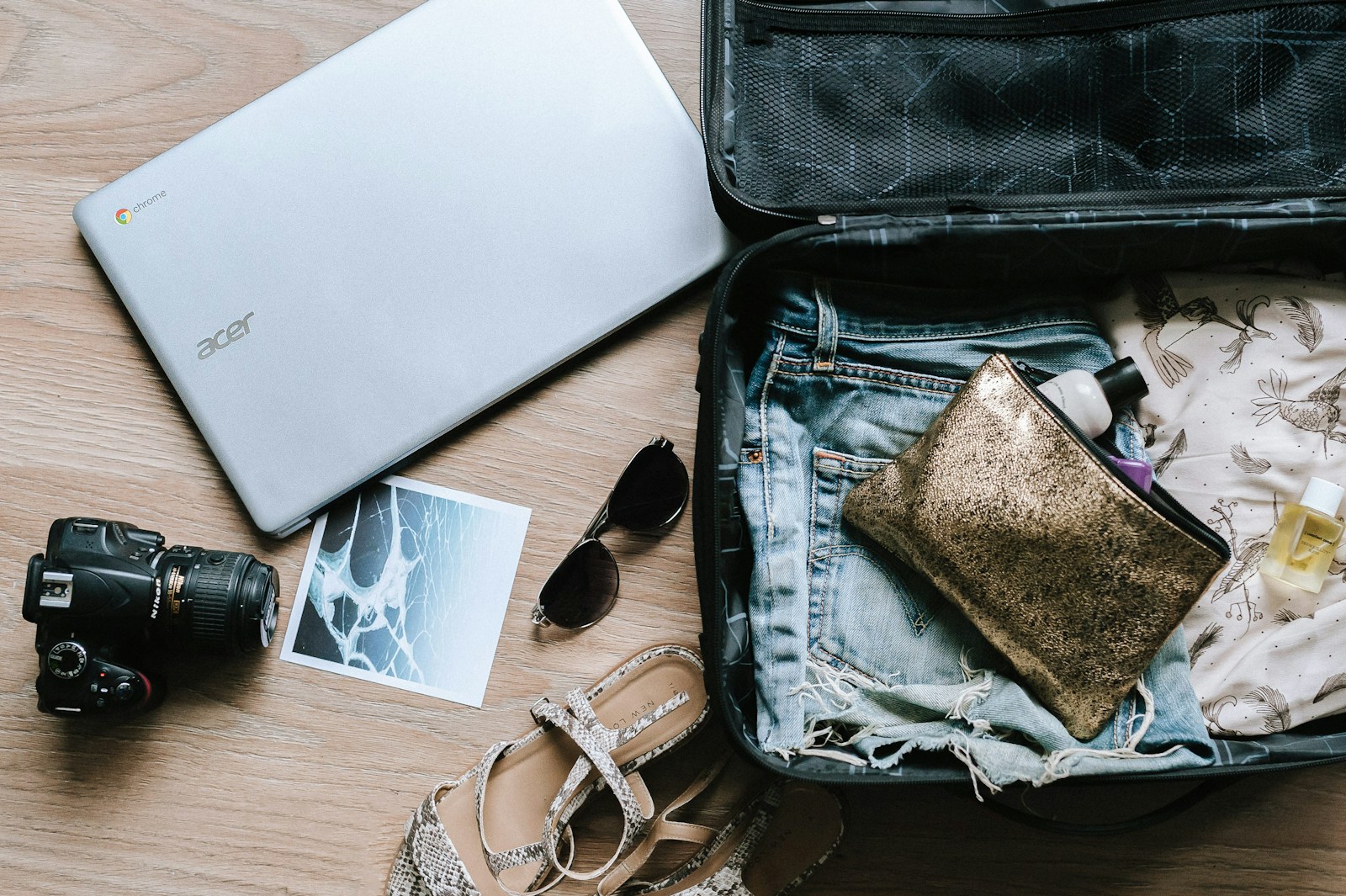
Final Packing Routine: The 15-Minute Pre-Trip Check
Hereâs the routine I use before every trip. It takes fifteen minutes and eliminates mistakes.
- Lay everything out on your bed or floor.
- Check each item against your travel packing checklist.
- Weigh your bag on a luggage scale. If itâs over, remove something.
- Test all zippers and clasps.
- Pack a plastic bag for dirty laundry.
- Put your ID and wallet in the same pocket every single time.
Say your checklist out loud as you pack. It sounds silly, but it forces you to be deliberate. When you arrive at your destination, youâll know exactly where everything is and that you didnât forget a thing.
Grab a reliable packing list like the one above, and youâll never forget the essentials again.
Frequently Asked Questions About Packing
How do I pack for a week in a carry-on?
Use the 5-4-3-2-1 rule, roll your clothes, and plan to do one load of laundry mid-week. Packing cubes help compress everything.
What is the best way to pack shoes?
Pack them at the bottom of your bag, each in a separate shoe bag or plastic grocery bag. Stuff socks or small items inside the shoes to save space.
Should I bring a towel?
Only if youâre staying in hostels, camping, or heading to a beach with no facilities. A quick-dry travel towel is small enough to pack just in case.
How do I avoid wrinkled clothes?
Roll your clothes instead of folding them. For dress shirts, fold them neatly and place them on top of your bag. A travel steamer can fix any remaining creases at your destination.
Your Turn: Build Your Own Packing List
Now that you have the framework, make it yours. Copy this checklist into your notes app, or print it out for your next trip. Use it as a starting point and tailor it to your destination, travel style, and personal needs.