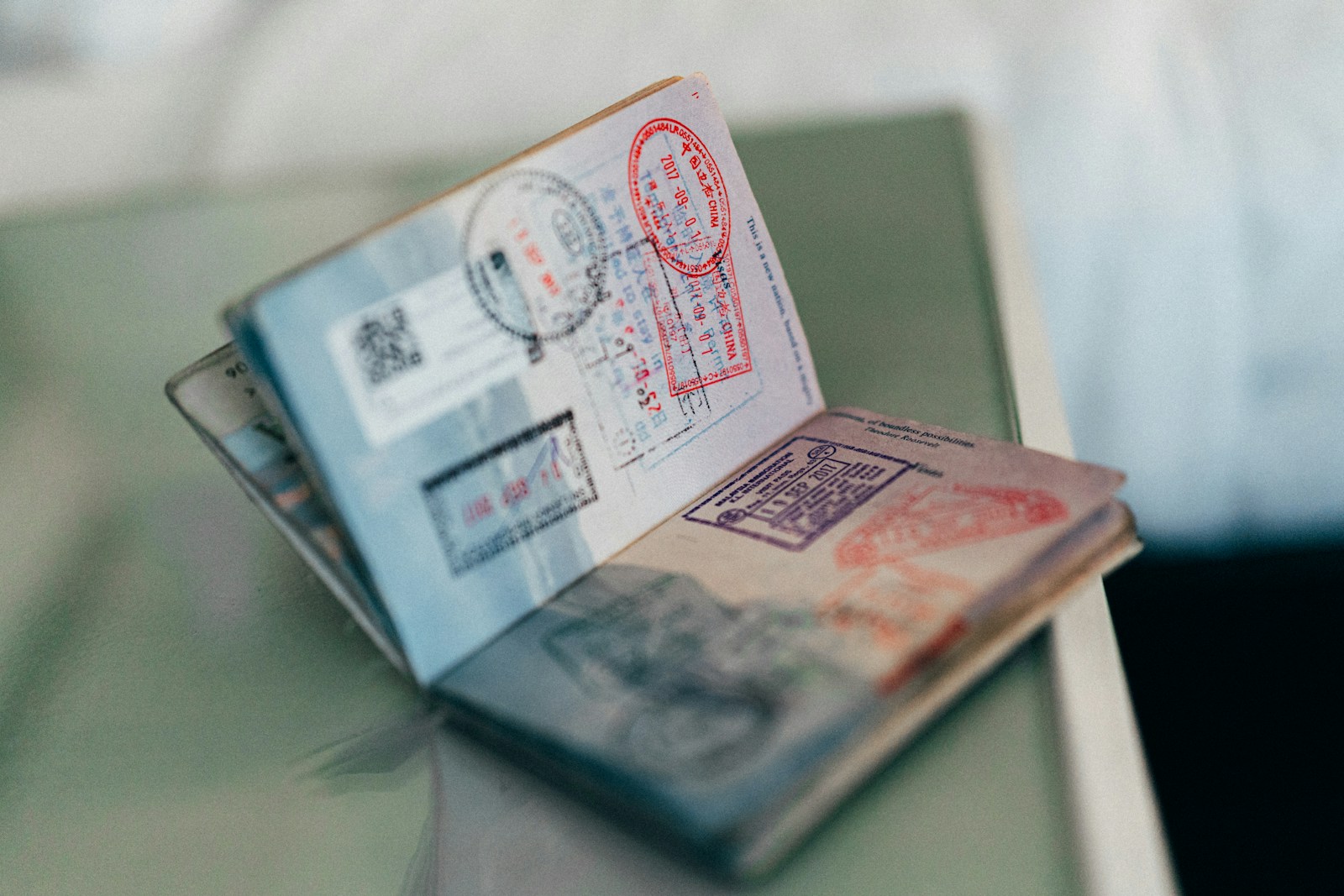
How to Choose Travel Insurance That Actually Covers You
Introduction
Let’s be honestâmost people buying travel insurance make the same mistake. They pick the cheapest policy they can find and move on with their trip planning. The problem isn’t that they want to save money. It’s that they have no idea what they just bought until it’s too late. And by then, the policy that seemed like a bargain turns out to cover almost nothing when a real emergency happens.
I’ve been a travel agent for over a decade, and I’ve watched this play out countless times. A traveler books a non-refundable trip to Europe, buys a $29 policy from a pop-up ad, and then when a family emergency forces them to cancel, they discover their plan excludes anything related to pre-existing conditions. Or someone lands in the hospital in Thailand and finds out their medical evacuation limit is $10,000âagainst a real evacuation cost that can run $50,000 or more.
This article is designed to help you compare policies properly. Not just on price, but on what actually matters: coverage limits, exclusions, deductibles, and the fine print that determines whether your policy is a safety net or a piece of paper. If you’re actively comparing options, this breakdown will show you how to choose the best travel insurance for your specific situation.
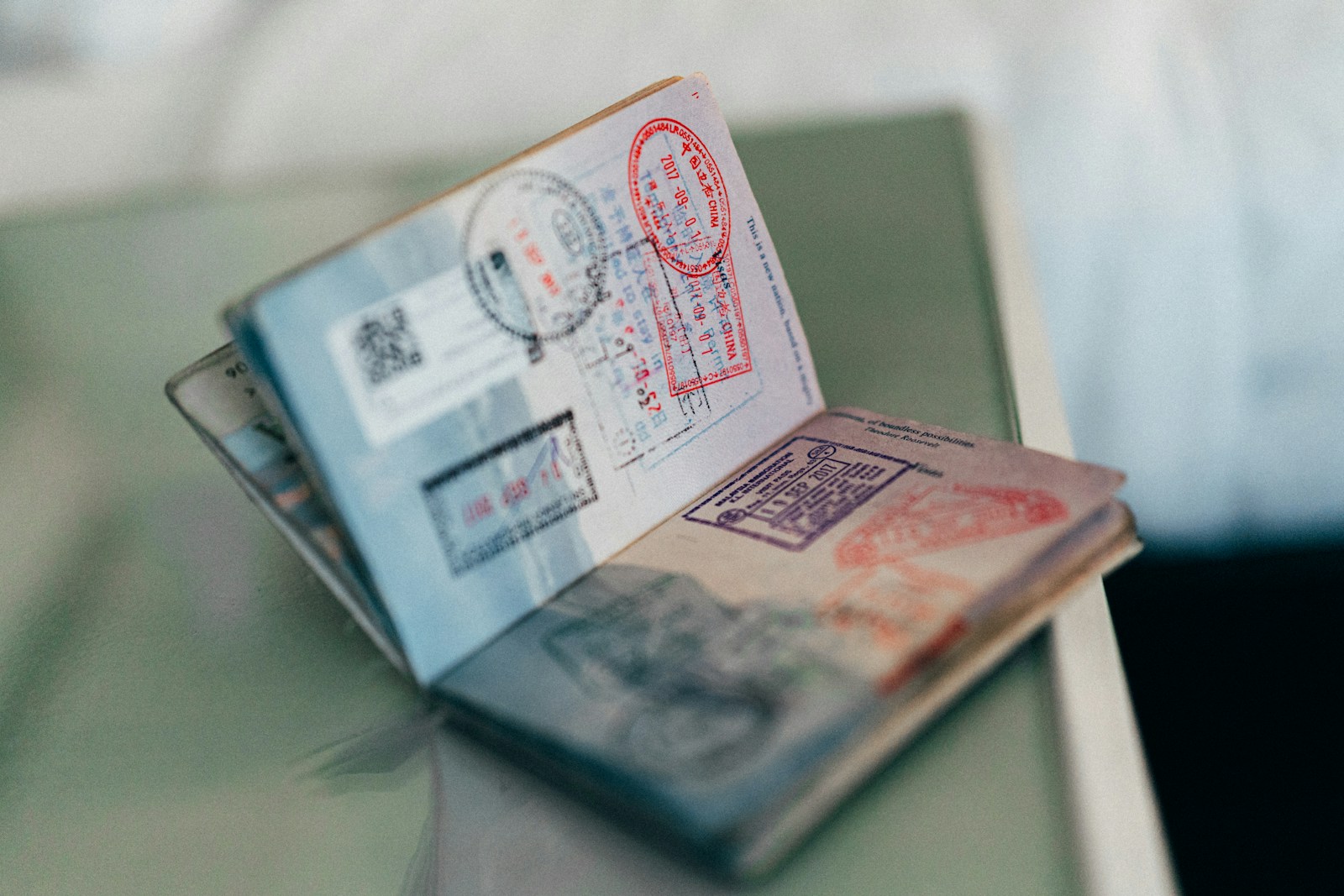
What Does Travel Insurance Actually Cover?
Before you start comparing policies, you need a clear picture of what a standard travel insurance plan includes. Most comprehensive policies cover four major areas, and each one matters differently depending on your trip.
Trip Cancellation reimburses you for prepaid, non-refundable trip costs if you have to cancel before departure for a covered reason. That covers flights, hotels, tours, and cruise bookings. Typical coverage limits match your total trip cost, usually between $5,000 and $50,000.
Trip Interruption kicks in if you’re already on your trip and something forces you to cut it short or miss a portion. This covers things like a family emergency at home or a medical issue that requires you to return early. Coverage is often 100% to 150% of your trip cost.
Medical Expenses are the most important coverage for international travel. A standard policy provides coverage for emergency medical treatment abroad, and a separate sub-limit for medical evacuation. These two are often the most underbought by budget-conscious travelers.
Baggage Loss and Delay covers lost, stolen, or delayed luggage, usually with caps around $500 to $2,500. Worth having, but not the main reason to buy a policy.
The key point here is that coverage levels vary dramatically between policies. A cheap plan might offer $50,000 in medical coverage. A solid mid-tier plan might offer $500,000. What you need depends on where you’re going and what you’re doing.
Common Exclusions That Trip Up Travelers
This is where most people get burned. The exclusions section of a travel insurance policy is long, detailed, and deliberately easy to skip over. If you don’t read it, you’re gambling.
Pre-existing medical conditions are the number one reason claims get denied. Most standard policies exclude any medical issue you were treated for in the 60 to 180 days before your trip. There’s a workaroundâbuying a policy within 14 to 21 days of your first trip deposit usually qualifies you for a pre-existing condition waiverâbut it requires careful timing.
High-risk activities are another big one. Scuba diving, skiing, rock climbing, bungee jumping, and even some treks are regularly excluded from basic policies. If your trip involves any of these, you need to specifically look for adventure sports coverage or buy a separate policy that includes them.
Acts of war and terrorism are generally excluded, though some policies offer limited coverage for certain events. Travel advisories are also tricky. If the State Department issues a warning after you buy your policy, you’re often covered. But if it was already in place when you purchased, that’s a known event and won’t be covered.
Natural disasters follow a similar logic. If a hurricane is already named and tracking toward your destination, buying insurance after the fact won’t do you any good. Insurers call these “known events,” and they’re universally excluded.
Knowing these exclusions isn’t about being pessimistic. It’s about being honest about the gaps in your coverage so you can fill them before you leave.
Medical Coverage: What You Really Need
Medical coverage is the most important part of any travel insurance policy, and it’s also the most misunderstood. Here’s what you need to know.
First, there’s a difference between primary and secondary coverage. Primary coverage pays your medical bills directly, without requiring you to first file a claim with your regular health insurance. Secondary coverage only kicks in after your primary health insurance denies or pays out. If you have a good domestic health plan that covers you internationally, secondary might be fine. If you don’t, or if you have an HMO or Medicare (which doesn’t cover you abroad), you want primary coverage.
Second, coverage limits matter more than you think. A policy with a $50,000 medical limit might sound reasonable, but a serious medical event abroadâheart surgery, a car accident, a complicated infectionâcan easily exceed that. Most travel insurance experts recommend a minimum of $100,000 for medical coverage and at least $250,000 for emergency evacuation. Some plans go up to $1 million, which is reasonable for remote destinations or adventure travel.
Medical evacuation is separate from standard medical coverage. It covers the cost of transporting you to a hospital that can properly treat you, and potentially back to your home country. Evacuation from a remote area or from a cruise ship can cost between $25,000 and $100,000. If your policy has a $10,000 sub-limit for evacuation, you’d be paying the rest out of pocket.
For older travelers or anyone with pre-existing conditions, the stakes are higher. Many standard policies won’t cover age-related issues or chronic conditions. But there are specialized insurers that offer coverage specifically for older travelers, with higher medical limits and pre-existing condition waivers. It costs more, but it’s the difference between coverage and no coverage.
Trip Cancellation vs. Trip Interruption: Know the Difference
These two terms are often used interchangeably, but they cover different scenarios, and confusing them can cost you.
Trip Cancellation covers you if you have to cancel your trip before you leave. Covered reasons usually include illness, injury, death of a family member, natural disasters, and some work-related emergencies. You’re reimbursed for prepaid, non-refundable expenses up to your policy limit.
Trip Interruption kicks in once you’ve started your trip. If a covered event forces you to come home early, miss a connecting flight, or skip a portion of your itinerary, trip interruption coverage reimburses you for the unused portion of your trip and sometimes for the cost of last-minute travel home.
Which one matters more depends on your trip. If you’re booking an expensive, non-refundable trip six months out, trip cancellation is crucial. If your trip is short, cheap, or fully refundable, the cancellation coverage is less critical. If you’re going on a longer trip or a multi-destination itinerary, trip interruption is the one that will actually protect you when something goes wrong mid-trip.
Some policies also offer “Cancel for Any Reason” (CFAR) upgrades. This lets you cancel for any reason not listed in the policyâcold feet, work conflict, or just changing your mindâand usually reimburses 50% to 75% of your trip cost. It’s more expensive, but worth it for high-dollar trips or if you want maximum flexibility.

Comparing Policies: A Step-by-Step Approach
Now that you know what you’re looking for, the actual comparison process becomes a lot clearer. Here’s my step-by-step method for choosing the right policy.
Step 1: Know your trip’s risk profile. What’s the total cost? How many activities are involved? Where are you going? A $300 weekend in a domestic city has a very different risk profile than a $10,000 two-week international adventure with scuba diving, hiking, and multiple flights. The more money and complexity involved, the more comprehensive your coverage needs to be. Travelers planning adventure-heavy trips may want to look into adventure travel insurance options that include activity coverage.
Step 2: Identify your must-haves. Do you need pre-existing condition coverage? Adventure sports coverage? A higher medical evacuation limit? Make a list of non-negotiable coverages before you start comparing.
Step 3: Compare coverage limits, not just premiums. Two policies might look similar on price, but one has a $50,000 medical limit and the other has $500,000. The extra $20 or $30 for the better plan is trivial compared to the cost of an uncovered medical evacuation.
Step 4: Check deductibles carefully. A high deductible can eat up a significant portion of a smaller claim. A $250 deductible on a $1,000 bag claim means you’re only getting $750 back. Make sure you’re comfortable with the deductible amount for each type of coverage.
Step 5: Read reviews and complaints. A policy is only as good as the company that backs it up. Look for reviews that mention claims handling, response times, and customer service. Companies with consistently low complaint rates are more likely to actually pay out when you need them.
Step 6: Use a comparison tool but read the fine print. Sites like Squaremouth and InsureMyTrip let you filter by coverage, price, and provider. They’re excellent starting points. But don’t stop there. Read the actual policy wording before buying, especially the exclusions section.
If you want a shortcut, I recommend using a trusted comparison tool to see a side-by-side view of policies that match your trip. Just remember that the tool shows you optionsâthe final decision is on you.
The Cheapest Policy Is Usually a Bad Bet
I’ve seen $19 policies that look like a great deal on the surface. Then you read the fine print and find out the medical evacuation limit is zero. Or the trip cancellation coverage is capped at $500 regardless of your actual trip cost. Or the deductible on baggage claims is so high that you’d never actually submit a claim.
Cheap policies work well for one very narrow scenario: you’re on a short, cheap trip, you’re healthy, and you’re not doing anything risky. For almost everyone else, the cheapest option is a gamble that rarely pays off.
The difference between a $29 policy and a $59 policy is often the difference between serious coverage and worthless paperwork. That extra $30 gets you 10x the medical coverage, a real evacuation benefit, and a much lower deductible. It’s the same logic as buying a cheap lock for your front doorâit might save you a few dollars, but it’s not actually protecting what matters.
If you’re going to buy travel insuranceâand you shouldâbuy a policy that actually covers what you need. Don’t let a $20 savings trick you into buying coverage that evaporates the minute something goes wrong.
Annual vs. Single-Trip Policies: Which Is Right for You?
This is one of the most common questions I get from frequent travelers. The answer is straightforward: it depends on how often you travel.
Single-trip policies are exactly what they sound like. They cover one specific trip from start to finish. They’re easy to buy, easy to understand, and easy to customize based on the trip’s unique risks. If you travel once or twice a year, a single-trip policy is usually the best fit.
Annual multi-trip policies cover all your trips within a 12-month period, typically with a maximum trip duration of 30 to 45 days per trip. The big advantages are convenience and cost. If you take three or more trips in a year, an annual policy almost always costs less than buying separate policies for each trip. You also get consistent coverage across all your travel, which simplifies things.
But there are tradeoffs. Annual policies often have lower per-trip coverage limits than a well-chosen single-trip policy. They also tend to have stricter exclusions for pre-existing conditions. And if you’re planning one major trip with high risk or high cost, a dedicated single-trip policy with higher limits and specific endorsements is usually better.
Here’s a simple rule: if you travel more than twice a year and your trips are under a month each, an annual policy is the smarter financial decision. If you take one or two big trips with a lot of money at stake, stick to single-trip policies that you can tailor to each trip’s unique risks.
When to Buy Travel Insurance (and When It’s Too Late)
Timing matters more than most people realize. The best time to buy travel insurance is within 14 to 21 days of making your first trip deposit. This is the window that most insurers use to qualify for a pre-existing condition waiver. If you buy outside that window, any pre-existing condition will be excluded from your policy.
Waiting until a few days before departure is risky for another reason. If a major eventâa weather forecast, a political development, a health advisoryâbecomes known before you buy the policy, it will be excluded as a known event. You can’t buy insurance after a hurricane is named and expect it to cover cancellation due to that hurricane.
There’s also a practical reason to buy early. The sooner you buy, the sooner your coverage starts. If you have a medical emergency or family issue between the time you book and the time you leave, trip cancellation coverage will apply. If you wait until a week before departure, you have no coverage for anything that happens in the months before your trip.
One exception: some policies allow you to add Cancel for Any Reason coverage even if you buy later, but it’s usually more expensive and often requires purchase within 7 to 14 days of your initial trip deposit. The safest bet is to buy as soon as your trip is booked.
How to File a Claim: Tips for Success
Filing a claim is the part of travel insurance no one wants to think about, but knowing how to do it correctly can be the difference between getting paid and getting denied.
Document everything. Keep copies of receipts, boarding passes, hotel confirmations, tour tickets, and any communication with airlines or travel providers. If you’re filing a medical claim, include hospital bills, doctor’s notes, and prescriptions. For baggage claims, get a written report from the airline and document the contents of your bag if you can. A small travel document organizer can help you keep track of all these papers while you’re on the road.
Notify your insurer ASAP. Most policies require you to report a claim within a certain timeframeâusually 24 to 72 hours for trip interruption or baggage issues. Delaying notification can result in a denial. Call or email your insurer as soon as the event happens.
Submit a complete claim packet. Incomplete claims are the most common reason for denials. Make sure every required form is filled out correctly and every supporting document is included. A missing signature or an unclear contact number can delay or derail your claim.
Understand typical timelines. Most claims are processed within 30 to 60 days, but complex claims can take longer. If you’re not getting updates, follow up every two weeks. Keep a log of your communication, including names, dates, and case numbers.
A practical tip: keep a small travel document organizer in your bag. A simple waterproof pouch with slots for receipts, copies of your insurance policy, and emergency contact numbers costs around $10 and can save you hours of stress if something goes wrong. It’s a small investment that pays for itself the first time you need to file a claim.
Final Checklist: Questions to Ask Before You Buy
Before you click “purchase,” run through this quick checklist. Each question targets a specific gap that could leave you exposed.
- Does it cover my specific activities? Adventure sports, scuba, skiing, hiking at altitudeâif you’re doing any of these, make sure the policy includes them or you buy a separate add-on.
- Are pre-existing conditions covered? If you have any ongoing medical issues, verify whether they’re covered and whether you need a pre-existing condition waiver.
- What is the medical evacuation limit? Aim for at least $250,000. If you’re going to a remote area, look for $500,000 or more.
- Is the medical coverage primary or secondary? If you don’t have health insurance that covers international care, you need primary coverage.
- What is the deductible? Know the deductible for each coverage type. A high deductible on medical coverage can make a small claim not worth filing.
- What are the exclusions? Read the exclusions section carefully. If something important to you is excluded, look for a different policy.
- How is the claims process? Check reviews for claims handling. A cheap policy with a terrible claims process is still a bad deal.
If you can answer all of these clearly, you’re in good shape. If you’re struggling to find answers, you’re not ready to buy yet.

Ready to Get Covered?
Choosing the right travel insurance isn’t the most exciting part of trip planning, but it’s one of the most important. A well-chosen policy turns a potentially devastating financial situation into a manageable inconvenience. A poorly chosen one gives you nothing when you need it most.
If you’re ready to buy, I recommend using a trusted comparison tool to see side-by-side options that match your trip profile. And if you want personalized advice, I’m always available to walk you through your options. At Bob’s Travel Service, we help travelers find coverage that actually works, not just the cheapest thing on the internet.
Contact Bob’s Travel Service today to discuss your trip and get a recommendation for travel insurance that covers what matters. We’re here to make sure you’re protected, not just insured.