Eat Cheap While Traveling Without Touching Fast Food
How to Eat Cheap While Traveling Without Eating Fast Food
Let’s be clear right now: eating cheap while traveling doesn’t mean living off gas station hot dogs or drive-thru burgers. I’ve been traveling on tight budgets for years, and I’ve learned the difference between ‘cheap’ and ‘penny-wise.’ This isn’t about suffering or survival. It’s about real, practical strategies for eating affordable, satisfying food without hitting the golden arches. I’ve used every single tactic here, and I know the tradeoffs. You can eat well, eat cheap, and actually enjoy local food – without the drive-thru guilt. Here’s how to eat cheap while traveling without letting your standards slide into a fast-food wrapper.
It’s not about being perfect. Some days you’ll grab a pastry from a bakery. Some days you’ll cook. The goal is to make fast food the exception, not the rule.
Why Fast Food Isn’t Your Best Bet
It’s not a rant, just logic. First, fast food isn’t actually cheap if you’re eating it multiple times a day. A combo meal runs you $8–12 in most places. That adds up fast. Second, the health impact is real – greasy, processed food leaves you sluggish, which is the last thing you want when you’re trying to explore. Third, you’re missing the entire point of travel: eating local food is part of the experience. Fast food chains look the same everywhere. You go to a new city, you want to taste something different. The alternative is simple: embrace flexibility, plan a little, and treat food as part of your adventure, not just fuel.
Plus, there’s a hidden cost nobody talks about. When you eat fast food, you’re usually still hungry an hour later. That leads to another purchase. It’s a cycle. Break it once, and you’ll notice the difference.
Grocery Store Picks: The Traveler’s Best Friend
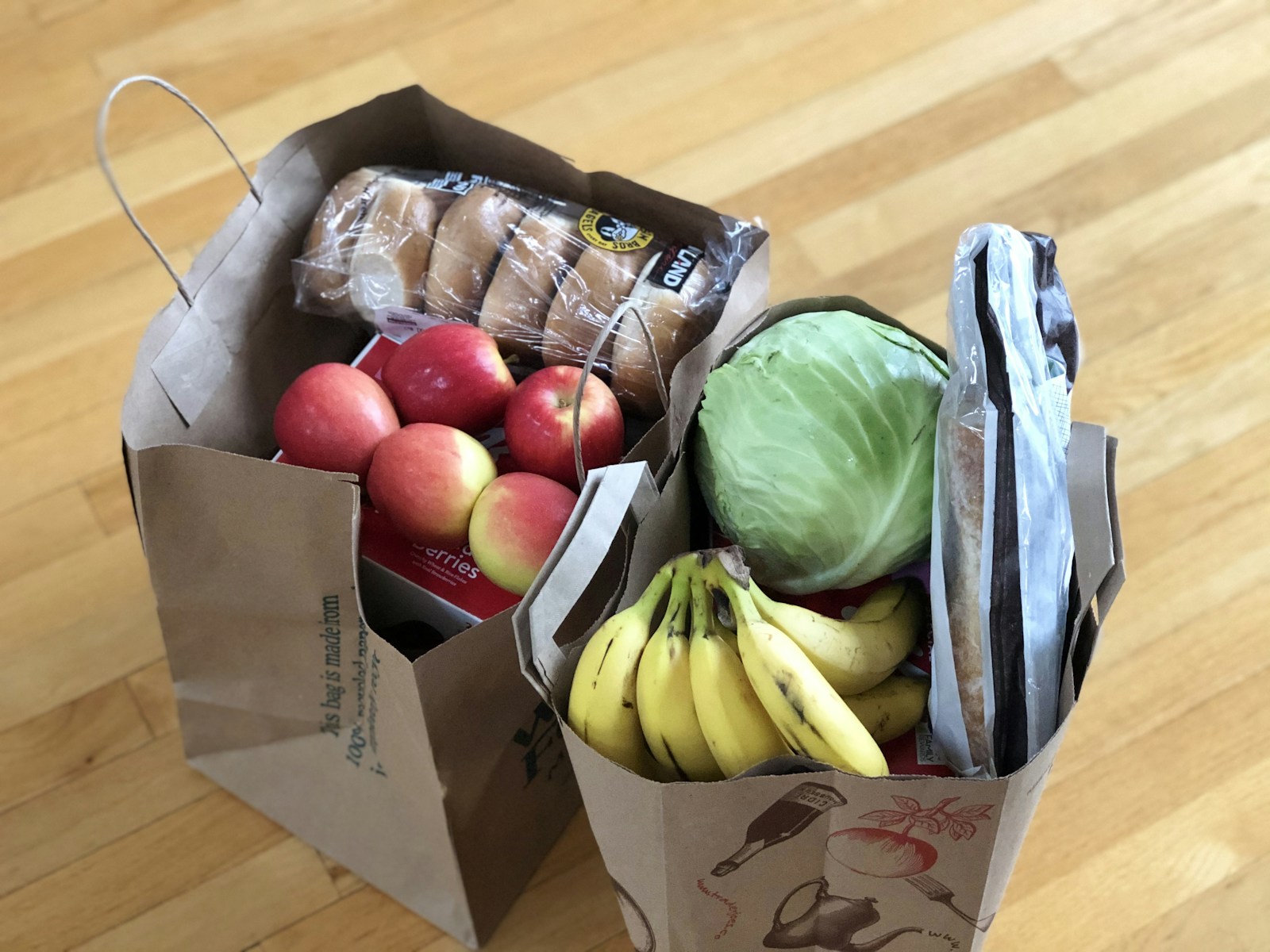
Grocery stores are your number one weapon against fast food. They’re everywhere, open late, and full of things that don’t require cooking skills. Here’s what I always grab:
- Instant oats – cheap, filling, and you just need hot water.
- Peanut butter – protein, fat, and it pairs with almost anything.
- Tortillas or flatbread – they don’t crush, they last, and they work for wraps or quesadillas.
- Pre-cooked rice packets – microwave in 90 seconds or eat cold in a pinch.
- Fresh fruit and vegetables – apples, bananas, carrots. No prep needed.
- Canned beans or lentil soup – a can opener is cheap, and these are ready in minutes.
The tradeoff is weight and convenience. Some of this stuff takes up bag space. But the cost savings are serious. A pack of instant oats costs maybe $3 and gives you breakfast for a week. That’s less than one fast food meal. Pro tip: bring a reusable shopping bag to avoid plastic bag fees and keep your groceries organized. A collapsible food container is also gold – I use one for leftovers or prepared meals from the store.
Don’t overthink the grocery store run. Grab what looks good, keep it simple, and you’ll save a ton.
How to Cook in Hostel and Rental Kitchens
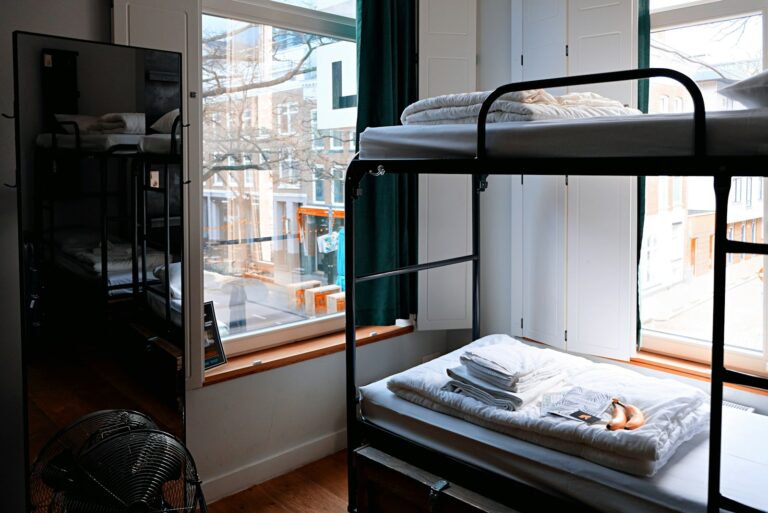
This is where the real money-saver happens. Hostel and Airbnb kitchens are a gift. But you have to use them correctly. First, bring a few tools from home: a small chef’s knife (check airline rules or buy at a dollar store when you arrive), a few spice packs (salt, pepper, chili flakes), and a lightweight cutting board. I also bring a reusable spork. These items are tiny and make cooking way easier.
Common mistakes? Overbuying is the biggest. You see a big package of pasta and think you’ll eat it over three nights. Then you move cities and throw half of it away. Buy small. Another mistake is not checking kitchen hours. Some hostels close their kitchens after 9 PM. And always, always clean up after yourself. Nothing gets you kicked out of kitchen privileges faster than leaving a mess.
If you’re booking accommodation, look for places with ‘guest kitchen’ in the description. It’s a filter on many booking sites. The money you save on meals in a single day can cover the difference in room cost. I’ve done this myself – a slightly more expensive hostel with a kitchen often beats a cheap one where you’re forced to eat out.
Street Food vs. Fast Food: A Cost and Experience Comparison
Street food is the anti-fast-food. It’s often cheaper, tastier, and instantly connects you to local culture. I’ve had incredible tacos in Mexico City for less than $2, and piping hot samosas in India for pocket change. The catch? You need some street smarts. Look for stalls with long lines of locals. Watch how they handle the food. If it’s cooked fresh in front of you, it’s usually safe. Ask your hostel or a local shopkeeper where they eat – that’s gold.
The cost difference is stark. A fast food burger combo: $8–10. A plate of street pad Thai: $3. You’re getting better ingredients, more flavor, and supporting a local vendor. If you want to level up, consider a food tour – it’s a paid activity, but you learn where the best stalls are and get to sample a lot in one go. It’s worth the splurge once.
Trust your gut. If a stall looks sketchy, skip it. There’s usually another one around the corner.
The Rice and Beans Strategy: Global Cheap Staples
This is my core strategy. Rice and beans (or their local equivalents) are cheap, filling, and available everywhere. In Latin America, you get black beans and rice. In India, lentils and chapati. In the Middle East, chickpeas and flatbread. These combos provide complete protein, fiber, and energy without costing much. A bag of rice costs $2–3 and lasts for days. A can of beans is $1. You can add a simple vegetable or a little hot sauce for variety.
Planning is key. If you know you’ll have access to a kitchen, buy rice and beans in small quantities. If you’re hostel-hopping, look for places with rice cookers – they’re common in Asia. The beauty is that you can adapt this strategy to any region. In Southeast Asia, swap beans for tofu. In Europe, use lentils. It’s a fallback that never fails.
Don’t be afraid to get creative. Rice and beans are a base. Add whatever you find at the market that morning.
Packing the Right Tools to Save Money and Time
I’m a big believer in packing a few lightweight items that pay for themselves in saved meal costs. Here’s my shortlist:
- Small reusable container – for leftovers, takeout, or grocery store salad bar. Collapsible ones save space.
- Spork or utensil set – plastic forks are wasteful and break. A metal spork is $5 and never fails.
- Reusable water bottle with a filter – saves money on bottled water (and keeps you from buying soda at fast food places out of thirst).
- Portable stove – only for extreme budget travel or if you’re camping. I’ve used one in hostels where the kitchen was bad. It’s niche, but it works.
These are small investments. A filtered water bottle and spork together cost around $30 on Amazon. They’ll save you that much in the first two days. I’ve used mine for years – no pressure, but they really do help avoid that ‘I’ll just grab fast food because it’s easy’ trap.
It’s not about buying everything. Just pick one or two items that fit your style. The container is probably the most versatile.
Finding Cheap Meals at Local Markets
Local markets are heaven for budget travelers. Not the tourist stalls selling trinkets – the real markets where locals shop for food. You’ll find prepared foods like roti, empanadas, spring rolls, or grilled skewers at a fraction of restaurant prices. You can also buy fresh fruit, vegetables, and bread for snacks. The key is to go early in the day when things are freshest and vendors are most willing to haggle (if that’s the norm).
Cultural note: in many places, it’s polite to ask before taking photos. Also, start by walking the entire market before you buy anything. Prices vary. If you’re nervous about street food hygiene, look for stalls that are cooking everything fresh and have high turnover. Avoid anything that looks like it’s been sitting out. Markets are also great places to join a cooking class – you learn what’s good and how to make it yourself later.
Don’t be afraid to point at what you want. A smile and a few words go a long way.
Common Mistakes That Blow Your Food Budget
I’ve made every mistake on this list. Here’s what to avoid:
- Eating at tourist spots – restaurants with menus in four languages and pictures of food are always overpriced. Walk two blocks away and prices drop by half.
- Buying drinks individually – a bottle of water or soda at a convenience store costs double what you’d pay for a six-pack at a grocery store. Buy drinks in bulk.
- Overbuying specialty ingredients – you don’t need that fancy jar of truffle oil. Stick to basics.
- Skipping breakfast – you end up buying an expensive pastry or fast food at 11 AM. A simple grocery store breakfast (oats, banana, peanut butter) costs 50 cents.
Fix these, and your budget stretches noticeably. I learned the hard way. Now I always eat something small in the morning, even if it’s just a piece of fruit.
Another one: buying snacks at tourist sites. That bag of chips at the Eiffel Tower costs triple what you’d pay at a normal store. Plan ahead.
When It Actually Makes Sense to Splurge (And Why That’s Okay)
Here’s the thing: budgeting doesn’t mean suffering. There are times when paying a bit more is smart. If there’s a local specialty you can’t get at home – like fresh ceviche in Peru or authentic ramen in Japan – spend the money. One meal isn’t going to break your budget, and the memory is worth it. Same with a meal with a view once in a while, or buying a rare ingredient at a market that you can’t find elsewhere. The key is intentionality. Splurge on purpose, not out of laziness. Plan for it, and don’t feel guilty. That’s the realistic approach.
Balance is everything. Eat cheap most days, treat yourself on others. That’s how you actually enjoy travel without going broke.
Putting It All Together: A Sample Budget Food Day
Let me show you how this works in practice. Here’s a real day I might have:
- Breakfast: Instant oats with peanut butter and a banana from the grocery store. Cost: $1.50.
- Lunch: Street tacos (three of them) from a busy market stall, plus a fresh mango slice. Cost: $3.
- Snack: A handful of nuts and an apple from the grocery store. Cost: $0.50.
- Dinner: Rice and lentils cooked in the hostel kitchen, with some sautéed vegetables and a dollop of hot sauce. Cost: $2.
Total for the day: around $7. That’s less than one fast food combo meal, and you’re eating flavorful, nutritious, local food. The key is planning. You know what you’re doing tomorrow, you have your tools packed, and you’re not falling into the convenience trap. Start by packing that reusable container and spork – you’ll be surprised how much easier everything becomes. Happy eating.
It takes a few tries to get the routine down. But once you do, it becomes second nature. And you’ll wonder why you ever ate fast food on the road.