Best Travel Locks for Hostels and Lockers in 2025
Introduction
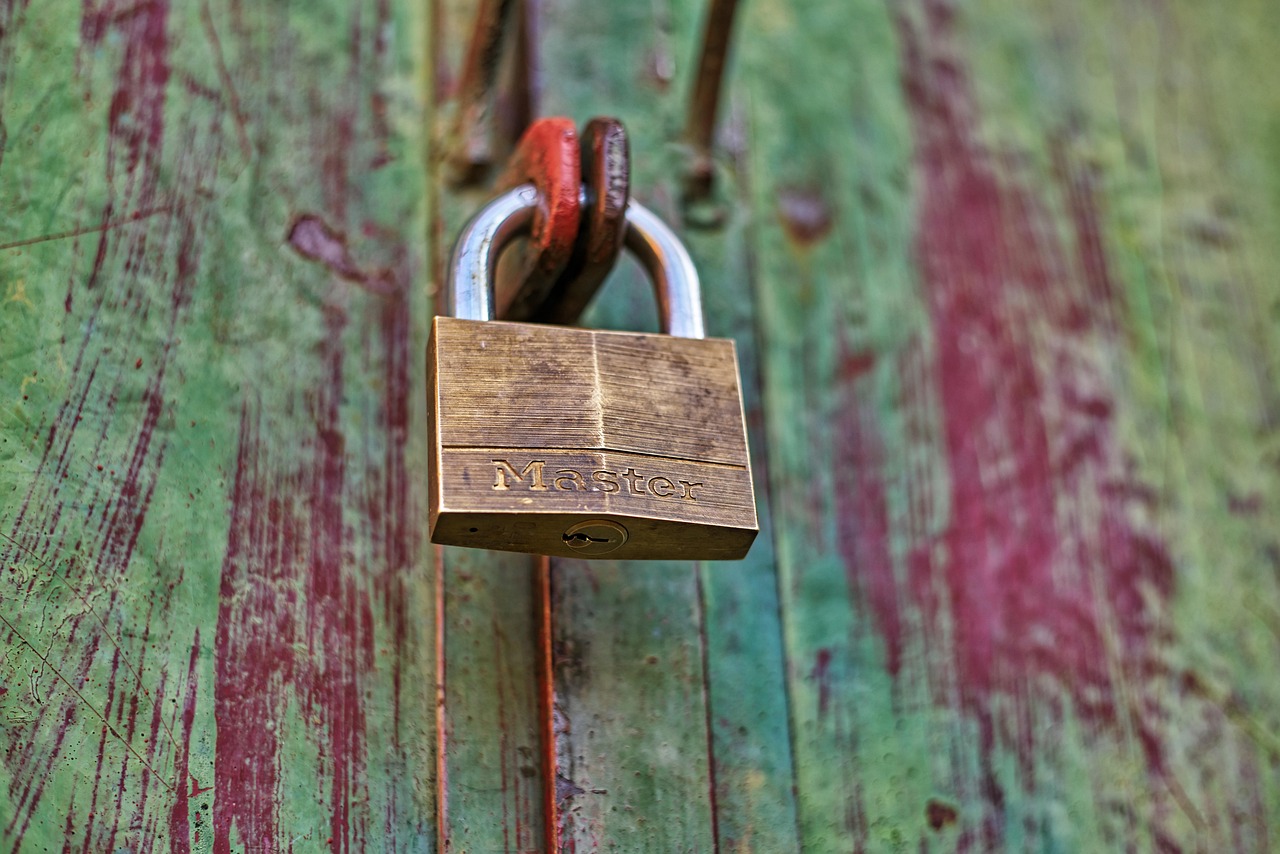
You’ve booked your hostel, packed your clothes, and mapped out your route. But have you thought about what’s keeping your passport, phone, and cash safe while you’re showering or exploring a new city?
A good travel lock is one of the cheapest insurance policies you can buy. It won’t stop a determined thief with bolt cutters, but it will stop the opportunistic grab-and-go that happens in hostels every single day.
This article will help you choose the best travel locks for security based on how you actually travel. Whether you’re bouncing between hostels in Southeast Asia, working remotely from European cities, or taking a train across the US, I’ll break down what works, what doesn’t, and what’s worth your money.
Let’s be clear upfront: no lock is 100% foolproof. The goal is to make your stuff harder to steal than the next person’s. That alone is usually enough.
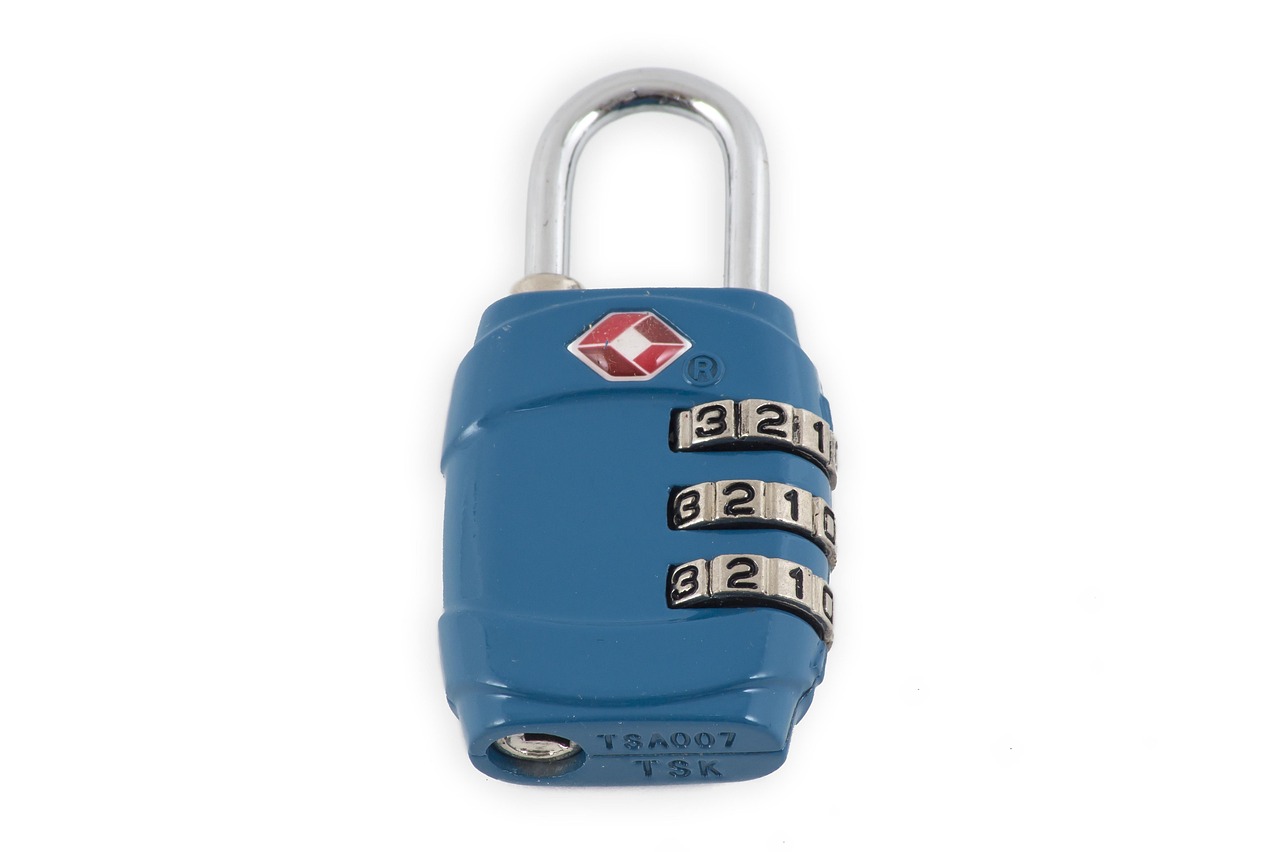
Why You Need a Dedicated Travel Lock (Not a Luggage Lock)
If you’re thinking “I already have a lock on my suitcase,” stop right there. The tiny combination lock that came with your luggage is not a security device. It’s more of a courtesy latch. Those locks have universal keys that anyone can buy online, and the little metal tab can be snapped with minimal effort.
Travel locks are built differently. They’re designed to resist cutting, picking, and shimming. The shackles are thicker. The bodies are made from hardened steel or aluminum alloys. Some even have shrouded designs that prevent bolt cutters from getting a grip.
Another practical reason: hostel lockers don’t all work the same way. Some need a standard padlock. Others need a longer shackle to fit through a hasp. Some lockers require a cable lock to secure your bag to a fixed point. A standard luggage lock usually won’t work for any of these situations.
Buying a proper travel lock solves a specific problem: keeping your valuables secure in shared spaces. It’s a small investment that saves you from a ruined trip. Travelers who need a versatile option for different locker types should consider a travel padlock with a combination mechanism that can adapt to various hasp sizes.
Types of Travel Locks: Which One Fits Your Trip?
There are three main types of travel locks. Each serves a different purpose, and most experienced travelers carry more than one.
Combination Padlocks
These are the most common for hostel lockers. You set a four-digit code and don’t need to keep track of a key. The best ones have resettable combinations and hardened steel shackles. The downside is that cheap combination locks can be shimmed open with a feeler gauge. But a quality lock from a reputable brand solves that problem.
Best for: Hostel lockers, gym lockers, and lockers at train stations.
Keyed Padlocks
Keyed locks are generally more secure because they use a precision pin tumbler mechanism that’s harder to pick. They’re also lighter than many combination locks since they don’t need the extra dial mechanism. The catch: you have to keep track of the key. Lose it in a foreign country and you’re either buying bolt cutters or calling a locksmith.
Best for: Long-term travelers who are organized and want maximum security.
Cable Locks
Cable locks aren’t padlocks. They use a braided steel cable that you can loop through backpack zippers, around a bed frame, or through a locker handle. They’re incredibly versatile but less secure than a padlock because the cable can be cut with wire cutters. However, they solve the specific problem of securing your bag when it doesn’t fit in a locker.
Best for: Backpackers who need to secure bags in dorms, on trains, or in overhead compartments.
What to Look for in a Travel Lock: Security vs. Convenience
Choosing a travel lock usually comes down to how much weight you’re willing to carry versus how secure you want to be. Here are the factors that actually matter.
Material. Hardened steel is the gold standard. It resists cutting and sawing. Brass and aluminum are lighter but softer. A lock with a plastic body is essentially worthless.
Shackle thickness. Thicker shackles are harder to cut but heavier. Look for at least 4mm on a padlock if you want reasonable security. Anything thinner can be cut with a decent pair of cable cutters.
Locking mechanism. Avoid TSA locks for hostel use. TSA locks have a master key that you don’t control. That defeats the purpose. Also, some low-end combination locks have a mechanical design that can be shimmed open. Look for locks with anti-shim technology or precision pin tumblers.
Shroud design. A shroud protects the shackle from bolt cutters. If a lock has a hardened steel shroud, it’s much harder to break. This is one of the most underrated features in a travel lock.
Weather resistance. If you’re traveling to humid or rainy places, make sure the lock is rust-resistant. Brass and aluminum are naturally corrosion-resistant. Steel needs a protective coating.
Here’s the hard truth: you can’t have both ultra-lightweight and maximum security. A heavy steel padlock with a shroud is going to weigh six or seven ounces. A cable lock weighs almost nothing. Decide based on where you’re going and what you’re protecting. If you’re backpacking hostels, a midweight padlock is usually the sweet spot. For those prioritizing weight, a lightweight travel padlock made of aluminum or Titalium can offer a good balance.
Common Mistakes Travelers Make When Choosing a Lock
After years of helping travelers pick locks, I’ve seen the same mistakes over and over. Avoid these and you’ll be ahead of most people.
Buying a TSA lock for non-US travel. TSA locks are designed for checked luggage. They have a universal key that airport security can use. That same feature makes them easy to pop. Use them only if you must, but never rely on them for hostel lockers.
Using a small combination lock that can be shimmed. Those little Master Lock combination locks with the dial on the bottom are notorious for being shimmable. A thief with a piece of thin metal can open them in seconds. Spend a few extra dollars on a lock with anti-shim protection.
Forgetting the combination or losing the key. I can’t tell you how many times someone has locked their belongings in a locker and then realized they don’t remember the code. Write it down. Store it in your phone. Keep a spare key somewhere separate.
Buying a lock that’s too big for the locker. Some hostel lockers have small hasps or tight mechanisms. A large padlock simply won’t fit. Check the locker design before you buy. A lock with a 40mm body width is usually safe, but it’s worth confirming.
Review: Master Lock 1500iD Dual Combination Lock
The Master Lock 1500iD is one of the most practical hostel locks on the market. It has a resettable four-digit combination and a key override, which means you have two ways to open it. That’s a lifesaver if your memory fails.
The body is made of hardened steel with a vinyl coating that protects your locker from scratches. The shackle is 6.5mm thick, which is solid enough to deter casual theft. The combination mechanism is smooth and easy to set.
One thing to note: this lock is not TSA-accepted. That’s actually a feature for hostel use. It means nobody has a master key except you.
It’s not ultralight. It weighs about 0.4 pounds. But it’s built to last. I’ve seen these survive years of travel abuse.
Best for: Hostel lockers, gym lockers, and train station lockers.
Avoid if: You need something that fits in a small pocket or you only need to secure a backpack zipper.
Review: Pacsafe Retractable Cable Lock for Backpacks
The Pacsafe Retractable Cable Lock solves a problem that padlocks can’t touch: how to secure your bag when it’s not inside a locker. It has a 6-foot braided steel cable that retracts into a compact housing. You can loop it through the zippers of your backpack and then around a bed frame, a pipe, or a fixed piece of furniture in your dorm room.
The locking mechanism uses a combination wheel that you set to a four-digit code. It’s lightweight enough to keep in your daypack at all times.
The trade-off is real: cables can be cut faster than a hardened steel shackle. But in practice, that’s rarely what happens. Most theft in hostels is grab-and-run, not someone sitting there with wire cutters. The cable lock prevents that instant swipe.
Best for: Backpackers, solo travelers, and anyone using dorm rooms. It’s also great for securing your bag on trains or in airport lounges.
Avoid if: You only need to lock a metal locker. In that case, a padlock is better.
Review: ABUS 64TI/40 Titalium Padlock â Lightweight and Tough
The ABUS 64TI/40 is a favorite among serious travelers. It’s made from Titalium, an aluminum alloy that is both lightweight and strong. The body is compact at 40mm wide, and the shackle is 6.5mm hardened steel.
What sets this lock apart is the precision pin tumbler cylinder. It’s far more secure than a typical padlock, and it resists picking. The lock comes with two keys, and it’s keyed differently from every other ABUS lock, so there’s no master key floating around.
It weighs only 2.5 ounces. That makes it one of the lightest secure padlocks available. If you’re counting grams for a long trip, this is the one.
Best for: Long-term travelers, carry-on only packers, and anyone who wants maximum security in a small package.
Avoid if: You are prone to losing keys. This lock requires a key to open, so if you lose it, you’re locked out.
Comparison: Best Travel Locks for Security at a Glance
| Lock Name | Type | Weight | Shackle Material | Best For | Price Range |
|---|---|---|---|---|---|
| Master Lock 1500iD | Combination Padlock | 6.4 oz | Hardened Steel | Hostel lockers, gym lockers | $15â$20 |
| Pacsafe Retractable Cable Lock | Combination Cable Lock | 3.2 oz | Braided Steel Cable | Backpack security, dorm rooms | $15â$25 |
| ABUS 64TI/40 | Keyed Padlock | 2.5 oz | Hardened Steel | Long-term travel, carry-on | $12â$18 |
| ABUS 85/40 Discus | Keyed Padlock | 5.2 oz | Hardened Steel with shroud | Maximum security, outdoor lockers | $20â$30 |
| Lewis N. Clark Combination Lock | Combination Padlock | 5.0 oz | Hardened Steel | Hostel lockers, travel | $8â$12 |
Here’s how to decide: If you’re hostel hopping across Europe, the ABUS 64TI/40 gives you the best security per gram. If you need to secure your backpack in a dorm, add a Pacsafe cable lock. If you want a simple, heavy-duty padlock with a combination, the Master Lock 1500iD is your best budget pick.
How to Use Your Travel Lock Effectively in a Hostel
Even the best travel locks for security won’t help if you use them wrong. Here are a few things to keep in mind.
First, make sure the shackle passes through the hasp of the locker, not just the handle. The hasp is the metal loop that the locker door hooks onto. If you lock the handle instead, someone can slide the lock off without opening it.
Second, if you’re using a cable lock on your bag, pass the cable through the zipper pulls and then through a fixed object. That prevents someone from sliding both zippers open and grabbing your stuff.
Third, never leave the key in the locker. It sounds obvious, but people do it. If you use a combination lock, make sure you set the dials before closing the door.
Fourth, always test the locker mechanism before you walk away. Some lockers have sticky mechanisms or worn hinges. You don’t want to find out your lock isn’t actually holding the door shut after you’ve left the room.
Finally, don’t rely on the lock alone. Keep your passport and cash on you whenever possible. A lock is a deterrent, not a vault. For added peace of mind, consider a travel lock security set that includes both a padlock and a cable lock.
Alternatives to Locks: When a Lock Isn’t Enough
There are situations where a lock just isn’t sufficient. For example, if you’re staying in a very low-security environment or if you’re carrying expensive electronics, you might need more.
A portable travel safe is a good option. These are collapsible bags with a steel mesh lining and a padlock. You can put your valuables inside and then lock the bag to a fixed object. They’re not indestructible, but they make theft much harder.
Another option is a locking backpack. Some packs come with integrated locks on the zippers or a hidden lockable compartment. These are convenient but not as secure as a separate lock.
If your hostel offers private rooms with a personal safe, that’s often worth the upgrade. Even a basic hostel locker is more secure than leaving your bag unattended in a dorm.
Locks are a tool, not a strategy. Use them as part of a broader approach that includes staying aware of your surroundings and keeping your most valuable items on your person.
Final Verdict: Which Travel Lock Should You Buy?
Here’s the short version for most travelers.
Best Overall: ABUS 64TI/40. Light, strong, and secure. If you can keep track of a key, this is the lock to get.
Best for Backpackers: Pacsafe Retractable Cable Lock. It’s versatile and easy to use. Perfect for securing your bag when you’re moving between hostels.
Best Budget: Master Lock 1500iD. It’s reliable, has a combination, and includes a key override. You can’t go wrong for the price.
If you want maximum security for a longer trip, consider pairing the ABUS 64TI/40 with the Pacsafe cable lock. The ABUS lock goes on the locker, and the Pacsafe secures your bag when it’s outside the locker. It’s a practical two-lock system that covers almost every situation.
Choose the lock that fits your travel style and pack with peace of mind.