Best Filtered Water Bottles for Travel: Honest Reviews & Buying Guide
Why Bring a Filtered Water Bottle Instead of Buying Bottled Water
If you travel at all, you know how quickly bottled water costs add up. A couple bucks per bottle, three or four times a day, over a two-week trip can easily reach a hundred dollars or more, depending on where you are. That’s money you could spend on a good meal or a tour instead of something that will end up in the trash.
Plastic waste is a huge part of the problem. Carrying a reusable bottle with a filter means you can refill from the tap, a stream, or a filtered water station and drink safely. It cuts down on waste, saves you money, and ensures you always have hydration handy.
But here’s the thing: filtered water bottles aren’t magic. Each has a specific job. Some remove bacteria and protozoa, others only improve taste and reduce chlorine, and very few remove viruses. If you plan around the water conditions at your destination, you’ll get far more from the bottle than it costs. That’s the whole point.
What to Look for in a Travel Filtered Water Bottle: Key Features
Before you buy, you need to understand the basics. Filter type is the most important factor. There are two main categories: purification (which can remove viruses) and filtration (which removes bacteria, protozoa, and sediment). The most common filters are activated carbon, which improves taste and reduces chlorine, and hollow fiber membrane, which physically strains out bacteria and parasites. A few, like the Grayl GeoPress, use a combination that also stops viruses.
Filter life matters a lot for travel. Some filters last 40 gallons before needing replacement, while others last 100,000 gallons. If you’re going on a short city break, a shorter filter life is fine. For long-term travel, a high-capacity filter saves you time and money.
Flow rate is a big deal. Some bottles, like the Katadyn BeFree, let you drink nearly as fast as from a normal bottle. Others, like the LifeStraw Go, are slower. If you’re constantly refilling on a hot day, flow rate matters. Weight and size also matter when packing. A stainless steel filter bottle is durable but heavy. A plastic or silicone model is lighter and more packable. Travelers who move between destinations frequently may appreciate a lightweight filtered water bottle for travel that won’t weigh down a backpack.
Lastly, think about cleaning. Filters that can be backflushed, like the Sawyer Squeeze, last longer and smell better. Filters that can’t be cleaned will eventually clog if used in silty water. And never freeze a bottle with a filter inside â that will crack the filter housing and ruin it.
Our Top Picks at a Glance
- LifeStraw Go Series â Best overall for most travelers. Good filter life, dual filtration, and widely available.
- Grayl GeoPress â Best for heavy contaminants and virus protection. Durable and fast purification, but heavier.
- Brita Filtered Water Bottle â Best for urban travel where tap water is safe but tastes bad. Lightweight and affordable.
- Sawyer Squeeze with Flip-Top Cap â Lightest and most flexible option. Filter lasts an exceptionally long time.
- Katadyn BeFree â Best for high flow rate and simplicity. Great for day trips and quick refills.
1. LifeStraw Go Series â Best Overall for Most Travelers
The LifeStraw Go is probably the most popular filtered travel bottle, and for good reason. It uses a two-stage filtration system that removes bacteria, parasites, microplastics, and sediment. It also improves taste. It’s available in both plastic and stainless steel versions, though the plastic one is lighter for travel.
I’ve used the LifeStraw Go on trips to Mexico and parts of Southeast Asia. It worked fine for two weeks in Oaxaca, where tap water isn’t safe to drink. I refilled at the hotel tap and at restaurants, and never got sick. The water tasted like regular water â no odd aftertaste.
The main drawback is the flow rate. It’s not fast. You have to suck a bit harder than a normal bottle. Also, the filter cap can be finicky if you don’t screw it on right, and it can leak if not seated properly. If the water is very murky, pre-filter it through a cloth to avoid clogging the main filter too quickly.
2. Grayl GeoPress â Best for Heavy Contaminants and Viruses
The Grayl GeoPress is a purifier, not just a filter. It pushes water through a specialized cartridge using a press mechanism, and it removes viruses, bacteria, protozoa, and sediment. This matters if you’re going to places with known waterborne viruses like hepatitis A or norovirus â think rural Africa, remote parts of Southeast Asia, or backcountry adventures.
It’s fast â you can purify a full bottle in eight to fifteen seconds by pressing down. The bottle body is tough, with a protective outer shell. But it’s also heavy compared to most other options. At about one pound, it’s a significant addition to your pack, especially if you’re carrying a lot of other gear. The price is also high compared to simpler filters. For travelers heading to remote destinations with questionable water sources, a water purifier for travel like the GeoPress provides an extra layer of safety.
The press mechanism requires effort and some dexterity. It’s not something you want to use multiple times per hour if you’re already tired. For everyday urban travel, it’s overkill. But if you need certainty about virus protection, it’s the best choice.
3. Brita Filtered Water Bottle â Best for Urban Travel & Better Taste
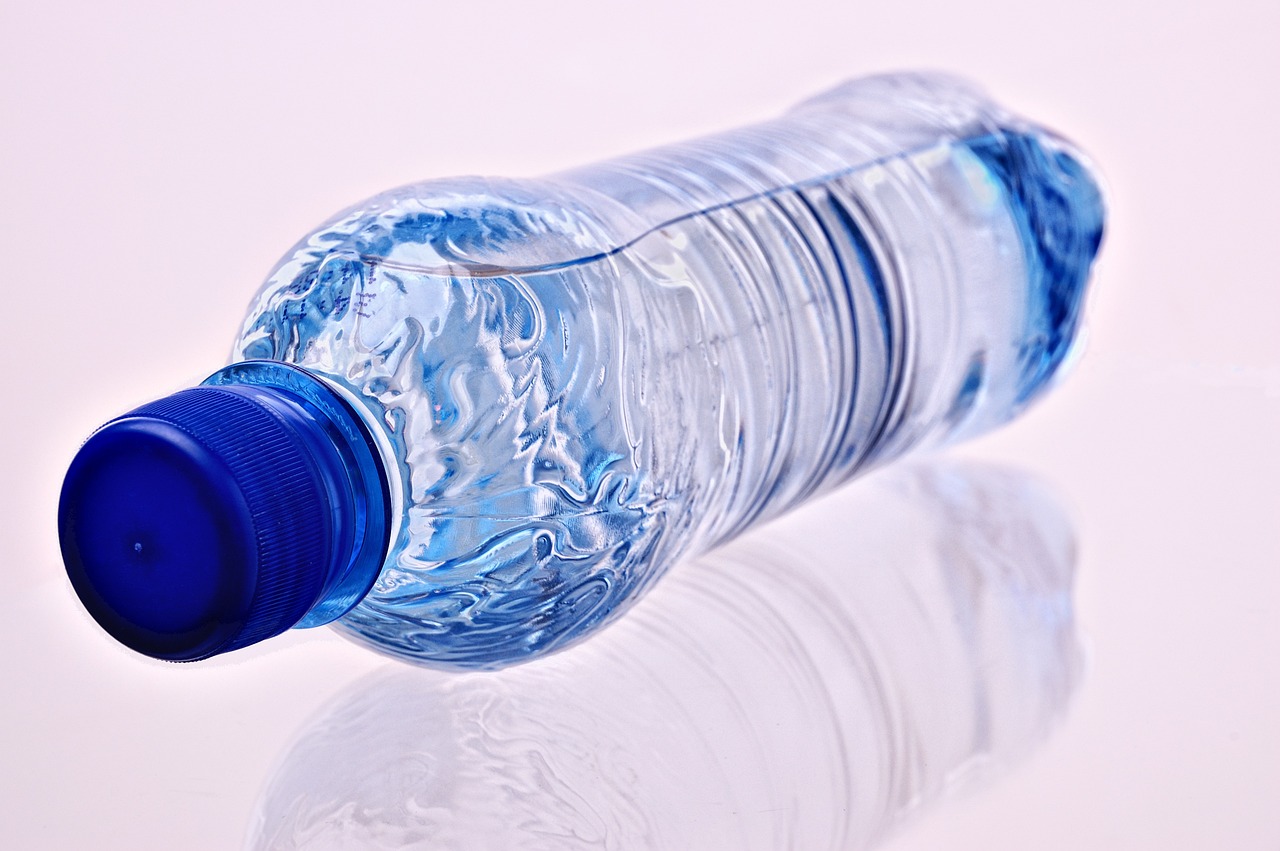
The Brita filtered water bottle is exactly what it sounds like: a reusable bottle with an activated carbon filter built into the straw. It reduces chlorine and improves the taste of tap water. It’s extremely lightweight and cheap, and you can buy it almost anywhere.
Here’s the warning: it does NOT remove bacteria, viruses, or harmful contaminants. It only improves taste and reduces sediment. If you’re in a city where tap water is generally safe, like most US cities or European capitals, it’s fine. But if you’re in Mexico City or rural Thailand and you think a Brita will save you, you’ll be in trouble.
The filter needs replacement every two months or forty gallons, which is sooner than most other travel filters. That’s fine if you use it daily at home and bring it on a city trip, but not ideal for extended trips in remote areas.
4. Sawyer Squeeze with Flip-Top Cap â Lightest and Most Flexible
The Sawyer Squeeze is a tiny filter system that you attach to standard water bottles. It weighs only about two ounces. You fill a disposable plastic bottle with water from a source, screw the filter on, and drink by squeezing the bottle or attaching the included drinking pouch.
The filter life is phenomenal â it’s rated for up to 100,000 gallons, meaning it basically lasts forever if you clean it properly. You can backflush it with the included syringe to clear out clogs. It also filters down to a tiny 0.1 micron size, which removes nearly all bacteria and protozoa.
The downside: there’s no integrated bottle. You have to carry your own water bottle, usually a reused Smartwater or similar bottle. It’s not as convenient for casual on-the-go sipping as an integrated bottle. This system is best for ultralight backpackers or minimalists who are willing to trade convenience for weight savings and flexibility.
5. Katadyn BeFree â Best for High Flow Rate and Simplicity
The Katadyn BeFree uses a hollow fiber membrane filter built into a soft, squishy flask. The flow rate is fast â you can drink about 1 liter per minute, which is as fast as a regular bottle. It’s simple: fill the flask, screw on the filter cap, and either suck directly or squeeze the flask to push water through.
It’s great for day hikes, biking, or any scenario where you need quick hydration without wrestling with a filter mechanism. The soft flask is packable and you can roll it up when empty.
The biggest drawback is filter longevity. It only lasts between 20 and 40 gallons, which is much shorter than the Sawyer or LifeStraw. It also can’t be cleaned effectively if it clogs â you just replace the filter element. A common mistake is leaving water in the flask overnight, which can cause mold growth. You must remove the filter and dry the flask thoroughly after each use. For those who value fast hydration on active trips, a travel water bottle with fast flow filter like the BeFree is worth considering.
Side-by-Side Comparison: Weight, Filter Life, Flow Rate, and Price
| Model | Weight (dry) | Filter Type | Filter Life | Flow Rate | Price | Best For |
|---|---|---|---|---|---|---|
| LifeStraw Go | ~7 oz | Membrane + Carbon | ~1,000 gallons | Moderate | ~$35â$45 | General travel |
| Grayl GeoPress | ~16 oz | Electrostatic + Carbon | ~150 liters | Fast (press once) | ~$80â$100 | Remote areas, virus risk |
| Brita Filtered Bottle | ~5 oz | Activated Carbon | ~40 gallons | Fast | ~$10â$15 | Urban taste improvement |
| Sawyer Squeeze | ~2 oz (filter only) | Hollow Fiber Membrane | 100,000 gallons | Fast (when squeezed) | ~$30â$40 | Ultralight backpacking |
| Katadyn BeFree | ~2.5 oz | Hollow Fiber Membrane | 20â40 gallons | Very fast | ~$30â$40 | Day trips, quick refills |
If you need virus protection, only the Grayl GeoPress offers that. For budget-conscious travelers, the Brita works for safe tap water only. For weight-conscious backpackers, the Sawyer Squeeze system wins. For most regular travel, the LifeStraw Go is the all-around best.
Common Mistakes Travelers Make with Filtered Water Bottles
I’ve made most of these mistakes myself, so I can confidently warn you.
1. Drinking muddy or silty water directly â Even the best filters clog quickly if the water is murky. Always pre-filter through a clean cloth or bandana before running it through your bottle filter.
2. Freezing the bottle â Don’t freeze a bottle with the filter inside. Water expands when frozen and can crack the filter cartridge or housing. If you’re in cold weather, store the filter inside your jacket or sleeping bag.
3. Using a taste-only filter in unsafe water â The Brita bottle won’t save you from bacteria or viruses. Know your filter type and the water quality at your destination before you decide what bottle to carry.
4. Forgetting to backflush or clean the filter â Filters like the Sawyer Squeeze let you backflush to clear out sediment. If you skip it, the flow rate slows down and eventually stops. Some filters also start to smell if organic matter breeds inside them.
5. Letting water sit in the filter too long â Especially with the Katadyn BeFree, leaving water in the flask overnight can cause mold growth. Always empty the bottle and remove the filter to let everything dry thoroughly if you’re not using it for more than a day.
How to Choose the Right Filtered Water Bottle for Your Trip
Here’s a practical way to decide:
- Where are you going? If you’re heading to a remote area in a developing country with known waterborne diseases, get the Grayl GeoPress for virus protection. If you’re traveling within cities where tap water is generally safe but tastes bad, get the Brita.
- How long is your trip? A Sawyer Squeeze filter lasts for many years. A Katadyn BeFree filter lasts 20 to 40 gallons â enough for a few weeks of daily use.
- What is your luggage allowance? If you’re flying with a small personal item, a heavy Grayl might be too much. The Sawyer Squeeze system adds almost no weight.
- Will you have easy access to clean water for refills? If you’re often in a hotel with a sink, flow rate doesn’t matter much. If you’re hiking or on long bus rides, you’ll want a fast-flowing bottle like the BeFree.
- Do you share a bottle? The LifeStraw or Brita work for one person. The Grayl can be passed around if you have multiple cups, but it’s not ideal for group sharing.
If you’re like most travelers â moving between cities, staying in hotels or hostels, and not doing serious wilderness trips â the LifeStraw Go is your best starting point.
Final Verdict: Which Filtered Water Bottle Should You Buy?
For the widest range of travel situations, the LifeStraw Go Series is our top pick. It balances price, weight, filter life, and functionality. If you’re heading into areas where viruses are a real threat, upgrade to the Grayl GeoPress. For purely urban trips where tap water is safe but tastes bad, the Brita Filtered Water Bottle is a lightweight budget choice. The Sawyer Squeeze is ideal if you’re an ultralight backpacker, and the Katadyn BeFree is perfect for day trips where you need fast hydration.
No matter which you choose, a best filtered water bottle for travel is one of the smartest and most cost-effective travel investments you can make.