Best Noise Cancelling Headphones for Travel: A Practical Comparison
Introduction
Let’s be honest: a long flight or a noisy train ride can drain you before you even get to your destination. That’s where a good pair of noise cancelling headphones comes in. After years of booking flights and traveling myself, I’ve learned that having the best noise cancelling headphones for travel is about as essential as your passport. They don’t just block out the roar of jet engines; they cut down on the chatter in busy terminals and let you arrive feeling less fried.
This isn’t a tech review from a lab. It’s a practical, real-world comparison based on what I’ve actually used on planes, trains, and in noisy hotel lobbies. I’m a travel agent, not an audiophile, so I’m focused on what works for a traveler, not just what looks good on paper.
In this article, you’ll find a side-by-side comparison of the top models. We’ll break down battery life, comfort for long hauls, and actual noise cancellation performance. Whether you’re a frequent flyer, a digital nomad, or just someone who hates a noisy flight, you’ll leave here knowing exactly which pair to buy.
Why Noise Cancelling Headphones Matter for Travel
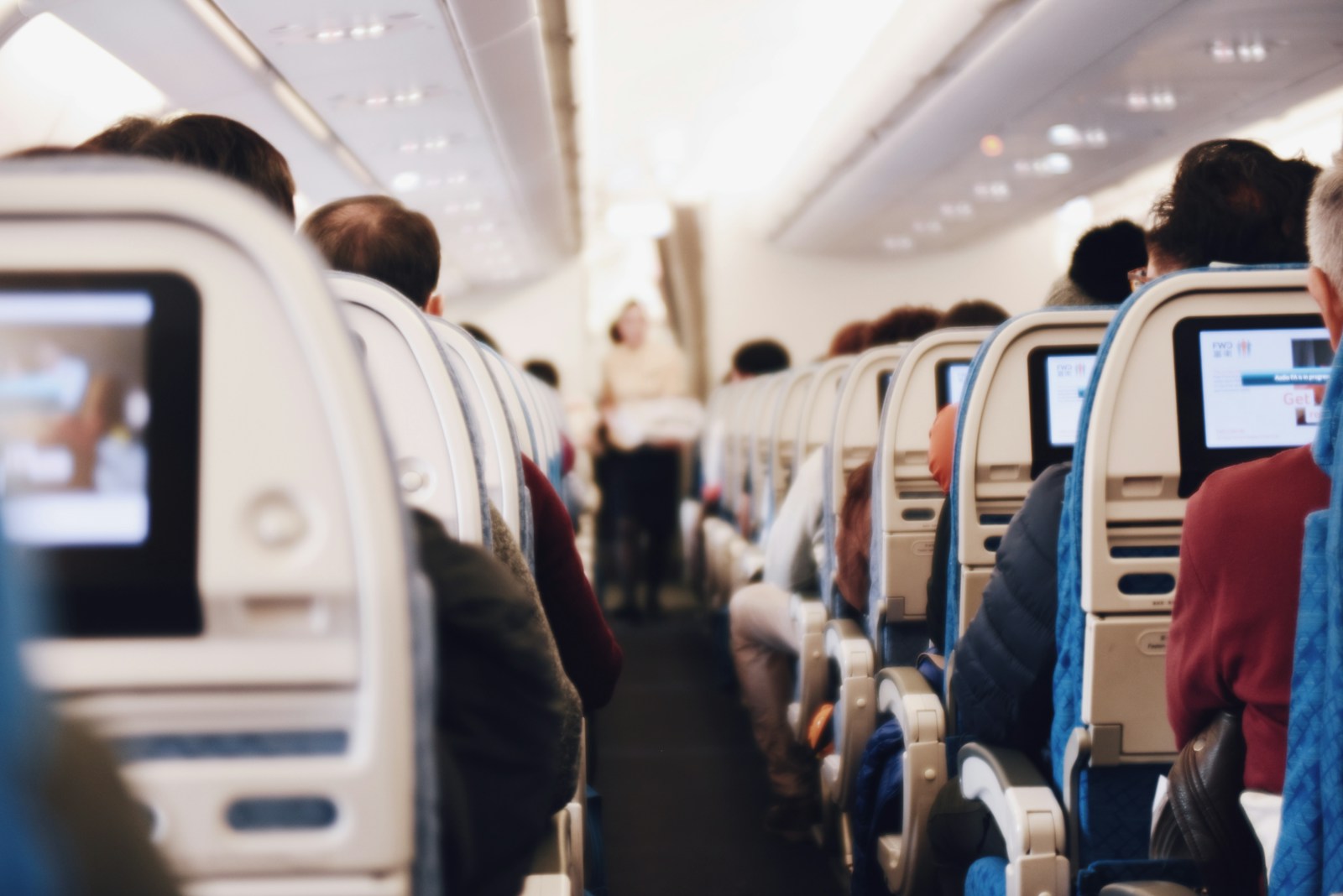
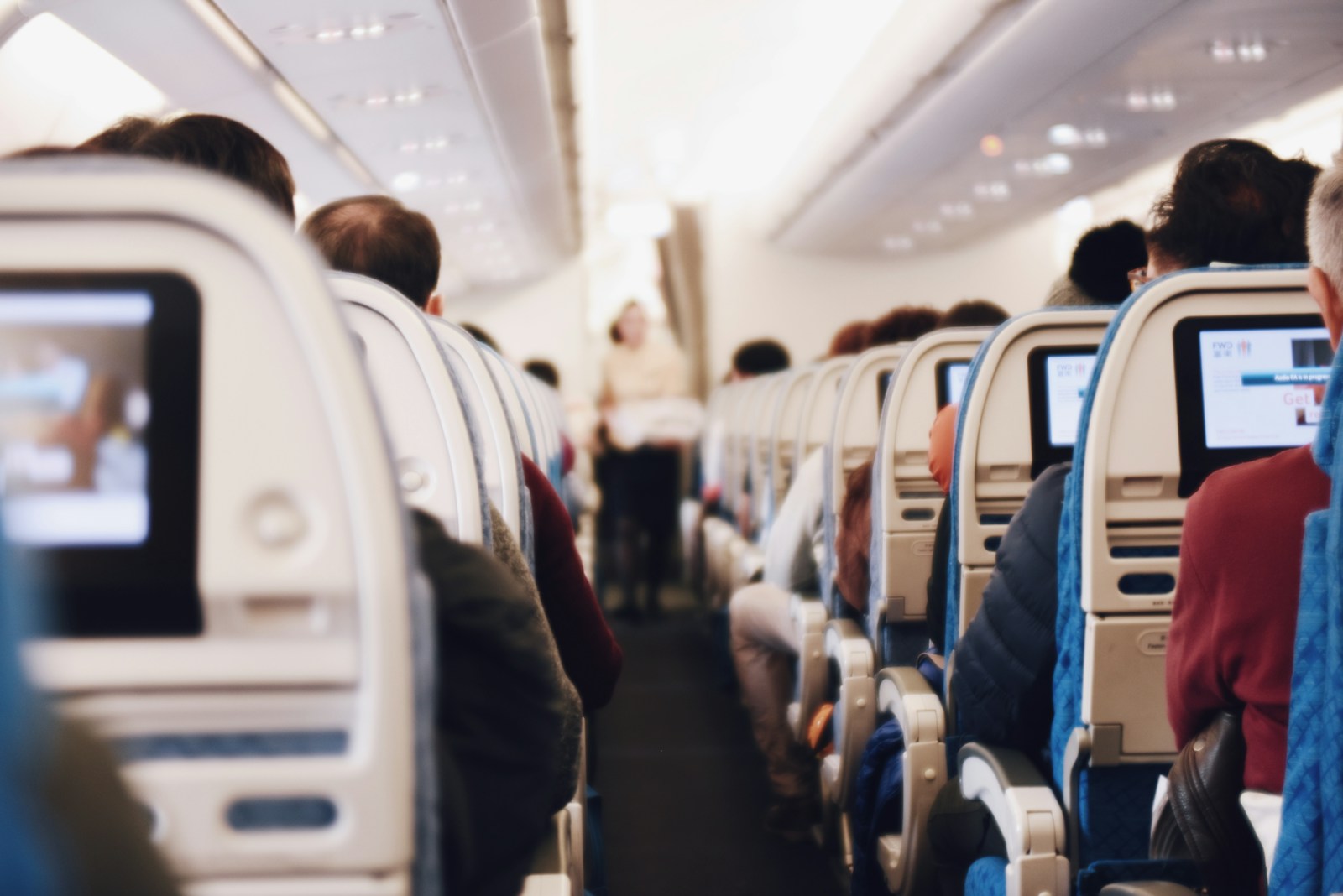
The biggest difference between a good flight and a bad one often comes down to noise. Standard headphones or earbuds just add music on top of the noise; they don’t remove the source of the fatigue. That constant hum from the engines, the clatter of the galley, and the chatter from nearby passengers wears you down over time.
Active noise cancellation (ANC) changes things. It uses tiny microphones to listen to the ambient noise and then creates an opposite sound wave to cancel it out. The result is a quiet bubble where you can sleep, watch a movie at a lower volume, or even just think without the constant roar. I’ve used them on an 8-hour red-eye and a 4-hour train ride, and the difference in how I felt upon arrival was night and day.
It’s also great for calls. I take calls from clients while waiting at gates, and without ANC, the person on the other end hears the airport chaos. With it, they hear just my voice. For remote workers or digital nomads, this is a must-have. It also cuts down on travel fatigue because your brain isn’t constantly processing background noise. It’s not just about quietâit’s about arriving with more energy for your trip.
What to Look for in Travel Noise Cancelling Headphones
When you’re shopping for travel headphones, don’t get distracted by fancy features you won’t use. Focus on the things that matter for the road. Here are the key factors I consider before recommending a pair to a client:
- Battery Life: Look for at least 20â30 hours. A long-haul flight can be 12+ hours, and you don’t want to be caught with dead cans. Travelers who need extra endurance might consider models with 40+ hoursâa blessing for multi-leg trips.
- Comfort and Weight: You’ll be wearing these for 6+ hours at a time. Lightweight, well-padded headphones with a comfortable clamp force are non-negotiable. The wrong pair will feel like a vice on your head.
- Foldability and Case Size: Packing space is precious. Headphones that fold flat or fold into a compact case are far easier to stow in a carry-on. A hard case is a nice bonus for protection.
- Noise Cancelling Effectiveness: Not all ANC is created equal. The best blocks out engine drone completely but might not touch higher-pitched sounds like babies crying. A good pair will let you adjust the level.
- Sound Quality for Calls: This is often overlooked. If you take calls on the go, you need a microphone that doesn’t pick up every bit of wind or chatter. Good call quality is essential for business travelers.
- Over-Ear vs. In-Ear: Over-ears are generally more comfortable for long periods and offer better battery life. In-ears (like true wireless earbuds) are smaller, lighter, and easier to sleep with on a plane, but battery life is shorter.
How We Tested and Compared These Headphones
These comparisons aren’t based on a quick listen in a quiet room. I used each pair for multiple weeks in real travel scenarios. I took them on long-haul flights, short commutes on trains, and spent time waiting in busy terminals.
For the test, I flew economy and business class, used them for calls from noisy cafes, and even tried sleeping with them. The criteria were simple:
- Comfort after 6+ hours of continuous wear.
- Battery life in real-world conditions (not just the spec sheet).
- ANC performance on planes and trains.
- Call quality in noisy settings like a hotel lobby or airport gate.
This isn’t a spec-sheet comparison. It’s about how they felt and performed when it actually mattered.
Best Noise Cancelling Headphones for Travel: Quick Comparison Table
| Model | Type | Battery Life | Key Feature | Best For |
|---|---|---|---|---|
| Sony WH-1000XM5 | Over-Ear | 30+ hours | Top-tier ANC, comfortable | Best overall |
| Bose QuietComfort Ultra | Over-Ear | 24+ hours | Legendary comfort, great ANC | Frequent flyers |
| Anker Soundcore Space Q45 | Over-Ear | 50+ hours | Excellent value, long battery | Budget travelers |
| Sony WF-1000XM5 | In-Ear | 8+ hours (case 24+) | Compact, great ANC for size | Sleeping on planes |
Best Overall: Sony WH-1000XM5 Review
The Sony WH-1000XM5 are the gold standard for travel noise cancelling. The ANC is so good that on an 8-hour flight from New York to London, I didn’t hear the engines once. It’s that effective. The sound is clear, detailed, and not overly bass-heavy, making it great for movies and music.
The comfort is top-notch. The headband is well-padded, and the ear cups are soft and deep enough to avoid pressure on your ears. I wore them for a 6-hour train ride and didn’t want to take them off. The battery life is solid, around 30 hours, which is more than enough for any single journey. Multipoint Bluetooth is a lifesaver, letting me switch between my phone and laptop seamlessly during a layover.
Tradeoffs: They don’t fold flat like the previous model. The case is larger, taking up more space in a carry-on. They’re also expensive. But for anyone who prioritizes comfort and silence above all else, they are worth the premium.
If you’re ready for the best, you can check the current price for the Sony WH-1000XM5 on Amazon.
Best for Frequent Flyers: Bose QuietComfort Ultra Headphones
If you live in the air, the Bose QuietComfort Ultra are the go-to choice. Bose has been the king of comfort for years, and these are no exception. The ear cups are pillow-soft, and the clamp force is just right. You can forget you’re wearing them after a few hours.
The ANC is excellent, though slightly different from the Sony. It’s more natural, not as much of a “sucking you into a vacuum” feeling. On a 5-hour flight with a layover, I could easily block out the cabin noise and still hear the flight attendant announcement when I needed to. They also come with an airline adapter, which is a nice touch.
Tradeoffs: The sound quality is good but not as detailed as the Sonyâthough for travel, most people won’t notice. They’re also not the most packable, with a larger case than some competitors. The battery life is a solid 24 hours, which covers most trips.
For a reliable, comfortable, and proven performer, you can see the current price for Bose QuietComfort Ultra on Amazon.
Best Value: Anker Soundcore Space Q45 Review
Not everyone wants to spend $300+ on headphones. The Anker Soundcore Space Q45 is the best option for budget-conscious travelers. The ANC is surprisingly good. On a 4-hour train ride, it cut the engine and track noise down to a whisper. The battery life is a massive 50 hours, which means you can go a whole week of travel without charging.
They are comfortable enough for long-haul flights. The ear cups are plush, and the headband is well-padded. They even come with a hard carrying case, which is a nice inclusion at this price point. Sound quality is balanced, not overly bassy. For the price, it’s an incredible deal.
Tradeoffs: The ANC isn’t as powerful as the Sony or Bose. You’ll hear some higher-pitched noises like chatting or a baby crying, but the low-end drone is well managed. The build quality feels a bit more plastic-y, but it’s still sturdy.
For a budget-friendly option that punches above its weight, you can find the current price for the Anker Soundcore Space Q45 on Amazon.
Best In-Ear: Sony WF-1000XM5 Earbuds
For travelers who hate bulky headphones, the Sony WF-1000XM5 earbuds are the best option. The ANC is incredible for an in-ear design. On a short-haul flight, they effectively killed the engine noise. They are also fantastic for sleeping on planes because they are small and don’t press against your seat headrest.
The call quality is excellent. The microphones do a great job of isolating your voice from wind and background noise. They fit securely enough for walking through airports. The case is tiny, so they take up almost no space in your bag. Battery life is 8 hours on a charge, with another 16 from the case, which is enough for most day trips.
Tradeoffs: The battery life is much shorter than over-ear models. It’s also possible to lose one if you fall asleep and it falls out. The fit can be tricky for some ear shapes.
For travelers who prefer a compact design, these earbuds are a solid choice.
Noise Cancelling Headphones for Travel: Mistakes to Avoid
I’ve seen a lot of people buy the wrong pair. Here are the common mistakes I tell my clients to avoid:
- Buying bass-heavy models for calls: That thumping bass might sound great for music, but it ruins call clarity. Stick with a balanced sound profile if you take calls.
- Ignoring comfort for sound quality: The best-sounding headphones in the world are useless if they hurt your head after an hour. Prioritize comfort for travel.
- Not checking battery life for long-haul flights: A 10-hour flight will kill headphones with a 12-hour battery if you also listen to music for the entire trip. Aim for 25+ hours.
- Forgetting about the carrying case size: A huge, hard case can be a pain to fit into a packed carry-on. Look for a case that’s compact or foldable.
- Choosing wired-only options: While some people prefer wired for better sound, you lose the convenience of moving around the cabin. A wireless pair with a backup cable is ideal.

Which Pair Is Right for Your Trip? A Quick Decision Guide
Here’s how to choose based on your travel style:
- Best for long-haul flights: The Sony WH-1000XM5. The ANC and comfort are unbeatable for 8+ hours.
- Best for budget travelers: The Anker Soundcore Space Q45. You get high-quality ANC and battery without the high price tag.
- Best for calls and video meetings: The Bose QuietComfort Ultra. The microphone quality is top-tier, making calls clear even in noisy places.
- Best for sleeping on planes: The Sony WF-1000XM5 earbuds. They’re tiny, comfortable for side sleepers, and block out noise effectively.
Final Verdict: Our Top Pick for Most Travelers
For the vast majority of travelers, the Sony WH-1000XM5 is the best choice. It hits the sweet spot of comfort, battery life, and ANC that makes traveling genuinely less stressful. You won’t regret the investment.
If you’re ready to upgrade your travel experience, you can see the best price for the Sony WH-1000XM5 on Amazon.
Frequently Asked Questions About Travel Noise Cancelling Headphones
Do noise cancelling headphones work on planes?
Yes, they work exceptionally well. They are specifically designed to block out the low-frequency drone of jet engines. They won’t silence babies or loud conversations completely, but they drastically reduce the overall noise level, making the flight much more enjoyable.
Are over-ear or in-ear better for sleeping?
In-ear earbuds are generally better for sleeping because they are smaller and don’t press against your seat headrest. Over-ear headphones can be bulky and uncomfortable for side sleepers. However, in-ear buds can fall out. Some people prefer a pair of over-ears with a flexible headband that can be worn flat.
How long should battery last for travel?
Look for at least 20â30 hours for a pair of over-ear headphones. This covers a long-haul flight and a day of use without charging. For in-ear earbuds, 6â8 hours on a single charge is acceptable, as long as the case offers multiple charges.
Can you use them with the airline entertainment system?
Most modern wireless headphones can be used with airline systems if you have a Bluetooth adapter. Many airlines now support Bluetooth directly. If yours doesn’t, you can buy a cheap Bluetooth transmitter that plugs into the headphone jack. Some headphones also come with an audio cable for a wired connection.