Best Carry-On Luggage Reviewed: What Actually Works for Travelers
Introduction
Finding the best carry on luggage comes down to how you actually travel, not which bag has the flashiest ad. Iâve tested carry-ons over thousands of milesâthrough tight overhead bins, rainy tarmacs, and baggage check counters that take a beating. This list reflects real-world use, not spec sheet claims. Whether you fly often, travel on a budget, or just want something that wonât fall apart after a single trip, Iâll cover the real pros, cons, and tradeoffs to help you decide.
How We Tested and What Matters Most
Each bag here went on actual trips. No office hallway rolling or carpet tests. I packed them tight, hauled them through airports, stuffed them into overhead bins on domestic and international flights, and watched how they held up when baggage handlers werenât careful.
Hereâs what I focused on:
- Size compliance: Does it fit standard overhead bins on major US airlines (22 x 14 x 9 inches) and also work with stricter international carriers (often a bit smaller)?
- Durability: How do wheels, handles, and zippers hold up after repeated use? I watched for wobble, sticking, and zipper skipping.
- Packing capacity: Can you fit a weekâs worth of clothes without compression tricks?
- Weight: A heavy bag eats into your packing allowance, especially on budget airlines with strict limits.
- Ease of maneuvering: Does it glide through narrow aisles and over carpet, or fight you the whole way?
This isnât a lab test. Itâs hands-on experience that tells you what matters when youâre at the gate hoping your bag fits.
Best Overall Carry-On: The Hard-Shell That Does Everything Well
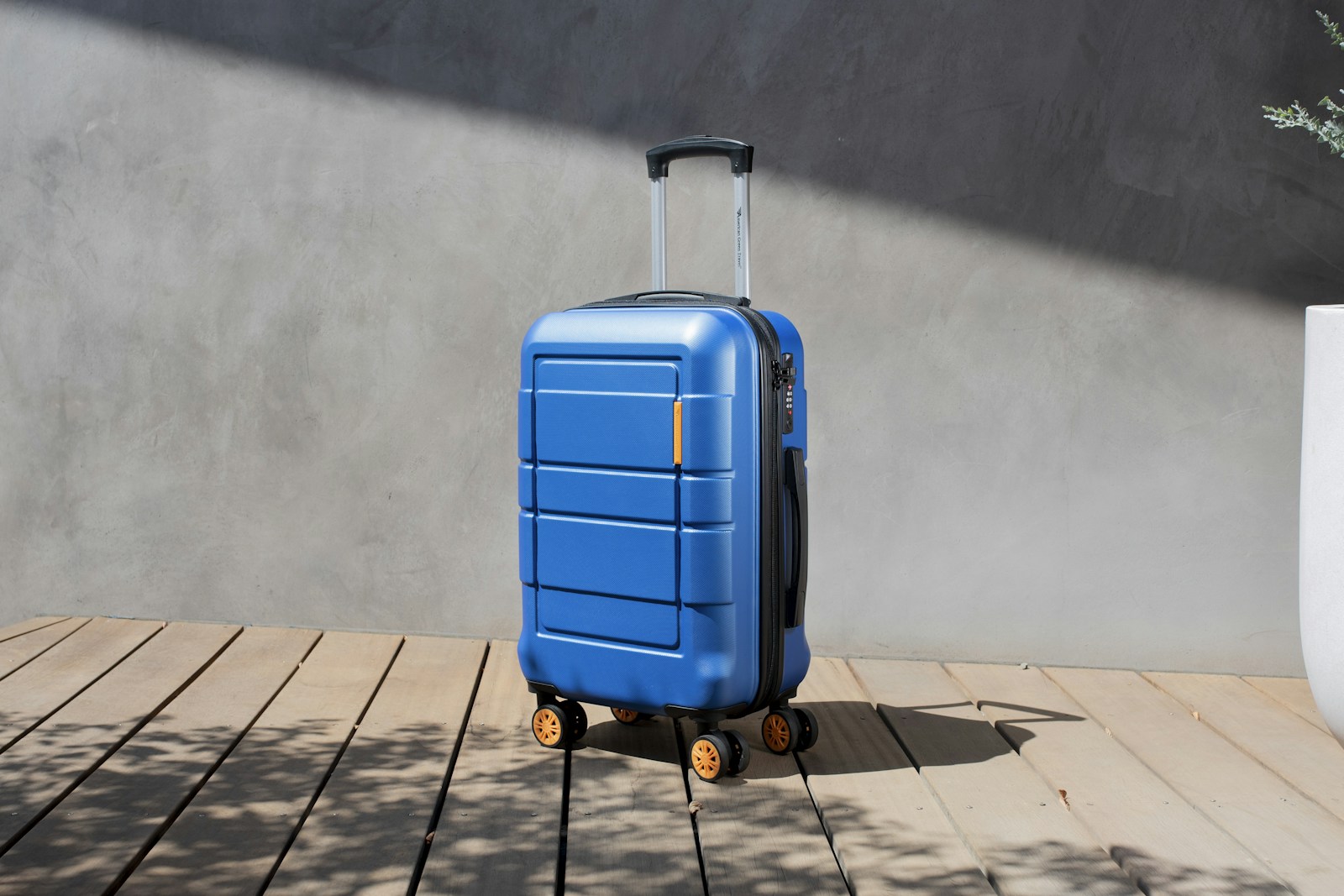
After all the testing, one bag kept coming out on top: the Away The Carry-On. Itâs not flashy, but it does the job better than anything else Iâve tried. The polycarbonate shell is light and tough, and the wheels are smooth and quiet even on rough carpet. The handle feels solid with almost no wobble.
On a recent New York to Los Angeles trip, I packed five days of clothes, sneakers, and a toiletry bag without any struggle. The interior compression system keeps everything tight, and the separate laundry bag is handy for dirty clothes. It fits easily in overhead bins on Delta, American, and United, even when theyâre packed full.
Best for: Frequent flyers or anyone wanting a reliable, do-it-all bag that looks good and performs.
Tradeoff: Itâs around $275 and doesnât expand. If youâre an over-packer, you might feel squeezed, but if you pack smart, this is the one.
Best Budget Carry-On: Solid Quality Under $150
Not everyone wants to spend over $200 on a carry-on. For a tighter budget, the AmazonBasics Hardside Spinner is surprisingly good. Itâs made from ABS plastic, which isnât as durable as polycarbonate but holds up for occasional travel. The interior is basicâjust a lining and compression strapâbut it works.
I took this bag on a weekend trip to Chicago and it held up fine. The wheels are smooth enough on tile and carpet, though not as buttery as the Awayâs. The handle feels a bit less sturdy but didnât wobble or jam. After a few uses, youâll see some scuffs, but thatâs just cosmetic.
Best for: Occasional travelers, students, or anyone who needs a functional bag without breaking the bank. Budget-minded shoppers might want to look at hardside carry on luggage options for good value.
Tradeoff: Donât expect it to survive years of heavy use. The ABS plastic can crack under stress, and wheels may show wear after 20â30 trips. But for the price, itâs solid.
Best Soft-Side Carry-On: Extra Flexibility When You Need It
If you tend to over-pack or collect souvenirs, a soft-side bag might be your best bet. The Travelpro Platinum Elite 22-Inch is the gold standard here. It expands about two inches when you need extra space, and has external pockets for quick access to your laptop, passport, or a book.
I used this bag on a trip to Mexico City where I ended up buying a lot of ceramics. The expandable zipper saved me from buying a second bag. The ballistic nylon resists scuffs, and the wheels are some of the best Iâve testedâsmooth and nimble even on uneven pavement. The handle locks firmly and telescopes smoothly.
Best for: Over-packers, souvenir collectors, or travelers who prioritize quick access over protecting fragile items.
Tradeoff: Soft-sides donât protect fragile items as well. If youâre carrying electronics or breakables, wrap them carefully. External pockets can also be a security risk if you use them for valuables.
Best Lightweight Carry-On: Saving Weight Without Losing Structure
Weight matters, especially on budget airlines with strict limits. The Travelpro Maxlite 5 is about as light as a carry-on gets without feeling flimsy. At under 5 pounds, it helps maximize your packing allowance.
I took this bag on a Spirit Airlines flight, which has a strict 40-pound carry-on limit. The bag is so light I had more room for clothes without worrying about hitting the limit. The polypropylene shell is decently durable, though it flexes more than the Awayâs polycarbonate. The handle works fine but wonât feel as premium as pricier options.
Best for: Minimalist packers, anyone flying budget airlines with strict weight rules, or travelers who prioritize weight above everything.
Tradeoff: Lighter bags often feel less sturdy. The Maxlite 5 works for most trips, but if you stuff it to the brim, the shell may flex more than youâd like.
Best Carry-Ons for International Travel: Staying Within Size Limits
International airlines, especially budget carriers like Ryanair and EasyJet, have stricter size limits. The 22-inch bag that fits on Delta might not work on a 20-inch limit. The Cabin Zero Classic 44L is designed for these restrictions. At 21.5 x 13.5 x 9 inches, it fits almost all international overhead bins.
I used this bag on a Ryanair flight from London to Barcelona. The gate agent didnât even check the sizeâit slid right into the sizer. Itâs a duffel-style with a hard back, so itâs more flexible than a rigid spinner, which helps when squeezing into tight bins. The main compartment is simple but spacious, with a padded laptop sleeve inside.
Best for: International travelers, especially those flying budget airlines with strict size rules.
Tradeoff: The wheels are smaller than standard spinners, so they donât roll as smoothly on rough surfaces. The soft exterior also means less protection for fragile items. Itâs a fair trade for fitting those tricky dimensions.
Carry-Ons to Avoid and Common Buying Mistakes
Not every carry-on is worth your money. Here are a few pitfalls Iâve run into:
- Weak handle mechanisms: I had a bag from a well-known brand where the handle started sticking after two trips. If reviews mention handle problems, take them seriously.
- Zipper failures: Cheap zippers are the most common failure point. Iâve had bags where the zipper split open mid-trip, spilling everything. Look for YKK zippersâtheyâre the industry standard.
- Wheels that jam: Some budget bags have wheels that catch on carpet or get stuck on cracks. Test the wheels before you buy.
- Buying based on looks alone: A beautiful bag is useless if it doesnât fit or falls apart. Prioritize function.
- Ignoring weight: A heavy bag can push you over the weight limit before you even pack anything. Check the bagâs weight.
- Assuming expandability is always good: An expanded bag may not fit in the overhead bin. Use it sparingly.
- Not checking dimensions: Always measure your bag yourself. Some manufacturers list dimensions that include wheels or handles, which can cause rejection at the gate.
Being honest about these issues helps you make a smarter purchase and avoid frustration.
Hard-Shell vs. Soft-Side: Which Is Right for You?
This is the most common debate in carry-on luggage. Hereâs a breakdown to help you decide:
Hard-Shell:
- Pros: Great protection for fragile items, easy to clean, modern look, no external pockets to snag.
- Cons: No expandability, less flexible for over-packing, can be heavier, scuffs are more visible.
- Best for: Most travelers, especially those packing fragile electronics, and anyone who likes a clean, organized interior.
Soft-Side:
- Pros: Expandable, external pockets for quick access, can squeeze into tight bins, generally lighter.
- Cons: Less protection for fragile items, harder to clean, zippers can be targets for theft, fabric can show wear.
- Best for: Over-packers, travelers who need quick access, and those flying smaller regional jets with tight bins.
Think of a hard-shell as a vaultâgreat for protecting valuables but rigid. A soft-side is like a cargo vanâflexible and accessible but less secure. For most people, Iâd recommend a hard-shell as your primary bag and a soft-side as a backup for specific trips.
Essential Accessories to Maximize Your Carry-On
Even the best carry-on benefits from a few smart accessories. These small investments make a big difference:
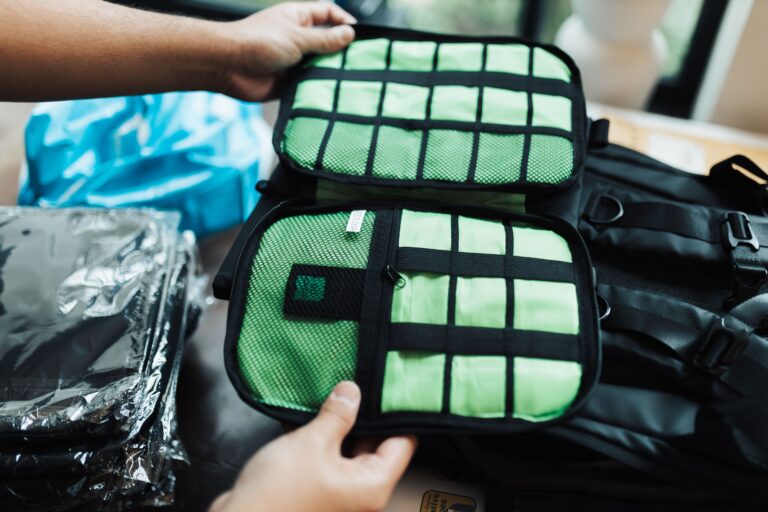
- Packing cubes: Keep your clothes organized and compressed. I use a set of three fabric cubes for shirts, pants, and underwear. They make packing and unpacking faster. If you need to stay organized, look for packing cubes for travel to find a set that works.
- Shoe bags: Keep dirty shoes from touching your clothes. A simple nylon bag works.
- TSA-approved locks: If you ever check your bag at the gate, youâll want a lock. TSA-approved locks let security open them without breaking them.
- Luggage tracker (AirTag or Tile): If your bag gets lost or delayed, a tracker can help you find it quickly. Iâve used an AirTag and itâs saved me from panic more than once. For peace of mind, consider a luggage tracker.
- Compression bags: For bulky items like jackets or sweaters, compression bags save serious space. Just donât over-packâcompression can make the bag heavier.
These accessories are affordable and solve real problems. I wouldnât travel without them.
How to Choose the Right Carry-On for Your Travel Style
Your perfect carry-on depends on how you travel. Hereâs a quick guide:
Business Traveler: You need a professional look, a dedicated laptop compartment, and smooth wheels for airport corridors. The Away Carry-On or Travelpro Platinum Elite both work well hereâthey look sharp and have features for business needs.
Weekend Warrior: You take short trips and want a lightweight bag thatâs easy to carry. The Travelpro Maxlite 5 is a great fitâlight, simple, and good for a few daysâ worth of clothes.
Family Traveler: You need durability and easy cleaning. Hard-shell bags like the Away or AmazonBasics are great because they wipe clean after spills. Avoid bags that absorb stains.
Adventure Traveler: You need weather resistance, sturdy handles, and maybe backpack straps. The Cabin Zero is a solid optionâdesigned for rough conditions and tight spaces.
Final Verdict: The Best Carry-On for Most Travelers
If I had to pick one bag for the widest range of travelers, it would be the Away The Carry-On. It balances weight, durability, wheel smoothness, and packing efficiency better than any other Iâve tested. Itâs not the cheapest, but itâs the best all-around value for reliability and performance.
If your budget is tight, go with the AmazonBasics Hardside Spinner. Itâs a solid bag that wonât break the bank. If you need flexibility and external pockets, the Travelpro Platinum Elite is your best bet.
Whatever you choose, remember: size compliance, durability, and wheel quality are the three most important factors. Donât overthink it. Pick the bag that fits your travel style and budget, and youâll be ready to go.