Introduction

If you’re planning a trip abroad, you already know there’s a lot to keep track of. Between passports, packing, and paperwork, it’s easy to overlook something important. That’s where we come in. Over the years, we at Bob’s Travel Service have helped hundreds of travelers get ready for their international trips. We’ve seen what works and what gets forgotten.
This international travel checklist is built from that experience. It covers everything from documents to departure-day logistics. Use it as your roadmap, and you’ll walk onto that plane confident you’ve got it covered. No last-minute scrambles, no unnecessary stress.
1. Documents & Identification
Your documents are the most critical part of any international trip. Without the right paperwork, you won’t get far. Start here and check each item off one by one.
- Passport – Check the expiration date. Many countries require at least six months of validity beyond your return date. If yours is close, renew it now.
- Visas – Research entry requirements for your destination well ahead of time. Some visas take weeks to process.
- Driver’s license – Useful as a secondary ID. Some countries also require an International Driving Permit (IDP) if you plan to drive.
- Copies of key documents – Make at least two photocopies of your passport, visa, and driver’s license. Keep one set in your luggage and leave one with someone at home.
- Digital backups – Scan everything and save it in a secure cloud folder or email it to yourself. This can be a lifesaver if your documents are lost or stolen.
- Travel insurance documents – Print a copy of your policy details and keep it accessible. Also save the emergency contact number in your phone.
- Flight and hotel confirmations – Have digital and printed copies. Some border agents ask to see proof of onward travel or accommodation.
Pro tip: Keep all your documents together in a travel wallet that you wear or keep in a secure bag. Never pack them in checked luggage.
2. Health & Medications
Health preparations can vary widely depending on where you’re going. A little planning here goes a long way toward avoiding problems on the road.
- Vaccinations – Check the CDC or World Health Organization recommendations for your destination. Some vaccines require multiple doses over several weeks.
- Prescription medications – Bring enough for the entire trip plus a few extra days. Keep them in original bottles with labels. Carry a copy of your prescriptions as well.
- Travel insurance – Make sure your policy covers medical evacuation, hospitalization, and trip interruption. Don’t skip this.
- First-aid kit – Pack basics like bandages, antiseptic wipes, pain relievers, antihistamines, and something for stomach issues. Add any personal items like motion sickness tablets if needed.
- Over-the-counter remedies – Common items like cold medicine or allergy relief can be hard to find in some countries. Bring what you might need.
- COVID-19 requirements – Verify current entry rules. Some destinations still require proof of vaccination or negative tests.
3. Finances & Payment
Managing money internationally takes a bit of forethought. The goal is to have options and avoid surprises.
- Notify your bank and credit card companies – Tell them your travel dates and destinations to avoid having your cards frozen for fraud alerts.
- Carry multiple payment methods – Take at least two different credit or debit cards. Keep them in separate places in case you lose one.
- Local currency – Exchange a small amount of cash before you leave. Having some local currency on arrival is helpful for taxis, tips, or small purchases.
- ATM accessibility – Research which banks in your destination have reasonable ATM fees. Avoid airport exchange counters if possible.
- Emergency cash – Stash a backup $100 or equivalent in a hidden place, separate from your regular wallet.
- Budget plan – Have a rough idea of daily costs. Overestimating is better than running short.
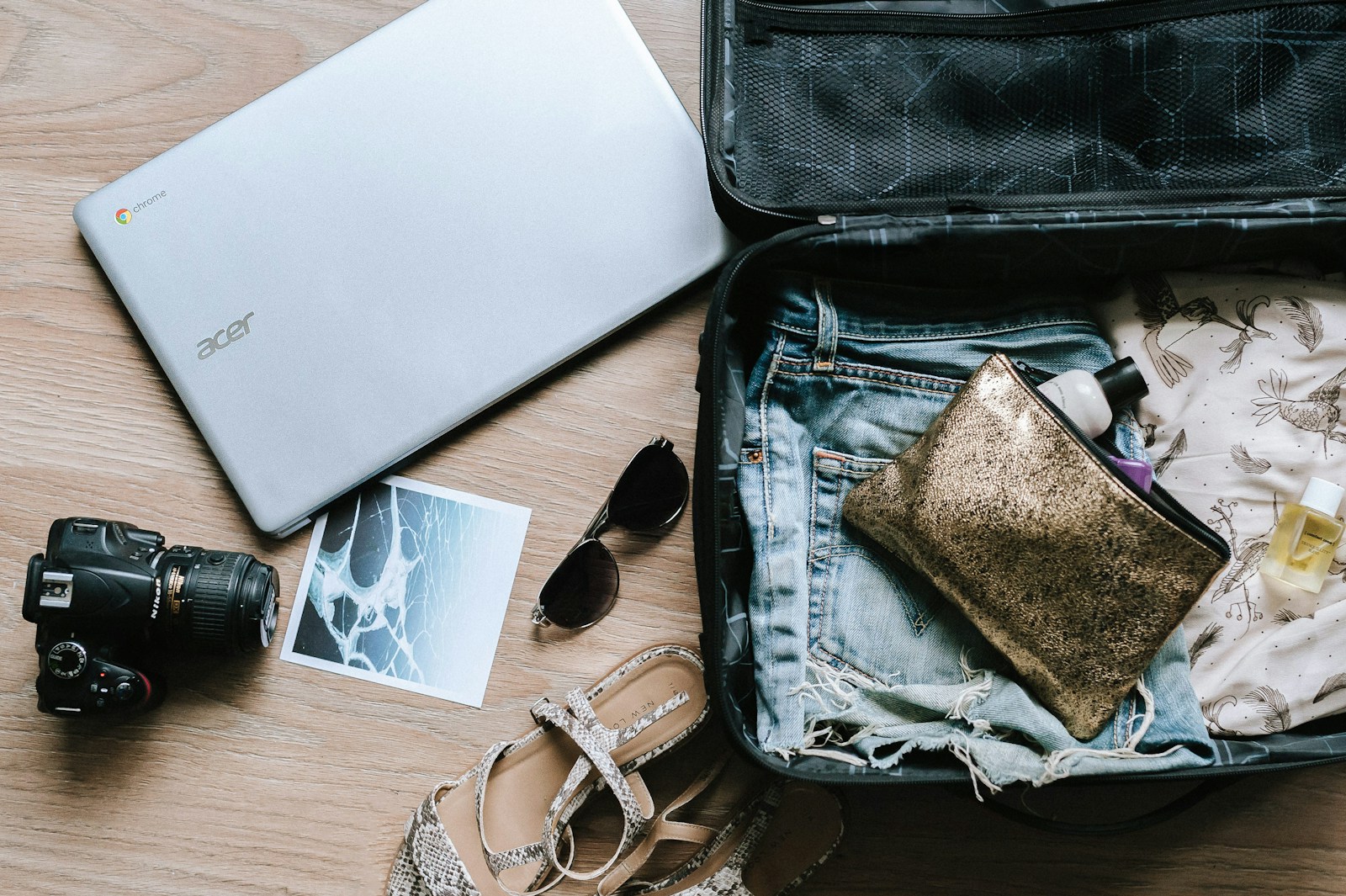
4. Packing Essentials
Packing for international travel isn’t about bringing everything you own. It’s about bringing the right things.
- Versatile clothing – Pack layers. Think about mix-and-match outfits that can work for different weather and activities.
- Toiletries – Follow TSA’s 3-1-1 rule for carry-ons: liquids in containers no larger than 3.4 ounces, all in a one-quart bag. Buy larger items like shampoo after you arrive.
- Power adapters and converters – Check the plug type and voltage for your destination. A universal adapter is a solid investment.
- portable charger – Your phone will be your navigation, translation, and communication tool. Keep it charged.
- Reusable water bottle – Many airports and hotels have refill stations. It saves money and reduces plastic waste.
- Packing cubes – Not essential, but they make a big difference in staying organized.
- Travel-sized laundry kit – A small packet of detergent and a sink stopper let you wash clothes on the go.
5. Accommodation & Transportation
Logistics can trip you up if you’re not prepared. Confirm everything before you leave.
- Verify all reservations – Double-check dates, names, and addresses for hotels, rental cars, and tours. Call or email to confirm.
- Download offline maps – Save a Google Maps area for your destination. This works without data and helps you navigate on arrival.
- Research airport transfers – Know how you’ll get from the airport to your first accommodation. Is there a reliable train, bus, or ride-share service?
- Save emergency numbers – Add local emergency services, your country’s embassy or consulate, and your hotel’s contact info to your phone.
- Learn basic local transport – Understand how the bus, metro, or taxi systems work. Some cities require exact change or app-based payments.
6. Connectivity & Communication
Staying connected these days is more about planning than technology. A few steps before you leave make all the difference.
- International phone plan – Check with your carrier about temporary international plans. Some offer affordable daily rates. Others require pre-purchasing a plan.
- Local SIM card or eSIM – For longer trips, buying a local SIM or using an eSIM provider can be cheaper than roaming.
- Messaging apps – Load up WhatsApp, Telegram, or WeChat depending on your destination. Most travelers communicate through these apps.
- VPN – A VPN helps protect your data on public Wi-Fi and can also give you access to services from home.
- Share your itinerary – Send a copy of your plans to a trusted family member or friend. Check in with them regularly.

7. Safety & Security
Being smart about safety doesn’t mean being paranoid. It means being prepared.
- Register with your embassy – Many governments have a free service where you register your trip. They can contact you in case of an emergency.
- Share your itinerary – As mentioned above, someone at home should know where you’re supposed to be and when.
- Pack a doorstop alarm – A small rubber doorstop can add an extra layer of security in hotel rooms. Some even have built-in alarms.
- Avoid common scams – Research typical scams in your destination. In many places, they target tourists near major landmarks or transport hubs.
- Keep valuables hidden – Use a money belt or hidden pouch for your passport and backup card. Don’t flash expensive items.
8. Final Pre-Departure Steps
These are the things to do in the 24 hours before you head to the airport. Don’t skip them.
- Confirm your flight status – Check for any delays or gate changes. Sign up for text alerts from the airline.
- Charge all devices – Phone, tablet, e-reader, laptop, and portable charger. Don’t forget any Bluetooth accessories.
- Re-check baggage limits – Weigh your bags. Airline rules on size and weight are enforced more strictly these days.
- Arrange pet and house care – Confirm your pet sitter, plant watering schedule, and mail hold or neighbor pickup.
- Prepare your carry-on – Put your documents, medications, a change of clothes, and any valuables in your carry-on. Never check these.
- Set a home alarm – If you have a security system, make sure it’s set. Double-check that all windows and doors are locked.
- Get a good night’s sleep – This one matters more than you think. Travel is exhausting even when it goes perfectly.
Downloadable Checklist
We’ve put all of this into a single, printable PDF checklist. It’s the same content but in a format you can tick off as you go. No fluff, no ads, just a clean list you can use for every trip.
Get your free copy here: Download the International Travel Checklist PDF. Print it out, keep it on your desk, and check off each item as you prepare. Travel with confidence knowing you haven’t missed a thing.
Conclusion
Good preparation is the foundation of a great trip. When you have your documents in order, your health covered, and your logistics sorted, you’re free to enjoy the experience instead of worrying about the details. That’s the whole idea behind this international travel checklist.
If you’d like help planning your next international trip—whether it’s choosing a destination, booking flights, or figuring out complex itineraries—reach out to us at Bob’s Travel Service. We’ve been doing this a long time, and we’re here to make your trip as smooth as possible. Your trip, our expertise.