How to Experience Luxury Travel on a Mid-Range Budget
Introduction
I’ve been in the travel business long enough to see a pattern. People assume luxury means unlimited funds. They picture first-class cabins, private villas, and champagne breakfasts served on a silver tray. And yes, that’s one version of luxury. But there’s another version that’s far more accessible. One where you can still sleep on quality sheets, eat at memorable restaurants, and enjoy an upgraded experience on the groundâwithout blowing your entire year’s savings on airfare.
This article is about how to make luxury travel mid range budget work. It’s not about cutting corners. It’s about choosing where to spend and where to save strategically. Over the years, Bob’s Travel Service has helped clients do exactly this. We’ve sent people to five-star hotels for four-star prices, helped them eat at Michelin-star restaurants for the cost of a nice dinner, and booked flights that feel first-class without the first-class price tag. These are real, repeatable strategies. I’ll walk you through them.

What ‘Luxury Travel’ Really Means for Mid-Range Budgets
Let’s start by defining what we’re actually talking about. Luxury travel at this level isn’t staying at a Four Seasons in Paris or flying Emirates Business Class from New York to Dubai. That’s a different budget entirely. For a mid-range luxury trip, you’re looking at a blend of premium experiences that feel elevated without the full sticker shock.
Here’s what it typically includes:
- Quality Accommodations: Not the cheapest room in a five-star hotel. More like a junior suite in a boutique property, a renovated historical hotel, or a high-end resort during off-peak season.
- Unique Experiences: Private tours, local guides, cooking classes, wine tastings. Things that feel exclusive but don’t require a VIP package.
- Excellent Service: Hotels where the staff remembers your name, restaurants where the sommelier suggests a perfect pairing, and transfers that don’t involve a crowded bus.
- Quality Dining: Not every meal is at a three-star Michelin restaurant, but key dinners are special. Lunch at the fancy place. A tasting menu once during the trip.
The tradeoff is simple. You’re not getting the absolute best of everything. You’re picking three or four categories to splurge on while saving elsewhere. Maybe you stay at a nicer hotel but fly economy. Or you book a top-tier tour but eat street food for two days. The key is deciding what matters most to you and putting your money there. That’s the difference between a luxury trip that works and one that leaves you stressed about money.
Choosing the Right Destination for Value and Vibe
Not all destinations are created equal when you’re trying to stretch a mid-range budget toward luxury. Some places naturally offer better value for upgraded experiences. You just have to know where to look.
Here are a few destinations where your money goes further:
- Portugal: Lisbon and Porto have incredible boutique hotels, world-class wine, and amazing food at prices that feel almost unfair compared to Paris or London. A four-star hotel in Lisbon often costs half what you’d pay for a similar property in central Paris.
- Southeast Asia (Thailand, Vietnam, Bali): This is the sweet spot for luxury on a budget. A five-star resort in Thailand can cost as little as $150 per night during low season. Compare that to $600+ in the Maldives.
- Mexico (Riviera Maya, Oaxaca, San Miguel de Allende): High-end boutique hotels in Mexico offer amazing service and amenities for a fraction of U.S. prices. Plus, the food scene is exceptional.
- Eastern Europe (Croatia, Hungary, Czech Republic): Cities like Dubrovnik, Budapest, and Prague have affordable luxury hotels and excellent dining. The vibe is less touristy than Western Europe, which adds to the experience.
- Morocco: Riads in Marrakech offer a very unique luxury experience at surprisingly low rates. You get privacy, traditional architecture, and attentive service.
| Destination | Avg. 4-Star Hotel Night | Avg. 5-Star Hotel Night | Best For |
|---|---|---|---|
| Lisbon, Portugal | $120â180 | $250â400 | Boutique luxury, food, culture |
| Paris, France | $250â400 | $600+ | Iconic landmarks, fashion, fine dining (budget stretches less) |
| Bangkok, Thailand | $80â120 | $150â250 | Incredible value, street food, luxury resorts |
| Dubrovnik, Croatia | $100â150 | $200â350 | History, coastal views, quiet luxury |
| Marrakech, Morocco | $80â150 | $150â300 | Riads, unique stays, traditional service |
When choosing a destination, consider the local luxury tier. In some countries, a four-star hotel is genuinely luxuriousâgreat service, large rooms, excellent breakfast. In others, it’s just a clean bed. Research before you book. Also, look at seasonal variations. Shoulder season (the period between peak and off-peak) often offers the best balance of good weather, fewer crowds, and lower rates.
If you’re unsure where to start, think about what kind of luxury experience you want. Beach relaxation? Southeast Asia or Mexico. City culture and dining? Portugal or Eastern Europe. Unique, immersive stays? Morocco or Bali. Then build your trip around that.
Timing Your Travel: When Luxury Goes on Sale
This is where I see the biggest mistakes. People book a trip during peak season and then wonder why luxury feels out of reach. The answer is simple: luxury hotels and tour operators have their own sale cycles. You just need to time your travel to catch them.
Here’s what works:
- Shoulder Season: This is the golden window. For example, visiting the Maldives in October (just after the rainy season ends) versus January (peak season) can save you 40â50% on resort rates. Weather is still good, but demand drops.
- Midweek Stays: Many luxury hotels in business-heavy destinations (like London, New York, or Hong Kong) offer steep discounts on weekend stays because business travelers are gone. Conversely, resort destinations might be cheaper midweek. Always check.
- Last-Minute Deals: If your schedule is flexible, luxury properties will often slash rates 7â14 days out to fill empty rooms. This works best for off-peak or shoulder periods. During high season, forget it.
- Travel Agent Rates: This is something most people don’t know. Agents like Bob’s Travel Service have access to exclusive rate codes and wholesaler deals that aren’t available to the public. We can often get you a better rate at a luxury hotel than what’s listed on Booking.com or Expedia. It’s one of the main reasons people use us.
One big warning: avoid peak season if you’re on a mid-range budget. Christmas in the Caribbean, summer in Europe, or New Year’s in the Maldives. The prices are astronomical, and you’ll feel squeezed. If you must travel then, expect to downgrade your accommodation significantly to stay within budget.
The rule of thumb is simple: the further you are from peak dates, the more luxury you can afford. A two-week trip in May to Greece will cost significantly less than the same trip in August, and you’ll have a better experience overall because it’s less crowded.
Accommodation Upgrades Without the Price Tag
This is the heart of the matter. Most people think they need to book a five-star hotel at full price to get a luxury experience. That’s not true. There are several strategies to get an upgraded stay without paying the premium.
Book Junior Suites or Suites Directly: A junior suite in a four-star hotel often costs the same as a standard room in a five-star hotel. And it can feel more luxurious because you have extra space, a proper area to relax, and sometimes better amenities. Prioritize space and layout over hotel stars.
Use Loyalty Programs: Hotel loyalty programs aren’t just for road warriors. Join programs like Marriott Bonvoy, Hilton Honors, or IHG Rewards before you book. Even if you don’t travel often, points can be used for free nights, room upgrades, or late checkout. Also, many programs have partnerships with credit cards that let you transfer points.
Email the Hotel Before Arrival: This is a simple but effective tactic. A few days before your arrival, email the hotel concierge or front desk manager. Mention you’re celebrating an anniversary, birthday, or honeymoon (if true) and ask if any upgrades or room perks are available. Often they’ll upgrade you for free if they have availability. It costs nothing to ask.
Book Through Preferred Partners: If you book through a travel agent who has access to programs like Virtuoso, AMEX Fine Hotels, or Mastercard Luxury Hotels, you can get perks like automatic room upgrades, free breakfast, and early check-in/late checkout. The rate is often the same as the best available public rate. So you get extra value without paying more.
Consider Boutique Hotels Over Chains: Chain hotels are consistent, but boutique properties often offer more personalized service and unique character. And they’re frequently better value. A small, independent luxury hotel in a historic building can feel far more special than a large Marriott. Plus, they’re often more willing to negotiate on rates or throw in extras like a welcome bottle of wine.
The tradeoff is sometimes location. A junior suite in a boutique hotel twenty minutes from the city center might be half the price of a standard room in a luxury chain right downtown. Decide what matters more: the room itself or the location. Sometimes it’s worth saving on transportation costs by staying closer, even if the room is smaller. Other times, the extra space and quiet are worth the commute. There’s no right answer, only the best answer for you.
Smart Flight Choices: Comfort Without Breaking the Bank
Getting to your destination in comfort is part of the luxury experience. But first-class and business-class flights are often the biggest budget-busters. Here’s how to get a decent seat without paying full price.
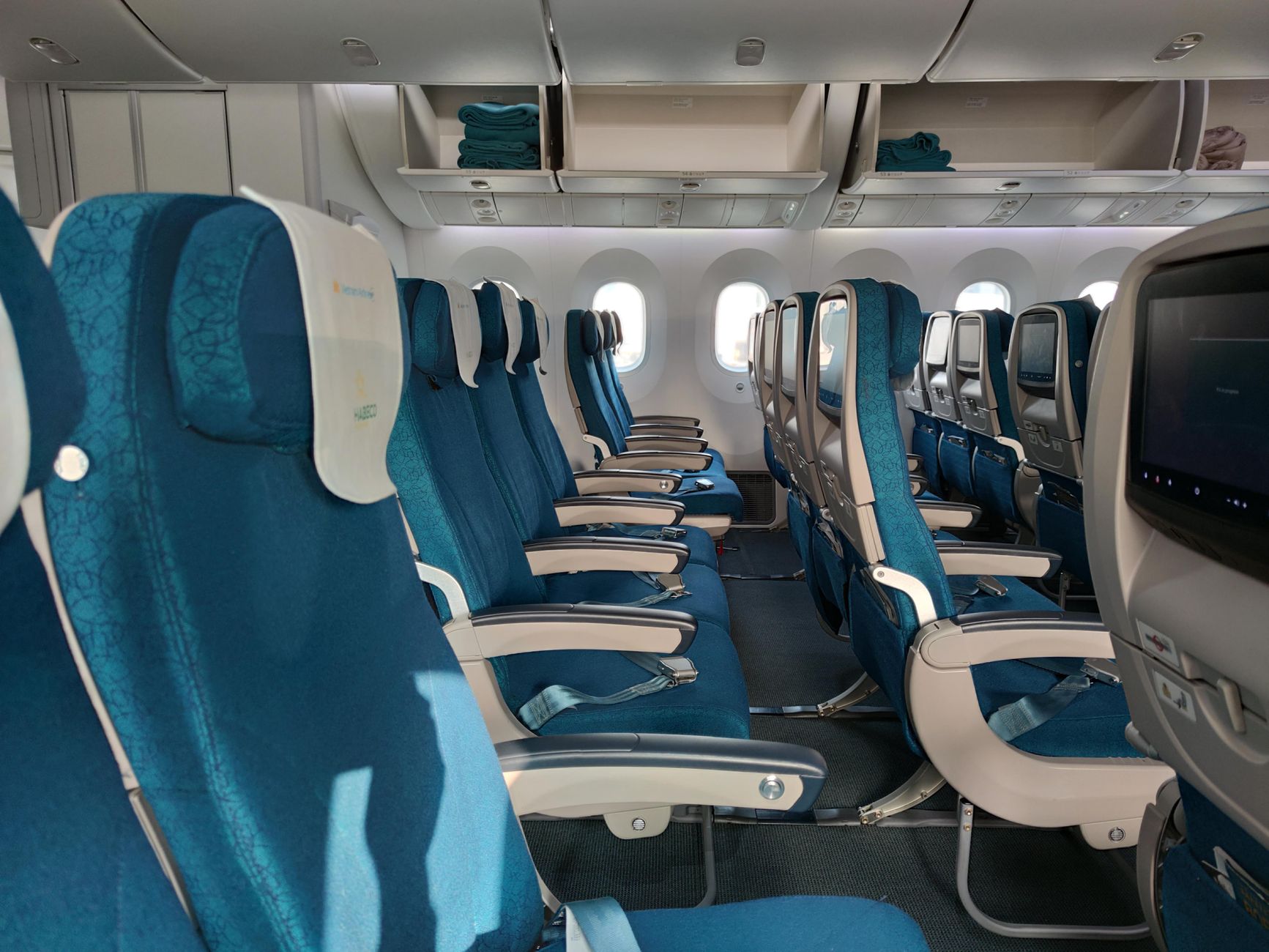
Premium Economy: This is your best bet for long-haul flights under around ten hours. Premium economy offers wider seats, more legroom, better food, and often priority boarding. The price difference over economy is usually 30â50% more, whereas business class can be 300â500% more. For a six-hour flight from New York to London, premium economy is comfortable enough that you arrive rested. For a fifteen-hour flight to Bangkok, it’s still a significant upgrade. Travelers who want a comfortable seat but aren’t ready for business class may find that a quality neck pillow and compression socks make a noticeable difference on longer flights.
Mileage Upgrades: If you have a travel rewards credit card, you can often use miles or points to upgrade an economy ticket to premium economy or business. The key is to book a fare class that allows upgrades and check availability at booking time. Sometimes you can upgrade for as little as 10,000 miles. It’s worth checking before you confirm the ticket.
Mistake Fares: Occasionally, airlines publish incorrect prices. If you’re flexible, you can score a business-class seat for the price of economy. Websites like Secret Flying or points blogs track these. The catch is you need to be ready to book immediately, and there’s no guarantee the airline will honor it. But it’s a real strategy.
Positioning Flights: This is a pro move. Instead of booking a direct business-class flight from your home city, fly economy or premium economy to a major hub (like DC, New York, or Chicago) and then catch a business-class long-haul flight from there. The short positioning flight is cheap, and the long-haul upgrade often makes sense. It adds a few hours of travel but saves hundreds.
Timing matters too. For international flights, the best deals appear about 2â3 months out. Too early and prices are high; too late and you’re stuck with expensive last-minute fares. Set an alert on Google Flights or a flight deal service and be ready to pull the trigger when you see a good price.
Dining Experiences That Feel Five-Star for Less
Luxury travel isn’t just about where you sleep. It’s also about what you eat. And there are plenty of ways to have memorable, high-end meals without paying top dollar.
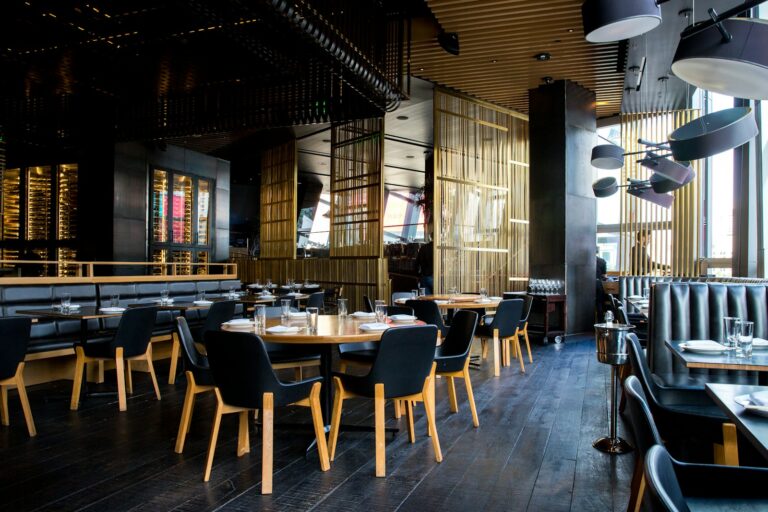
Lunch at Top Restaurants: This is the most well-known trick. Many Michelin-starred and high-end restaurants offer significantly cheaper lunch menus. You get the same kitchen, same chefs, and often the same quality ingredients for half the dinner price. In Paris, a lunch tasting menu at a one-star restaurant can cost â¬50â60 versus â¬120+ for dinner. It’s an easy way to experience fine dining without the full sticker.
Happy Hour at Hotel Bars: Fancy hotel bars often have a happy hour (or ‘aperitivo’ in Italy) where drinks and small bites are discounted. Even if they don’t, walking into a five-star hotel and ordering a glass of wine at the bar feels luxurious in itself. You get the ambiance and service without the cost of a room.
Cooking Classes with Local Chefs: This is a personal favorite. Taking a cooking class with a local chef or at a cooking school in a destination often costs $60â100 per person. You learn something, you eat a three-course meal, and you get a behind-the-scenes look at local cuisine. It’s an experience that feels exclusive and is often more memorable than a regular restaurant dinner.
Food Tours: Guided food tours are another affordable way to eat well. They’re usually $50â80 per person and include stops at 5â8 different places. You get to sample a variety of high-quality local foods, learn from a guide, and avoid tourist traps. It’s efficient and fun.
One thing I always recommend: check if your hotel has a concierge who can make dinner reservations. Sometimes they have access to tables at popular restaurants that are fully booked online. And they know the local spots that offer good value. Don’t be shy about asking.
Private Tours and Exclusive Experiences on a Budget
Private tours are one of the most effective ways to add a luxury feel to your trip. But they can be expensive. Here’s how to get access without the VIP price tag.
Small-Group Tours in Low Season: Instead of booking a private guide for $300, book a small-group tour during low season. The group will be smaller because fewer people are traveling, so you’ll get a more intimate experience. And the guide often spends more time with you when the group is small.
Hire Local Guides Directly: Avoid large tour companies. Use platforms like ToursByLocals or WhereToGo to find local guides who offer private tours at reasonable rates. They often charge $40â60 per hour for a private walking tour. That’s affordable for a half-day experience. The quality is usually excellent because these are people who genuinely love their city.
Ask the Hotel Concierge: Hotel concierges often have relationships with local guides and can book you directly, sometimes at a discount. This also adds a layer of reliability because the hotel has vetted the guide.
Comparison Example: Vatican Tour
| Type | Cost (Per Person) | Pros | Cons |
|---|---|---|---|
| Private guided tour with early access | $150â250 | Skipping lines, personal guide, tailored itinerary | Expensive for a couple |
| Small-group tour (max 10 people) | $70â120 | Affordable, good guide-to-guest ratio | Less flexibility, still some waiting |
| Self-guided audio tour | $15â25 | Cheapest option, go at your own pace | No personal connection, less insight |
Honestly, for most people, a small-group tour is the sweet spot. You get a knowledgeable guide, skip most lines, and still have time to ask questions. It feels much more exclusive than the giant group tours without the huge price tag.
A warning though: avoid booking guides through random Facebook groups or Instagram recommendations. There are a lot of unlicensed operators who don’t show up or provide bad service. Stick with vetted platforms or referrals from your hotel.
Packing Smart: Gear That Elevates Your Experience
Packing right can actually make your trip feel more luxurious. It’s not about expensive gearâit’s about the right gear. Here’s a short list of items that make a difference:
- A Good Carry-On Spinner: Something from a brand like Travelpro or Samsonite that’s durable and easy to roll. It makes navigating airports effortless. A durable carry-on spinner is worth investing in for frequent travelers.
- Packing Cubes: These keep your suitcase organized so you don’t have to dig for things. It sounds small, but arriving with everything orderly saves time and stress.
- A Wrap or Scarf: Great for chilly airplane cabins or nicer dinners. It’s a simple piece that makes you feel put-together.
- Noise-Canceling Earbuds: Even a budget pair from Anker or Soundcore can make a huge difference on flights and in noisy hotels.
- A Universal Adapter: Don’t be the person scrambling for a charger at the airport. A good universal travel adapter costs $15â20 and is a simple way to stay powered anywhere.
- Portable Charger: Being able to charge your phone while exploring without hunting for an outlet is a small luxury that pays off.
One specific piece of advice: pack light enough that you only bring a carry-on plus a personal item. It saves you bag fees, speeds up airport transit, and makes you more mobile. Plus, it’s easier to take those last-minute upgrade offers on flights (sometimes airlines offer cheap upgrades to people with only carry-ons).

Common Mistakes When Trying to Travel Luxuriously on a Budget
I’ve seen people make the same mistakes over and over. Here are the most common ones and how to avoid them.
1. Overplanning the Itinerary
I get it. You want to see everything. But packing your days too full kills the luxury feeling. Luxury travel should feel relaxed. You should have time to linger over coffee, stroll through a neighborhood, or sit by a pool. Overplanning leads to burnout and leaves no room for spontaneity. Leave at least one full day open for discovery.
2. Chasing Discounts at the Cost of Experience
Yes, saving money is the goal. But not every discount is worth taking. A hotel that’s 50% off but a 45-minute bus ride from where you want to be will cost you time, energy, and transportation money. Sometimes paying a bit more for a better location is cheaper in the long run because you spend less on transit and value your time higher.
3. Believing All-Inclusive Always Saves Money
All-inclusive resorts work for some people, but they often encourage overconsumption. You overeat, overdrink, and end up paying for things you wouldn’t normally buy. Plus, you’re stuck on the property. If you want to explore local restaurants or cafes, you’ve already paid for meals on-site. The tradeoff isn’t worth it for a true luxury experience. Choose a half-board or bed-and-breakfast option instead.
4. Ignoring Hidden Fees
Airline baggage fees, resort fees, tourist taxes, and airport transfers can add hundreds to your trip. When comparing options, always check the total cost after all fees. A cheap flight with a $60 bag fee might be more expensive than a slightly higher fare that includes bags. A $150 hotel room with a $40 nightly resort fee is actually $190. Always do the full math.
When to Use a Travel Agent vs. Booking Yourself
This is a personal decision, but I can tell you when an agent really earns their keep for mid-range luxury travel.
Use an Agent When:
- Your trip involves multiple destinations (e.g., Lisbon + Porto + Douro Valley).
- You’re celebrating a special occasion (honeymoon, anniversary, milestone birthday) where you want the extra touches.
- You need help navigating loyalty programs, upgrades, or booking through preferred partners.
- You want someone to handle problems if things go wrong (delays, cancellations, missed connections).
Book Yourself When:
- You’re staying at a single hotel for a long period with no complex itineraries.
- You have a travel rewards card and enough points to book yourself.
- You’re comfortable doing all the research and handling any hiccups.
There’s no shame in either approach. But for mid-range luxury, an agent can unlock things you can’t get yourself. That includes exclusive rates, room upgrades, and peace of mind if something goes wrong. If you’re on the fence, it’s worth a quick consultation to see if it makes sense for your specific trip.
Is Travel Insurance Worth It for Luxury Plans?
Short answer: yes. Especially when you’re investing in upgraded experiences with nonrefundable deposits.
If you book a nonrefundable hotel rate, a prepaid tour, or a premium economy ticket, you’re taking a financial risk. A medical emergency, flight cancellation, or trip interruption could cost you thousands. Travel insurance is cheap protection.
What to look for:
- Cancel for Any Reason (CFAR): This is the most flexible option. It costs more but lets you cancel for any reason up to a day or two before departure. Worth it for big trips.
- Medical Evacuation: If you’re traveling to a remote area or country with limited healthcare, this is nonnegotiable.
- Baggage Coverage: Not essential for most, but nice to have if you’re carrying expensive gear.
And here’s something most people don’t know: if you book through a travel agent, we can sometimes bundle insurance at a better rate than buying it separately. Always ask. It’s a low-cost way to protect your investment.
Conclusion
Luxury travel on a mid-range budget isn’t a myth. It’s a matter of smart planning, honest tradeoffs, and knowing where to look. Choose the right destination, time your travel well, prioritize accommodation and experiences that matter most to you, and don’t be afraid to ask for helpâwhether that’s a hotel upgrade, a restaurant recommendation, or a travel agent who knows the system.
The point isn’t to have every detail perfect. It’s to enjoy a trip that feels elevated, memorable, and within your means. Start with one small step: check your destination’s shoulder season dates. That alone can save you enough to afford the upgrades you really want.
And if this all feels like a lot to manage on your own, reach out to Bob’s Travel Service for a free consultation. We’ve been doing this for years. We know the shortcuts, the deals, and the things that actually make a trip feel special. No pressure, just good advice.