Luxury Travel in Southeast Asia Without Overpaying: A Practical Guide
Introduction
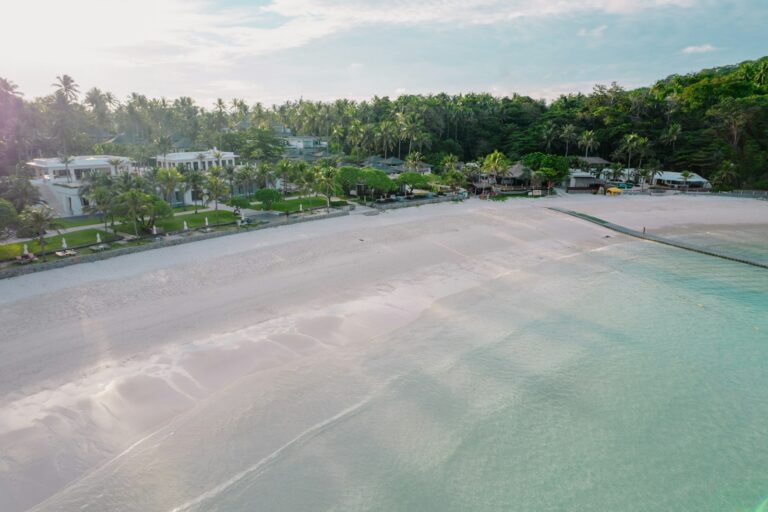
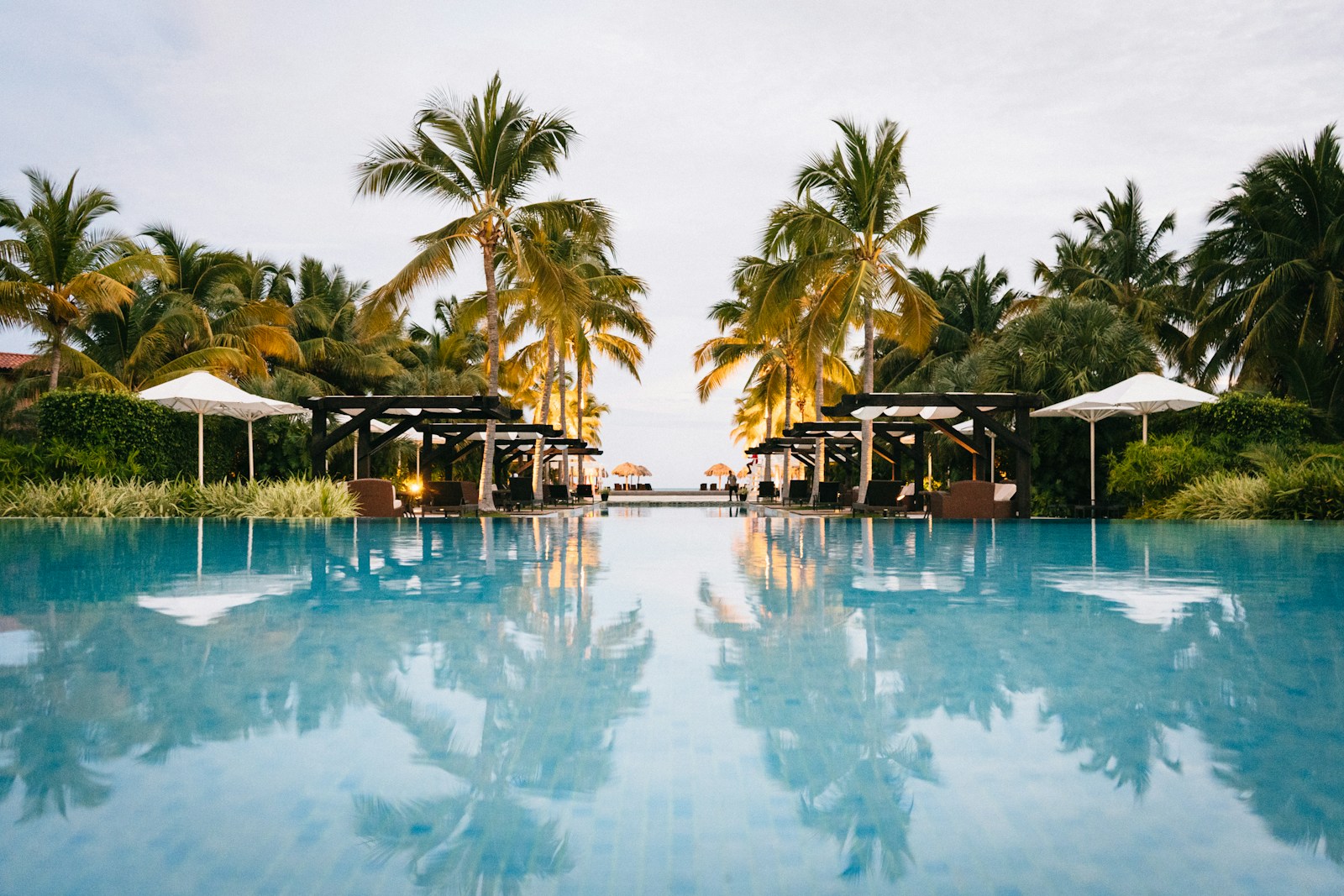
So you’re looking into luxury travel in Southeast Asia. You’ve probably noticed the price gap already. That five-star beachfront spot in Phuket? Roughly half of what a similar place in the Maldives would set you back. A private villa in Bali that feels decadent? Often cheaper than a standard hotel room in New York. The thing is, many travelers still end up overpaying. They book standard rates, miss out on perks, or show up during the wrong season without realizing it.
This article cuts through that noise. As a travel advisor, I’ve seen clients walk in with bills that could have been 30-40% lower, without losing any of the experience. We’ll cover how to book luxury travel Southeast Asia the right wayâno retail rates, no wasted time, no sacrificing comfort. Whether you’re comparing itineraries or just starting to look around, this is the practical roadmap you actually need.
Why You Don’t Need to Pay Full Price for Luxury in Southeast Asia
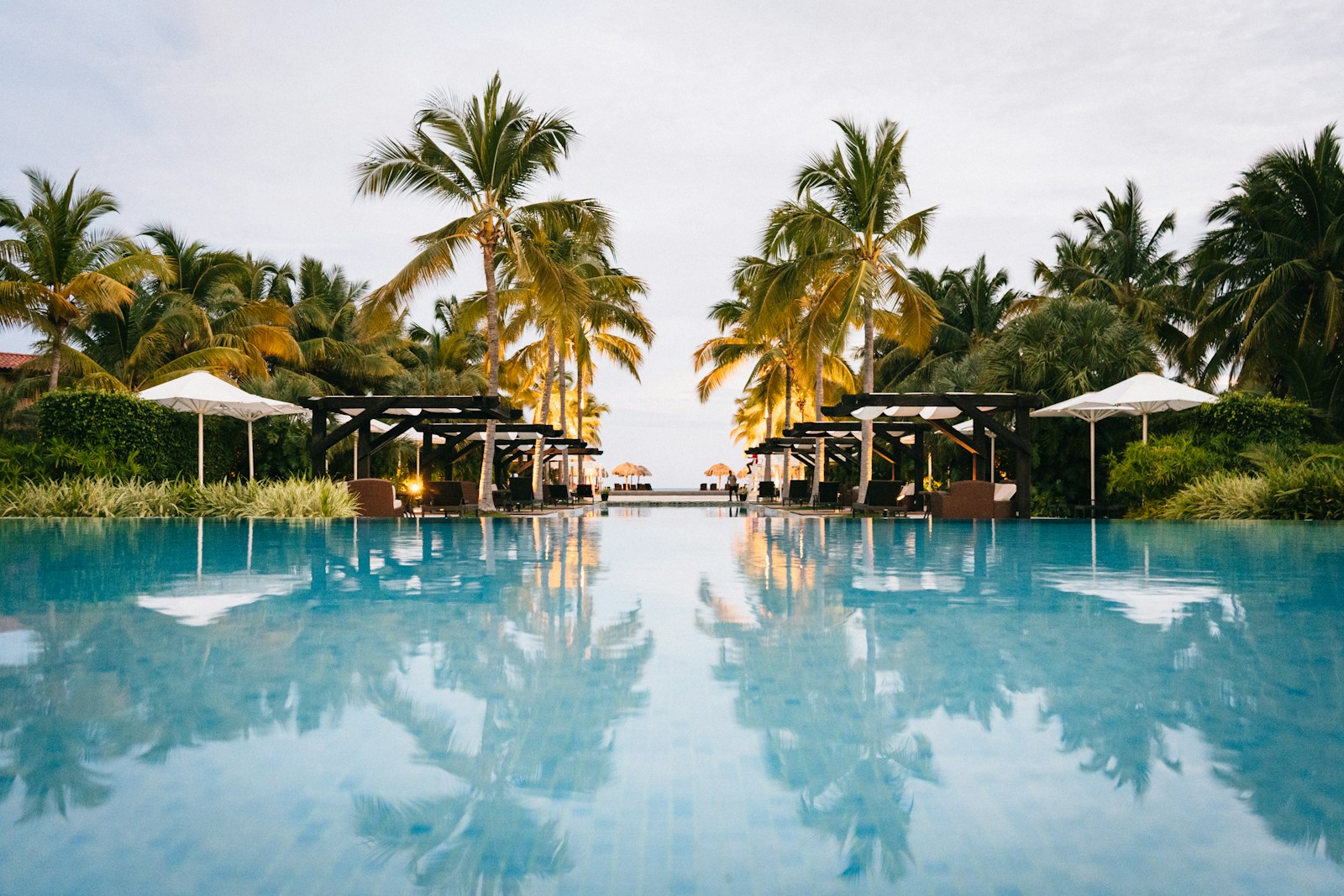
The economics are pretty favorable. Labor costs are lower, real estate is more affordable, and competition among high-end hotels is stiff. A five-star property in Bangkok charging $250 a night would easily run $600 in Los Angeles or London. In places like Hanoi, Hoi An, or Siem Reap, you’re often looking at $100â$150 a night for a top-tier room with breakfast and a pool that looks like it belongs in a magazine.
That’s not accidental. The hospitality industry here runs on volume and service. Hotels want your business, and they’ll bundle perksâbreakfast, credits, upgradesâto get it. But you won’t find those offers on Booking.com or Expedia. You need to know where to look: preferred partner rates, travel agent channels, loyalty program upgrades. The base price is already low. The right booking strategy makes it feel almost unfair.
The Biggest Mistake Travelers Make When Booking Luxury in Southeast Asia
The most common error I see is booking directly on the hotel’s website or a standard OTA without checking for packages. A client recently showed me a confirmation for a luxury resort in Phuketâ$600 per night for a basic ocean-view room. Through a preferred partner rate, I could have gotten the same room with a deluxe breakfast and $100 resort credit for $450 a night. That’s a 25% swing for clicking a different link.
Why does this happen? Hotel websites show a “best available rate,” but that rate doesn’t include perks you can access through a travel agent or a program like Amex Fine Hotels & Resorts or Virtuoso. Travelers assume they’re getting the best deal. Often, they’re just getting a good dealânot the great one they could have had. Don’t make that mistake. Always look for a rate that includes a value-add: breakfast, early check-in, late checkout, or a credit. That’s where the real savings are.
How to Find the Best Value on Luxury Hotels and Resorts
Here’s a straightforward process that works:
- Use a travel advisor with preferred partner rates. This is probably your strongest move. I have access to rates that often include breakfast, credits, and upgradesâsometimes for less than the standard rate online.
- Check Virtuoso or Amex Fine Hotels & Resorts. If you’re booking on your own, these programs offer consistent perks at luxury hotels worldwide. Always compare them against what you see on the hotel site.
- Book shoulder seasons. In Thailand, November through February is peak. March to May is hot but still comfortable, and rates drop. In Bali, April to June and September to October are sweet spotsâgood weather, lower prices.
- Consider suites over standard rooms in a lower tier hotel. Sometimes a junior suite at a 4.5-star property with a private pool offers a better experience than a basic room at a five-star that’s all about the name. Look at the square footage and amenities, not just the star rating.
When you’re comparing, don’t just look at the nightly rate. Calculate the total value: what does the package include? Breakfast for two can run $40â60 at a resort. A $100 credit gives you a nice dinner. An upgrade to a suite adds comfort you can feel. That’s the math that matters.
Luxury Travel Southeast Asia: Choosing the Right Destination for Your Budget
Not all luxury is equal across the region. Here’s a practical breakdown:
- Thailand (Bangkok, Phuket, Chiang Mai): Best overall value. High-end hotels are plentiful and affordable. Great for first-timers. A $200â$300/night budget gets you a top resort or a city five-star with a view.
- Vietnam (Hanoi, Hoi An, Da Nang): Even cheaper. You can get genuine luxury for under $150 a night. Excellent for travelers who want high quality without the high price tag. The food scene is world-class and cheap.
- Bali: Highly variable. Ubud can be expensive for boutique resorts; Seminyak and Nusa Dua offer better value. Best for those seeking a mix of culture and beach. Be careful with the “villa” marketâsome are overpriced for what you get.
- Cambodia (Siem Reap): Boutique luxury at incredible prices. $100â$150 a night can get you a stunning property with a pool and garden. Great for history lovers and those who want an intimate experience without crowds.
Your budget goes further in Vietnam and Cambodia. If you’re flexible, start there. If you want the full flash of a destination like Phuket or Bangkok, Thailand offers the best price-to-name recognition ratio.
Saving on Flights Without Sacrificing Comfort
Flying business class or premium economy to Southeast Asia used to be a pipe dream unless you were paying $3,000. That’s changing. Here’s how to do it without going broke:
- Use points and miles. This is the king move. Transferable currencies like Chase Ultimate Rewards, Amex Membership Rewards, and Capital One miles can book business class on Singapore Airlines, Cathay Pacific, or Korean Air. A round-trip business class award to Bangkok can cost as little as 90,000 points plus taxes.
- Look for mistake fares. They’re rarer now, but still happen. Set alerts on websites like Scott’s Cheap Flights or Thrifty Traveler. A premium economy seat for $600 is not unheard of.
- Compare carriers: Singapore Airlines has the best hard product but can be expensive. Cathay Pacific offers great service and good award availability. Korean Air is solid for East Coast routes. Don’t just chase the nameâchase the value.
- Consider premium economy. It’s a compromise, but on a 16-hour flight, the extra legroom and better meal service are worth it. Prices are often $800â$1,200 round-trip, which beats business class at $3,000+. Travelers looking to enhance comfort at a lower cost might also explore flight accessories designed for long-haul travel.
If you don’t have millions of points, use tools like Point.me to find award availability. Or book through a travel advisor who can optimize your points. Either way, comfort doesn’t have to break the bank.
Private Tours, Drivers, and Experiences: Pay Less, Get More
One of the biggest myths about luxury travel is that private tours are inherently expensive. In Southeast Asia, that’s just not true. You can hire a private driver for a full day in Bangkok for $60â$80, including fuel. A private guide at Angkor Wat runs $50â$70 for a full day, and that includes someone who knows the temples intimately.
The trick is avoiding the hotel concierge markup. Hotels often double or triple the price. Instead, book through a reputable local operator you’ve vetted, or through a travel advisor who has relationships. Viator can work, but you’ll pay a commission. The best approach is to ask your hotel for recommendations for independent guides, or use an agent who pre-screens them.
Also, negotiate for multi-day packages. If you’re spending three days in Siem Reap, a guide will often offer a discounted rate for the full block. Skip the overpriced “luxury tour” labelsâthey’re often the same standard tour with a nicer car. The experience itself is what matters.
Where to Splurge vs. Where to Save
Not everything needs to be five-star. Here’s where I tell my clients to spend their moneyâand where to cut back:
Splurge on accommodation. Your hotel is your sanctuary. A good night’s sleep, a private pool, a beautiful settingâthese matter. Paying $300â$400 a night for a genuine luxury resort is worth it. Save on transportation. Use Grab (Southeast Asia’s Uber) instead of a private car for short trips. It’s half the price.
Splurge on unique experiences. A private cooking class, a Michelin-star dinner, a sunrise hot air balloon over Baganâthese are the memories. Save on food for other meals. Eat at local markets or warungs (family-run eateries) for incredible, cheap food. I’ve had meals at street stalls that beat some fine dining.
Concrete example: Stay at a luxury resort in Seminyak for $250 a night with breakfast. Eat lunch at a local warung for $5. Have a cocktail at the resort’s bar because you’re on vacation. That balance lets you experience the high life without draining your wallet.
The Role of a Travel Advisor in Getting You the Best Deals
I’m not just saying this because I am oneâtravel advisors exist because the market is opaque. Standard booking sites show one price. Preferred partner programs show another. The hotel’s own website shows a third. A good advisor finds the sweet spot.
For example, I can often book a luxury room with breakfast and a $100 credit for the same price as the hotel’s standard rate. Sometimes even less. I also have relationships that get clients upgrades, even when the hotel says they’re sold out. If something goes wrongâa missed flight, a double bookingâI’m the one making the phone call, not you.
That’s the value. It’s not about “getting a deal”; it’s about getting the best experience for your money. If you’re planning a multi-destination trip, this becomes even more critical.
Packing Right: Gear That Makes Luxury Travel Easier
A little thought into packing can elevate your travel experience. Here are items I never travel without:
- Packing cubes: Keep your suitcase organized. You can unpack without actually unpacking. Those who travel frequently may appreciate packing cube sets designed for efficient packing.
- Portable steamer: Hotels often have irons, but they’re clumsy. A small steamer keeps your clothes looking sharp.
- Noise-canceling headphones: For long flights and crowded airports. The difference between a good flight and a terrible one is often the noise level.
- Universal adapter with USB-C: Don’t rely on the hotel’s outlet situation. This has saved me more times than I can count.
These aren’t luxury items in themselvesâthey’re tools that help you enjoy the luxury you’ve already booked. I’d consider them essentials, not extras.
Common Hidden Costs and How to Avoid Them
Even luxury travel comes with sneaky fees. Here’s what to watch for:
- Resort fees. Some properties add a daily fee (often $20â$40) for amenities like Wi-Fi, gym, or pool access. Ask about this before booking. It shouldn’t be a surprise.
- Early check-in charges. If you arrive early, don’t accept a fee to get into your room earlier. Ask nicely, or use a credit card that offers early check-in as a perk.
- Overpriced minibars. Avoid them entirely. Pack snacks from a local market or fill a water bottle for free.
- Currency exchange rates. Always withdraw local currency from an ATM rather than exchanging at the airport. You’ll get a better rate. Use a card with no foreign transaction fees.
- Tipping expectations. In many places, a service charge is already added to your bill. Don’t double-tip unless you want to.
Knowing these exist means you can plan around them. A little awareness saves real money.
Is It Worth Booking a Package Deal for Luxury Travel?
It depends. Package deals (flights + hotel) can be great for all-inclusive resorts in places like Koh Samui or Phuket, where everything is on-site. You get simplicity and often a small discount. But for multi-destination tripsâBangkok, then Chiang Mai, then Luang Prabangâa package can lock you into a rigid itinerary or force you into hotels you don’t love.
My general rule: if the package includes perks like breakfast, airport transfers, or a resort credit, and the hotel is one you genuinely want to stay at, it’s worth it. If it’s just a discount on a room, you’re better off booking separately. The flexibility to change plans mid-trip is worth more than a $50 discount.

Ready to Book Your Luxury Trip to Southeast Asia?
You’ve got the information. Now it’s time to act. If you want to skip the research rabbit hole and get straight to the perks, I can help. Whether it’s finding a preferred partner rate, securing an upgrade, or crafting a seamless itinerary that balances luxury and value, I’ve got you covered.
Contact Bob’s Travel Service for a free consultation. We’ll build a custom plan that fits your budget, your style, and your timeline. No retail rates, no hidden feesâjust curated recommendations and direct booking support. Let me handle the logistics. You just show up and enjoy the trip.
Get in touch for your personalized quote or call us directly at [phone number].