Private Jet Travel: Is It Worth the Cost? A Practical Comparison
Introduction
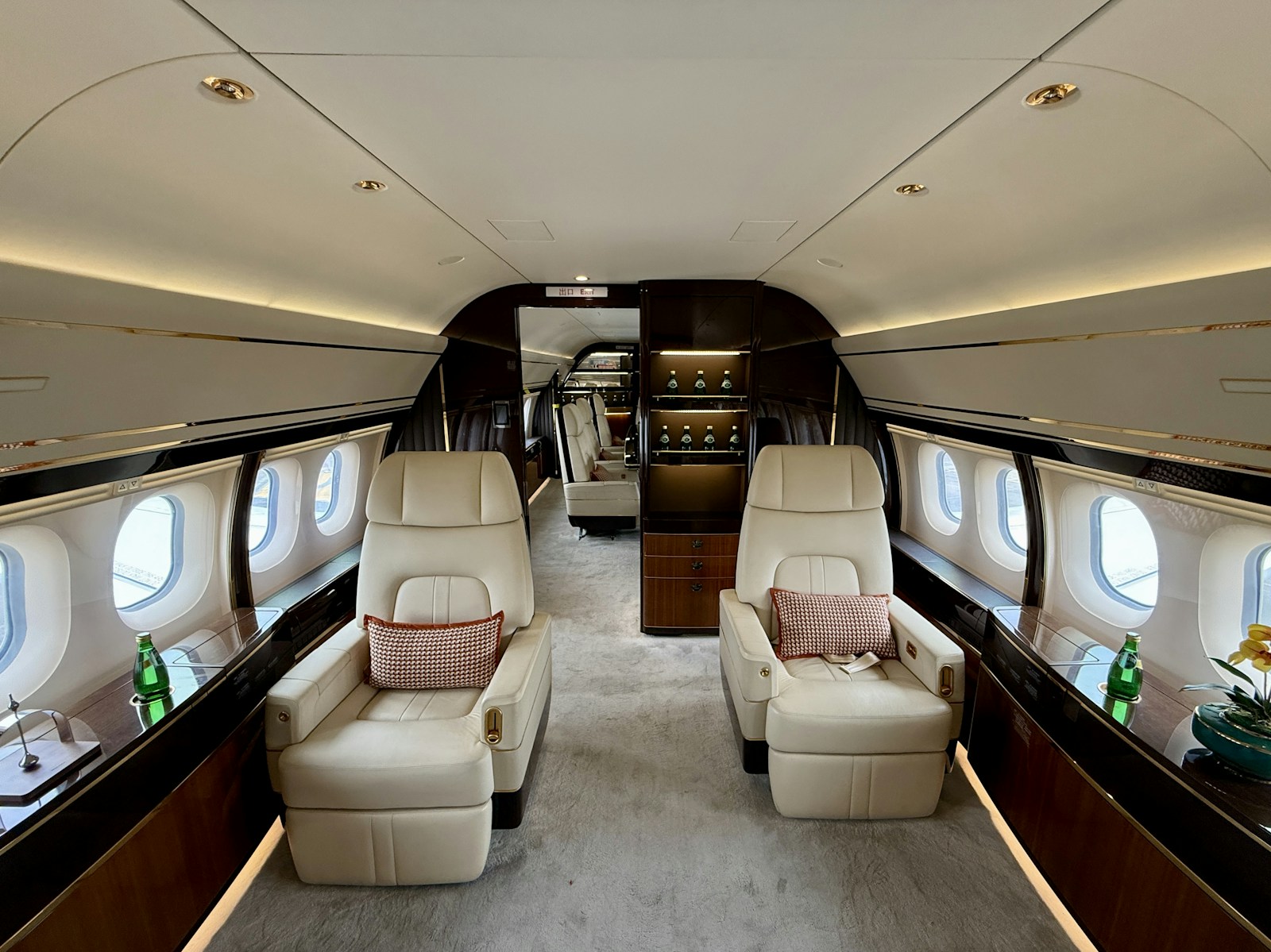
The idea of stepping onto a private jet stirs something in most travelers. The image of bypassing crowded terminals, stretching out in a real chair, and having a flight that runs on your schedule is undeniably appealing. But the allure quickly collides with a practical question: Is the price actually justified? The economics of private jet cost vs commercial isn’t a simple math problem. There isn’t one right answer for every trip or every traveler.
This article isn’t about selling you a fantasy. It’s a practical, experience-driven comparison covering pricing, time savings, luggage realities, privacy, and scheduling flexibility. I’ve booked hundreds of flights across both worlds, for executives, families, and specialty travelers. The goal here is to help you weigh the real tradeoffs and decide if private aviation fits your specific tripânot to make you dream about a lifestyle that might not match your needs.
We’ll look at raw numbers, hidden costs, and the scenarios where spending more actually saves you more. By the end, you’ll know exactly when a private jet makes sense for you.
The Real Numbers: What Private Jets Actually Cost
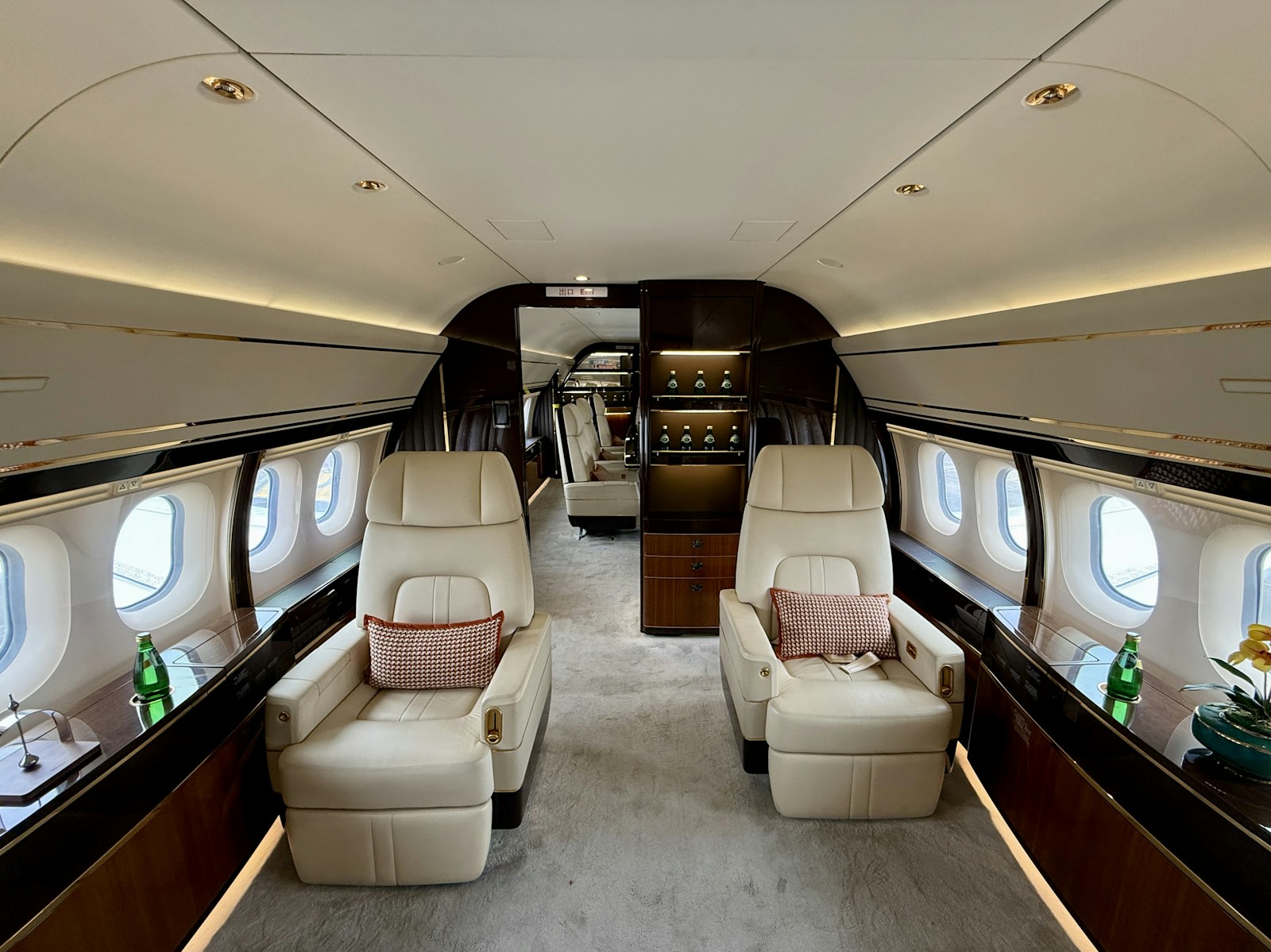
Let’s start with the headline figure that stops most people cold. Private jet charter rates are quoted by the hour, and they vary significantly based on aircraft size, range, and age. Here’s a practical breakdown of what you’re looking at in today’s market:
- Light Jets (e.g., Citation CJ3, Phenom 300): $3,000â$5,000 per hour. Best for short hops under 2 hours with 4â6 passengers.
- Midsize Jets (e.g., Hawker 800, Citation XLS): $5,000â$8,000 per hour. Comfortable for 6â8 passengers on 2â4 hour flights with a stand-up cabin.
- Heavy Jets (e.g., Gulfstream G450, Challenger 605): $8,000â$14,000 per hour. True transcontinental range, full galley, and space for 10+ passengers.
Now compare that to a commercial first-class ticket on a typical route like New York to Miami. A walk-up first-class fare might cost you $800 to $1,200 one way. A light jet charter for that same 2.5-hour flight? You’re looking at $7,500 to $12,500 one-way. The spread is massive at face value.
But the context changes everything. That commercial ticket gets you from gate to gate. The private jet gets you from your driveway to a meeting in a smaller downtown airport in roughly the same total elapsed time. And if you’re flying a group of six, the per-person cost on the private jet drops to around $1,500â$2,000 eachâcompetitive with a premium commercial ticket when you factor in the flexibility and time saved.
Empty leg deals are another story. These are jets flying back empty after dropping off a paying passenger. You can often book these at 40â75% off standard rates. A New York to Aspen empty leg might run $12,000 instead of $35,000. The catch? You’re locked into the date, time, and route. There’s no flexibility. But for travelers with loose schedules, this is the single best value in private aviation.
Jet card programs and memberships add another layer. Jet cards typically cost $100,000 to $500,000 upfront for a block of hours, with hourly rates slightly reduced from charter. Memberships like NetJets or Wheels Up have monthly fees ($5,000â$15,000) that lower your per-hour cost but lock you into a commitment. These models work for frequent fliers but rarely make sense for a single trip.
The honest truth: private jet travel costs roughly 5â10 times more than commercial first class per seat for a typical route. The value comes from what that premium buys you. Travelers who are curious about the differences in premium seating can explore options for premium travel accessories that enhance the commercial experience.
Where Private Jets Save You More Than Money
Experienced private jet travelers rarely lead with price. They lead with the gift of a functional day. Let me paint a realistic scenario.
You need to fly from New York City to Aspen for a two-day meeting. A commercial itinerary looks like this: wake up at 5:00 AM, drive to JFK, wait in a security line that eats 30â45 minutes, board a plane that might leave on time or might not, land in Denver, collect luggage, catch a connecting commuter flight or drive 3.5 hours through mountain traffic, and finally arrive in Aspen by early afternoon. Count the door-to-door time: it’s a full day of lost productivity.
Now the private jet version: You wake up at a normal hour. Grab coffee. Drive to Teterboro or Westchester, not JFK. You pull up to the FBO (fixed base operator) terminal 15 minutes before departure. No security screening. No lines. You walk directly onto the plane, the door closes, and you’re wheels up. The flight is direct to Aspen Airport, which sits right in town. You land, grab your car, and walk into your 10:30 AM meeting. You just saved six hours of transit time and arrived fresh instead of drained.
That’s the real math. For a business traveler billing at $500 an hour or a professional who values their limited weekend, that saved time translates directly into money or personal peace. The cost of the jet isn’t an expense; it’s an investment in a productive day.
And this isn’t just about business. Families with young children avoid the circus of airports. No melting down in security lines. No wrestling with carry-ons. You arrive mentally present rather than exhausted. For parents looking to make the travel day smoother, a travel organizer for kids can be a practical addition to any trip.
The point isn’t that private jets are cheap. It’s that the sticker price hides a very real value proposition for specific trips.
Commercial First Class vs. Private Jet: The Feature Comparison Nobody Talks About
Commercial airlines have improved their premium cabins dramatically. Flagship first and business class seats go fully flat. The food is surprisingly decent. You get lounge access and priority boarding. It’s a comfortable experience. But the comparison with private aviation reveals critical differences that most travelers miss.
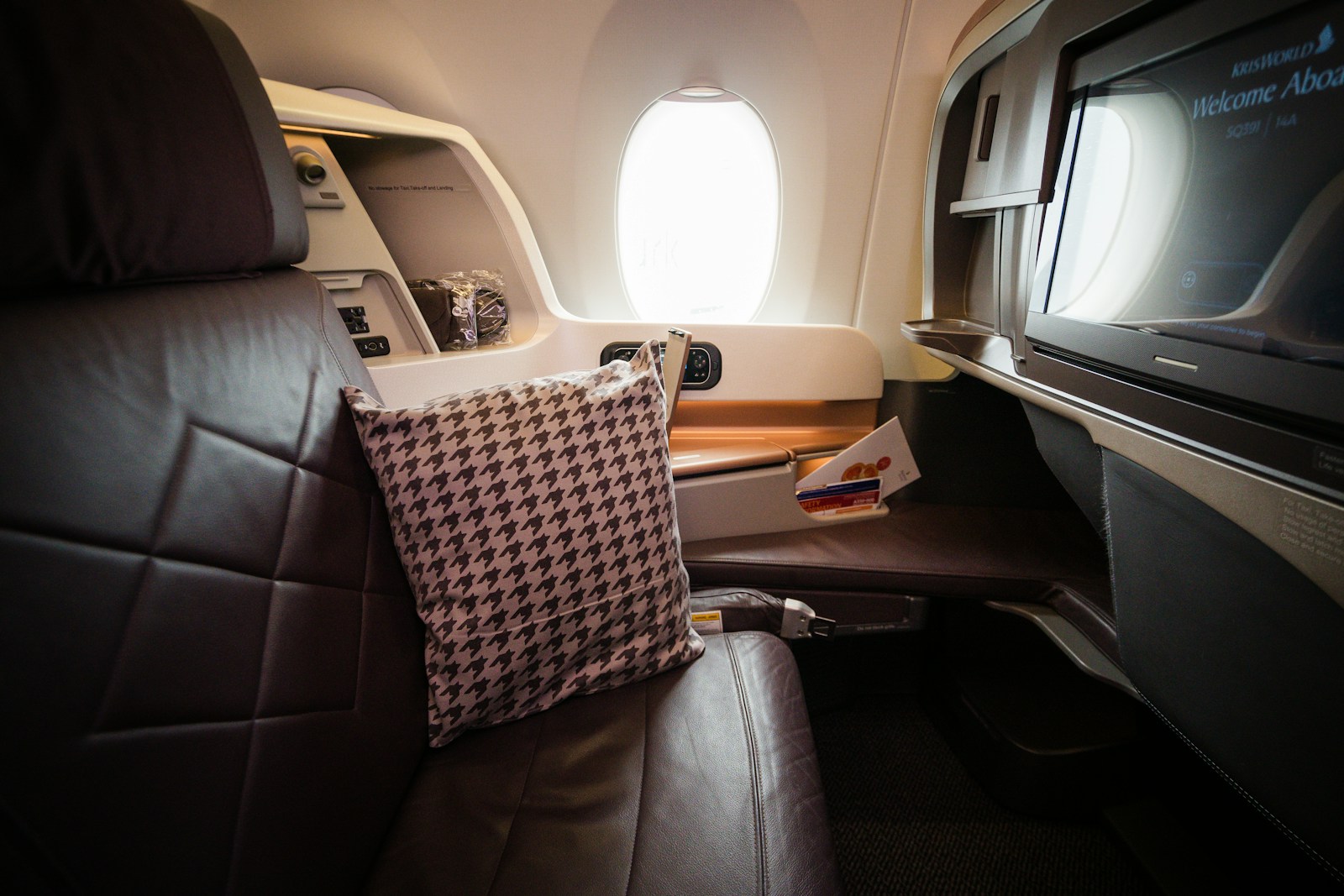
- Seat Comfort: Commercial first class gives you a lie-flat seat that becomes a bed. A private jet gives you a fully private suite with real furniture, a dedicated table, and space to stand up and move around. For a 3-hour flight, the difference is minimal. For a 6-hour transcon flight, the private cabin is genuinely more comfortable for working or resting.
- Catering: Commercial premium cabins offer pre-plated meals with some menu choice. Private jets allow you to pre-order exactly what you want from a local caterer or even have an onboard chef prepare fresh food on longer flights. If you have dietary restrictions, this matters a lot.
- Luggage: Commercial first class gives you two checked bags at 50 pounds each, plus carry-ons. A typical light jet allows at least 400-500 pounds of total luggage, often more. Golf clubs, skis, hunting gear, or sample cases are no problem. The difference is transformative for equipment-heavy trips.
- Privacy: Commercial first class has curtains and partitions, but you’re still on a plane with 200 people in back. Private jets are entirely yours. You can have confidential conversations, change clothes, or just sit in silence.
- Flexibility: Commercial airlines fly fixed schedules. If your meeting runs late, you rebook and hope for an open seat. A private jet waits for you within reason, and you can depart whenever you’re ready. The schedule is yours.
The honest tradeoff: commercial first class has improved enough that for a direct flight under 3 hours, many travelers won’t feel the difference acutely. The private jet wins decisively on schedule control, total time savings, and luggage capacity. If those matter for your trip, the premium is worth considering.
The Hidden Costs of Private Jet Travel
New private jet fliers almost always get surprised by fees that go beyond the hourly rate. Let me lay out the real costs so there are no surprises.
Repositioning Fees: This is the biggest hidden cost. The aircraft needs to get to your departure airport from wherever it last landed. If the plane is based in Florida and you’re flying out of Chicago, you’re paying for those empty hours to bring it to you. Depending on availability, this can add $2,000â$8,000 or more to your bill. Brokers who manage their fleet well minimize this, but it’s rarely zero.
Landing and Handling Fees: Smaller airports charge for landing, parking, ramp services, and ground handling. A busy airport like Teterboro can charge $500â$1,500 for these fees per landing. They’re typically added to your final invoice.
Crew Costs: If your flight requires an overnight stay for the crew, you’re responsible for crew accommodations, meals, and per diem. For a multi-day trip, this adds $500â$1,500 per crew member per day. It’s standard practice but catches many first-timers.
Catering and Fuel: Catering from quality providers adds $300â$1,000 depending on what you order. Fuel surcharges fluctuate with oil prices and can add 10-20% to the base hourly rate.
De-icing: Winter operations in cold climates require de-icing, which runs $1,000â$5,000 per event. It’s unavoidable when conditions call for it.
These aren’t deal-breakers, but they explain why a $10,000 quote can become $14,000 once everything is itemized. A knowledgeable booking partnerâlike Bob’s Travel Serviceâfactors these into the initial estimate so you’re not shocked later.
When a Private Jet Makes Financial Sense (And When It Doesn’t)
Here’s the decision framework I use with clients. It’s honest and straightforward.
Best for private jet travel:
- Groups of 5 or more people traveling together. Split the hourly cost across a larger group, and the per-person price becomes competitive with premium commercial tickets.
- Time-critical business trips where a full day of work is at stake. If missing a meeting costs your company more than the jet, the math is simple.
- Medical or compassionate travel where schedule delays are unacceptable.
- Routes without direct commercial service. A private jet opens up thousands of smaller airports, eliminating connections and layovers entirely.
- Trips requiring heavy or oversized luggage: sports equipment, trade show samples, hunting gear, or multiple golf bags.
- Avoiding an overnight stay. If you can fly home the same evening instead of paying for a hotel and losing the next morning, the jet pays for itself.
Not worth it for private jet travel:
- Couples or solo travelers on short-haul flights (under 2 hours) on well-served commercial routes. You won’t get enough time savings to justify the premium.
- Travelers with flexible schedules who can book advanced commercial tickets at deep discounts. A $300 economy ticket is hard to beat on any value metric.
- Exploratory trips where the date and route might change. Jet card commitments and charter deposits lock you in.
- Travelers who genuinely enjoy the airport experience (some people do). There’s no value in solving a problem you don’t have.
This isn’t about luxury. It’s about matching the tool to the job.
Luggage Logic: Why Baggage Limits Change the Equation
A tactical but often decisive factor is luggage. Commercial airlines have strict weight and size limits. Checked bags max at 50 lbs, and excess weight fees are punitive. Carry-on rules keep getting tighter. For many travelers, this is a non-issue. But for specific groups, it’s a deal-breaker.
Private jets have generous baggage allowances. A light jet typically carries 400â500 pounds of luggage in dedicated compartments accessible from the outside. Midsize and heavy jets can carry 800â1500 pounds. There are no bag fees and no weight limits that matter for typical travelers.
This changes everything for certain types of trips:
- Ski trips: Multiple pairs of skis, boots, and heavy winter gear fit easily.
- Golf trips: Full sets of clubs for each traveler plus luggageâno problem.
- Hunting or outdoor trips: Firearms, ammunition, gear boxes, and coolers travel without hassle.
- Business events: Trade show displays, sample cases, or AV equipment that would incur hundreds in commercial fees.
- Family vacations: Car seats, strollers, toys, and the mountain of stuff that comes with young kids.
For travelers in these categories, the private jet isn’t a luxury. It’s a logistical necessity that eliminates a major source of travel stress. If you’re planning a ski trip and want to ensure your gear is protected, a ski boot bag can help keep everything organized.
Empty Leg Flights: The Best Value in Aviation?
I mentioned empty legs briefly, but they deserve their own discussion. These are the unsold segments after a one-way charter. The plane needs to go back to its base or to its next assignment, and the operator would rather fly with passengers than empty. Discounts are aggressiveâtypically 40â75% off standard charter rates.
For example, a standard charter from Los Angeles to Las Vegas on a light jet costs around $6,000. An empty leg on the same route might cost $2,000â$3,000. For a group of four, that’s $500â$750 per person for a door-to-door experience that gets you there in 45 minutes instead of a day of commercial flying.
The tradeoffs: You can only fly one way. You have no control over the schedule or the route. Availability varies wildly. You need to be nimble and ready to book when the opportunity appears. And you can’t change the date or time.
For travelers with flexibility in their dates and routes, empty legs are the single best value in private aviation. They allow you to experience the private jet experience at a fraction of the cost. But they won’t work for a fixed schedule business trip. If you have flexibility, it’s worth asking your broker to search for empty legs along routes that interest you.
How to Choose Between Jet Cards, Memberships, and One-Off Charters
Once you decide private aviation fits your needs, the next question is how to access it. Three main models exist, and each suits a different travel pattern.
One-Off Charters: You book a single flight when you need it. Maximum flexibility, no commitment, and you can compare pricing across brokers. The downside is that you pay full market rate, and you might not get the same plane or crew each time. Best for travelers who fly privately 1â3 times per year or need a specific trip.
Jet Cards: You prepay for a block of flight hours (typically 25 or 50 hours). You get guaranteed availability on specific aircraft types, locked-in hourly rates, and often priority booking. Jet cards cost a premium per hour, usually 10â20% more than one-off charters, but they insulate you from price spikes and guarantee capacity in peak season. Best for travelers flying 4â10 times per year who value consistency.
Memberships: Programs like NetJets or Flexjet require an initial equity investment or large deposit, plus monthly management fees. In return, you get the lowest per-hour rates and access to a large fleet. The commitment is significantâoften $200,000+ upfrontâbut for high-frequency fliers (15+ segments per year), the economics work. Best for executives or families who fly privately regularly and want the most cost-effective long-term solution.
There’s no universal recommendation. If you fly 2â4 times per year, one-off charters are usually the right call. If your schedule is consistent and you want predictable pricing, a jet card makes sense. Memberships are for the truly frequent private flyer. A good broker can walk you through the math based on your specific usage.
Common Mistakes First-Time Private Jet Fliers Make
Let me save you the trouble of learning these lessons the hard way.
Mistake 1: Not factoring in repositioning. The quote you get is for flight time only. That empty leg to bring the plane to you adds hours and dollars. Ask for a total cost estimate that includes repositioning. A good broker will provide this automatically.
Mistake 2: Over-tipping or under-tipping the crew. There’s no fixed rule, but a customary tip for the flight crew is $100â$400 per pilot depending on the flight length and service. Some travelers leave nothing, which is considered poor form. Others tip thousands, which is unnecessary. A simple cash tip at the end of the flight is well received.
Mistake 3: Assuming all brokers are the same. The private jet broker industry is fragmented. Some brokers vet operators rigorously for safety audits like Wyvern or ARGUS. Others book the cheapest available plane with no oversight. Always ask your broker which operator they’re using, verify their safety record, and request copies of their insurance certificate. You’re paying a premium; demand transparency.
Mistake 4: Ignoring the cancellation policy. Most charter contracts require 24â48 hours notice for cancellation, with a partial fee. Some require full payment regardless. Read the fine print. If your trip is tentative, make sure you understand the cancellation terms before booking.
These aren’t gotchas. They’re standard industry practices that become obvious once you know them. But first-timers who skip the details often end up frustrated.
Safety and Reliability: Private Jets vs. Commercial Airlines
The safety question comes up with nearly every new private flyer. The answer is reassuring but requires understanding the structure.
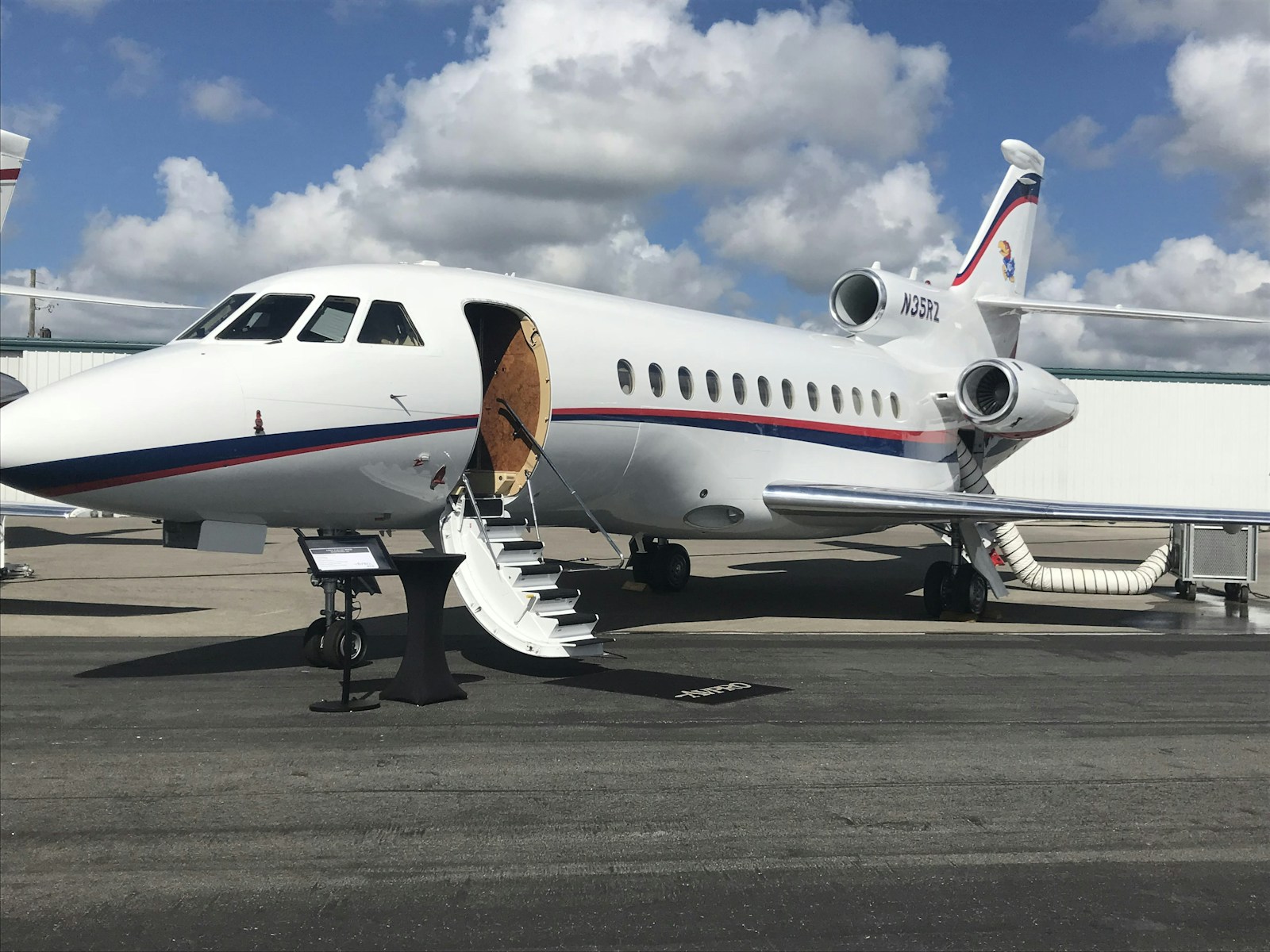
Commercial airlines operate under Part 121 regulations, the strictest in aviation. Private jets operate under Part 135, which is slightly less prescriptive but still highly regulated. Part 135 operators must meet rigorous maintenance schedules, pilot training programs, and operational standards. In practice, a well-run Part 135 operator is as safe as any commercial airline.
The key difference is the lack of uniform oversight across all operators. Some charter brokers act as middlemen, booking flights with any available operator. Others, like Bob’s Travel Service, vet operators thoroughly. We look for safety auditsâspecifically Wyvern and ARGUS Platinum certificationsâwhich verify that the operator meets the highest industry standards.
Pilot experience matters too. Commercial airline pilots fly multiple segments daily and accumulate hours quickly. Private jet pilots often have 2,000â5,000 hours, which is plenty for safe operations. The difference is that private jet pilots fly fewer segments per day and have more time to plan each flight carefully.
The bottom line: Private jets are safe. The system is well-regulated. The highest risk factor is the broker or operator you choose. Work with someone who prioritizes safety credentials over price alone. That’s where your trust should go.
Booking Your First Private Jet: How Bob’s Travel Service Delivers Value
The decision to fly private comes down to one question: Does the value for your specific trip justify the premium? If the answer is yes, the next step is finding a partner who makes the process straightforward and honest.
At Bob’s Travel Service, we don’t just book flights. We act as your advisor. We vet operators for safety audits like Wyvern and ARGUS. We find empty leg deals when available. We itemize every costârepositioning, landing fees, crew expensesâso there are no surprises. And we match the aircraft type to your specific route and passenger count. A light jet for a 45-minute hop with two passengers. A heavy jet for a transcon with ten and equipment. We know the difference and we make sure you get the right plane.
Whether you’re a first-time flyer or a seasoned private jet traveler, the process starts with a conversation. No pressure. Just practical advice based on your itinerary.
Ready to compare? Call Bob’s Travel Service at [PHONE NUMBER] or fill out our no-obligation quote form. We’ll show you exactly what a private jet costs for your routeâand whether it makes sense for your trip.