Best Luxury Train Journeys Around the World: A Practical Guide to High-End Rail Travel
Introduction
If the idea of watching a continent roll past your window while someone brings you a four-course meal sounds appealing, you are in the right place. Luxury train journeys combine classic romance with real comfort, offering a way to travel that is as much about the journey as the destination. Whether you are planning a milestone anniversary trip or just curious about upgrading your vacation style, choosing the right train matters. The options range from legendary European classics to modern African safaris on rails, and the costs vary just as much as the scenery. This article compares the top luxury train journeys around the world, breaks down what you actually get for the price, and covers practical things you might miss in the brochure. Let’s find the right one for your trip.
What Defines a Luxury Train Journey?
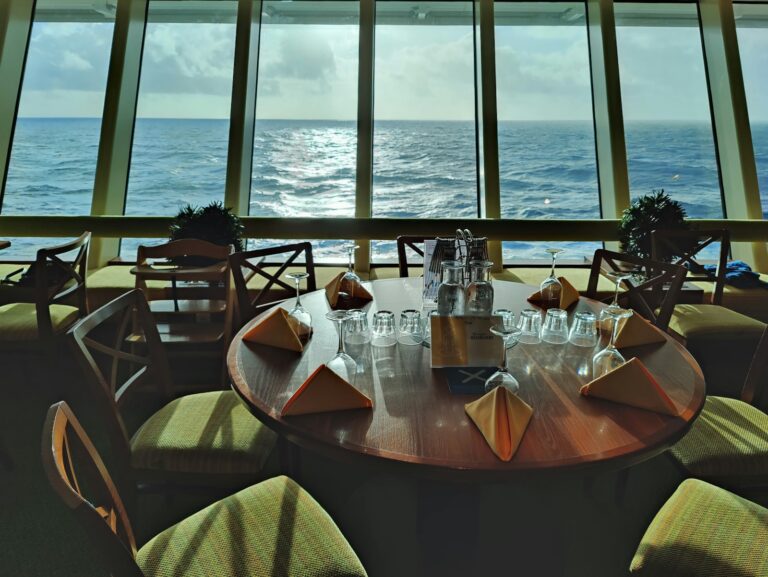
It helps to know what separates a luxury train from a premium scenic route. A genuine luxury train journey is not just about comfortable seats and nice views. It is a curated experience that includes high-end accommodations, fine dining, and personalized service. You can expect private or semi-private cabins with proper beds, en-suite bathrooms on most top-tier trains, and a staff-to-guest ratio that makes things feel effortless. Meals are multi-course affairs with wine pairings, often served in a dedicated dining car with white tablecloths and crystal glassware.
The experience also extends beyond the train. Most luxury journeys include off-train excursions guided by local experts, access to observation cars or lounges, and amenities like afternoon tea or pre-dinner cocktails. The level of service aligns with a five-star hotel, not a regular train ride.
There is a difference between true luxury trains and premium scenic routes. Premium trains like the Glacier Express in Switzerland give you panoramic views and good service, but the cabins are simpler and dining is less formal. True luxury trains, such as the Venice Simplon-Orient-Express or Rovos Rail, operate with hotel-style suites, dress codes, and all-inclusive pricing that covers more than just the ride. Realistic expectations matter here. This style of travel is formal, especially in the evening, and costs a significant amount. If you prefer jeans and sweatshirts, some of these journeys will feel restrictive.
Top 5 Luxury Train Journeys at a Glance
Here is a quick comparison of five iconic journeys to help you narrow your options. Prices below are starting estimates per person for an overnight trip and can vary based on season and cabin class.
- Venice Simplon-Orient-Express (Europe) â Classic routes from London to Venice, Paris to Istanbul. Typical duration 1-2 nights. Key selling point: unmatched Art Deco glamour. Starting price range: $3,000â$8,000+ per person.
- Rocky Mountaineer (Canada) â Routes through the Canadian Rockies, such as Vancouver to Banff or Jasper. Typical duration 2 nights. Key selling point: massive panoramic windows and GoldLeaf service with a glass-domed coach. Starting price range: $1,500â$3,500 per person.
- Maharajas’ Express (India) â Multiple itineraries across Rajasthan and north India. Typical duration 4-7 nights. Key selling point: palace-level service with guided tours of forts, tigers, and Taj Mahal. Starting price range: $4,000â$12,000 per person.
- Rovos Rail (Africa) â Routes across southern Africa, including Pretoria to Cape Town or Victoria Falls. Typical duration 2-3 nights. Key selling point: Edwardian style mixed with big game viewing. Starting price range: $2,000â$5,000 per person.
- The Ghan (Australia) â Luxury Class â From Adelaide to Darwin through the outback. Typical duration 2-3 nights. Key selling point: red desert and gorge country with off-train adventures. Starting price range: $2,500â$4,500 per person.
These are starting points. Some trains offer shorter segments or longer grand tours that cost more. This list gives you a sense of the variety in geography, pricing, and style available in the luxury train market.
In-Depth Review: Venice Simplon-Orient-Express
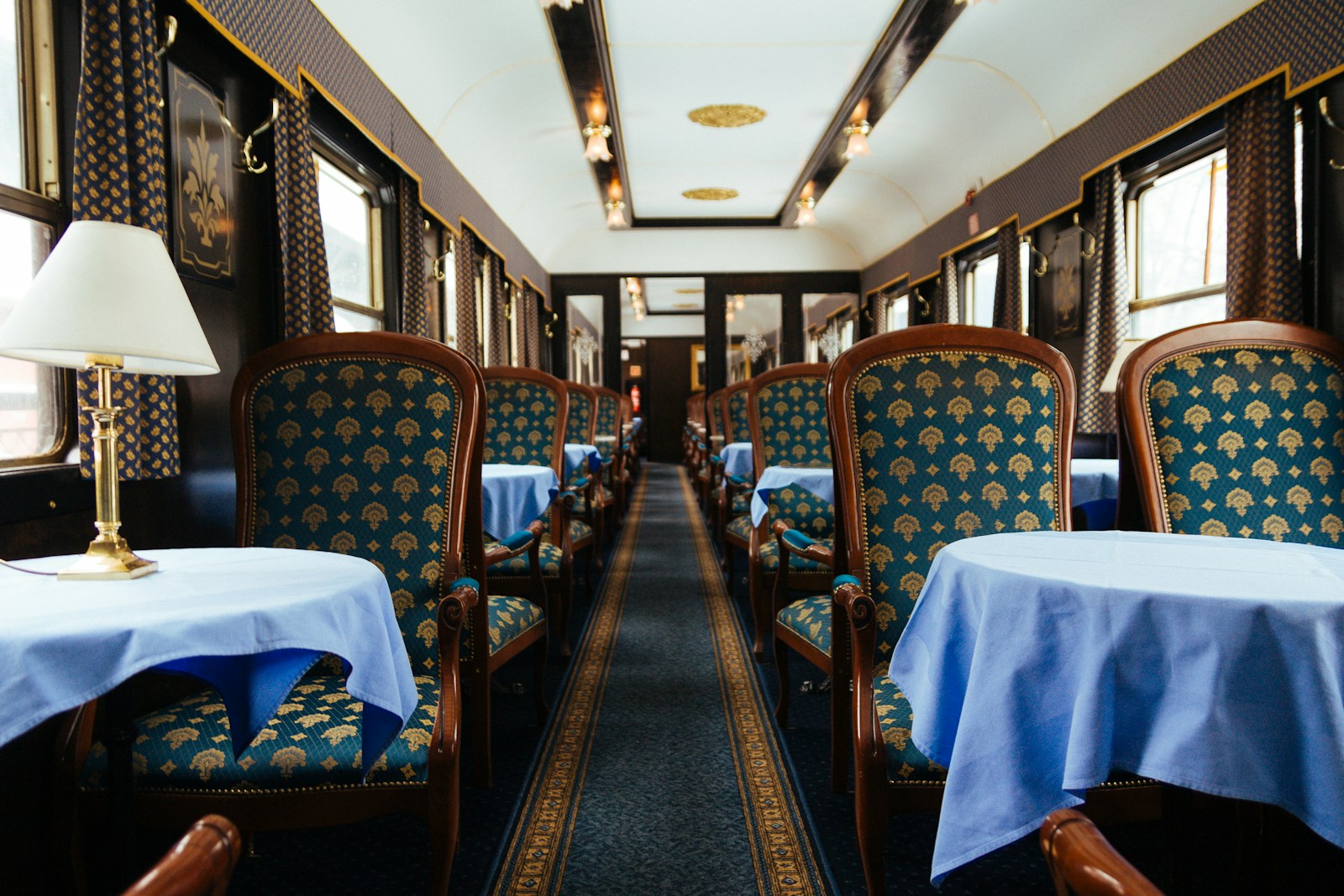
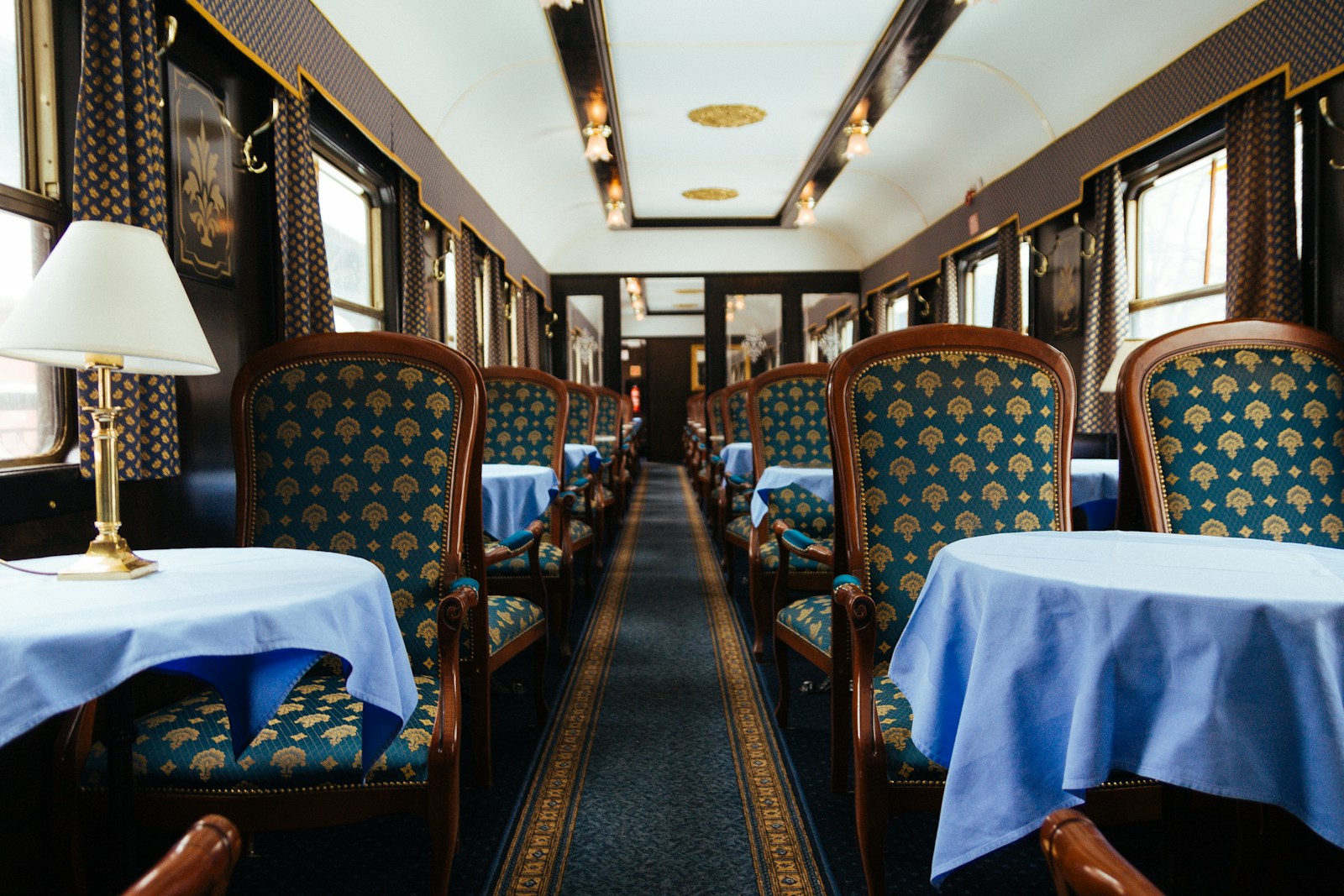
This is the most recognized name in luxury rail. The Venice Simplon-Orient-Express runs classic routes connecting London, Paris, Venice, and sometimes Vienna or Istanbul. The real draw is the atmosphere. Every carriage is restored to 1920s and 1930s Art Deco perfection. You will find marquetry panels, polished brass, and plush velvet seating. The cabins are small but meticulously decorated. Historic cabins have washbasins, while suites offer en-suite bathrooms. If you need a proper shower in your room, you want a suite.
Dinner is a formal affair. Men wear tuxedos or dark suits, women wear cocktail dresses or gowns. The kitchen produces classic French cuisine with multiple courses, and the wine list is serious. Service is polished without being stiff. Off-train excursions are included based on the itinerary, such as walking tours in Verona or a gondola ride in Venice.
Practical logistics: book 6 to 12 months in advance. The season runs from March to November, with winter limited. A one-night journey from London to Venice costs around $4,000 per person in a historic cabin and well over $8,000 in a suite. A significant downside is the small cabin size and the single supplement, which can nearly double the fare for solo travelers. The atmosphere leans heavily on social interactionsâmeals are shared with other guests unless you book a private table in the suites.
Best for travelers who prioritize historical authenticity and a unique social experience over modern amenities. If you want a quiet, private room with a large bathroom, consider a cruise instead.
Luxury Rail vs. Cruises: Which Is Better for You?
Deciding between a luxury train and a luxury cruise comes down to how you want to spend your time. Here is an honest comparison across key factors.
- Cost per night. Both are expensive, but luxury train journeys tend to have higher per-night costs for equivalent service levels. Cruises can offer more nights for the same total price.
- Duration. Train trips are shorter, usually 1 to 7 nights. Cruises often run 7 to 14 nights, giving you a longer vacation feeling.
- Itinerary flexibility. Trains follow fixed rails and schedules. You cannot change the route midday. Cruises have structured ports, but you can often skip excursions or stay on board.
- Onboard amenities. Cruises have pools, spas, casinos, multiple restaurants, and entertainment venues. Trains have observation cars, lounges, and dining cars but less space for activities.
- Shore excursions. Train excursions are included and curated, often small-group. Cruise excursions are extra and can feel crowded.
- Social atmosphere. Train dining is communal, making it easy to meet people. Cruise dining offers more flexibility between intimate tables and social settings.
Best for train lovers: If you have limited time or want a focused journey through specific landscapes or historic cities. Best for cruise fans: If you want a longer, more relaxed vacation with varied amenities and more space to spread out.
This is not a battle of one being better. Know what kind of trip excites you more and book accordingly.
Practical Mistakes to Avoid When Booking a Luxury Train
I have seen travelers book these trips with unrealistic expectations and walk away disappointed. Here are the most common mistakes and how to sidestep them.
- Not understanding what is included. Some trains include all drinks and excursions. Others only cover meals. You can face surprise charges for a single glass of wine or a guided tour. Always confirm the inclusion list before booking.
- Underestimating dress code requirements. On European trains, dinner is formal. No jeans, no sneakers. Packing a tuxedo or gown feels excessive, but it is required on many journeys. Check the dress code for each segment. Travelers who need formal wear may want to look for a packable tuxedo or an evening gown designed for travel.
- Choosing the wrong season. The Maharajas’ Express runs from October to March. Booking it in monsoon season means rain-drenched excursions and dusty windows. Rocky Mountaineer runs best in summer and early fall. Off-season light can mean fewer views.
- Overlooking single supplements. Many luxury trains charge a single supplement of 75% to 100% of the fare. Solo travelers can pay almost double. Some trains offer single occupancy discounts on certain dates, but you must ask specifically.
- Failing to book early. The most popular trains and dates sell out 6 to 12 months in advance. Last-minute openings are rare. If you have a must-ride train, book as soon as dates release.
Each mistake costs real money or creates real frustration. Knowing them upfront saves both.
Budgeting for Your Luxury Train Journey: What You Actually Spend
The ticket price is just the start. Here is what your full budget should include for a typical 3 to 5-night trip, including flights and one hotel night on each end.
- Base ticket: $2,500â$12,000 per person depending on the train and cabin.
- Pre-and post-trip hotels: You usually arrive a day early and stay a day after. Two hotel nights at $300â$600 each adds $600â$1,200.
- Flights: International flights can run $800â$2,000 depending on origin and destination.
- Gratuities: 10â20% of the ticket price, or a set amount per night. Budget $200â$800 for the trip.
- Optional excursions: While many excursions are included, some premium extras (private tours, hot air balloon rides, exclusive dinners) cost extra. Budget $200â$500.
- Drinks and extras: Some drinks are not included in the base fare. A bottle of Champagne or a premium spirit can add $100â$300.
- Travel insurance: $100â$300 for a comprehensive policy covering trip cancellation, medical, and baggage.
Low-End Luxury ($4,000â$7,000): A 3-night Rocky Mountaineer or a 2-night Venice Simplon-Orient-Express in a standard cabin, with economy flights and budget hotels.
Top Tier ($10,000â$20,000): A 7-night Maharajas’ Express in a deluxe cabin, with business class flights and luxury hotels.
All-Inclusive ($15,000+): A suite on the Venice Simplon-Orient-Express or a full Rovos Rail grand journey with all upgrades and premium flights.
This breakdown helps you see the real cost before fantasy kicks in. Plan accordingly.
Choosing the Right Cabin on a Luxury Train
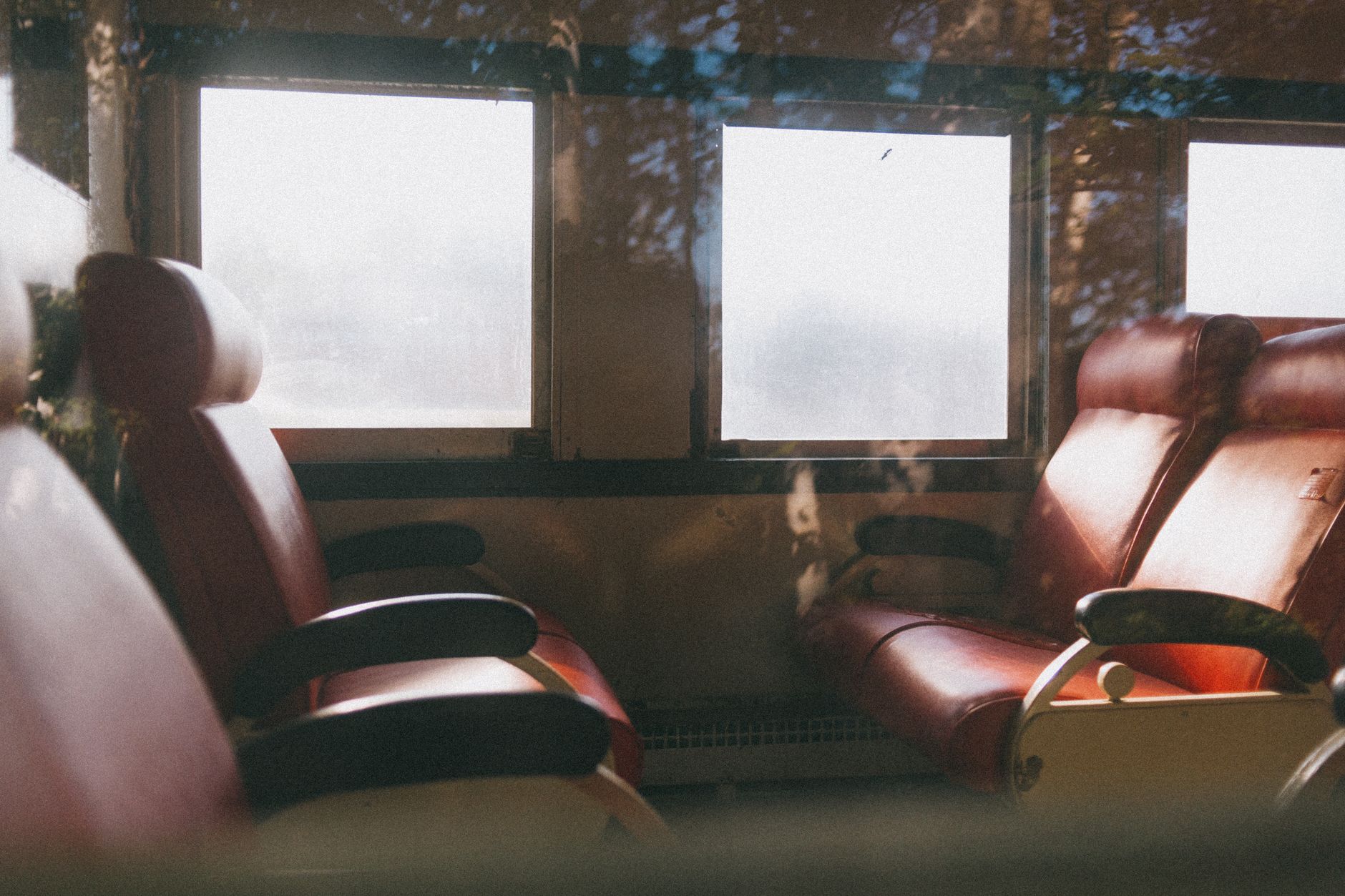
Cabins follow a tiered system on most trains. The key differences are size, bathroom type, and included benefits.
- Standard Sleeper: Small but functional. Usually has a washbasin but toilets are down the hall. Beds fold down from walls. Best for solo travelers on a budget or those comfortable with minimal space.
- Deluxe Cabin: Larger with an en-suite bathroom (toilet and shower). More storage and often a proper double or twin bed. Best for couples who want privacy and comfort.
- Grand Suite: The largest option. It includes a separate sitting area, a proper double bed, a full en-suite bathroom, extra storage, and priority dining or excursions. Best for special occasions or travelers who value space and exclusivity.
Practical tip: On many trains, the cabin converts to a sit-up area during the day, so you have somewhere to relax without sitting on the bed. Check if your cabin includes a separate chair or sofa. For solo travelers, some trains offer single occupancy discounts on standard sleepers. Always ask. For couples, a deluxe cabin provides the best balance of romance and practicality without the suite price.
Packing for a Luxury Train: What to Bring and Leave Behind
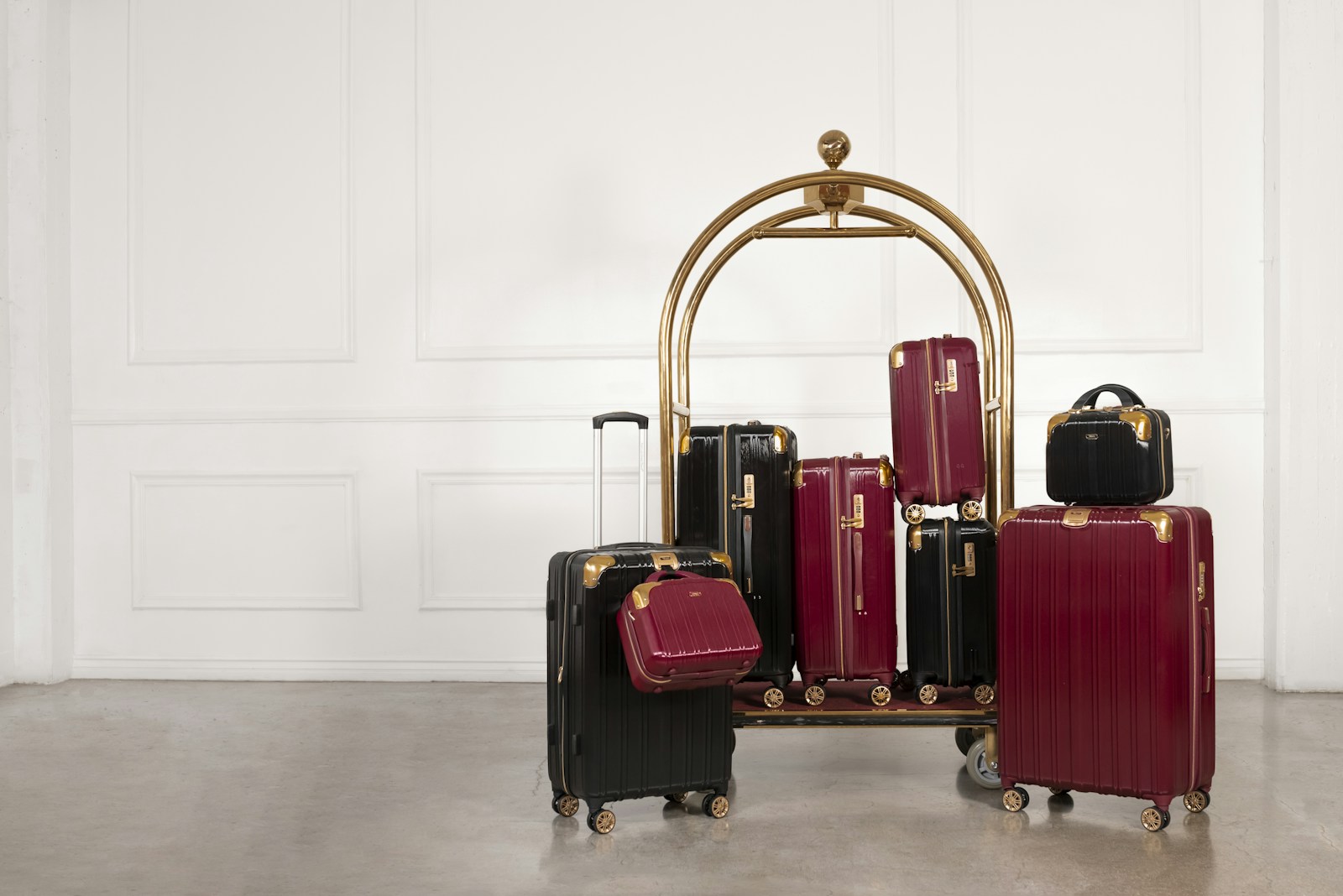
Your suitcase will be stored in a luggage compartment, so bring a small carry-on for the cabin. Here is what works.
Bring:
- Formal wear for dinner: jacket and tie or tuxedo for men, cocktail dress or gown for women.
- Comfortable day clothes: trousers, collared shirts, sweaters, and closed-toe shoes for excursions.
- Walking shoes for off-train tours.
- Camera, medications, travel adapter, and a small day bag. A good camera bag keeps gear organized and accessible.
Leave behind:
- Oversized luggage. It will not fit in the cabin and is a hassle to store.
- Casual athletic wear. No gym clothes or flip-flops in the dining car.
- Heavy books. You will be looking out the window, not reading Tolstoy. A small tablet or e-reader is better.
Packing light is not just about convenience. It makes moving between train and hotel easier, saving stress on travel days.
How to Book the Best Luxury Train Journey for Your Trip
Follow this simple framework to find the right match.
- Define your primary goal. Are you doing this for scenery, history, a romantic getaway, or a celebration? Each train excels in a different area. Rocky Mountaineer for scenery. Maharajas’ Express for history. Venice Simplon-Orient-Express for romance.
- Decide your destination region and travel season. Europe runs spring to fall. Asia runs winter to spring. Africa is year-round but best in dry months.
- Set your budget per night including extras. Use the budgeting section above to get a realistic number.
- Choose between iconic classics vs. modern luxury. Trains like Rovos Rail lean into old-world style. Belmond offers historic and modern options. Some newer trains in South America offer luxury with contemporary design.
- Compare the best routes for your goal. If it is all about scenery, look at the Rocky Mountaineer or Scotland’s Royal Scotsman. For altitude and culture, the Belmond Andean Explorer covers Peru’s highlands.
- Check for special offers or shoulder season discounts. Some trains offer lower rates in early spring or late autumn. A well-timed booking can save 10â20%.
Once you have your shortlist, the next step is booking. Contact Bob’s Travel Service for personalized recommendations and last-minute availability our team can access. We help you avoid the guesswork and book the right train for your specific travel style and budget.